Why I started My Beef Recipes
I was twenty-five, standing in my kitchen with a charred, lopsided steak that had spent forty minutes on the grill while I argued with the thermometer. My flatmate at the time—a guy who fancied himself a chef—had just declared that beef was ‘overrated’ and that I’d never master it.
I wanted to prove him wrong, but the only recipes I had were either too vague (‘cook until done’) or so precise they assumed you had a lab, not a stove. So I started writing down what worked, what didn’t, and why.
This site is for anyone who’s ever burned a patty, over-salted a stew, or stared at a butcher’s counter wondering how to turn a hunk of meat into something worth eating.
Here, you’ll find recipes that don’t treat you like a beginner but won’t leave you guessing like a cookbook from 1982. No shortcuts, no pretension—just dishes that taste like they took effort, even if they didn’t.
Meet the founder
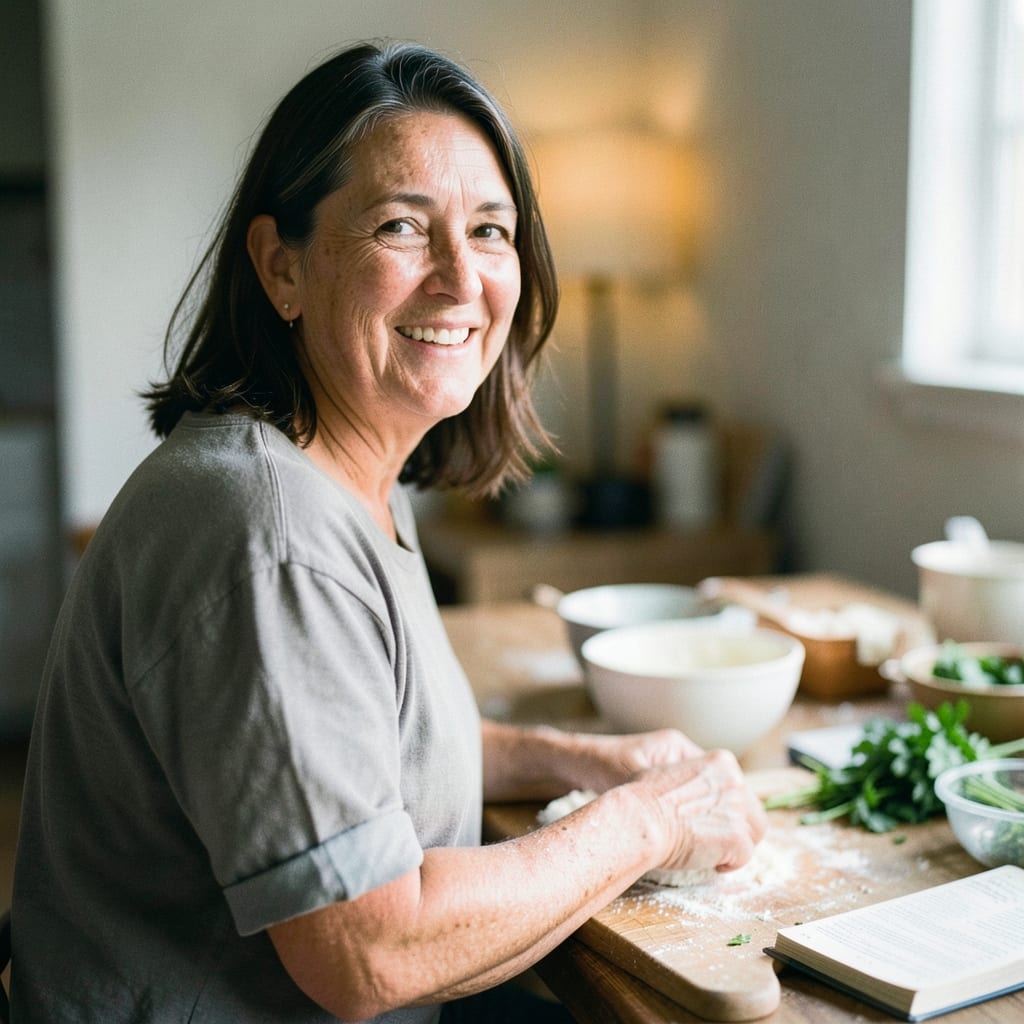
The first time I held a knife properly was in my abuela’s kitchen in São Paulo, where she’d let me ‘help’ by peeling potatoes at the age of five.
She’d watch me butcher a carrot into something resembling confetti and sigh, ‘Fiona, the knife is a tool, not a weapon.’ I still hear that every time I see a recipe that treats cooking like it’s a performance instead of a conversation.
My Beef Recipes exists because I believe good food should taste like it was made by someone who’s been burned before—and learned from it.
I still own the cast-iron skillet my dad gave me when I moved out. It’s got a dent from where I dropped it once, a handle that’s warped from years of uneven heat, and a seasoning so dark it looks like it’s been smoking for decades.
I use it for everything: searing, frying, even baking. It’s not pretty, but it’s reliable. That’s the kind of cooking I want to share—messy, honest, and built to last.
The dish that changed everything was a failed *churrasco* at a friend’s barbecue. I’d marinated a ribeye for hours, grilled it low and slow, and then—disaster. The meat was tough as boot leather. My friend, a real *churrasqueiro*, took one look and said, ‘You rested it too long.
Beef needs to breathe, but not suffocate.’ That night, I rewrote every step of my process. Now, I rest meat for exactly 10 minutes at room temp before cooking, and never more. Small rules save big mistakes.
I have a habit of tasting everything twice: once raw, once cooked. It’s weird, I know, but I swear I can tell when a cut of meat is past its prime just by how it feels on my tongue before it hits the pan.
And I *always* check the salt midway through cooking—even if the recipe says not to. Trust me, you’ll thank me later.
‘Cooking is the only place where failure is part of the process—and the best dishes come from the ones that almost didn’t work.’
My abuela, probably
Meet the mascot

The first sketch of what would become our mascot was scribbled on a napkin at a café in Lisbon, where I’d gone to avoid my own kitchen after a particularly disastrous attempt at *bife à portuguesa*.
I drew a hunk of meat with legs, sticking its tongue out at me—part defiance, part apology. The problem? It looked like a sad, overcooked steak.
My friend (and occasional recipe tester) Maria laughed and said, ‘Give it a face, not a smirk.’ So I added eyes: one wide with surprise, one squinting like it’s judging your seasoning.
The next version was proper ink on paper, this time at my desk with a proper pencil. I gave it arms—holding a fork like it’s about to stab something—and a chef’s hat that’s slightly askew, because no one’s perfect.
The meat itself got more texture, little char marks to remind you that even the best recipes start with a little fire. I called it *Bife*—short for *bife de chorizo*, the cut I was trying (and failing) that day.
For the final version, I had to simplify. Too much detail, and it’d blur on a browser tab. So *Bife* lost its hat (too distracting), got a cleaner line for its legs, and traded its fork for a pair of tongs—because sometimes, you just need to grab things.
The tongue stayed, though. You’ve got to leave *something* to the imagination.
What I promise you
This site is a promise: if you follow the steps, you’ll end up with something edible. Maybe not perfect, but not a disaster. I won’t hide the parts where things go wrong—I’ll tell you exactly how to fix them.
What you can hold me to
- Every recipe includes a ‘What Could Go Wrong’ section—because it always does.
- If a step feels vague, it’s because I haven’t figured out how to make it clearer (help me!).
- The ingredients list is *exactly* what I used when the recipe worked. No ‘optional’ items that aren’t.
- You’ll never see a recipe here that’s just a regurgitation of someone else’s work. If I borrow a technique, I’ll say so—and tell you how I changed it.
How I create a recipe
A recipe here starts with a question: *‘What’s the one thing I’d kill for right now?’* It’s not about trends or ‘viral’ dishes—it’s about the thing that makes you pause mid-day and think, *‘I need that.’* Sometimes it’s a memory (my grandmother’s *feijoada*), sometimes it’s a mistake (that overcooked steak), and sometimes it’s just stubbornness (*‘Why can’t I make a decent burger?’*).
The first cut: meat and heat
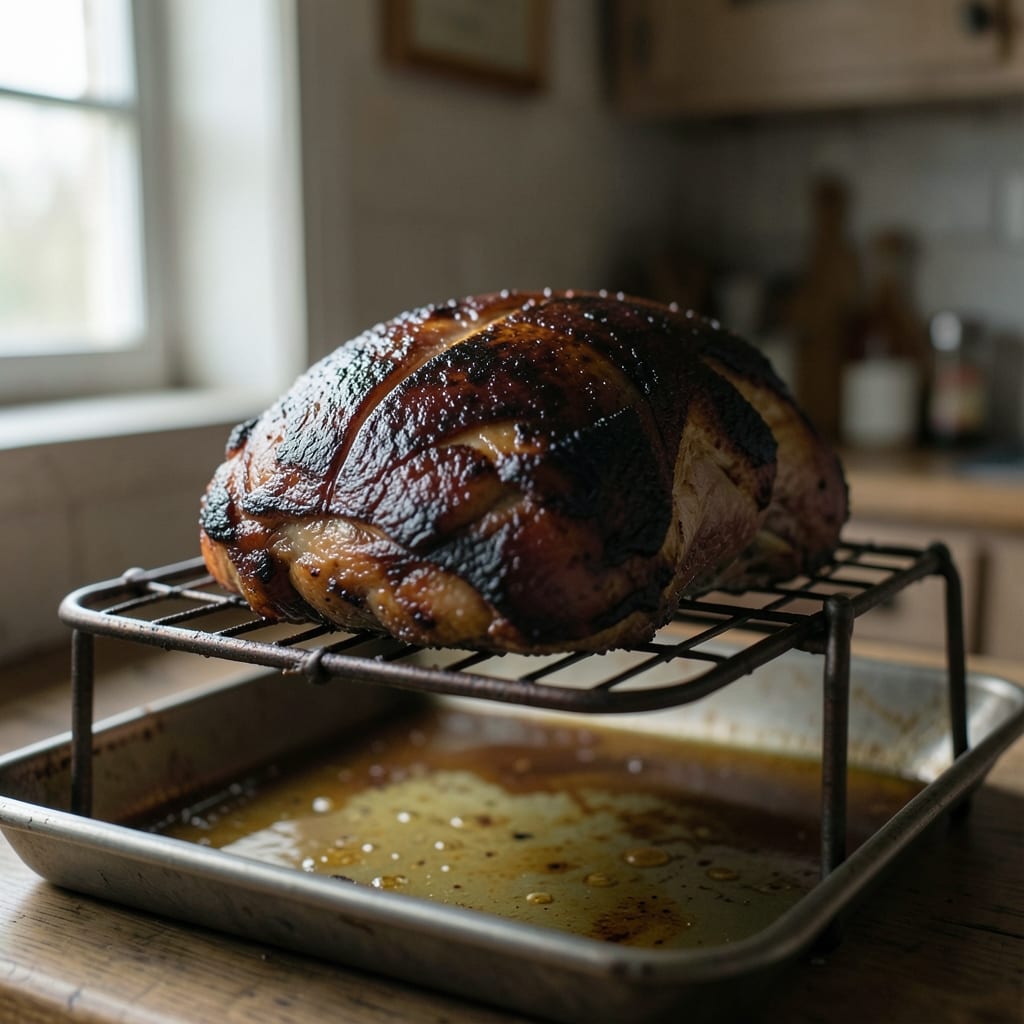
The first rule is: *never* trust the visual. A sear isn’t about color—it’s about sound. A good crust should crackle like a campfire, not hiss like a frying pan full of oil.
I use a meat thermometer for everything, but I also watch the edges: if they’re pulling away from the fat too fast, you’re cooking too hot. For beef, that means keeping the pan between 350°F and 400°F (175°C–200°C) unless you’re specifically going for a crust.
And if you’re using a cast iron? Let it sit for 10 minutes over the heat before adding oil—cold metal steals heat, and that’s how you end up with grey meat.
The fix: rest and respect
The second rule is patience. Beef needs to rest because the juices need time to redistribute—if you cut into it too soon, they’ll run out, and you’ll be left with something dry. For a 1.5-inch steak, that’s 5 minutes. For a roast, it’s 20.
I set a timer and walk away. No peeking. If you’re unsure, use a instant-read thermometer: the internal temp should drop 5–10°F (3–5°C) during rest. That’s how you know it’s working.
How a page gets onto this site
While the meat rests, I write. Not the final version—the *first* one. I jot down the temps, the times, the little things that almost went wrong (like when I forgot to take the beef out of the freezer and had to defrost it overnight).
Then I let it sit for a week. After that, I read it aloud. If I stumble over a step, it’s too complicated. If I skip a detail, it’s missing. And if a recipe doesn’t make me hungry when I read it? Back to the kitchen.
Write to me
I’d love to hear what you’re cooking, what you’re struggling with, or even what you think of *Bife*. Did a recipe work the first time? Did it fail spectacularly? Send me your questions, your triumphs, and your disasters—the good, the bad, and the *‘what were you thinking?’* kind.
You’ll find the contact page in the menu above. Just don’t ask me to recommend a wine. I’m still figuring that out myself.
Fiona Beaudry
The recipes are grouped by category: Appetizers, Beverages, Breakfast & Brunch, Desserts, Main Courses and Reviews.