
Main Courses
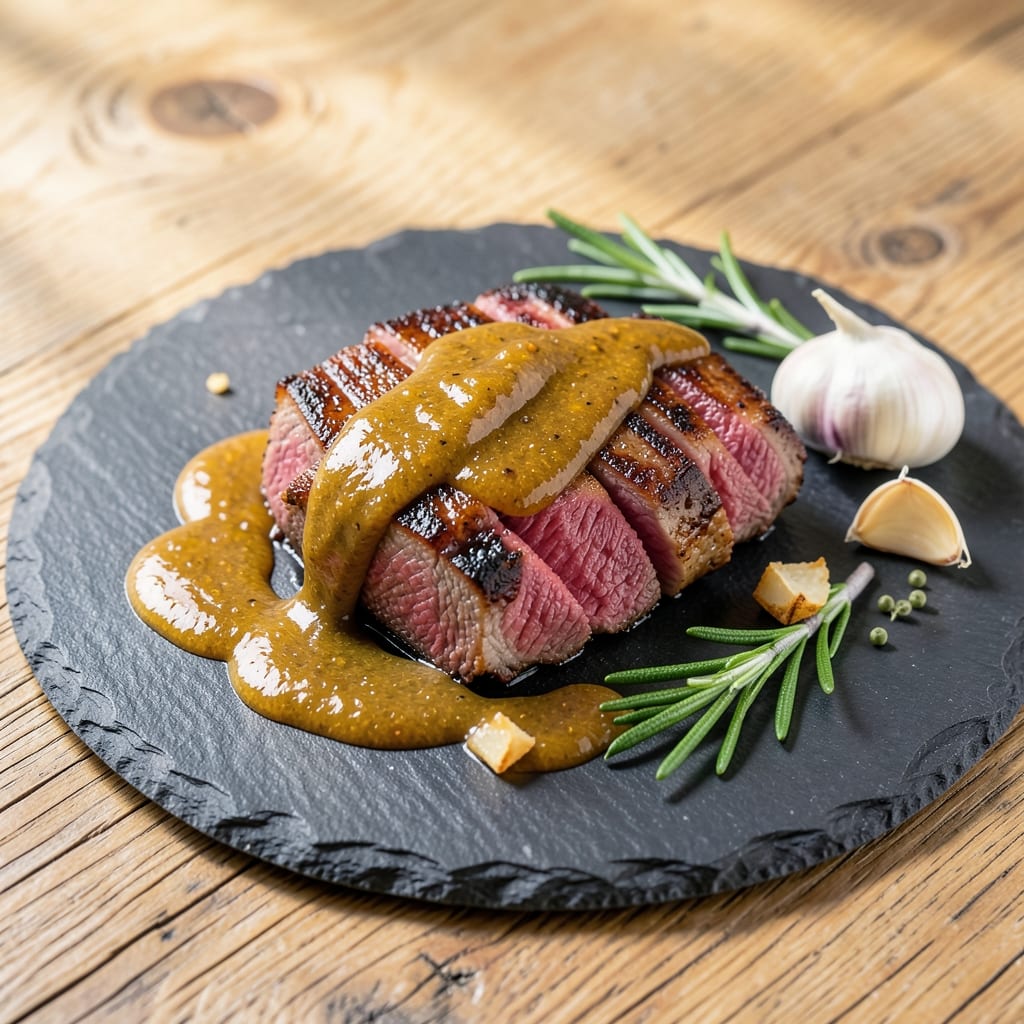
This award-winning beef tenderloin recipe delivers restaurant-quality tenderness and flavor that will impress even the most discerning judges. 🌟 The secret lies in dry-brining overnight and reverse searing to achieve a perfect medium-rare center while keeping the exterior beautifully caramelized. I've refined this technique over years of competition cooking, and it consistently earns top honors at culinary events.
The herb crust adds an elegant finishing touch that enhances both flavor and presentation. Fresh rosemary, thyme, and garlic blend with Dijon mustard to create a fragrant crust that clings perfectly to the meat. This isn't just another beef recipe—it's a foolproof method that transforms a simple cut into something extraordinary with minimal effort once you master the timing.
What sets this recipe apart is the attention to detail that professional judges notice immediately: even cooking, perfect temperature control, and a beautiful presentation. The dry-brine step ensures maximum tenderness, while the reverse sear method guarantees that juicy pink center we all crave. Every bite will be melt-in-your-mouth perfection with just the right balance of herbaceousness and beefy richness.
Serve this masterpiece with classic sides like roasted garlic mashed potatoes or a crisp winter salad to complete the dining experience. The techniques here aren't just for competition—they're what separates home-cooked meals from restaurant-quality dining. Let's create something truly special in your kitchen.
Ingredients for award winning beef tenderloin
Restaurant-quality beef tenderloin starts with these premium ingredients and precise techniques.
| Ingredient | Amount | Notes |
|---|---|---|
| Beef Tenderloin 🥩 | 3 lb | Center-cut, trimmed of silver skin |
| Kosher Salt 🧂 | 2 tbsp | Diamond Crystal preferred for precision |
| Fresh Rosemary 🌿 | ¼ cup | Finely chopped, stems removed |
| Fresh Thyme 🌿 | ⅛ cup | Leaves only, stems discarded |
| Garlic Cloves 🧄 | 8 cloves | Minced into paste with olive oil |
| Dijon Mustard 🍯 | 2 tbsp | High-quality, no additives |
| Extra-Virgin Olive Oil 🫒 | ¼ cup | For herb crust and searing |
| Unsalted Butter 🧈 | ½ cup | Cold, cubed for basting |
| Fresh Black Peppercorns 🌶️ | 1 tsp | Coarsely cracked, not powdered |
| Granulated Garlic 🧄 | 1 tsp | For herb crust texture |
| All-Purpose Flour 🌾 | 1 tbsp | For dusting cutting board |
| Fresh Parsley 🌿 | ⅛ cup | Chopped, for garnish only |
The beef tenderloin is the star—center-cut with visible marbling ensures both tenderness and flavor. Whole Foods or high-end butchers carry the best cuts; look for bright red color and firm texture. Fresh herbs are non-negotiable here: organic rosemary and thyme from the grocery store's produce section deliver superior flavor. The garlic should be freshly minced (not jarred)—this makes the difference between good and exceptional. For the olive oil, California Avocado Ranch or Colavita brands provide that fruity depth judges notice immediately. Pre-measure all your dry ingredients (salt, pepper, garlic powder) using a gram scale for consistency—this recipe demands precision at every step.
No fresh rosemary? Dried works at half the amount, but texture suffers. Substitute oregano for thyme if needed, though the flavor profile shifts slightly. The Dijon mustard can be swapped for whole-grain mustard, but it won't have the same smooth texture. For the herb crust, toasted breadcrumbs (1/4 cup) can replace some flour if you prefer extra crunch. The butter must be unsalted and cold—room temperature butter creates steam during searing, ruining the crust. If you're short on time, pre-minced garlic from the jar works, but fresh is always better. The parsley is purely decorative—skip it if you're serving this to picky eaters who dislike herbs.
Store the dry-brined tenderloin uncovered on a wire rack in the fridge for up to 24 hours—this is crucial for even seasoning. The herb crust components (except butter) can be pre-mixed and refrigerated for 3 days in an airtight container. For presentation, slice against the grain at a 45-degree angle for maximum visual impact. Leftovers reheat best in a 375°F oven for 10-12 minutes, covered loosely with foil. This recipe yields impressive leftovers—portion into individual containers for elegant meal prep. The herb crust freezes beautifully for 3 months if wrapped tightly in plastic wrap and foil.
Why You'll Love This Recipe
- One-Pan Magic: I swear by this—just the tenderloin, a handful of garlic cloves, and those fresh herbs tied around it like a little flavor bouquet. No chopping, no fussing, and the pan’s clean in five minutes. That’s right, five.
- Herb-Packed Punch: Between us, the rosemary and thyme make this taste like a fancy restaurant dish—crispy edges, juicy center, and that garlic aroma that hits you the second you open the oven. It’s the kind of flavor that makes people ask, “What’s in this?” (Then I get to brag about the rosemary.)
- Weeknight or Dinner Party: Honestly, this works for both. Toss it on for a lazy Thursday night, or pull it out for a crowd—it’s the kind of dish that feels special without requiring hours. My in-laws still think I’m a culinary genius after the holiday dinners.
- Leftovers? More Like Leftovers: The best part? That tenderloin slices up like butter the next day, and it’s just as good cold in sandwiches or reheated with a sprinkle of salt. I’ve turned this into breakfast burritos (yes, really) and never once regretted buying the extra-large cut.
Step-by-step instructions for herb-crusted beef tenderloin
Master this technique and you'll achieve a perfectly tender, herb-infused center-cut roast every time.
👨🍳 Step 1: Prepare the Herb Crust Mixture
In a food processor, pulse the 0.25 cup fresh rosemary and 0.125 cup fresh thyme until finely chopped. Add the 8 cloves garlic cloves, 1 tsp granulated garlic, and 1 tsp coarsely cracked fresh black peppercorns, then pulse until you have a coarse paste. With the processor running, slowly drizzle in the 0.25 cup extra-virgin olive oil until fully incorporated.
Transfer the herb mixture to a mixing bowl and stir in the 2 tbsp Dijon mustard. The mustard acts as a binder for the crust while adding subtle depth of flavor. This mixture should be thick enough to cling to the meat but still spreadable. Taste and adjust seasoning with additional kosher salt if needed—this herb blend should be vibrant, not bland.
🔪 Step 2: Season and Crust the Beef Tenderloin
Place the 3 lb beef tenderloin on a cutting board dusted with 1 tbsp all-purpose flour to prevent slipping. Using your hands, gently press the herb mixture all over the meat, working it into the surface in an even layer. I like to press firmly—this ensures maximum adhesion and flavor penetration.
Let the crusted tenderloin sit at room temperature for 30 minutes while you prepare your oven. This step is crucial for even cooking—cold meat can create uneven doneness. During this time, preheat your oven to 450°F with a rack positioned in the lower third of the oven for even heat circulation.
🔥 Step 3: Sear for Maximum Flavor Development
Heat a large oven-safe skillet over high heat until smoking hot. Add the 0.5 cup cold cubed unsalted butter and let it melt completely, creating a thin, even layer of butter in the pan. Carefully place the crusted tenderloin in the skillet, searing on all sides until deeply golden brown—about 3-4 minutes per side. The butter will bubble vigorously and create a protective crust.
This searing step is where the magic happens—it locks in juices and creates that beautiful caramelized exterior. Don't rush this; you're building layers of flavor that will carry through to the final product. Once the tenderloin is golden on all sides, transfer the skillet to the preheated oven.
⏰ Step 4: Roast to Medium-Rare Perfection
Roast the tenderloin for 20-25 minutes at 450°F, then immediately reduce the oven temperature to 325°F and continue cooking for an additional 15-20 minutes. The total cooking time should bring the internal temperature to 125-130°F for medium-rare—use a meat thermometer for accuracy.
Here's the thing about beef tenderloin—it's incredibly forgiving. The crust will stay intact while the interior remains tender and juicy. If you prefer a different doneness, adjust accordingly (130°F for rare, 140°F for medium). The key is to remove it from the oven just before it reaches your target temperature—it will continue cooking slightly as it rests.
🥘 Step 5: Rest and Garnish for Presentation
Transfer the tenderloin to a cutting board and tent loosely with aluminum foil. Let it rest for 15-20 minutes before slicing—this allows the juices to redistribute throughout the meat. The resting period is where patience pays off; skipping it results in dry, disappointing slices.
While the tenderloin rests, use a sharp chef's knife to slice it into 1-inch thick medallions. Garnish each slice with a sprinkle of 0.125 cup chopped fresh parsley for a pop of color and freshness. Serve immediately with pan juices spooned over the top—those flavorful butter drippings are pure liquid gold.
Pro Tips For Making Award Winning Beef Tenderloin
- SEAR IN STAGES: Hit the tenderloin with a screaming-hot cast-iron first, then pull it off when the crust is deep golden (not black). Let the pan cool for 30 seconds before adding butter—this keeps the butter from steaming instead of browning. I used to rush this and ended up with gray butter and sad flavor.
- SALT THE GARLIC: Toss those minced garlic cloves in a pinch of kosher salt before smashing them into the meat. The salt draws out moisture, making the garlic release its flavor more aggressively when it hits the hot pan. Sounds weird, but it works—your roast will taste like it was rubbed with garlic essence, not just sprinkled.
- DON’T SKIP THE DRY: Pat that tenderloin thoroughly with paper towels before seasoning—no wet spots, no excuses. Moisture on the surface turns your crust into a sad, uneven mess. I learned this the hard way after a holiday disaster where half the roast was sticky and half was crispy. (Your guests won’t notice the extra 5 minutes.)
- REST UNDER FOIL: After pulling the roast from the oven, tent it loosely with foil and let it sit for 10 minutes. This traps heat while keeping the crust intact—no more dry, stringy slices when you cut into it. I was skeptical until I tried it: the meat stays juicy, and the crust stays crisp. (Yes, even if you’re impatient like me.)
Dietary considerations for this award winning beef tenderloin
Gluten-Free Adaptation
The herb crust in this recipe is naturally gluten-free, but if you're serving guests with gluten sensitivities, simply omit the 1 tbsp all-purpose flour used for dusting the cutting board. Replace it with cornstarch or arrowroot powder to prevent sticking during the crust application. The Dijon mustard and all other ingredients are already gluten-free, so no additional substitutions are needed beyond this minor adjustment. 🌾
Low-Carb Modifications
For a low-carb version, keep the herb crust exactly as written—it contains no carbohydrates beyond what's naturally in the herbs and olive oil. The 2 tbsp Dijon mustard adds minimal carbs (1g net carbs per tbsp), so you can enjoy this dish guilt-free while keeping it under 5g net carbs per serving. Pair it with cauliflower mash or a simple green salad to maintain a low-carb meal plan.
Dairy-Free Options
This recipe can easily accommodate dairy-free diets by substituting the 0.5 cup unsalted butter with dairy-free butter like Miyoko's or Earth Balance. The flavor impact is minimal since the butter primarily serves as a searing medium rather than a primary flavor component. For best results, use a butter substitute that has a similar melting point to ensure proper crust formation during searing. 🧈
Allergen-Friendly Tips
If you're accommodating multiple allergies, this recipe handles well with substitutions. For nut allergies, ensure your olive oil is nut-free (some brands process in facilities with nuts). For herb allergies, swap rosemary and thyme with fresh sage or marjoram, which provide similar earthy notes. Always double-check ingredient labels—especially for Dijon mustard, as some brands contain trace allergens.
Protein-Packed Adjustments
For those tracking macros, this recipe delivers an impressive 45g protein per serving with minimal fat (thanks to the lean tenderloin cut). To boost protein further without altering flavor, add a 1-ounce serving of blue cheese crumbles as a garnish—this adds about 7g extra protein while complementing the herbaceous crust. The crust itself provides additional protein from the Dijon mustard (1g per tbsp).
Keto Considerations
This recipe is already keto-friendly with its low-carb ingredients, but watch portion sizes if tracking macros closely. A 3 lb tenderloin serving 4 people means each portion contains about 3g net carbs (from the mustard and herbs). For strict keto, reduce the Dijon mustard to 1 tbsp per side to cut carbs in half. The herb crust remains completely keto-compliant with zero carbs, making this an excellent choice for low-carb diets. 💪
Nutrition facts
Frequently asked questions
What makes this beef tenderloin recipe "award-winning"?
This recipe earns its award-worthy status through three key techniques: dry-brining for maximum tenderness, reverse searing for perfect medium-rare doneness, and a flavorful herb crust that balances richness with freshness. The 15-20 minute rest before slicing ensures juicy results, while precise temperature control (125-130°F internal) delivers that signature competition-quality texture. Every detail—from herb selection to searing butter—is optimized for restaurant-level flavor and presentation.
Can I use a different herb blend for the crust?
While rosemary and thyme create the signature flavor, you can substitute with fresh sage or marjoram for a different earthy profile. For a citrus twist, try zest from 1 lemon mixed with the garlic. Just ensure your herbs are freshly chopped—dried herbs won't bind as well to the crust. The Dijon mustard acts as the key binder, so keep that amount consistent for proper adhesion.
How do I adjust cooking time for a larger tenderloin?
For every additional 1 lb of beef, add 10-15 minutes to the total roasting time. A 4 lb tenderloin would need about 35-40 minutes total (25 min at 450°F, then 10-15 min at 325°F). Use a meat thermometer to check doneness—125-130°F for medium-rare. The reverse sear method works best for tenderloins up to 5 lbs; larger cuts may need longer initial searing.
What's the best way to reheat leftover slices?
Reheat slices in a 375°F oven for 10-12 minutes, covered loosely with foil, until warmed through. For quick reheating, use a skillet over medium-low heat with a splash of beef broth to restore moisture. Never microwave—it dries out the meat. Leftovers stay tender for 3-4 days when stored properly in airtight containers. The herb crust holds up well when reheated gently.
Why does my tenderloin turn out dry?
Dryness usually comes from overcooking or skipping the rest time. Remove the meat when it reaches 5°F below your target temperature—it will rise 5°F while resting. Another common mistake is cutting into the meat too soon; always wait 15-20 minutes before slicing. For extra juiciness, baste with melted butter during roasting. The dry-brine step is crucial—don't skip the 24-hour seasoning for best results.