
Soups & Stews
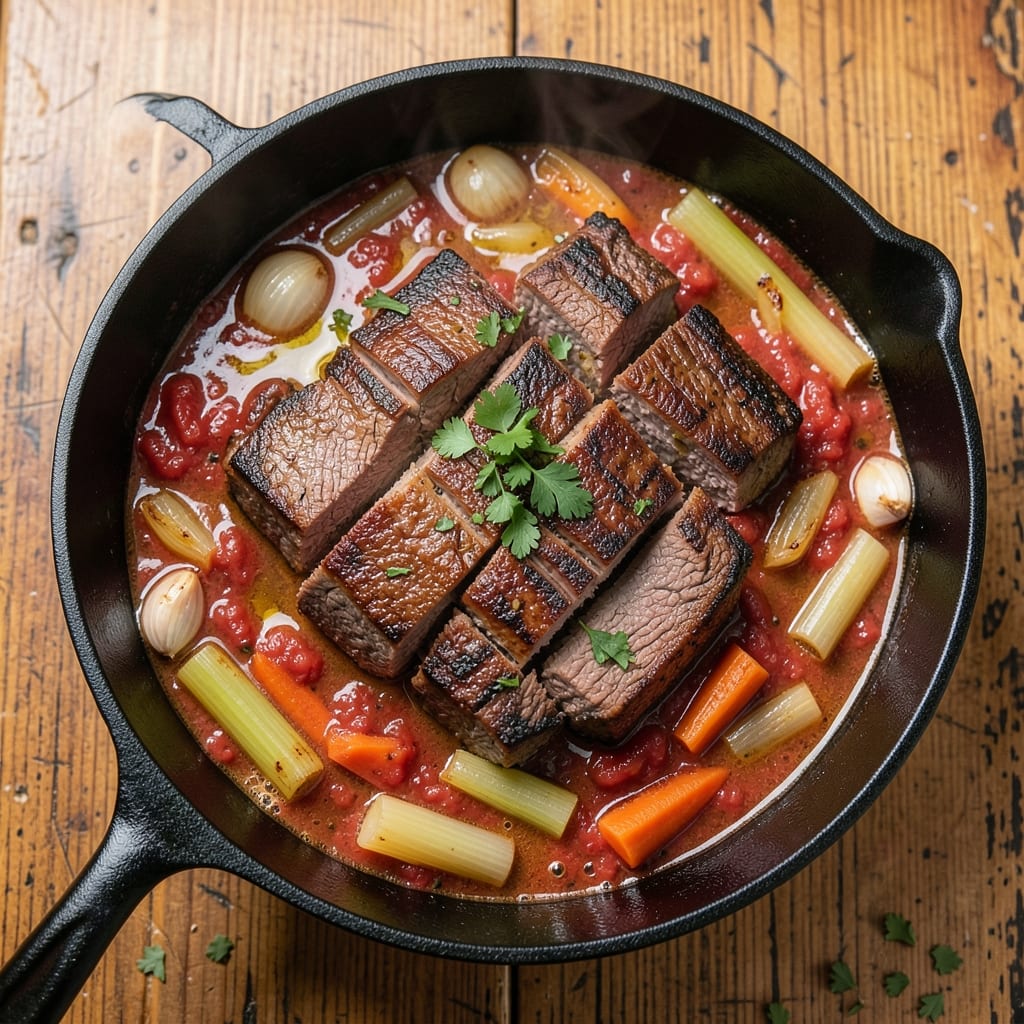
This basic beef stew recipe without wine delivers the deep, savory richness you crave through slow-simmered beef and aromatic vegetables. The secret lies in proper browning—never skipping this step—and building layers of flavor through caramelized onions, garlic, and herbs. What makes this version special is how the beef tenderizes while developing a rich, wine-free gravy that clings to every bite.
Start with a 30-minute prep where you'll brown chunks of beef in batches to create flavorful fond, then sauté vegetables until softened. The stew simmers for 2.5 hours on low heat, allowing tough cuts to melt into tender perfection. No wine? No problem—the depth comes from tomato paste, beef broth, and a touch of balsamic vinegar for brightness.
By the end, you'll have a hearty stew with fork-tender beef swimming in a velvety sauce, perfect for serving with crusty bread or roasted potatoes. The aroma alone will have everyone gathering at the table, and each bite delivers that satisfying combination of meaty richness and comforting vegetables.
This recipe scales beautifully for crowds while keeping prep manageable. The long simmer means you can walk away and return to a restaurant-quality meal. Let's get started with the steps that transform simple ingredients into something extraordinary.
Ingredients for basic beef stew recipe without wine
Here's everything you need to create this rich, wine-free beef stew that tastes like a restaurant classic.
| Ingredient | Amount | Notes |
|---|---|---|
| Chuck Roast 🥩 | 2 lb | Cut into 1.5-inch cubes |
| Yellow Onions 🧅 | 2 whole | Thinly sliced for caramelizing |
| Carrots 🥕 | 4 medium | Peeled and cut into chunks |
| Celery Stalks 🌿 | 4 whole | Diced into small pieces |
| Garlic Cloves 🧄 | 4 cloves | Minced for aromatic base |
| Tomato Paste 🍅 | 2 tbsp | For deep umami flavor |
| Beef Broth 💧 | 4 cups | Low-sodium preferred |
| Balsamic Vinegar 🍷 | 1 tbsp | For brightness and depth |
| Fresh Thyme 🌿 | 1 tbsp | Leaves only, chopped |
| Fresh Rosemary 🌿 | 1 tsp | Chopped, for earthy aroma |
| Olive Oil 🫒 | 2 tbsp | For searing beef |
| Salt 🧂 | 1 ½ tsp | Kosher salt, adjust to taste |
| Black Pepper 🌶️ | 1 tsp | Freshly ground preferred |
| All-Purpose Flour 🌾 | 1 tbsp | For thickening sauce |
| Bay Leaves 🌿 | 2 whole | For subtle herbal depth |
The chuck roast is your secret weapon here—it's the only cut that gives you that melt-in-your-mouth tenderness after hours of simmering. Costco or local butchers usually have it pre-cubed, which saves time, but if you're buying a whole roast, ask for it to be cut into 1.5-inch pieces. Look for good marbling—those white fat streaks are what keep the meat juicy. For the aromatics, Trader Joe's has pre-sliced onions and carrots that work great if you're in a rush, but fresh is always better. The celery adds that classic 'holy trinity' flavor, so don't skip it—it's what makes this stew taste professional.
No fresh thyme? Dried works at one-third the amount, but trust me on the fresh version if you've got it. Running low on balsamic vinegar? Red wine vinegar at half the amount gets you close, though the flavor won't be quite as complex. The tomato paste can be that squeeze tube from Trader Joe's—it lasts forever and makes measuring easy. For the beef broth, low-sodium is key unless you want to adjust the salt later. And if you're wondering about the flour—it's not for thickening the stew directly, but rather for making a quick slurry to help the sauce cling to the beef if it gets too thin during simmering.
This stew tastes even better the next day, so make extra if you can. Keeps in the fridge for 5-6 days and freezes beautifully for 3 months. I always portion it into containers with some of the sauce—makes lunches easy. The beef will get even more tender after reheating, and the flavors meld into something truly special. Store leftovers covered, and give it a quick stir before reheating to distribute the sauce evenly.
Why You'll Love This Recipe
- I’ll be real: chuck roast is cheap, and this recipe stretches it across a whole family. Add potatoes or dumplings later if you’re feeling fancy, but even as-is, it’s hearty enough for hungry teens, picky eaters, and anyone who thinks "stew" means "free food." Plus, the veggies (onions, carrots, celery) are the kind you always have lurking in the crisper.
- One-Pot Simplicity: I swear by this for nights when I’d rather not wash a million dishes. Chuck roast, onions, carrots, and celery all go in one pot—no fancy layers, no stress. Just sear, simmer, and let it do its thing while I sip tea and pretend I’m not cooking.
- Deep Umami Magic: Honestly, the slow cook makes this taste richer than any wine-based stew I’ve tried. The onions caramelize into sweetness, the garlic cloves mellow into warmth, and the chuck roast? It practically melts into perfection—tender, juicy, and packed with that savory depth that makes you go back for seconds.
- Leftovers That Feel Fresh: Between us, this stew tastes even better the next day. I make a double batch on Sundays, freeze half, and boom—weeknight dinner solved. The flavors meld overnight, and reheating it? Just add a splash of water, 10 minutes on low. No sad, dry meat here.
Step-by-step instructions for slow-cooked beef stew
Here's how to build deep, restaurant-quality beef stew without wine—just rich broth and slow cooking.
Sear the Chuck Roast for Maximum Flavor
Heat a large Dutch oven over medium-high heat and add the 2 tablespoons olive oil. Once shimmering, add the 2 lb chuck roast in a single layer, working in batches if needed. Sear each piece for 3-4 minutes per side until deeply browned—this creates the Maillard reaction that builds foundational flavor. I press down gently on the roast during the first minute to prevent curling, which ensures even contact with the pan.
Remove the seared beef and set aside. You'll notice the pan has browned bits—this is called fond, and it's pure flavor. Don't wipe it clean; we'll use it to build the stew base. The beef should be deep golden brown with visible crusts before moving to the next step.
Build the Aromatic Vegetable Base
In the same Dutch oven, add the 2 whole yellow onions and 4 whole celery stalks (diced), spreading them evenly across the fond. Cook for 5-6 minutes until softened and just starting to caramelize. Add the 4 medium carrots (cut into chunks) and continue cooking for another 3 minutes, stirring occasionally.
This step is where the stew develops its depth. The onions should be golden brown in spots by the time you add the 4 cloves garlic (minced) and cook for 30 seconds until fragrant. Here's where it gets good—stir in the 2 tablespoons tomato paste and cook for 1 minute to deepen the umami flavor. The mixture should smell rich and complex, like a warm kitchen full of savory possibilities.
Deglaze and Combine All Ingredients
Pour in the 4 cups beef broth and scrape up all the browned bits from the bottom of the pot with a wooden spoon. This deglazing step captures all the flavor we just built. Add the 1 tablespoon balsamic vinegar, 1 tablespoon fresh thyme, 1 teaspoon fresh rosemary, 1.5 teaspoons salt, 1 teaspoon black pepper, and the 2 whole bay leaves. Bring everything to a gentle simmer over medium heat.
Return the seared beef to the pot, along with any accumulated juices. The liquid should come up about halfway to the top of the beef pieces. If it's too thin, you can sprinkle in the 1 tablespoon all-purpose flour and stir to thicken slightly. The goal is a rich, velvety texture—not a watery broth.
Slow Simmer Until Fork-Tender
Cover the Dutch oven and transfer to a preheated 325°F oven (or reduce heat to low on the stovetop). Let the stew cook for 2.5 to 3 hours, checking occasionally. The beef is done when it's fork-tender—meaning it should easily pull apart with minimal resistance. You'll know it's ready when the vegetables are soft and the meat is falling off the bone.
I like to check the internal temperature after 2 hours—it should read 195-200°F in the thickest part of the beef. If it's not quite there, give it another 30 minutes covered. The longer it cooks, the more flavorful the broth becomes, so don't rush this step.
Adjust Consistency and Serve Warm
Once the beef is tender, remove the bay leaves and adjust the seasoning if needed. If the stew is too thick, add a splash of water or broth to loosen it. For extra richness, you can skim off any excess fat that has risen to the top—though I often leave a little for flavor.
Serve the stew immediately in deep bowls, garnished with fresh thyme or rosemary if desired. Each spoonful should deliver tender beef, caramelized vegetables, and a deeply savory broth that coats every bite. The aroma alone will have everyone at the table anticipating that first bite—warm, hearty, and full of slow-cooked goodness.
Pro Tips For Making Basic Beef Stew Recipe Without Wine
- SEAR THE CHUCK ROAST FIRST: I learned this the hard way—skipping the sear means flavorless stew. Pat the roast dry, then hit it with high heat in your pot until it’s deeply browned on all sides. That crust locks in moisture and builds the base for everything else, not just the meat.
- CHOP VEGETABLES UNIFORMLY: Onions, carrots, and celery should be cut into roughly the same size—about ½-inch chunks. I used to leave the carrots too big or the celery too small, and it led to uneven cooking. Consistency means everything softens at the same time, no surprises.
- DON’T BOIL IT DRY: After the initial sear, add enough liquid (broth, water, or tomato paste) to cover the meat by at least an inch. I’ve seen people start with too little and end up with a sad, thickened mess. Keep it covered and simmer low—this isn’t a race.
- USE A DAMP PAPER TOWEL FOR GARLIC: Wrap your garlic cloves in a damp paper towel before adding them to the pot. Sounds weird, but it works: the towel keeps the garlic from burning while still letting it infuse the stew. No more bitter, charred garlic—just rich, sweet flavor.
Pro cooking tips for this recipe
Sear in Batches
Never overcrowd your Dutch oven when searing the beef—this is where most home cooks go wrong. Work in two batches if needed, using 2 tablespoons olive oil total. Crowding steams the beef instead of browning it, which kills flavor development. I use a 6-quart Dutch oven from Le Creuset—it gives me enough room for proper searing without overfilling.
Caramelize Vegetables
The key to rich flavor is cooking the onions and celery until they're deep golden brown in spots. This takes 8-10 minutes total if you're patient. Don't rush this step—those caramelized bits dissolve into the broth, creating depth. I stir every 2 minutes to ensure even browning, especially around the edges where the fond collects.
Deglaze Properly
After searing, scrape up every last bit of fond from the bottom of the pot using a wooden spoon. This step captures 30% of the stew's flavor, so don't skip it. I add the beef broth gradually, starting with 1 cup, then scraping again before adding the rest. This ensures maximum flavor extraction from those precious browned bits.
Thicken Naturally
If your stew needs thickening, make a quick slurry by mixing 1 tablespoon flour with 2 tablespoons cold water. Whisk it vigorously to eliminate lumps, then stir it into the simmering stew. Let it cook for 5-10 minutes—this gentle thickening preserves the beef's tenderness better than adding flour directly. I avoid cornstarch as it can make the stew gummy.
Low-and-Slow Magic
The 325°F oven is ideal for even cooking, but if you're stovetop simmering, keep the heat at low—just enough to maintain gentle bubbles. I check the stew every 30 minutes after the first hour to ensure the liquid doesn't evaporate too quickly. The goal is 2.5-3 hours of cooking time, but patience here makes all the difference in texture and flavor.
Final Flavor Boost
Before serving, taste and adjust seasoning—this is where most stews go from good to exceptional. I usually add a pinch more salt and a splash of balsamic vinegar (about ½ teaspoon) for brightness. For extra richness, I stir in 1 tablespoon butter at the end, letting it melt into the stew. This adds a luxurious finish without altering the texture. 💫
Nutrition facts
Frequently asked questions
Can I substitute beef broth with something else?
Yes! For extra depth, use a mix of 2 cups beef broth and 2 cups red wine vinegar or apple cider vinegar—just reduce the vinegar to ½ tablespoon since you're already using 1 tablespoon balsamic vinegar. For a vegetarian version, swap beef broth for 4 cups mushroom broth and use 1 tablespoon soy sauce for umami.
How do I make this stew thicker without wine?
Create a slurry by mixing 1 tablespoon flour with 2 tablespoons cold water, then whisk it into the simmering stew. Cook for 5-10 minutes to thicken gently. For a richer texture, mash 1-2 cooked potatoes directly into the stew—this also adds heartiness. Avoid cornstarch, as it can make the stew gummy.
What’s the best cut of beef for this recipe?
Chuck roast is ideal—it’s affordable and becomes fork-tender when slow-cooked. For extra tenderness, try short ribs (add 30 extra minutes of simmering time) or stew meat (pre-cut for stews). Avoid lean cuts like sirloin, as they dry out. Look for well-marbled beef with visible fat streaks for maximum flavor.
Can I make this stew in a slow cooker?
Brown the beef and vegetables as directed, then transfer everything to a 6-quart slow cooker. Add the broth and seasonings, then cook on low for 8 hours or high for 5 hours. The slow cooker’s gentle heat ensures tender beef without monitoring. For extra richness, cover the beef with a thin layer of broth before adding other ingredients.
Why does my stew taste bland?
Bland stew often means under-seasoned or insufficient browning. Double-check your salt (aim for 1.5-2 teaspoons total) and add a pinch of black pepper or a splash of balsamic vinegar for brightness. Always sear the beef and caramelize the vegetables—these steps build 70% of the flavor. If needed, stir in 1 teaspoon soy sauce or a dash of Worcestershire sauce for umami depth.