
Soups & Stews
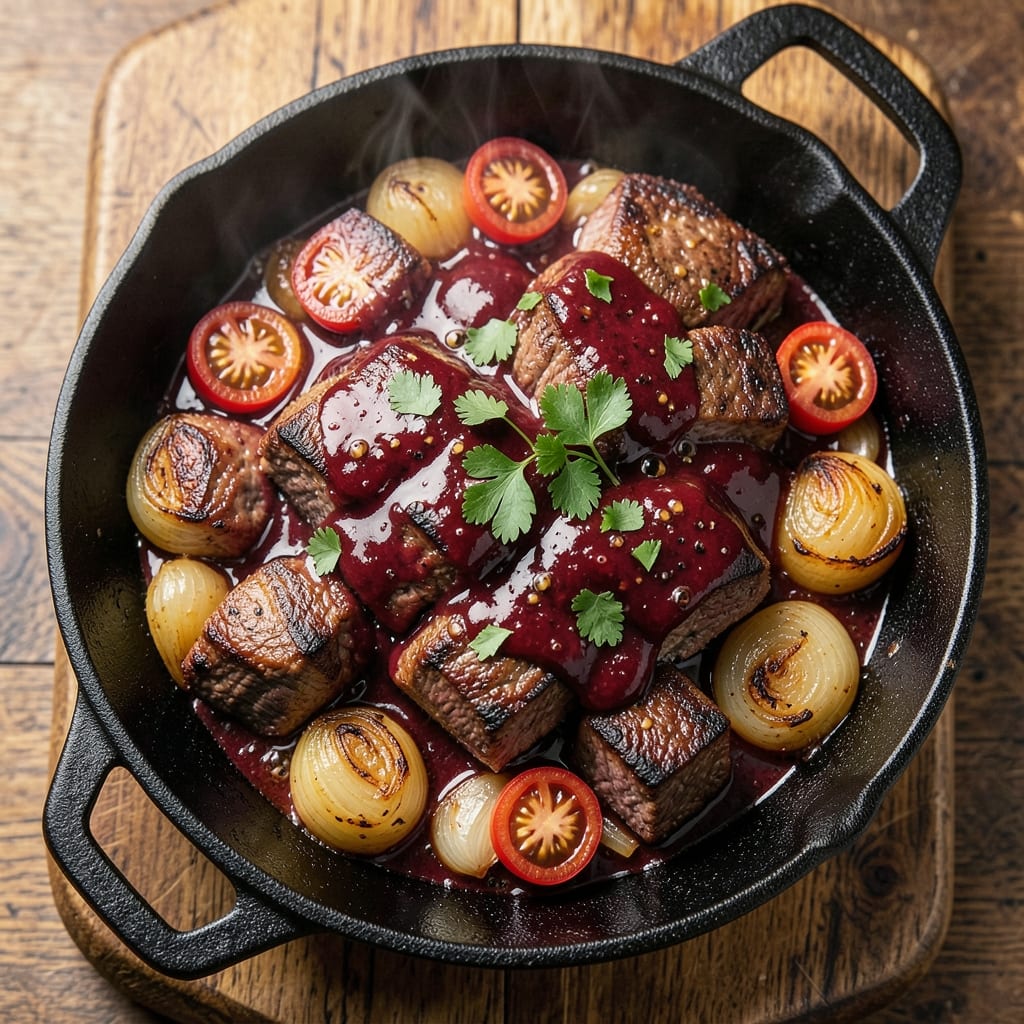
This beef and red wine casserole delivers restaurant-quality depth with tender beef, rich wine sauce, and comforting layers of flavor—all baked to perfection in one dish. The slow simmering process transforms tougher cuts into melt-in-your-mouth pieces while the red wine infuses the sauce with complex umami notes that elevate every bite. What makes this recipe special is how it combines classic French technique with homey casserole simplicity, creating a dish that's equally impressive for dinner parties or weeknight meals.
The foundation of this recipe lies in properly browning the beef before adding the wine and tomato base—a crucial step that builds deep, caramelized flavors. We're talking about golden-brown edges on the beef, a velvety wine-tomato sauce that clings perfectly, and layers of melted cheese that create a satisfying, bubbly finish. The best part? It all comes together in one baking dish, with minimal cleanup and maximum flavor impact.
By the time it emerges from the oven, you'll have a casserole with tender beef, rich sauce, and a crispy cheese topping that's impossible to resist. The aroma alone will have everyone gathering at the table, and each forkful delivers that perfect balance of savory, tangy, and slightly sweet notes from the red wine. This is comfort food at its finest—warm, satisfying, and packed with restaurant-quality flavor.
Serve with crusty bread to soak up every last drop of sauce or alongside roasted vegetables for a complete meal. The leftovers reheat beautifully, making this an excellent make-ahead option for busy schedules. Let's get started on creating this showstopping casserole that will become a family favorite.
Ingredients for beef and red wine casserole
Sixteen ingredients transform into a restaurant-worthy casserole with deep wine-infused richness.
| Ingredient | Amount | Notes |
|---|---|---|
| Chuck Roast 🥩 | 2 ½ lb | Cut into 1.5-inch cubes, trimmed of fat |
| Dry Red Wine 🍷 | 1 ½ cups | Bold variety like Cabernet Sauvignon or Merlot |
| Tomato Paste 🍅 | ½ cup | High-quality, no sugar added |
| Beef Broth 💧 | 2 cups | Low-sodium preferred |
| Yellow Onion 🧅 | 1 whole | Diced, medium size |
| Garlic Cloves 🧄 | 4 cloves | Minced, fresh preferred |
| All-Purpose Flour 🌾 | 2 tbsp | For thickening sauce |
| Dried Thyme 🌿 | 1 tsp | Or 1 tbsp fresh thyme |
| Dried Rosemary 🌿 | ½ tsp | Crushed between fingers |
| Salt 🧂 | 1 ½ tsp | Diamond Crystal preferred |
| Ground Black Pepper 🌶️ | ½ tsp | Freshly ground |
| Shredded Mozzarella Cheese 🧀 | 2 cups | Low-moisture, freshly shredded |
| Shredded Parmesan Cheese 🧀 | ½ cup | Freshly grated |
| Olive Oil 🫒 | 2 tbsp | Extra-virgin for browning |
| Unsalted Butter 🧈 | 2 tbsp | For finishing sauce |
The chuck roast is the heart of this dish—look for well-marbled cuts at your butcher or grocery store's meat counter. Costco or Whole Foods often carry excellent quality, but even the standard supermarket chuck works if it's fresh. Trim any visible fat before cubing, as this helps prevent a greasy sauce. For the red wine, avoid sweet varieties—Cabernet Sauvignon or Merlot provide the bold, dry profile needed for depth. The tomato paste should be smooth and vibrant, not grainy or pale. If using a squeeze tube, measure precisely as these are concentrated. For the beef broth, low-sodium options give you better control over seasoning, though you can always adjust later. The thyme and rosemary should be from reputable brands like Penzeys or your local spice merchant for optimal flavor.
No red wine on hand? Substitute with beef broth and 1 tbsp balsamic vinegar for similar depth, though the flavor will be slightly less complex. Fresh thyme and rosemary can be swapped at a 1:3 ratio with dried (e.g., 1 tbsp fresh = 1 tsp dried), but the earthy notes of dried work well in this baked application. For the cheese topping, pre-shredded mozzarella contains anti-caking agents that prevent proper melting, so freshly shredded is ideal. If you must use pre-shredded, mix it with a little flour to compensate. The tomato paste can be replaced with 1 cup crushed tomatoes, though the sauce will be slightly less concentrated. For the flour, all-purpose works best—bread flour can make the sauce gummy when baked. The olive oil should be extra-virgin for high heat stability, while the butter at the end adds richness without overpowering.
This casserole reheats beautifully—cover with foil and bake at 350°F for 20-30 minutes until bubbly. Store leftovers in the fridge for up to 5 days, though the flavor actually improves after the first day as the sauce melds further. For longer storage, freeze portions in airtight containers for up to 3 months. The cheese topping can be prepped ahead and refrigerated separately, then added just before baking. When shopping for ingredients, prioritize the beef, wine, and cheese—these are the flavor anchors that make this dish truly exceptional. The remaining ingredients are mostly pantry staples, so you'll likely have most of them already.
Why You'll Love This Recipe
- One-Pan Magic: I swear by this recipe because it’s all in one dish—no chopping boards, no extra pots. Just brown the chuck roast, dump in the wine, broth, and tomato paste, and let the oven do the work. (Yes, even on a Tuesday night.)
- Wine-Infused Richness: That splash of dry red wine? It’s not just for show—it tenderizes the beef while adding depth. The tomato paste gives it a caramelized edge, and the onions? They melt into something so savory, you’ll forget to breathe.
- Leftovers That Beg: Between us, this casserole tastes better the next day. The flavors meld overnight, and reheating it is just dumping into a pan and warming through. I make a double batch on Sundays because my freezer (and my family) thank me.
- Budget Meal, Big Impact: Chuck roast is affordable, and this recipe stretches it far. A bottle of wine you’d normally sip? Now it’s working for dinner. Honestly, it’s the kind of dish that makes grocery day feel like a win.
Step-by-step instructions for braising chuck roast in red wine
This method transforms tough chuck roast into fork-tender perfection through precise timing and layering of flavors.
Sear the Beef for Maximum Flavor Development
Heat a large Dutch oven over medium-high heat until hot. Add the 2 tablespoons olive oil and swirl to coat the bottom evenly. Working in batches to avoid crowding, add the 2.5 lb chuck roast cubes and sear undisturbed for 2-3 minutes per side until deep golden brown forms on all surfaces. This initial searing creates the Maillard reaction that builds complex umami flavors.
Remove the seared beef and set aside. If your Dutch oven has accumulated too much fat, carefully pour off all but 1 tablespoon to leave enough for deglazing. This step is crucial—don't skip it. The caramelized bits that form during searing are packed with flavor that will dissolve into your sauce.
Build the Aromatic Base with Onions and Garlic
Return the Dutch oven to medium heat and add the 1 whole diced yellow onion. Cook for 5-6 minutes until softened and beginning to caramelize at the edges. Add the 4 minced garlic cloves and cook for an additional 30 seconds until fragrant—this prevents the garlic from burning while extracting its full flavor profile.
Stir in the 0.5 cup tomato paste and cook for 1 minute to cook off the raw taste. This creates a rich, slightly sweet foundation that balances the acidity of the wine. Sprinkle the 2 tablespoons all-purpose flour over the mixture and stir vigorously for 30 seconds to remove any lumps. This flour will help thicken the sauce later in the cooking process.
Deglaze and Simmer the Wine Reduction
Pour in the 1.5 cups dry red wine and scrape up all the browned bits from the bottom of the Dutch oven using a wooden spoon. This deglazing step captures all the flavor you've built so far. Bring the mixture to a gentle simmer over medium heat and cook for 5-6 minutes until the wine reduces by about half and the liquid becomes syrupy.
Add the 2 cups beef broth, then stir in the 1.5 teaspoons salt, 0.5 teaspoon ground black pepper, 1 teaspoon dried thyme, and 0.5 teaspoon crushed dried rosemary. Return the seared beef to the Dutch oven along with any accumulated juices. The liquid should come about halfway up the sides of the beef cubes—this ensures proper braising without steaming.
Braise Until Fork-Tender with Cheese Topping
Cover the Dutch oven with a tight-fitting lid and transfer to a preheated 325°F oven. Braise for 2.5-3 hours until the beef is fork-tender and easily pulls apart with minimal resistance. Check the internal temperature periodically—it should reach 195-205°F for perfect tenderness. This low-and-slow cooking breaks down the connective tissue, transforming tough beef into melt-in-your-mouth bites.
When the beef is nearly tender, remove the lid and increase the oven temperature to 375°F. Sprinkle the 2 cups shredded mozzarella cheese and 0.5 cup shredded parmesan cheese evenly over the top. Return to the oven for 5-7 minutes until the cheese is golden and bubbly. This final step adds richness and creates a beautiful presentation.
Finish with Butter and Rest Before Serving
Remove the casserole from the oven and let it rest for 10 minutes before serving. This resting period allows the juices to redistribute throughout the beef and cheese. Just before serving, stir in the 2 tablespoons unsalted butter until melted and incorporated. The butter adds a final layer of richness that balances the acidity from the wine.
Ladle the beef and sauce over your choice of pasta or serve with crusty bread to soak up the flavorful juices. Each bite should deliver tender beef, deep wine notes, and a creamy cheese topping that ties everything together. The sauce should coat the back of a spoon with a velvety texture that clings to every strand of pasta.
Pro Tips For Making Beef And Red Wine Casserole
- SEAR THE ROAST FIRST: I learned this the hard way—skipping the sear makes the whole dish taste flat. Pat the chuck roast dry, then hit it with high heat in a Dutch oven for 3-4 minutes per side until deep brown. That crust locks in flavor when it braises later.
- DEGLAZE WITH WINE IMMEDIATELY: Don’t let those browned bits go to waste. As soon as you remove the roast, pour in the red wine right away and scrape every inch of the pan with a wooden spoon. Let it bubble for 2 minutes—this builds the sauce’s depth instead of just dumping wine later.
- USE TOMATO PASTE LAST: Add the tomato paste when the wine has mostly reduced (about 10 minutes in). Stir it in with the broth and let it cook for 5 minutes to mellow its acidity. Adding it too early makes the sauce taste raw and bitter—trust me, I’ve done it.
- SALT THE BROTH LIKE SOUP: The beef broth needs more salt than you’d think—aim for at least 1 teaspoon per cup. Taste it before adding to the casserole, then adjust. Weak broth ruins the whole dish, and you can’t fix it later. (Yes, even if the recipe says “low-sodium.”)
Troubleshooting this dish
Sauce Too Thin?
If your sauce feels watery after braising, don't panic! The flour you added earlier will thicken as it cooks. For immediate fixes, mix 1 tablespoon cornstarch with 1 tablespoon cold water, stir into the sauce, and simmer for 2-3 minutes until thickened. Alternatively, remove the lid and bake uncovered at 375°F for 10 minutes to reduce excess liquid naturally. 🔥
Beef Not Tender Enough
Undercooked beef is often caused by rushing the braising time. Chuck roast needs 2.5-3 hours at 325°F—don't cut corners! If your beef feels tough after this time, check your oven temperature with an oven thermometer (many ovens run 25°F hotter or colder than set). For extra tenderness, add ½ cup more beef broth and continue braising for another 30-45 minutes.
Cheese Topping Not Melting
Pre-shredded cheese contains anti-caking agents that prevent proper melting. Always use freshly shredded mozzarella and parmesan for that gooey, golden finish. If your cheese isn't melting, sprinkle 1 tablespoon flour over the cheese layer before baking—this helps create a crispy, bubbly topping. Also ensure your oven is at 375°F—lower temps won't melt the cheese properly.
Wine Flavor Too Strong
The bold red wine flavor can overwhelm if not balanced. If your sauce tastes too acidic or wine-forward, add 1 teaspoon sugar or ½ teaspoon honey to mellow the acidity. For a richer base, stir in 1 tablespoon tomato paste and simmer for 2 minutes to deepen the sauce's complexity. A pinch of salt also helps round out the flavors.
Beef Too Dry
If your beef ends up dry, it likely didn't braise long enough in the liquid. The beef should be submerged in sauce about halfway up its sides. If yours is dry, add ½ cup beef broth and cover the Dutch oven tightly. Return to 325°F for another 30-45 minutes to rehydrate the meat. For future attempts, ensure your liquid level is correct from the start.
Dish Tastes Bland
Bland flavors usually mean insufficient seasoning or insufficient reduction. If your casserole tastes flat, try adding ½ teaspoon smoked paprika or 1 teaspoon Worcestershire sauce for depth. For a quick fix, deglaze the pan with ½ cup red wine** and reduce by half to intensify the flavors. Always taste as you go—seasoning can be adjusted gradually throughout the process.
Nutrition facts
Frequently asked questions
Can I use a different cut of beef for this recipe?
While chuck roast is ideal for its marbling and tenderness, you can substitute with brisket or stew beef—both work well. Avoid lean cuts like sirloin, as they won't become tender with braising. If using brisket, trim excess fat and cut into 1.5-inch cubes for even cooking. The cooking time may vary slightly depending on the cut's fat content.
How do I make this recipe vegetarian?
Replace the beef with mushrooms (16 oz cremini or portobello) and 1 cup cooked lentils or crumbled tempeh for texture. Use vegetable broth instead of beef broth and add 1 teaspoon soy sauce or Worcestershire sauce for umami depth. The wine reduction and cheese topping will still create a rich, satisfying dish. For extra protein, stir in ½ cup walnuts before baking.
Can I prepare this casserole ahead of time?
Assemble the entire casserole (without the cheese topping) up to 24 hours ahead and refrigerate uncovered. When ready to bake, cover tightly with foil and bake at 325°F for 3-4 hours (add 30 minutes to the original braising time). For the cheese topping, sprinkle it on just before the final 5-7 minutes of baking. This method actually enhances the flavors as the sauce melds overnight.
What's the best way to reheat leftovers?
Cover the casserole with foil and reheat at 350°F for 20-30 minutes until bubbly. For microwave reheating, cover with a damp paper towel and heat in 30-second intervals at 50% power, stirring between each interval. Leftovers keep well in the fridge for 5 days and freeze beautifully for up to 3 months. When reheating from frozen, add 15-20 minutes to the baking time.
Why does my wine sauce sometimes taste bitter?
Bitterness often comes from over-reducing the wine or using a high-tannin red wine like Cabernet Sauvignon. To fix it, stir in 1 teaspoon sugar or ½ teaspoon honey to balance the acidity. For future batches, use a merlot or pinot noir (lower tannins) or reduce the wine only until it's syrupy—not dry. Adding 1 tablespoon tomato paste also helps round out the flavors.