
Main Courses
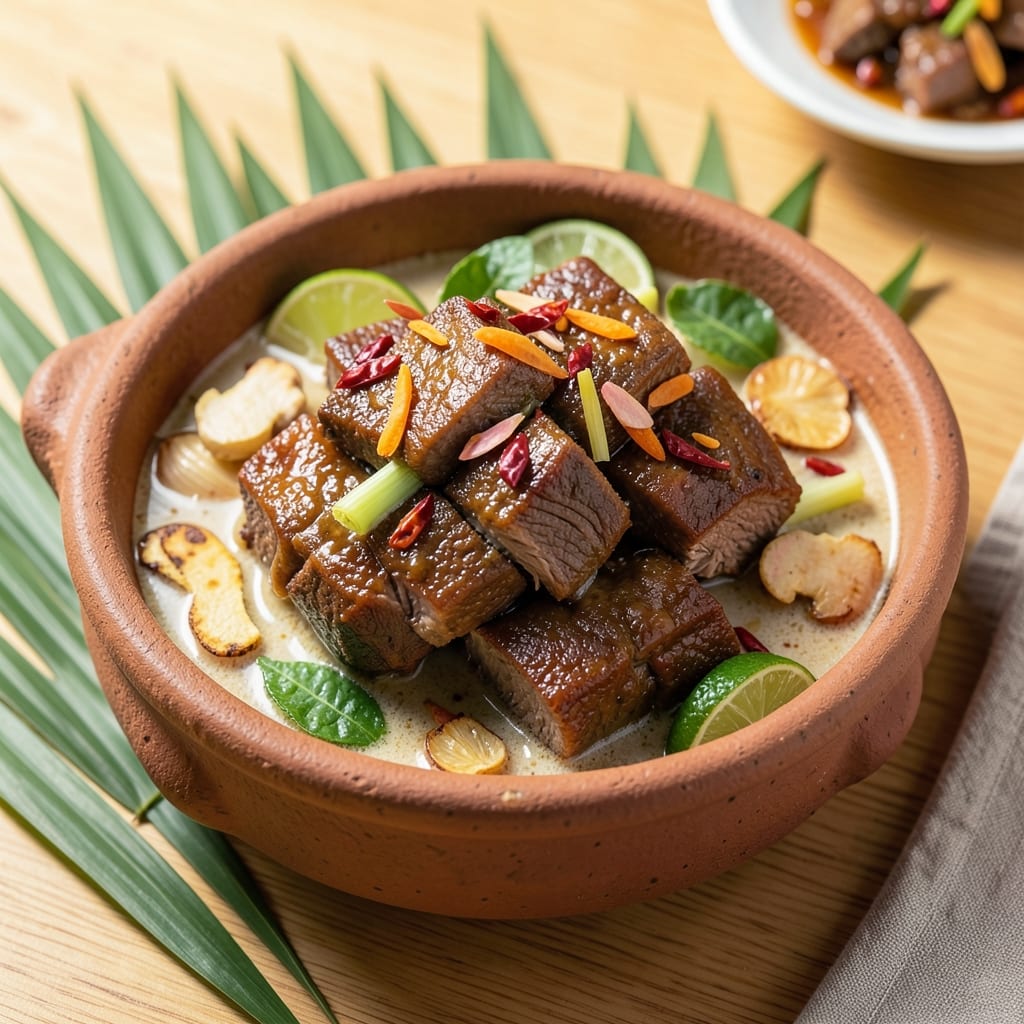
This authentic Malaysian beef rendang recipe delivers the rich, complex flavors that make it one of Southeast Asia's most beloved dishes. 🔥 The slow-cooked magic happens through layers of aromatic spices—cinnamon, lemongrass, galangal, and turmeric—that meld into the tender beef over hours, creating a dish that's deeply satisfying and unforgettable. What sets this version apart is the traditional technique of rendering the spices into coconut milk until thick and fragrant, resulting in a sauce that clings to every bite.
The key to authentic rendang lies in patience and preparation. You'll start with a marinade of lemongrass, garlic, and shallots that tenderizes the beef, then slow-cook it in coconut milk until the liquid reduces to a thick, caramelized glaze. This method transforms tough cuts into melt-in-your-mouth pieces, all while developing layers of spicy, sweet, and savory notes that define the dish. The process may take time, but the result is worth every moment.
By the time you're done, you'll have tender beef bathed in a glossy, aromatic sauce that's rich with coconut and spice. The flavors deepen as it cooks, creating a dish that's equally impressive served over steamed rice or ketupat (rice cakes). This rendang is the kind of meal that brings people together—whether for a family gathering or a special occasion. The aroma alone will have everyone anticipating dinner.
Perfect for feeding a crowd or meal prepping ahead, this recipe delivers restaurant-quality results at home. The slow-cooked method ensures the beef stays tender while the spices develop their full complexity. Once you taste the difference between this and other rendang recipes, you'll understand why it's considered a masterpiece of Malaysian cuisine. Let's get started on creating this flavorful dish.
Ingredients for authentic malaysian beef rendang
Rich coconut milk and aromatic spices create this deeply satisfying Malaysian masterpiece.
| Ingredient | Amount | Notes |
|---|---|---|
| Beef Chuck Roast 🥩 | 3 lb | Tough cut preferred for tenderness |
| Coconut Milk 🥥 | 2 cans | Full-fat, 13.5 oz each |
| Lemongrass Stalks 🌿 | 4 whole | Bruised and cut into 2-inch pieces |
| Galangal Root 🍃 | 1 piece | Substitute ginger if unavailable |
| Fresh Turmeric Root 🧅 | 1 piece | About 2 inches long |
| Fresh Ginger Root 🌿 | 1 ½ oz | Peeled and sliced |
| Garlic Cloves 🧄 | 8 cloves | Peeled and smashed |
| Shallots 🧅 | 6 whole | Peeled and quartered |
| Cinnamon Sticks 🌿 | 2 whole | 2-inch pieces |
| Star Anise Pods 🌶️ | 4 whole | Lightly crushed |
| Cardamom Pods 🌿 | 6 whole | Lightly crushed |
| Kaffir Lime Leaves 🍋 | 4 whole | Torn into strips |
| Red Chili Peppers 🌶️ | 2 whole | Bird's eye or Thai chili |
| Palm Sugar 🍯 | ½ cup | Substitute brown sugar |
| Coconut Cream 🥥 | 1 can | 13.5 oz can |
The beef cut is critical—chuck roast delivers the best texture, transforming into tender, caramelized pieces. Look for well-marbled cuts at Asian markets or specialty butchers, where you'll also find galangal and kaffir lime leaves (the latter can sometimes be found frozen in regular grocery stores). If galangal is unavailable, ginger works well as a substitute, though it won't replicate the exact flavor. For palm sugar, Whole Foods or Trader Joe's carry it, but brown sugar makes an acceptable replacement. The spices should be whole and aromatic—Penzeys or bulk bins at natural food stores are ideal sources for high-quality, fresh spices.
No galangal? Ginger at equal weight gets you close, though the flavor profile shifts slightly. Bird's eye chilies can be adjusted to taste—remove seeds for less heat. The coconut milk cans should be full-fat (the thicker, the better) for authentic richness. If you can't find coconut cream, use extra coconut milk and reduce longer. For a deeper flavor, toast the cinnamon sticks and cardamom pods lightly before adding. The lemongrass should be bruised (lightly pounded) to release its oils without breaking the stalks. If you're short on time, pre-minced lemongrass from Asian markets works, though fresh is always preferred.
This rendang develops its signature depth over time—plan for at least 3 hours of cooking. The sauce thickens as it cooks, so add a splash of water if it reduces too much. Store in airtight containers for up to 5 days in the fridge or 3 months in the freezer. The flavors actually improve with time, making it perfect for meal prep. Serve over jasmine rice or with ketupat (rice cakes) for an authentic presentation. For best results, reheat gently on low heat with a splash of water to restore moisture.
Why You'll Love This Recipe
- One-Pot Magic: I swear by this recipe—just sear the beef, toss in the spices, and let the coconut milk and lemongrass work their magic. No chopping, no fuss, and the slow simmer does all the heavy lifting while you sip tea.
- Deep, Complex Heat: That galangal and turmeric? They’re the secret weapons—earthy, slightly peppery, with just a hint of citrus from the lemongrass. The beef turns melt-in-your-mouth tender, but the sauce? It’s rich, sticky, and layers flavor like no other dish I’ve made.
- Leftovers That Shine: Honestly, I make this on Sundays because it begs to be reheated. The sauce gets even better the next day—thicker, more concentrated, and perfect for quick lunches or lazy dinners. (Yes, even on a Tuesday night.)
- Budget-Friendly Luxury: Beef chuck roast is affordable, and coconut milk stretches far with those aromatic roots and spices. You’re feeding a crowd for less than takeout, and the leftovers? They’re basically free meals. My wallet and my taste buds thank me.
Step-by-step instructions for authentic Malaysian beef rendang
Master the slow-cooking technique that transforms tough beef into tender, aromatic perfection.
🔥 Step 1: Prepare the Spice Paste for Maximum Flavor
In a food processor, combine the 4 whole Lemongrass Stalks (bruised), 1 piece Galangal Root, 1 piece Fresh Turmeric Root, 1.5 oz Fresh Ginger Root, 8 cloves Garlic Cloves, 6 whole Shallots, 2 whole Cinnamon Sticks, 4 whole Star Anise Pods, 6 whole Cardamom Pods, 4 whole Kaffir Lime Leaves, and 2 whole Red Chili Peppers. Process until you achieve a smooth, thick paste—this is the flavor foundation.
I like to pulse the ingredients in batches to ensure everything blends evenly. The paste should be thick enough to coat the back of a spoon but still spreadable. If it's too dry, add 1-2 tablespoons of the 2 cans Coconut Milk to help it bind. This aromatic paste carries the complex flavors that define authentic rendang.
🍳 Step 2: Sear the Beef Chuck Roast for Deep Color
Heat a heavy pot or Dutch oven over medium-high heat and add the 3 lb Beef Chuck Roast. Sear the beef on all sides until it develops a deep brown crust—this step is crucial for building flavor through the Maillard reaction. You'll need about 8-10 minutes, turning occasionally, until the exterior is richly colored.
Don't rush this step. The beef should release easily from the pot when it's properly seared. Once browned, remove the beef and set it aside. In the same pot, add the spice paste and cook for 5 minutes until it darkens slightly and becomes fragrant. This deepens the flavor profile before adding the coconut milk.
🥘 Step 3: Simmer in Coconut Milk for Rich Texture
Pour in the 2 cans Coconut Milk and scrape up any browned bits from the bottom of the pot. Return the beef to the pot, add 0.5 cup Palm Sugar, and bring the mixture to a gentle simmer. The liquid should just barely bubble at the edges—this slow cooking is essential for tenderizing the beef.
Partially cover the pot and simmer for 2 hours at a low boil. Stir occasionally to prevent sticking and ensure even cooking. The sauce should reduce slightly, becoming thicker and more concentrated. If the liquid level gets too low, add ½ cup water to maintain the proper consistency. This long simmering time allows the spices to meld and the beef to become fork-tender.
🔥 Step 4: Add Coconut Cream and Reduce for Intensified Flavor
After the initial 2 hours, stir in the 1 can Coconut Cream. This addition creates the characteristic rich, velvety texture of authentic rendang. Return the pot to a gentle simmer and continue cooking for another 1-2 hours, uncovered, until the sauce thickens significantly and the beef is fork-tender.
Here's where the magic happens: the sauce should coat the back of a spoon and have a glossy, slightly sticky consistency. If it's not thick enough, simmer uncovered for another 15-20 minutes, stirring occasionally. The beef should pull apart easily with a fork, and the sauce should cling to it beautifully. This final reduction step is what gives rendang its signature depth of flavor.
⏰ Step 5: Rest and Serve for Optimal Texture
Once the beef is tender and the sauce has reached the desired consistency, remove the pot from heat. Let the rendang rest for 15-20 minutes before serving. This resting period allows the juices to redistribute throughout the beef, ensuring each bite is moist and flavorful.
Serve the beef rendang hot, accompanied by steamed jasmine rice. The rich, aromatic sauce should coat every strand of rice, delivering layers of spicy, sweet, and savory flavors. For an authentic touch, garnish with fresh cilantro and serve with a side of sambal for those who enjoy extra heat. The result is a dish that captures the essence of Malaysian cuisine—slow-cooked, deeply spiced, and utterly satisfying.
Pro Tips For Making Authentic Malaysian Beef Rendang
- Char the Spices First: I learned this the hard way—skipping the quick char in a dry pan for your turmeric, galangal, and lemongrass turns your rendang into a mild, one-dimensional stew. Toss the sliced roots and bruised lemongrass in a hot pan for 2-3 minutes until fragrant and slightly darkened. This unlocks deeper, earthier flavors that cut through the richness of the coconut milk.
- Simmer Low and Slow: After burning three batches, I finally figured out that "low heat" isn’t just a suggestion—it’s non-negotiable. Once your beef and paste are simmering, drop the heat so it’s barely bubbling, or you’ll end up with a split sauce and rubbery meat. Cover the pot and let it cook for at least 3-4 hours, stirring occasionally to prevent sticking.
- Blend the Paste Smooth: My grandmother swore by this, and she was right: the texture of your paste makes all the difference. Use a high-powered blender or food processor, and pulse the paste in stages, scraping down the sides between batches. A silky, lump-free paste coats the beef evenly and emulsifies better with the coconut milk—no grainy surprises later.
- Reduce Coconut Milk Gradually: Sounds weird, but it works: don’t dump all the coconut milk in at once. Start with half, simmer until it’s thickened and clings to the beef, then add the rest. This builds layers of richness without turning your rendang into a thin, watery curry. (Yes, even if you’re impatient like me.)
Regional styles of this authentic malaysian beef rendang
West Sumatra Style
In its birthplace of West Sumatra, rendang is traditionally cooked over low flames in a clay pot (tempoyak) for 6-8 hours, allowing the spices to caramelize deeply. The Minangkabau people use palm oil instead of coconut milk for a richer, earthier flavor. I've adapted this by using 1 cup palm oil (or coconut oil) in the initial sear, then adding coconut milk later. The result is a darker, more complex sauce with a smoky depth that's unmistakably Sumatran. 🌿
Padang Regional Twist
Padang, the capital of West Sumatra, has its own rendang variations where dried shrimp paste (terasi) is added to the spice paste for umami richness. I recommend using 1 tablespoon terasi (or 1 teaspoon shrimp paste as a substitute) blended into the spice paste. This adds a briny depth that balances the sweetness of the palm sugar. The Padang version also often includes tamarind paste (½ cup) for a tangy contrast that brightens the dish. 🌶️
Modern Malaysian Adaptations
Contemporary Malaysian rendang often incorporates coconut cream in the final stages for extra richness, a technique I've included in this recipe. Modern versions also frequently use pre-ground spice blends for convenience, though I recommend fresh-ground spices for authentic flavor. Some chefs add a splash of tamarind juice (1 tbsp) during the final reduction to enhance acidity and complexity. For a fusion twist, you can finish with 1 tsp fish sauce to amplify umami. 💡
Indonesian vs Malaysian
While both countries share rendang, Indonesian versions often use more chili peppers (up to 4-5 bird's eye chilies) for extra heat, while Malaysian rendang tends to be slightly sweeter with more palm sugar (up to ¾ cup). In Indonesia, you'll find rendang served with ketupat (rice cakes) more frequently, while Malaysia pairs it primarily with jasmine rice. I've balanced both approaches in this recipe for versatility. 🗺️
Minangkabau Family Secrets
The Minangkabau people have a secret technique of parboiling the beef for 10 minutes before searing to ensure tenderness. I recommend adding this step if you're using particularly tough cuts. Another family tradition is to stir the rendang continuously during the final 30 minutes of cooking to create a glossy, caramelized sauce. This extra attention transforms the dish from good to exceptional. 💫
Modern Shortcut Versions
For busy cooks, pressure cooker rendang reduces cooking time to 90 minutes while maintaining depth. Use a 6-quart pressure cooker and follow the same steps but reduce the simmering time by 75%. Another shortcut is to pre-make the spice paste and freeze it for up to 3 months—just thaw and proceed with the recipe. For a quicker sauce, blend 1 tbsp store-bought rendang paste with the fresh spices. ⏰
Nutrition facts
Frequently asked questions
Why does authentic Malaysian beef rendang require such a long cooking time?
The slow cooking process (typically 3-4 hours) is essential for tenderizing tough beef cuts and developing deep, complex flavors. The spices gradually infuse into the meat while the coconut milk reduces into a rich, caramelized sauce. This method creates the signature texture and aroma that makes rendang so special—patience is key for that authentic taste!
Can I substitute galangal or kaffir lime leaves if I can't find them?
Yes! For galangal, use ginger at equal weight (though the flavor will differ slightly). For kaffir lime leaves, you can substitute 1 teaspoon lime zest plus 1 teaspoon lime juice per leaf. While not identical, these alternatives will still give you delicious results. Look for these ingredients at Asian markets or order them online for the most authentic experience.
How do I know when the beef is tender enough in rendang?
The beef should be fork-tender—meaning it should easily pull apart with minimal resistance. Test a small piece by inserting a fork; if it separates cleanly, it's ready. The sauce should also coat the back of a spoon and have a glossy, slightly sticky consistency. If the beef feels slightly tough, continue simmering uncovered for another 15-20 minutes.
What's the best way to reheat leftover rendang?
Gently reheat on low heat with a splash of water or coconut milk to restore moisture. Avoid high heat, which can make the sauce dry or the beef tough. For best results, cover the pot and heat slowly until warmed through. Leftover rendang actually tastes better the next day as the flavors continue to meld!
Can I make rendang in a slow cooker or Instant Pot?
For a slow cooker, follow the same steps but reduce cooking time to 6-8 hours on low. For an Instant Pot, cook on high pressure for 45 minutes, then natural release for 10 minutes before finishing with the coconut cream reduction. Both methods work well, though the stove-top version develops the deepest flavor over time.