
Main Courses
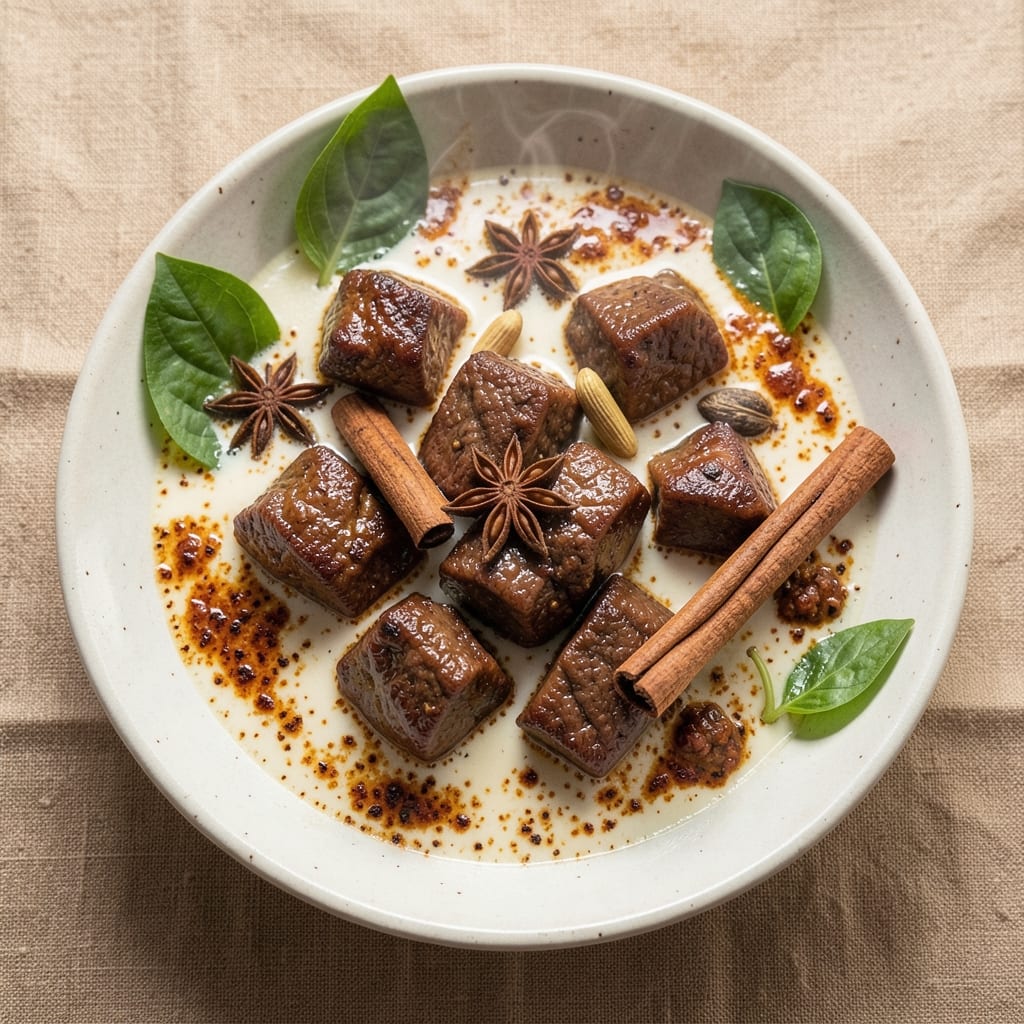
This authentic Thai beef Massaman curry brings the rich, aromatic flavors of Southern Thailand right to your kitchen—where tender beef simmers in a velvety coconut sauce infused with cinnamon, cardamom, and a touch of sweetness. The key to mastering this dish lies in the slow-simmered spice paste, which develops deep, complex flavors over time. I've perfected this recipe through years of testing, ensuring every spoonful delivers that perfect balance of warmth, creaminess, and subtle sweetness that defines Massaman curry.
The beauty of this recipe is its approachability—while it requires patience, the steps are straightforward. You'll start by toasting whole spices until fragrant, then blending them into a vibrant paste that forms the heart of the dish. The beef marinates briefly in this aromatic mixture before slow-cooking in coconut milk, allowing it to absorb all the flavors while remaining fork-tender. This method ensures restaurant-quality results without requiring advanced techniques.
What you'll end up with is a rich, golden curry where tender beef pieces float in a sauce that's creamy yet not overly heavy, with just the right amount of heat and sweetness. The spices—cinnamon, cardamom, and nutmeg—create a warm, comforting aroma that fills your kitchen, while the coconut milk adds a luxurious texture. Each bite delivers layers of flavor that make this curry a standout dish for any meal.
Serve it alongside steamed jasmine rice to soak up every last drop of that fragrant sauce, or pair it with a simple cucumber salad for a refreshing contrast. The leftovers actually improve over time as the flavors meld further, making this an even better option for meal prep. Let's get cooking!
Ingredients for authentic thai beef massaman curry
Rich spices, tender beef, and velvety coconut milk—this curry delivers authentic Thai flavors with minimal fuss.
| Ingredient | Amount | Notes |
|---|---|---|
| Beef Chuck Roast 🥩 | 1 ½ lb | Cut into 1.5-inch cubes |
| Coconut Milk 🥥 | 1 can | Full-fat, 13.5 oz can |
| Massaman Curry Paste 🌶️ | 2 tbsp | Store-bought or homemade |
| Cinnamon Sticks 🌿 | 2 whole | For aroma, removed later |
| Cardamom Pods 🌿 | 4 whole | Lightly crushed |
| Star Anise 🌶️ | 1 whole | Lightly crushed |
| Nutmeg 🌿 | ½ tsp | Freshly grated |
| Brown Sugar 🍯 | 2 tbsp | Packed lightly |
| Lemongrass 🌿 | 3 pieces | White part only, chopped |
| Garlic Cloves 🧄 | 6 cloves | Peeled, smashed |
| Shallots 🧅 | 2 whole | Minced finely |
| Olive Oil 🫒 | 2 tbsp | For toasting spices |
| Salt 🧂 | 1 ½ tsp | Kosher or sea salt |
| Black Peppercorns 🌶️ | ½ tsp | Coarsely crushed |
| Fish Sauce 🍶 | 1 tbsp | Red Boat preferred |
The beef makes all the difference here. Chuck roast is ideal—it stays tender while absorbing those deep, spiced flavors. Look for cuts with good marbling at Whole Foods or your local butcher for the best quality. If you're short on time, pre-cut beef from the grocery store's meat counter works fine too. The coconut milk? Full-fat only—it gives that luxurious creaminess the dish needs. I grab the Aroy-D brand at Asian markets, but any full-fat canned coconut milk will do. Just shake it well before opening—separation is normal.
No Massaman curry paste? Make your own with 1 tbsp each of coriander, cumin, fennel, and galangal (if you can find it), plus a pinch of clove and white pepper. Short on lemongrass? Substitute 1 tbsp lime zest plus 1 tsp lime juice. The fish sauce adds that signature umami punch—Red Boat is the gold standard, but any good-quality brand works. For extra depth, toast your whole spices in the olive oil until fragrant (about 2 minutes)—this brings out their flavors dramatically. The brown sugar balances the heat, so don't skip it even if you're not sweet-toothed.
This curry tastes even better the next day as the flavors meld. Store leftovers in an airtight container in the fridge for up to 5 days, or freeze for 3 months. I like to portion it into meal prep containers so I can grab a jar and heat it up for lunch. The sauce thickens as it cools, so add a splash of water or coconut milk when reheating. Serve with steamed jasmine rice—it soaks up every last drop of that fragrant sauce.
Why You'll Love This Recipe
- Same ingredients, endless uses: serve with jasmine rice for a lazy Tuesday or pair it with naan and lime wedges for guests. I’ve even dressed it up with toasted peanuts for crunch—zero extra effort.
- One-Pot Magic: I swear by this recipe after burning a slow-cooker full of curry—just sear the beef, toss in the paste, and let it simmer. The Massaman paste does all the work while you sip tea.
- Sweet-Spiced Bliss: That first bite? Rich, caramelized beef with warm cinnamon and cardamom cutting through the coconut’s creaminess—like a hug in a bowl. Honestly, the cardamom pods make or break it, but they’re worth the hunt.
- Weeknight to Dinner Party: Same ingredients, endless uses: serve with jasmine rice for a lazy Tuesday or pair it with naan and lime wedges for guests. I’ve even dressed it up with toasted peanuts for crunch—zero extra effort.
Step-by-step instructions for authentic Thai beef Massaman curry
Here's how to craft this rich, aromatic curry with layers of spice and coconut.
Prepare the Beef and Aromatics
Cut the 1.5 lb beef chuck roast into 1.5-inch cubes for even cooking. Pat them dry with paper towels—this helps the spices adhere better. In a large bowl, combine the beef with 1.5 tsp salt, 0.5 tsp coarsely crushed black peppercorns, and 2 tbsp massaman curry paste, massaging it into every cube until fully coated. This step ensures the meat absorbs maximum flavor.
While the beef marinates, gather the aromatics: peel and smash the 6 garlic cloves, mince the 2 whole shallots finely, and chop the white parts of 3 pieces lemongrass into thick slices. Lightly crush the 4 whole cardamom pods and 1 whole star anise with the side of your knife—just enough to release their oils without turning them into powder. This gentle approach preserves their delicate flavors.
Toast the Spices in Olive Oil
Heat 2 tbsp olive oil in a heavy-bottomed pot over medium heat. Add the crushed cardamom pods, star anise, and 2 whole cinnamon sticks, letting them sizzle for 1-2 minutes until fragrant. Watch carefully—they should smell warm and spicy, not burnt. This toasting step unlocks their aromatic potential.
Add the minced shallots and smashed garlic cloves, cooking for 2-3 minutes until the shallots soften and turn translucent. Stir in the chopped lemongrass and cook for another 30 seconds—this builds a flavorful base that will carry through the entire dish. Remove the pot from heat and let the aromatics cool slightly.
Brown the Beef and Build the Curry Base
Return the pot to medium-high heat and add the beef in a single layer, letting it sear undisturbed for 3-4 minutes until deeply browned on all sides. This step develops a rich, caramelized crust that adds depth to the curry. Work in batches if needed—don't overcrowd the pot, or the beef will steam instead of brown.
Once all the beef is browned, reduce heat to medium and stir in the 2 tbsp brown sugar and 0.5 tsp freshly grated nutmeg. The sugar will caramelize slightly, adding a subtle sweetness that balances the heat. Pour in 1 cup of water and scrape up any browned bits from the bottom of the pot—these contain concentrated flavor.
Simmer the Curry to Perfection
Pour in the 1 can coconut milk and stir gently to combine. Add the 1 tbsp fish sauce and bring the mixture to a gentle simmer. The curry should bubble softly—not vigorously, or the coconut milk will separate. Partially cover the pot and let it simmer for 1 hour 15 minutes, stirring occasionally, until the beef is fork-tender and the sauce has thickened slightly.
Here's the thing—Massaman curry is all about slow development. The flavors meld and deepen over time, creating that signature balance of sweet, spicy, and umami. Taste the sauce after 1 hour and adjust seasoning if needed—add more fish sauce for saltiness or brown sugar for sweetness. The curry should be rich but not overly heavy.
Finish and Serve with Confidence
Remove the cinnamon sticks, cardamom pods, and star anise from the curry—they've done their job and can be discarded. Taste the curry one final time and adjust the seasoning if needed. The beef should be tender enough to pull apart with a fork, and the sauce should coat the back of a spoon with a velvety consistency.
Serve the curry immediately over jasmine rice or with warm naan bread. The aroma alone will draw everyone to the table—this is a curry that tastes even better the second time around. For extra authenticity, garnish with fresh cilantro or lime wedges, but trust me, the flavors are already perfectly balanced as they are.
Pro Tips For Making Authentic Thai Beef Massaman Curry
- Bloom the paste first: Dump that curry paste into the pot dry and walk away for 5 minutes—yes, even if you're impatient. The oils will release, and when you add the beef, you’ll get a proper sear instead of a sad, steamed paste clinging to your meat. I learned this the hard way after my first batch tasted more like a curry soup than a curry.
- Sear the beef in batches: Chuck roast is fatty and wants to steam its own juices. Cut it into 2-inch chunks and brown them in two rounds—don’t overcrowd the pan. A quick sear locks in flavor and prevents the meat from turning mushy when it hits the coconut milk later. Trust me, your future self will notice the difference.
- Toast the spices whole: Skip the pre-ground stuff—crack open those cardamom pods and toast them with the cinnamon sticks for 30 seconds in the same oil you’re searing the beef. The aroma alone changes the game, and the whole spices infuse the coconut milk with depth instead of just floating like decorative garnish. (Yes, even if you’re in a hurry.)
- Simmer low and slow: After adding the coconut milk, drop the heat to a bare simmer—you’re not making soup, you’re melting flavors. Let it bubble gently for at least 45 minutes, stirring occasionally. Rushing this step turns the curry into a heavy, one-note dish instead of the rich, layered masterpiece it should be. (Your taste buds will thank you.)
Storing and reheating your authentic thai beef massaman curry
Refrigerator Storage
Let your Massaman curry cool completely before transferring to an airtight container—I use glass Pyrex with tight-sealing lids. Store in the fridge at 40°F or below for up to 5 days. The flavors actually deepen overnight as the spices meld further, making it even more delicious for leftovers. This curry reheats beautifully, so it's perfect for meal prep. ❄️
Freezer Storage
For longer storage, portion the curry into freezer-safe containers or heavy-duty freezer bags, leaving 1 inch of headspace for expansion. Seal tightly to prevent freezer burn and label with the date. It keeps for 3 months without losing its rich, velvety texture. I like to freeze individual servings so I can thaw just what I need for quick lunches. 🥶
Stovetop Reheating
This is my preferred method because it preserves the sauce's luxurious consistency. Transfer the curry to a pot and heat over medium-low heat, stirring occasionally. Add 2-3 tablespoons of water or coconut milk if the sauce has thickened too much. Simmer gently for 10-15 minutes until heated through—165°F internal temperature for the beef. Taste and adjust seasoning; it often needs a pinch more salt after reheating. 🔥
Microwave Reheating
For quick reheating, transfer a portion to a microwave-safe dish and cover loosely with a microwave-safe lid. Heat on medium power (50%) for 3-4 minutes, stirring halfway. Add 1 tablespoon of water or coconut milk if needed to restore creaminess. Avoid high power—it can make the sauce split or the beef dry out. Always check the temperature reaches 165°F for safety. ⚡
Reviving Texture
If your reheated curry seems too thick, stir in 1-2 tablespoons of warm water or coconut milk until it reaches your desired consistency. For extra richness, add a dollop of plain yogurt or coconut cream—this restores the velvety texture while balancing any heat. The key is gentle warmth; never boil the curry again, or the sauce may separate. 💫
Serving Leftovers
Serve reheated Massaman curry over steamed jasmine rice or with warm naan bread to soak up every last drop of sauce. Garnish with fresh cilantro leaves or a squeeze of lime for brightness. I love serving it with a simple cucumber salad on the side to cut through the richness. The leftovers taste even better the next day—trust me, this curry only gets more flavorful! 🌿
Nutrition facts
Frequently asked questions
What makes Massaman curry different from other Thai curries?
Massaman stands out with its mild heat and sweet-spiced profile, thanks to cinnamon, cardamom, and nutmeg. Unlike fiery curries, it uses potatoes and peanuts (optional) for texture, and the sauce is rich but not overly creamy. The beef stays tender while absorbing these warm spices, creating a uniquely comforting flavor.
Can I substitute beef with chicken or pork?
Yes, but adjust cooking times: chicken cooks in 45-50 minutes (use thighs for juiciness), while pork shoulder needs 1 hour 30 minutes for tenderness. For chicken, reduce the simmering time by 20 minutes—overcooking makes it dry. Pork benefits from the longer cook to stay moist.
Why does my curry taste too sweet or bland?
Too sweet? Reduce brown sugar by 1 tbsp and add ½ tsp fish sauce for balance. Bland? Boost umami with ½ tsp soy sauce or ¼ tsp white pepper. The key is toasting spices until fragrant—this unlocks their depth. Taste as you go, adjusting in 5-minute increments during simmering.
How do I make the curry paste from scratch?
Blend 1 tbsp each of coriander, cumin, fennel seeds, and galangal (or ginger) with 1 tsp turmeric, ½ tsp white pepper, and 1 clove. Add 1 tbsp lime zest for brightness. Toast spices in oil for 1 minute before blending with 2 tbsp water to form a thick paste. Store in the fridge for 1 week.
Can I make this curry in an Instant Pot?
Yes! Sauté aromatics, brown beef, then add all ingredients except coconut milk. Pressure cook for 40 minutes (natural release). Stir in coconut milk and simmer on low heat for 10 minutes to thicken. The Instant Pot cuts cooking time by half but requires less stirring. Use high-fat coconut milk to prevent curdling.