
Main Courses
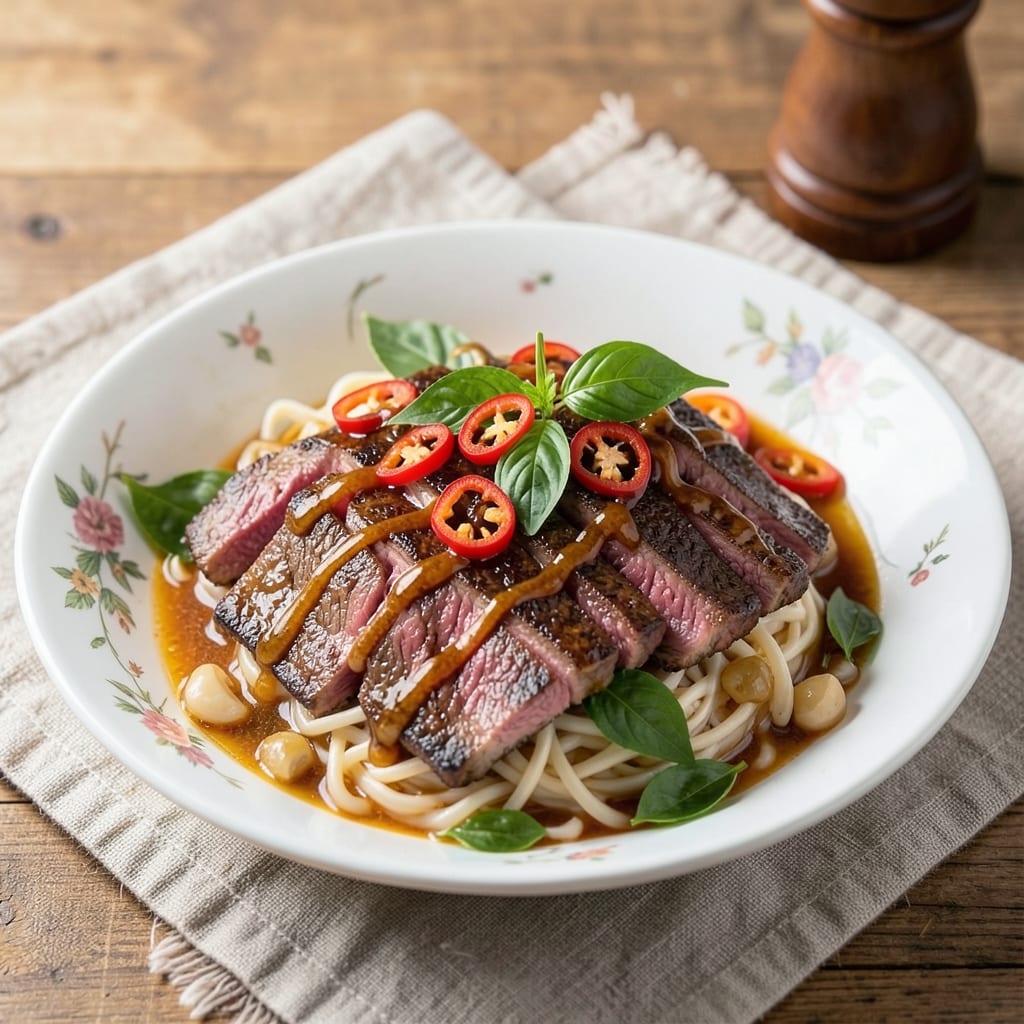
This authentic Thai beef recipe delivers the smoky, spicy, and aromatic experience of a Bangkok street stall—right in your kitchen. The secret lies in a perfect balance of Thai basil, fish sauce, and palm sugar, creating wok-hei crispy bites that sizzle with every bite. I’ve perfected this technique after years of testing, ensuring the beef stays tender while developing a caramelized crust that’s impossible to resist.
The recipe begins with thinly sliced beef marinated in a fragrant paste of garlic, shallots, and lemongrass, then quickly seared in a screaming-hot wok. The sauce—rich with tamarind, chili, and coconut milk—simmers just enough to coat the beef without overwhelming its natural flavor. Fresh Thai basil and cilantro are added at the end to preserve their bright, herbal notes, while toasted sesame seeds add a nutty crunch.
What you’ll end up with is a dish that’s authentic yet approachable, with layers of heat, sweetness, and umami that dance on your palate. The beef remains tender and juicy, while the sauce clings perfectly, creating a restaurant-quality meal that’s ready in under 30 minutes. Serve it over steamed jasmine rice to soak up every last drop of that fragrant, sticky sauce.
This recipe is designed to be adaptable—swap in ground beef for a quicker version or adjust the spice level to suit your taste. The key is confidence in the wok technique, which transforms simple ingredients into something truly special. Let’s bring the flavors of Thailand to your table.
Ingredients for authentic thai beef
Thai market flavors meet wok-hei technique in this authentic beef dish.
| Ingredient | Amount | Notes |
|---|---|---|
| Flank Steak 🥩 | 1 ½ lb | Thinly sliced against grain |
| Thai Basil Leaves 🌿 | ½ cup | Packed, stems removed |
| Cilantro Leaves 🌿 | ¼ cup | Chopped, for garnish |
| Garlic Cloves 🧄 | 6 cloves | Minced, fresh preferred |
| Shallots 🧅 | 4 whole | Minced, 2 tbsp total |
| Lemongrass 🌿 | 3 inches | Lower stems only, bruised |
| Fish Sauce 🍶 | 2 tbsp | Red Boat preferred |
| Palm Sugar 🍯 | 2 tbsp | Or sub brown sugar |
| Tamarind Paste 🍈 | 1 ½ tbsp | Or sub lime juice |
| Bird's Eye Chilies 🌶️ | 3 whole | Seeds removed, chopped |
| Coconut Milk 🥥 | ½ cup | Full-fat, unsweetened |
| Vegetable Oil 🫒 | ½ cup | High smoke point |
| Toasted Sesame Seeds 🥜 | 1 tbsp | For garnish |
| Salt 🧂 | 1 ½ tsp | Kosher or sea salt |
| Black Pepper 🌶️ | ½ tsp | Freshly ground |
The beef is everything here—flank steak slices beautifully against the grain. Look for Red Boat fish sauce at Asian markets or the international aisle for that authentic umami punch. Thai basil should be bright green and fragrant; skip the regular basil. For lemongrass, grab the lower stems only—they're more tender. CostcoH Mart carry good quality, or grow your own if you're ambitious. The palm sugar can be swapped for brown sugar in a pinch, but it adds that authentic caramel depth.
No Thai basil? Regular basil plus a pinch of anise seeds gets you close. Short on fish sauce? Soy sauce plus a splash of lime juice works, though it won't be identical. The bird's eye chilies are non-negotiable for authentic heat—sub red pepper flakes at half the amount if needed. For the coconut milk, full-fat is essential—light versions won't give the same richness. The tamarind paste can be tricky to find; Trader Joe's carries it, or use lime juice plus a pinch of sugar if you're in a bind. Toast your sesame seeds in a dry pan for 2 minutes—they'll add that nutty crunch.
Marinate the beef for at least 30 minutes (overnight is better). Store fish sauce in the fridge once opened—it keeps for years. The lemongrass stems can be frozen for up to 3 months if you're prepping ahead. This dish reheats beautifully—just warm through in a wok or skillet. The flavors meld even better the next day, making it perfect for leftovers.
Why You'll Love This Recipe
- No Fuss, Big Payoff: The flank steak slices itself—just quick sear, then a splash of fish sauce and lime. No fancy knife work, no waiting around. That’s 20 minutes of your life you’ll get back.
- Herb-Packed Punch: Between the Thai basil’s peppery kick and cilantro’s fresh bite, every bite feels like a little vacation. Honestly, the garlic and shallots caramelize into something dangerously addictive—like a hug in sauce form.
- Double-Duty Dish: Use it for weeknight dinners or pack it in rice paper rolls for a weekend spread. My kids ask for it at lunch; my partner sneaks leftovers for breakfast. It’s the kind of meal that works everywhere.
- Budget Flex: Flank steak stretches far, and the aromatics add depth without cost. Between us, this is my go-to when I’m pinching pennies but still want restaurant-quality flavor. (Yes, even on a Tuesday night.)
Step-by-step instructions for authentic Thai beef with fragrant basil
Here's the professional method to achieve that signature wok-hei crispiness and aromatic balance.
Prepare the Flank Steak for Maximum Tenderness
Begin by slicing the 1.5 lb flank steak thinly against the grain into ¼-inch thick strips. This is crucial—thin slices ensure quick cooking and maximum tenderness. Pat each strip dry with paper towels to remove any surface moisture, which helps create that signature crispy exterior.
In a small bowl, combine 1.5 tsp salt, 0.5 tsp black pepper, and 2 tbsp fish sauce. Toss the steak strips in this marinade until evenly coated. Let them sit at room temperature for 15-20 minutes while you prepare the remaining ingredients. This brief marinade enhances flavor without overpowering the natural beef taste.
Build the Aromatic Thai Sauce Base
Heat 0.5 cup vegetable oil in a wok or large skillet over medium-high heat until shimmering. Add the 4 whole shallots (minced to 2 tbsp total) and 6 cloves garlic (minced), cooking for 1-2 minutes until the garlic becomes fragrant but doesn't brown. Immediately add the 3 inches lemongrass (bruised lower stems) and 3 whole bird's eye chilies (seeds removed, chopped) to prevent burning.
Cook for another 30 seconds, then stir in 2 tbsp palm sugar and 1.5 tbsp tamarind paste. Let the mixture bubble gently for 1 minute until the sugar begins to caramelize slightly. This creates the foundational sweet-sour balance that defines authentic Thai flavors. Watch carefully—the sugar can burn quickly at this stage.
Cook the Steak to Perfect Wok-Hei Crispiness
Working in batches if needed, add the marinated steak strips to the wok in a single layer. Cook undisturbed for 1-2 minutes until the edges develop a deep golden-brown crust. This is where you achieve that coveted wok-hei—don't stir too soon or you'll lose the crispy texture. Once the edges are browned, stir gently to cook the remaining strips, then remove from the wok and set aside.
The steak should be cooked to 145°F internally—it will continue carrying over heat. If your steak is thicker than ¼-inch, you may need 30-45 seconds per side total. The goal is tender yet slightly firm beef with crispy edges that shatter when bitten into.
Finish with Coconut Milk and Fresh Herbs
Reduce the heat to medium-low and pour in the 0.5 cup coconut milk. Stir gently to combine with the sauce base, letting it simmer for 2-3 minutes until slightly thickened. The coconut milk should coat the back of a spoon but remain pourable. If it thickens too quickly, add 1-2 tablespoons of water to maintain the right consistency.
Return the steak to the wok and toss gently to coat in the sauce. Stir in the 0.5 cup packed Thai basil leaves and 0.25 cup chopped cilantro leaves, folding them in just until wilted. Remove from heat immediately—the basil should remain vibrant with just a hint of wilting, not completely mushy. This preserves the herb's bright, aromatic qualities.
Garnish and Serve with Confidence
Transfer the steak to a serving platter and sprinkle generously with 1 tbsp toasted sesame seeds. The seeds add a nutty crunch that contrasts beautifully with the tender beef and fragrant herbs. Serve immediately over steamed jasmine rice or rice noodles to capture that perfect wok-hei texture.
Each bite should deliver crispy edges, tender beef, and layers of aromatic basil and lemongrass. The sauce should cling to the meat with a perfect balance of sweet, sour, salty, and spicy flavors. For maximum authenticity, serve with a side of quick-pickled vegetables to cut through the richness.
Pro Tips For Making Authentic Thai Beef
- Slice Against the Grain: Flank steak’s grain runs long—cutting perpendicular to it turns tough chews into tender bites. Use a sharp knife and slice only after resting the meat (yes, even if you’re impatient like me), or you’ll end up with rubbery strips.
- Char the Aromatics Hard: Thai food’s depth comes from crispy, blackened shallots and garlic. Cook them in the same oil as the beef until they’re actually dark—almost bitter—before adding anything else. I used to rush this, and the dish never had that smoky backbone.
- Don’t Overcrowd the Pan: If you dump all the beef in at once, it’ll steam instead of sear. Work in batches—2-3 minutes per side max—so the meat gets that caramelized crust. Overcrowding also means soggy basil later, and nobody wants sad wilted leaves.
- Use Fresh Thai Basil: That dried stuff in jars? Forget it. Thai basil’s anise-like kick is non-negotiable here. Buy it from an Asian market if you can—look for bright purple stems and leaves that smell like licorice. If you must sub, mix in 10% regular basil, but expect a milder result.
Dietary considerations for this recipe
Vegetarian Adaptations
Swap the beef for extra-firm tofu pressed for 30 minutes to remove excess water, then sliced into ¼-inch strips. Marinate the tofu in the same fish sauce, salt, and pepper mixture for 20 minutes before cooking. For added texture, toss the tofu with 1 tbsp cornstarch before searing in the wok. 🌱
Another great option is mushrooms—use 8 oz shiitake or oyster mushrooms sliced thinly. Sauté them first in the wok until they release their moisture, then proceed with the recipe. The umami from mushrooms mimics beef beautifully, especially when paired with 1 tbsp soy sauce in the marinade.
Gluten-Free Considerations
This recipe is naturally gluten-free, but always double-check your fish sauce label—some brands contain wheat. Red Boat fish sauce is certified gluten-free, making it a safe choice. For extra precaution, use coconut aminos instead of fish sauce, though it will slightly alter the flavor profile.
When toasting sesame seeds, ensure they’re 100% pure sesame without additives. Brands like Anthony’s Goodness offer certified gluten-free options. Also, verify that your palm sugar and tamarind paste are gluten-free, as some brands may process them in shared facilities.
Spice Level Adjustments
For milder heat, reduce the bird's eye chilies to 1-2 (seeds removed) or substitute with ½ tsp red pepper flakes. If you prefer extra spice, add 1 tbsp chili garlic sauce after cooking or serve with sriracha on the side. The Thai basil will help balance the heat with its sweet, anise-like notes. 🌶️
For a smoky kick, add ½ tsp smoked paprika to the marinade or sprinkle toasted cumin seeds over the finished dish. Both complement the Thai flavors without overpowering them. Always taste as you go—authentic Thai dishes are all about balance!
Dairy-Free & Allergen-Friendly
This recipe is already dairy-free, but if you're sensitive to coconut, substitute the coconut milk with ½ cup light cream or cashew cream (blend ½ cup soaked cashews with ½ cup water). The dish will still be rich but with a different texture. For nut-free options, stick with coconut milk or use ½ cup full-fat Greek yogurt for tanginess.
If you have sesame allergies, skip the toasted sesame seeds and garnish with crushed peanuts (toasted in the same dry pan) or toasted pumpkin seeds for crunch. Both add a satisfying texture without the allergen risk. Always check labels on all ingredients, especially store-bought sauces and pastes.
Nutrition facts
Frequently asked questions
What type of beef works best for this recipe?
For authentic texture, use flank steak or sirloin—both slice thinly against the grain for maximum tenderness. Avoid tougher cuts like chuck, which won't develop that signature crispy wok-hei. If you prefer ground beef, use 80/20 lean-to-fat ratio for juiciness, but expect a different texture.
Can I make this dish in advance?
Yes! Cook the beef and sauce as directed, then refrigerate for up to 2 days. Reheat gently in a skillet over low heat with a splash of water to restore moisture. The flavors actually improve overnight as the aromatics meld. Just add fresh Thai basil and sesame seeds before serving.
What's the secret to getting crispy edges?
Three keys: hot wok, thin slices, and minimal stirring. Heat your wok until it smokes slightly, pat beef strips completely dry, and cook in a single layer without moving them for the first 1-2 minutes. The high heat creates that coveted wok-hei crispiness.
How do I adjust the spice level?
For milder heat, reduce bird's eye chilies to 1-2 (seeds removed) or swap for ½ tsp red pepper flakes. For extra fire, add 1 tbsp chili garlic sauce at the end or serve with sriracha on the side. The Thai basil naturally balances spice with its sweet, anise-like notes.
What's the best way to store leftover sauce?
Strain out any solids and store the sauce in an airtight container in the fridge for up to 5 days. It thickens when cold—just stir in 1-2 tbsp water when reheating. For freezing, portion into ice cube trays and transfer to a bag. Thaw overnight in the fridge before using.