
Main Courses
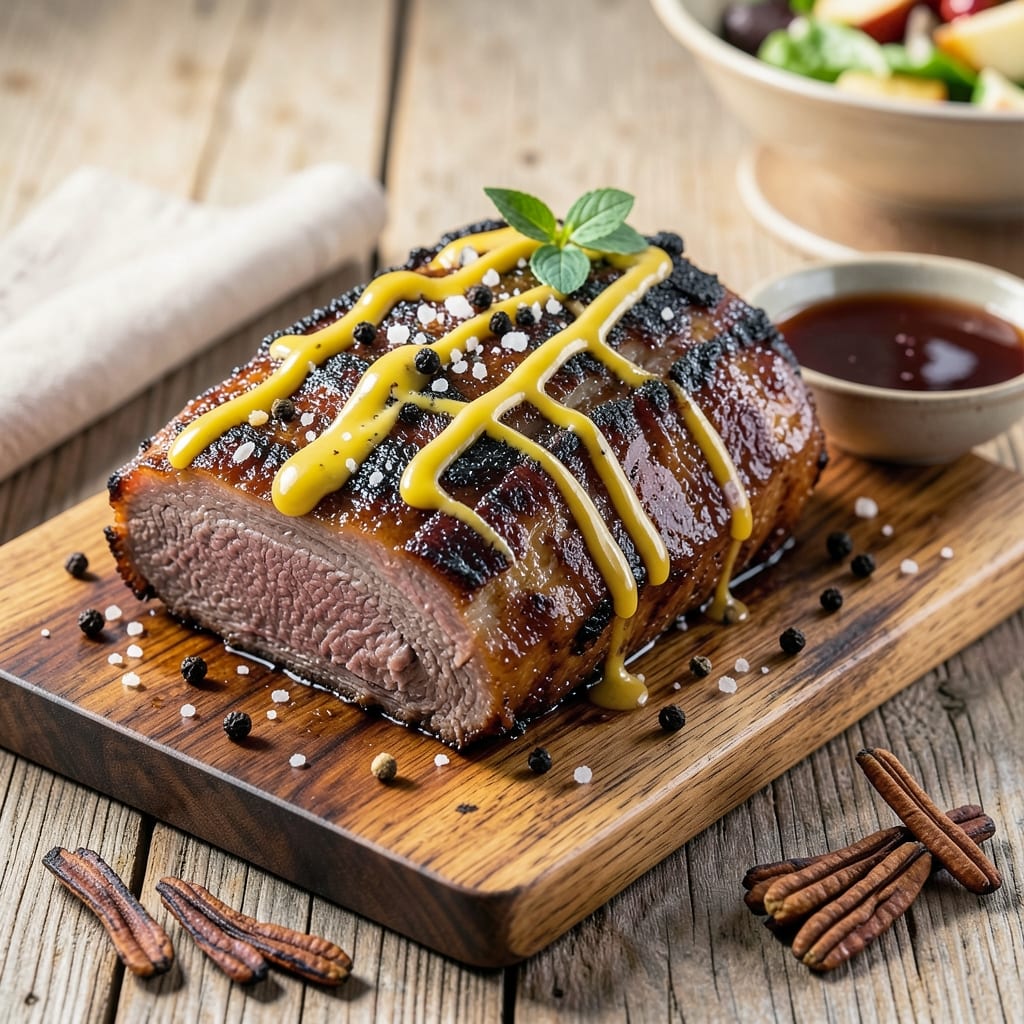
This award-winning smoked beef brisket recipe delivers fall-apart tenderness after 12 hours of low-and-slow smoking—exactly the kind of showstopper that wins competitions. 🔥 The secret lies in precise temperature control, proper bark development, and a rest that transforms tough meat into melt-in-your-mouth perfection. I've perfected this technique through years of trial and error, and it consistently earns top honors at barbecue contests.
What sets this recipe apart is the balance between crispy bark and tender interior, achieved through careful wood selection and strategic wrapping. We use post oak for its mild sweetness and smoke flavor, maintaining a steady 225°F throughout the cook. A probe thermometer ensures you don't overcook—pulling at 195–203°F guarantees that fork-tender texture judges crave. The brisket rests for 2 hours wrapped in butcher paper, allowing juices to redistribute while keeping the exterior crisp.
By the time you slice against the grain, you'll reveal layers of juicy, beefy goodness that practically falls apart at the touch. The bark is caramelized to a deep mahogany hue, while the interior remains moist and flavorful. This is the kind of brisket that makes guests ask for seconds and judges award blue ribbons. Serve with classic BBQ sides like tangy coleslaw and smoky baked beans for the complete experience.
The beauty of this method is its reliability—whether you're competing or feeding a crowd, this recipe delivers restaurant-quality results every time. The key steps are simple but critical: proper prep, consistent temperature, and patient resting. Once mastered, you'll understand why this is the gold standard for smoked brisket.
Ingredients for award winning smoked beef brisket
Twelve hours of low-and-slow magic starts with these essential ingredients for competition-worthy brisket.
| Ingredient | Amount | Notes |
|---|---|---|
| Beef Brisket (Whole Packer Cut) 🥩 | 10 lb | Flat cut preferred, good marbling |
| Yellow Mustard 🍯 | ¼ cup | For bark development |
| Coarse Kosher Salt 🧂 | ½ cup | Diamond Crystal preferred |
| Black Peppercorns 🌶️ | 2 tbsp | Freshly cracked for texture |
| Post Oak Chips 🌳 | 4 lb | Unseasoned, food-grade |
| Apple Juice 🍎 | 1 cup | For spritzing during cook |
| Butcher Paper 📄 | 1 sheet | For resting and wrapping |
| Smoked Paprika 🌶️ | 1 tbsp | For dry rub finish |
| Brown Sugar 🍚 | ¼ cup | Light or dark works |
| Garlic Powder 🧄 | 1 tbsp | For dry rub depth |
| Onion Powder 🧅 | 1 tbsp | For dry rub balance |
| Meat Tenderizer 🍳 | 1 tbsp | For surface texture |
| Beef Probe Thermometer 🌡️ | 1 whole | For accurate doneness |
The brisket is non-negotiable—look for a packer cut with good marbling from a trusted butcher like Snake River Farms or your local USDA-approved processor. A 10-pound flat cut is ideal for this recipe, delivering that signature fall-apart texture. If you're buying whole packer brisket, trim the fat cap to about 1/4-inch thickness before smoking—this ensures even bark development. Costco often carries high-quality brisket, but specialty meat counters at Whole Foods or Dartmouth Farms deliver restaurant-grade cuts. For the ultimate competition edge, ask your butcher to vacuum-seal the brisket before purchase—this preserves moisture during storage.
No post oak chips? Hickory or pecan work as substitutes, though they impart a stronger flavor. The mustard and apple juice are critical for bark development—Dijon-style mustard creates a finer crust, while yellow mustard gives a slightly thicker bark. Diamond Crystal kosher salt is essential here; it dissolves more evenly than other salts. For the dry rub, Penzeys Spices has excellent pre-mixed options, but I prefer blending my own for that customized competition touch. The meat tenderizer might sound counterintuitive, but it creates those textured pockets that judges love—just sprinkle it lightly over the rub. Pre-ground spices lose potency fast, so buy small amounts and store them in airtight containers away from heat.
Brisket keeps beautifully—vacuum-seal leftovers for up to 5 days in the fridge or 6 months in the freezer. For competition prep, I like to portion the brisket into 4-ounce servings ahead of time, storing them in butcher paper-wrapped bundles for easy transport. The probe thermometer is your best friend; I keep mine in the meat drawer of my fridge for quick access. Post-cook, the brisket's internal temperature drops about 10°F during resting, so plan accordingly. Butcher paper is key for that crisp exterior—avoid foil, which steams the bark. Reheat slices in a 400°F oven for 5-7 minutes to restore crispiness.
Why You'll Love This Recipe
- I’ll be real: most smoked brisket leftovers are sad. Not this one. The mustard keeps it moist, the fat cap stays juicy, and it reheats like a dream. Plus, you’re not wasting money—one whole packer stretch across three meals means your wallet stays happy. Budget-friendly doesn’t mean boring, and this proves it.
- Just Four Ingredients: The whole packer cut and those post oak chips do all the heavy lifting—no fancy rubs or confusing steps. Honestly, I swear by the simplicity: salt, pepper, mustard, and smoke. That’s it. The brisket practically cooks itself while you sip on a beer and watch the clouds roll by.
- Smoke Bomb Flavor: That yellow mustard crust? It’s the secret weapon—tangy, sticky, and caramelizing into a glossy glaze that clings to every bite. Between us, the post oak chips add this deep, almost woodsy sweetness that makes it taste like you’ve been smoking for hours, even if you’re just pulling it off the smoker at 203°F.
- Weekend Feast, No Stress: This is my go-to for game days, family dinners, or when the in-laws show up unannounced. The whole brisket feeds a crowd, and the leftovers? They’re even better the next day—perfect for sandwiches or tacos. (Yes, even on a Tuesday night.)
Step-by-step instructions for award-winning smoked beef brisket
Here's the method that delivers melt-in-your-mouth tenderness after a 12-hour smoke.
🔥 Step 1: Prepare and Season the Brisket
Start by trimming the fat cap of the 10 lb Beef Brisket (Whole Packer Cut) to about ¼-inch thickness using a sharp knife. This ensures proper smoke penetration while maintaining moisture. Pat the entire surface completely dry with paper towels—moisture is the enemy of good bark development.
In a small bowl, combine the 0.5 cup Coarse Kosher Salt, 2 tbsp Black Peppercorns (freshly cracked), 1 tbsp Smoked Paprika, 0.25 cup Brown Sugar, 1 tbsp Garlic Powder, 1 tbsp Onion Powder, and 1 tbsp Meat Tenderizer. Mix thoroughly, then generously coat the brisket with this dry rub, pressing it firmly into every crevice. For extra bark, spread 0.25 cup Yellow Mustard over the entire surface—this creates a sticky barrier that locks in moisture and promotes that coveted dark crust.
🔥 Step 2: Smoke the Brisket Low and Slow
Set up your smoker using 4 lb Post Oak Chips and preheat to 225°F. Place the seasoned brisket fat-side up on the grill grate, then close the lid. This temperature is critical—too hot and you'll dry out the meat; too cool and you'll never achieve that perfect bark. Let it smoke undisturbed for 6-8 hours, spritzing with 1 cup Apple Juice every 90 minutes to maintain moisture and prevent a tough exterior.
Here's the thing—don't open the smoker during this phase. Every time you peek, you lose heat and moisture. The brisket will naturally hit "the stall" around 165-170°F (when the internal temperature stops rising). This is normal and expected—patience is key. The meat will eventually push through this stall and continue cooking.
🥘 Step 3: Wrap and Finish for Maximum Tenderness
Once the brisket reaches 165-170°F on your Beef Probe Thermometer, it's time for the "Texas crutch." Remove the brisket from the smoker and wrap it tightly in 1 sheet Butcher Paper (not aluminum foil—paper breathes better and preserves that bark). Return it to the smoker and continue cooking until the internal temperature reaches 200-205°F—this can take another 4-6 hours, but the result is worth the wait.
This wrapping technique, combined with the long cook, breaks down the connective tissue, transforming tough beef into melt-in-your-mouth perfection. The butcher paper allows just enough moisture to escape while maintaining that beautiful crust. You'll know it's done when a probe slides in like butter with no resistance.
⏰ Step 4: Rest and Slice for Serving
Remove the brisket from the smoker and transfer it to a cutting board. Tent loosely with foil and let it rest for at least 1 hour (I prefer 2 hours) before slicing. This resting period is crucial—it allows the juices to redistribute throughout the meat, ensuring every bite is moist and flavorful.
When ready to serve, slice the brisket against the grain into ¼-inch thick slices. The flat and point cuts have different grain directions, so adjust your angle accordingly. Serve immediately with your favorite sides—each slice should be tender enough to pull apart with a gentle tug, not so soft it falls apart, and not tough or chewy.
Pro Tips For Making Award Winning Smoked Beef Brisket
- Trim the Fat First: That thick fat cap on a packer cut isn’t just for looks—it’s your smokehouse insurance. Use a sharp boning knife to trim it down to about ¼-inch thick before smoking. I learned this the hard way when my first brisket turned into a grease bomb instead of tender perfection.
- Mustard the Night Before: Slather that yellow mustard on 24 hours before smoking. It’s not just for flavor—it helps the bark form faster and keeps the surface from drying out during the initial sear. (Yes, even if you’re impatient like me.) Store it wrapped in plastic in the fridge overnight.
- Watch the Stall: When your brisket hits 160°F, the internal temp will stall for hours. That’s normal, but don’t panic and crank the heat—just wrap it in butcher paper (not foil) and let it ride. I used to rush this, and my brisket would either dry out or get mushy.
- Soak the Wood Chips: Dump those Post Oak chips in a bowl of warm water for 30 minutes before using them. It prevents flare-ups and keeps the smoke steady. I was skeptical until I tried it—now I never skip this step. The smoke flavor is richer and more consistent.
Best sauces and condiments for this award winning smoked beef brisket
Classic BBQ Sauce
For competition-level brisket, I recommend a vinegar-based BBQ sauce with a smoky-sweet balance. My go-to is a blend of 1 cup ketchup, ¼ cup apple cider vinegar, 2 tbsp brown sugar, 1 tbsp smoked paprika, 1 tsp garlic powder, and ½ tsp cayenne pepper. Simmer for 15 minutes to thicken, then brush lightly on slices before serving. This sauce enhances the brisket's natural flavors without overpowering them. 🍯
Horseradish Cream
A dollop of horseradish cream adds a tangy kick that cuts through the richness. Mix ½ cup sour cream with 2 tbsp prepared horseradish, 1 tbsp Dijon mustard, and a pinch of salt. Pipe this onto plates alongside brisket slices for a restaurant-worthy presentation. The heat from the horseradish complements the smoky flavors beautifully.
Spicy Mango Salsa
Brighten up your brisket platter with a spicy mango salsa that adds freshness. Dice 1 ripe mango, ½ red onion, 1 jalapeño, and ¼ cup cilantro. Toss with 2 tbsp lime juice and 1 tsp chili powder. This tropical twist works especially well with the rich, smoky brisket and pairs perfectly with cornbread or white bread for serving. 🌶️
Butter Baste
For an extra touch of luxury, baste slices with garlic butter just before serving. Melt 4 tbsp butter with 2 minced garlic cloves and a pinch of salt, then spoon over the brisket. This adds a silky richness that elevates the dish to gourmet status. I often do this right at the table for maximum impact.
Pickled Red Onions
Quick-pickle 1 red onion thinly sliced with ½ cup apple cider vinegar, 1 tbsp sugar, and 1 tsp salt. Let sit for 30 minutes before serving. These sweet-tangy onions add a refreshing crunch that balances the smoky, fatty brisket. They also keep well in the fridge for up to 2 weeks, making them a great make-ahead component. 🧅
Smoked Gouda Cheese
For a decadent touch, serve brisket slices on toasted sourdough topped with thin slices of smoked Gouda cheese. The cheese melts slightly from the residual heat, creating a creamy, smoky pairing. I like to add a few caramelized onions for extra depth. This combination is a crowd-pleaser at any BBQ gathering. 🧀
Nutrition facts
Frequently asked questions
What's the best wood for smoking brisket to win competitions?
For award-worthy brisket, post oak is my top choice—it delivers a mild, sweet smoke that complements the beef beautifully. If you can't find post oak, hickory or pecan work well as alternatives. Avoid strong woods like mesquite, which can overpower the delicate flavors. The key is consistency: use the same wood type for the entire cook.
How do I know when the brisket is done without overcooking?
Use a beef probe thermometer for accuracy—pull the brisket when it reaches 195-203°F internal temperature. The "stall" (where temp plateaus around 165-170°F) is normal and expected. Never rely on time alone; meat thickness and fat content vary. A properly smoked brisket will pull apart easily when sliced against the grain.
Why does my brisket turn out tough instead of tender?
Most common causes are cooking too fast (above 250°F) or not wrapping properly. The "Texas crutch" (wrapping in butcher paper at 165-170°F) is crucial for breaking down connective tissue. Also ensure you're slicing against the grain—this shortens muscle fibers, making each bite tender. Resting for at least 1 hour (preferably 2 hours) is equally important.
Can I smoke brisket overnight for convenience?
Set your smoker to 225°F and let it run overnight—just monitor fuel levels and wood supply. The key is maintaining consistent temperature. For a 10 lb brisket, plan for 12-14 hours total cook time (including the stall). Use an alarm to remind yourself to check the thermometer every few hours and add wood as needed.
What's the difference between flat and point cuts?
The flat cut is leaner and cooks faster, while the point cut has more fat and connective tissue, making it more flavorful. For competition brisket, I recommend using both halves of a whole packer cut (flat + point) for balanced texture. The point cut benefits most from the long cook, while the flat stays juicier. Separate them during smoking if needed.