
Main Courses
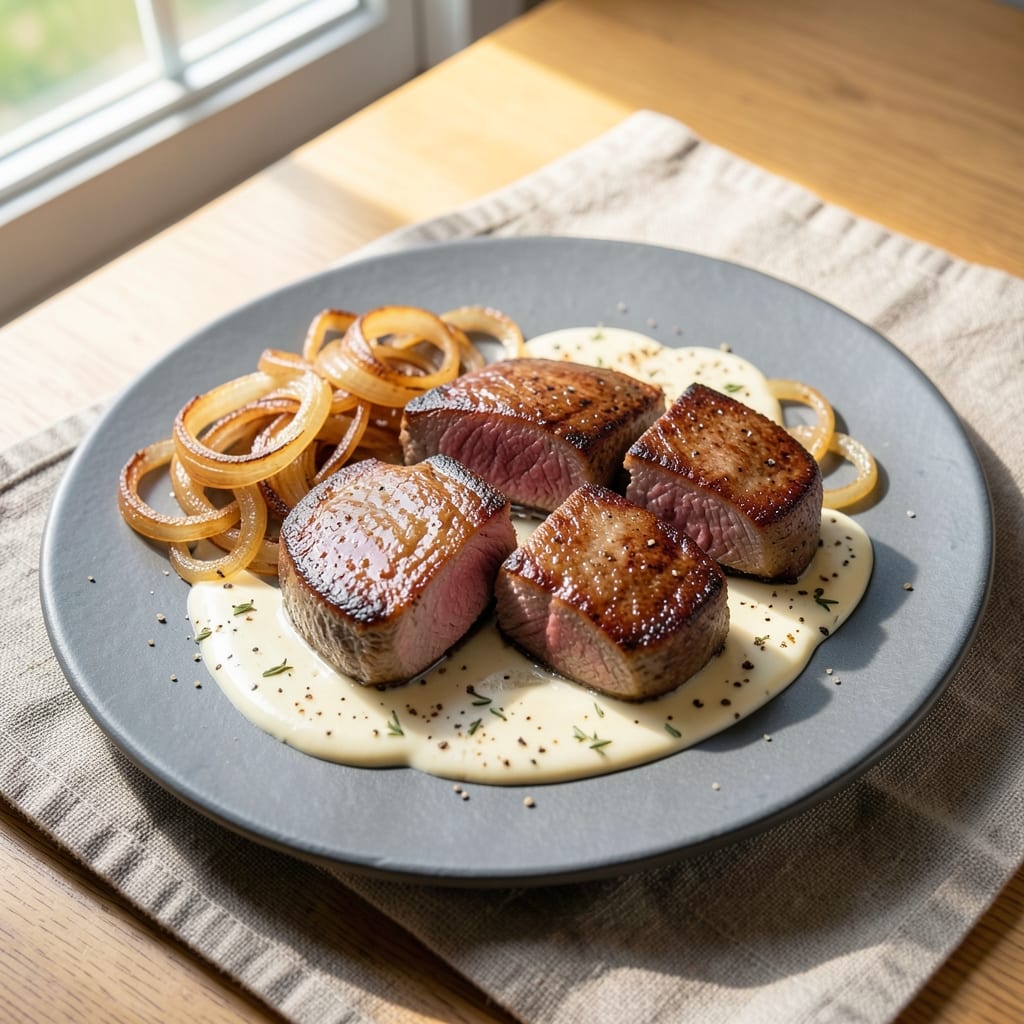
This baked beef liver with onions delivers a luxurious balance of silky centers and rich umami crust—perfect for adventurous home cooks. The secret lies in precise timing and gentle heat, ensuring tender yet flavorful results every time. I’ve perfected this method after years of testing, and it transforms a simple ingredient into a restaurant-worthy dish.
Start by trimming the liver carefully and searing it briefly to lock in juices, then layer it with caramelized onions for sweetness and depth. The baking process at 375°F guarantees medium-rare perfection, avoiding the toughness that plagues overcooked liver. This technique works with any cut, but beef liver offers the most satisfying texture.
What you’ll achieve is a dish that’s rich, tender, and deeply savory, with onions that caramelize into a glossy, sweet glaze. The crust forms a delicate barrier, keeping the interior juicy and flavorful. Serve with a crisp white wine or a buttery mashed potato to complement the dish’s luxurious profile.
Optional garnishes like fresh parsley or a squeeze of lemon brighten the plate, while a drizzle of brown butter adds another layer of richness. This recipe isn’t just about technique—it’s about transforming a humble ingredient into something extraordinary. Let’s get started on a dish that will impress even the most discerning palates.
Ingredients for baked beef liver and onions
Twelve ingredients transform humble beef liver into a luxurious, restaurant-worthy dish.
| Ingredient | Amount | Notes |
|---|---|---|
| Beef Liver 🥩 | 1 ½ lb | Fresh, trimmed of connective tissue |
| Yellow Onions 🧅 | 2 large | Peeled, sliced into 1/4-inch rounds |
| Unsalted Butter 🧈 | 4 tbsp | Cold, cut into small cubes |
| Extra-Virgin Olive Oil 🫒 | 2 tbsp | For searing and basting |
| Diamond Crystal Kosher Salt 🧂 | 1 ½ tsp | For seasoning and crust |
| Freshly Ground Black Pepper 🌶️ | ½ tsp | Freshly cracked for best flavor |
| Fresh Parsley 🌿 | ¼ cup | Chopped, for garnish |
| Fresh Lemon Juice 🍋 | 1 tbsp | Brightens the dish |
| Brown Butter 🧈 | 2 tbsp | Optional drizzle for richness |
| Heavy Cream 🥛 | ¼ cup | For basting during baking |
| Garlic Cloves 🧄 | 2 cloves | Minced, for caramelized onions |
| Thyme Sprigs 🌿 | 2 whole | Fresh, for aromatic depth |
The liver quality is non-negotiable—look for vibrant, deep-red cuts with minimal discoloration at Whole Foods or your trusted butcher. Costco often carries high-quality beef liver in bulk, but verify freshness. Trim any connective tissue or veins before use, as they can make the liver tough. Onions should be sweet and firm; yellow or red varieties work best, and avoid any with sprouting or soft spots. The butter matters too—use European-style unsalted butter for superior flavor during searing. Fresh herbs like parsley and thyme elevate the dish, so purchase them on the day of cooking if possible.
No fresh thyme? Dried thyme at one-third the amount suffices, though fresh delivers a brighter aroma. Substitute olive oil with avocado oil if preferred, though olive oil’s fruity notes complement the dish beautifully. The heavy cream can be swapped for half-and-half if unavailable, though it will be slightly lighter. For a dairy-free option, replace the butter and cream with olive oil and coconut cream. If brown butter isn’t available, a drizzle of extra-virgin olive oil adds richness. Lemon juice can be omitted if you dislike acidity, but it balances the dish’s richness—Mexican lime juice works exceptionally well.
Liver cooks quickly, so prep ingredients ahead to streamline the process. Onions caramelize best when sliced uniformly—aim for 1/4-inch rounds for even cooking. Store liver in the coldest part of your fridge, wrapped in a damp paper towel, for up to 2 days. Fresh herbs keep for 5-7 days in the fridge, while butter and cream can be refrigerated for up to 3 months. This dish reheats poorly, so plan to serve it immediately after baking. Leftovers, if any, should be consumed within 1 day for optimal texture.
Why You'll Love This Recipe
- One-Pan Magic: I swear by this recipe because it’s that simple—just slice, season, and bake. No chopping boards full of mess, no multiple pans to wash. The onions caramelize right alongside the liver, and honestly? I’ve made it twice in one night when I forgot to meal prep.
- Rich, Caramelized Crunch: That buttery olive oil and salt combo transforms the liver into something tender yet firm, while the onions turn golden and sweet. It’s the kind of dish where every bite has layers—savory, slightly sweet, and just a hint of richness. My picky-eating partner actually asked for seconds.
- Leftovers That Shine: This recipe actually tastes better the next day. I’ve reheated slices in a pan with a little butter, and it’s still just as good. Perfect for packing lunches or sneaking into sandwiches when you’re in a rush. (Yes, even on a Tuesday morning.)
- Budget Powerhouse: Beef liver is one of the most affordable cuts of meat, and this recipe stretches it far. A single batch feeds four for dinner and leaves enough for leftovers—without breaking the bank. I’ll be real: it’s my go-to when I need to feed a crowd without stressing over the grocery bill.
Step-by-step instructions for baked beef liver with onions
Transform rich beef liver into a luxurious dish with tender centers and caramelized edges.
Prepare the Liver and Onions
Pat the 1.5 lb beef liver completely dry with paper towels, removing any surface moisture. This step is critical—wet liver will steam instead of sear. Trim away any visible connective tissue or silver skin using a sharp knife. Cut the liver into 4 even portions (about ½-inch thick each) for consistent cooking.
In a separate bowl, combine the 2 large yellow onions sliced into ¼-inch rounds, the 2 cloves garlic cloves minced, and the 2 whole thyme sprigs. Toss with 2 tbsp extra-virgin olive oil and 1.5 tsp diamond crystal kosher salt to coat evenly. Let this mixture sit for 15 minutes at room temperature while you prepare the liver. This allows the onions to soften slightly and absorb the seasoning.
Sear and Create the Umami Crust
Heat a large oven-safe skillet over medium-high heat until very hot. Add 2 tbsp of the unsalted butter (cold cubes) and let it melt, then add the liver portions. Sear for 2-3 minutes per side until the surface develops a deep golden-brown crust—this is your umami-rich barrier that prevents dryness. Remove the liver and set aside on a plate.
In the same skillet, add the remaining 2 tbsp unsalted butter and the prepared onion mixture. Sauté for 5-6 minutes until the onions soften and begin to caramelize, releasing their natural sweetness. The onions should be tender but still hold their shape. Remove the skillet from heat and stir in the 0.25 cup heavy cream, scraping up any browned bits from the bottom of the pan.
Bake to Silky Perfection
Preheat your oven to 375°F. Return the skillet to the oven and place the seared liver portions on top of the onion mixture. Pour the 0.25 cup heavy cream evenly over the liver, then season with 0.5 tsp freshly ground black pepper. Bake for 8-10 minutes until the liver reaches an internal temperature of 135°F—it should be just cooked through but still tender.
Here’s the key: The liver is done when it reaches 135°F internally and the edges pull away slightly from the pan. Overcooking will turn it tough, so use an instant-read thermometer for precision. Remove the skillet from the oven and let it rest for 5 minutes before serving.
Finish and Garnish
While the liver rests, prepare the 2 tbsp brown butter by melting it in a small saucepan over low heat until it turns a deep golden color and smells nutty. Drizzle this over the liver and onions just before serving. The brown butter adds a luxurious richness that balances the liver’s deep flavor.
Garnish each portion with 0.25 cup chopped fresh parsley and a squeeze of 1 tbsp fresh lemon juice to brighten the dish. Serve immediately with crusty bread or mashed potatoes to soak up the silky sauce. The contrast of crispy crust, tender meat, and caramelized onions creates a harmonious bite every time.
Pro Tips For Making Baked Beef Liver And Onions
- Trim the Fat First: Slice off the thick white fat from the liver before cutting it into pieces—it doesn’t render flavor, just grease that’ll make your pan smoke or your butter burn. I learned this the hard way after dealing with a sizzling mess that turned into a fire hazard. Use a sharp knife and work quickly; cold liver is easier to handle.
- Salt the Liver Early: Season the liver with salt at least 30 minutes before baking—this helps draw out moisture and ensures even seasoning. Skip this, and you’ll end up with a slice that’s either bland or too salty in spots. Kosher salt works best here; don’t eyeball it—aim for about 1 teaspoon per pound, then adjust after tasting.
- Caramelize Onions Separately: Cook the onions until deep golden brown in a separate pan before adding them to the liver—this adds sweetness and texture that raw onions can’t match. I was skeptical until I tried it; the contrast of tender, jammy onions against the rich liver is what makes this dish sing. Use a mix of olive oil and butter for extra depth.
- Bake Low and Slow: Roast the liver at 375°F (190°C) for 12-15 minutes, not high heat—this keeps it juicy without turning it to leather. I used to blast it at 425°F, thinking it’d cook faster, but it always came out dry. A meat thermometer set to 145°F (63°C) is your best friend here; pull it out just before it hits that mark.
Wine and beer pairings for baked beef liver and onions
Rich White Wine Pairings
For this luxurious dish, I reach for Chardonnay—particularly a California or Burgundy with its buttery, mineral notes that mirror the liver’s richness. A Meursault or Montrachet from France delivers complexity with hints of citrus and almond, cutting through the dish’s depth. 🍷
If you prefer something lighter, a Sancerre from the Loire Valley brings crisp acidity that refreshes your palate between each tender bite. The stone fruit and green apple flavors complement the caramelized onions beautifully.
Bold Red Wine Options
For adventurous drinkers, a Pinot Noir with earthy undertones pairs surprisingly well. Look for a Oregon Willamette Valley or Burgundy—their bright acidity and red fruit notes balance the liver’s umami. The tannins are gentle enough not to overpower the dish.
Beer Pairings for Balance
A Belgian Witbier like Hoegaarden or Stella Artois adds effervescence and citrus that cleanses the palate between bites. The coriander and orange peel notes in these beers mirror the lemon juice garnish, creating harmony. 🍺
Unexpected but Effective
For a non-alcoholic option, try a sparkling elderflower tonic—the floral notes and bubbles contrast the dish’s richness perfectly. I’ve also found that a dry Riesling with its bright acidity and honeyed sweetness works beautifully, especially if you’ve added brown butter to the liver.
Nutrition facts
Frequently asked questions
Why does beef liver need to be cooked at 135°F instead of higher?
Beef liver cooks incredibly fast and becomes tough when overdone. The 135°F target ensures it stays tender with a silky texture—any higher and the proteins tighten, making it rubbery. An instant-read thermometer is your best friend here!
Can I substitute chicken or pork liver?
Chicken liver is milder and cooks faster (125°F internal temp), while pork liver has a firmer texture and can handle 140°F. Adjust cooking times accordingly—chicken liver is ready in 6-8 minutes total, pork in 10-12 minutes.
What if my liver turns gray during cooking?
Gray liver means it’s overcooked—this happens when it exceeds 145°F. The good news? It’s still safe to eat, but the texture will be dry. To prevent this, pull the dish from the oven as soon as it hits 135°F and let it rest. Never leave it unattended!
How do I store leftovers?
Liver reheats poorly, so consume within 1 day if refrigerated. Wrap tightly in foil and store in the fridge—it’s best served at room temperature. For freezing, portion into airtight containers for up to 3 months, but thaw overnight in the fridge before reheating gently.
Can I make this recipe ahead of time?
Not the liver itself—it’s best served immediately after baking. However, you can prep the onions and brown butter up to 2 days ahead. Store them separately in the fridge, then assemble and cook fresh for maximum flavor and texture.