
Main Courses
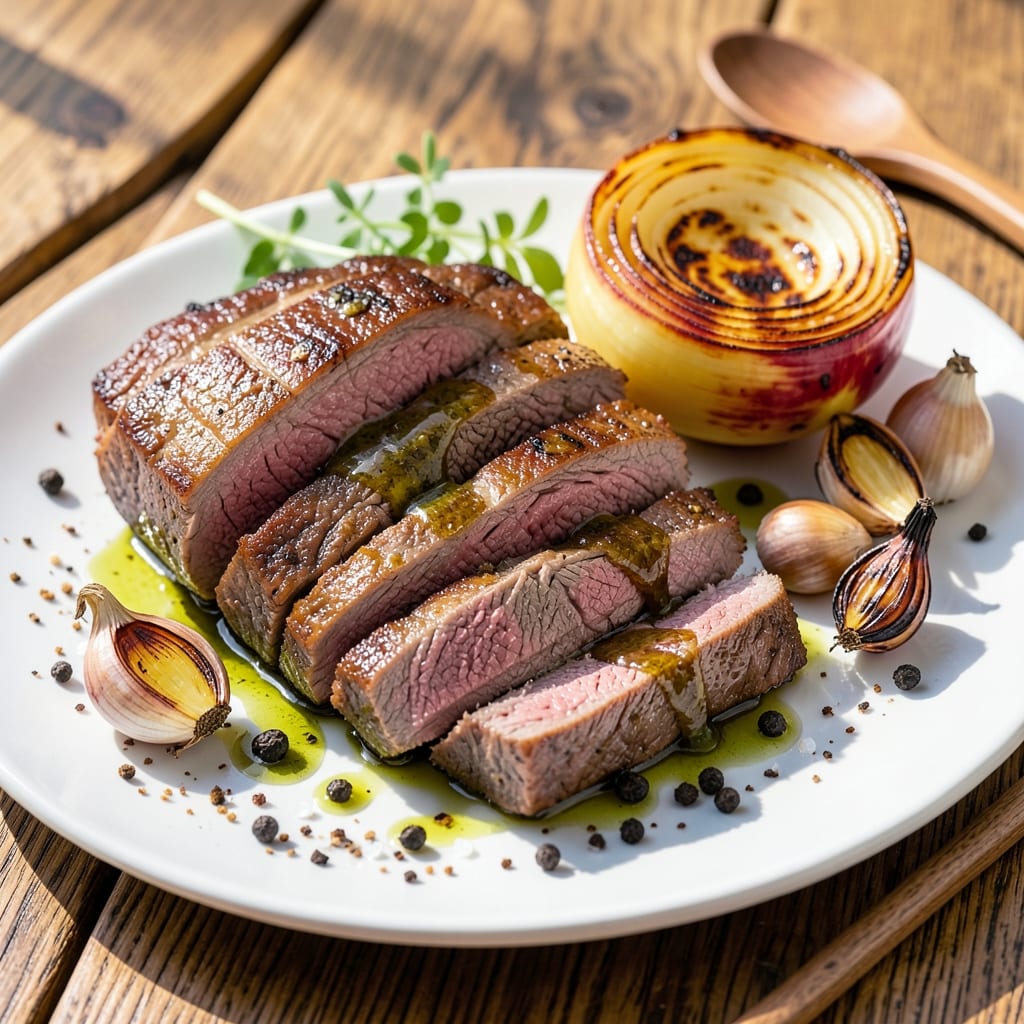
This baked beef recipe delivers the perfect balance: a juicy center with an irresistible caramelized crust that transforms tough cuts into melt-in-your-mouth perfection. The secret lies in precise temperature control and a slow bake that locks in moisture while building deep, savory flavors. Whether you're working with a chuck roast or ribeye, this method ensures every slice is tender and packed with rich, beefy goodness.
What sets this technique apart is the two-stage cooking process: starting with a high-heat sear to develop that coveted crust, then finishing low and slow to render fat and tenderize the meat. No fancy equipment needed—just a baking dish, quality beef, and patience. The result? A dish that feels restaurant-worthy but comes together with minimal fuss, making it ideal for weeknight dinners or special occasions.
By the time it emerges from the oven, your beef will be fork-tender with a deep, caramelized exterior that adds layers of flavor. The aroma alone will have everyone gathering around the table, and each bite delivers that perfect contrast of crispy and succulent. This isn’t just baked beef—it’s a showstopper that elevates any meal.
Pair it with roasted vegetables, mashed potatoes, or a fresh salad to complete the plate. The beauty of this recipe is its versatility—adjust seasonings for different cuisines or let the beef’s natural richness shine. Ready to master this technique? Let’s get started with the ingredients and step-by-step instructions.
Ingredients for baked beef
Quality beef and precise seasoning transform tough cuts into restaurant-worthy perfection.
| Ingredient | Amount | Notes |
|---|---|---|
| Chuck Roast 🥩 | 3 lb | Well-marbled, trimmed of excess fat |
| Yellow Onion 🧅 | 1 whole | Medium size, sliced into half-moons |
| Garlic Cloves 🧄 | 6 cloves | Fresh, peeled and smashed |
| Extra-Virgin Olive Oil 🫒 | ½ cup | High-quality, fruity variety |
| Kosher Salt 🧂 | 1 ½ tbsp | Diamond Crystal preferred |
| Ground Black Pepper 🌶️ | 1 tbsp | Freshly ground for best flavor |
| Dried Thyme 🌿 | 1 tbsp | Or 1 tbsp fresh thyme leaves |
| Dried Rosemary 🌿 | 1 tsp | Finely chopped for even distribution |
| Worcestershire Sauce 🍶 | 2 tbsp | High-quality, vegetarian version if needed |
| Beef Broth 💧 | 1 cup | Low-sodium preferred |
| Red Wine 🍷 | ½ cup | Bold, dry variety like Cabernet Sauvignon |
| Tomato Paste 🍅 | 2 tbsp | Smooth, not chunky |
| Fresh Parsley 🌿 | ¼ cup | Chopped, for garnish |
| Butter 🧈 | 2 tbsp | Unsalted, cold for searing |
The chuck roast is non-negotiable here—its marbling ensures melt-in-your-mouth tenderness. Look for cuts with visible fat distribution and avoid anything with excessive lean, which can dry out. Costco or Whole Foods typically carry excellent chuck roasts, but any reputable butcher will have a superior option. Trim excess fat to about 1/4-inch thickness—this prevents over-browning while still allowing for that coveted caramelized crust. For the garlic, fresh is essential—pre-minced garlic loses flavor and can make your dish taste bitter. If you're short on time, garlic powder at half the amount works in a pinch, though it won't replicate the depth of fresh.
Worcestershire sauce adds complexity, but if you're avoiding umami boosters, soy sauce or a splash of balsamic vinegar can substitute effectively. The red wine should be bold and dry—Cabernet Sauvignon or Merlot work beautifully. If you don't have wine on hand, beef broth with 1 tbsp balsamic vinegar mimics the depth. For the tomato paste, San Marzano is ideal if you want to splurge, but any smooth paste will do. The dried herbs should be recently purchased—thyme and rosemary lose potency quickly once opened. If you're using fresh herbs, double the amount** and chop them finely for even distribution throughout the meat.
This dish tastes even better the next day as the flavors meld, so plan ahead. Store leftovers in an airtight container in the fridge for up to 5 days, or freeze portions for 3 months by wrapping tightly in plastic wrap and aluminum foil. For reheating, low and slow is key—warm in the oven at 300°F (150°C) until internal temperature reaches 165°F (74°C), about 15-20 minutes. The butter should be kept cold until searing to create a proper crust, then discarded—it's purely for flavor development during the initial high-heat stage.
Why You'll Love This Recipe
- Hands-Off Cooking: I swear by this recipe because it’s the closest thing to set-it-and-forget-it magic. Chuck roast gets tender with just a little oven time—no constant stirring or hovering like other beef dishes.
- Umami Bomb: That caramelized onion and garlic combo? It’s where the real flavor lives. The olive oil keeps it rich but not greasy, and the salt? Just enough to make every bite sing.
- Meal Prep MVP: I make double batches on Sundays because it reheats like a dream. Pack it for lunches or freeze portions—still tastes fresh days later, even if it’s not the prettiest.
- Budget Win: A single chuck roast feeds my family for days, and the ingredients cost pennies. No fancy cuts, no waste—just solid, satisfying beef that doesn’t break the bank.
Step-by-step instructions for baked beef recipe
Here's the method for achieving that perfect balance of juicy interior and caramelized crust.
Prepare the Chuck Roast for Maximum Flavor
Begin by patting the 3 lb chuck roast completely dry with paper towels, removing any remaining moisture from the surface. This crucial step ensures a superior crust later. Place the roast on a cutting board and make a crosshatch pattern of deep cuts about ¼ inch apart—this allows the seasoning to penetrate deeply and creates more surface area for flavor development.
In a small bowl, combine 1.5 tbsp kosher salt, 1 tbsp ground black pepper, 1 tbsp dried thyme, and 1 tsp dried rosemary. Rub this mixture generously over the entire surface of the roast, pressing it into the cuts. Let it sit at room temperature for 30 minutes while you prepare the remaining ingredients. This resting period ensures even cooking and maximum flavor infusion.
Sear the Roast for Deep Flavor
Heat a large oven-safe skillet over medium-high heat until very hot. Add 2 tbsp butter and allow it to melt completely, then add 0.5 cup extra-virgin olive oil. Place the seasoned chuck roast in the skillet, fat-side down, and sear for 4-5 minutes until a deep golden-brown crust forms. Flip the roast and sear the other side for another 4-5 minutes. The butter and oil will create a flavorful crust while the high heat begins to tenderize the meat.
Remove the roast from the skillet and set it aside on a plate. In the same skillet, add the sliced 1 whole yellow onion and 6 cloves smashed garlic cloves, cooking for 3-4 minutes until softened and fragrant. This step builds layers of flavor that will infuse into the roast during baking.
Build the Flavorful Baking Sauce
Return the skillet to the stovetop and reduce heat to medium. Add 2 tbsp Worcestershire sauce, 1 cup beef broth, 0.5 cup red wine, and 2 tbsp tomato paste, stirring to combine. Let the mixture simmer for 3-4 minutes until slightly reduced and thickened. This sauce will baste the roast during baking, ensuring moisture and rich flavor throughout.
Carefully transfer the roast and sauce to a 4-quart Dutch oven or oven-safe skillet. The roast should be nestled in the sauce, which will help keep it moist as it bakes. Place the skillet in a 375°F preheated oven and bake for 2 hours, covered with a tight-fitting lid or foil.
Finish with Caramelized Crust and Resting
After 2 hours, remove the lid and increase the oven temperature to 425°F. Return the roast to the oven, uncovered, for 20-25 minutes until the sauce reduces to a glossy, caramelized consistency and the crust becomes deeply browned. The high heat at the end creates that coveted caramelized crust while keeping the interior juicy.
Remove the roast from the oven and let it rest for 15-20 minutes before slicing. This resting period allows the juices to redistribute throughout the meat, ensuring each slice is tender and flavorful. Garnish with 0.25 cup chopped fresh parsley before serving, and enjoy the perfect balance of juicy interior and caramelized crust.
Pro Tips For Making Baked Beef
- Sear First, Then Bake: Chuck roast has tough fibers, but a quick sear in olive oil before baking builds flavor and texture. Hit that pan with medium-high heat for 3-4 minutes per side—don’t rush, or you’ll burn the onions before the meat browns. The crust won’t save the dish, but it’ll make it taste like you put in effort.
- Slice Onions Thin: Thick onion slices turn mushy and watery under low heat. Instead, cut them paper-thin—about 1/8-inch—and they’ll caramelize into sweet, jammy bits. I used to eyeball it, but now I stack two slices and slice through the pile for perfect thickness every time.
- Salt the Meat Twice: Chuck roast needs serious salt, but don’t just sprinkle it once. Do a dry rub with 1.5 teaspoons kosher salt before searing, then add another 1 teaspoon after browning. The first layer seasons the surface, the second penetrates while it bakes—trust me, your taste buds will notice.
- Check Internal Temp: Guessing doneness leads to dry beef. Use a meat thermometer and pull it at 195°F—yes, it’ll feel like overkill, but that’s when collagen melts into juicy goodness. If you’re short on time, add 10 minutes to the bake time and let it rest under foil before slicing.
Creative variations of this recipe
Italian-Inspired Bistecca alla Fiorentina
Transform your baked beef into a Tuscan masterpiece by using a 2-inch-thick ribeye steak instead of chuck roast. Season with coarse sea salt, freshly cracked black pepper, and a sprinkle of fresh rosemary. Sear in a cast-iron skillet with olive oil until deeply browned, then finish in a 450°F oven for 10-12 minutes for medium-rare perfection. Serve with a simple lemon wedge and arugula salad for an authentic Italian experience. 🍷
Asian-Inspired Korean BBQ Beef
Swap the red wine for 1/4 cup soy sauce, 1/4 cup gochujang, and 1 tbsp honey in the sauce. Use a flank steak instead of chuck roast, marinate it overnight in 1 tbsp grated ginger, 3 minced garlic cloves, and 1 tbsp sesame oil. Sear and bake as directed, then slice thinly against the grain. Serve with steamed rice and kimchi for a bold, umami-packed meal. 🌶️
Smoky Texas-Style Brisket
Replace the red wine with 1 cup beef broth and add 1 tbsp smoked paprika, 1 tbsp brown sugar, and 1/2 cup apple cider vinegar to the sauce. Use a 3-4 lb brisket instead of chuck roast, and bake it covered at 275°F for 4-5 hours before finishing at 425°F for 20 minutes. Slice against the grain and serve with pickled onions and cornbread. Perfect for a hearty, smoky feast. 🔥
French Beef Bourguignon Twist
Add 8 oz mushrooms and 1 cup pearl onions to the Dutch oven along with the beef. Deglaze the pan with 1/2 cup red wine after searing, then proceed with the original recipe. Finish by sprinkling fresh thyme and parsley on top. This rich, wine-infused version pairs beautifully with crusty baguette and a bold Bordeaux. 🍷
Spicy Cajun-Inspired Beef
Boost the heat by adding 1 tbsp Cajun seasoning (or a mix of 1 tsp smoked paprika, 1/2 tsp cayenne, and 1/2 tsp garlic powder) to the seasoning rub. Use a chuck roast but add 1/2 cup chicken stock and 1 tbsp hot sauce to the baking sauce. Garnish with green onions and hot sauce for a fiery Louisiana-inspired dish. Serve with dirty rice for a full Cajun experience. 🌶️
Slow-Cooker Adaptation
For a hands-off version, transfer the seared beef and sauce to a 6-quart slow cooker and cook on low for 8 hours or high for 5 hours. Skip the final high-heat broil and serve directly from the slow cooker. This method is ideal for weeknight dinners and keeps the beef incredibly tender. Pair with mashed potatoes and roasted carrots for a comforting meal. ⏰
Nutrition facts
Frequently asked questions
What's the best cut of beef for this baked recipe?
A well-marbled chuck roast (3 lbs) works best for this method, as its fat content keeps the meat tender during slow baking. For quicker cooking, try a ribeye roast or tenderloin—just reduce baking time by 30-45 minutes. Avoid lean cuts like sirloin, which can dry out when baked.
Can I make this ahead of time?
This dish tastes even better the next day as flavors meld. Cook and refrigerate the roast (covered) for up to 5 days, or freeze portions for 3 months. Reheat gently in a 300°F (150°C) oven until internal temp reaches 165°F (74°C). The crust may not be as crispy, but the meat stays incredibly tender.
Why does my beef turn out dry?
Overcooking or skipping the resting period are the top culprits. Always use a meat thermometer—145°F (63°C) for medium-rare is ideal for roasts. Never cut into the meat immediately after baking; let it rest 15-20 minutes to redistribute juices. For extra moisture, add 1/4 cup beef broth to the baking dish before covering.
What's the secret to that perfect caramelized crust?
The two-stage bake is key: start with a high-heat sear in the skillet to develop fond (browned bits), then finish uncovered at 425°F (220°C) for the last 20-25 minutes. Pat the beef dry before seasoning—moisture prevents proper browning. A splash of red wine in the sauce also adds depth to the crust's flavor.
Can I substitute red wine in the recipe?
Yes! For a non-alcoholic version, use 1 cup beef broth + 1 tbsp balsamic vinegar. For extra richness, try 1/2 cup tomato paste + 1/2 cup water. If using wine, dry reds like Cabernet Sauvignon work best—their tannins complement the beef's natural flavors.