
Main Courses
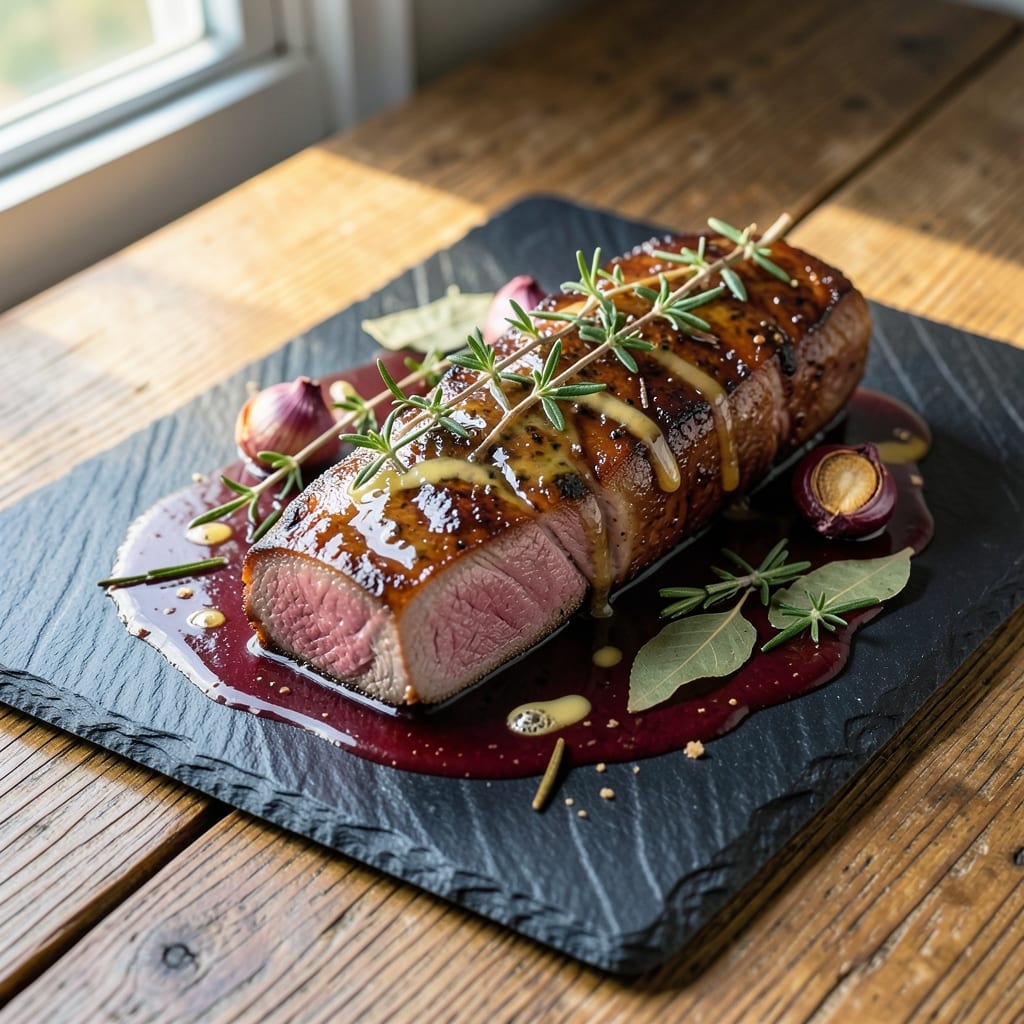
This baked beef tongue recipe transforms tough cuts into melt-in-your-mouth perfection through slow roasting and aromatic herbs. The secret lies in proper preparation—soaking, scoring, and seasoning—to unlock the tongue's natural richness while keeping it tender. Professional chefs swear by this method for its velvety texture and deep, savory flavor that pairs beautifully with classic sides.
The process begins with soaking the tongue to remove any bitterness, followed by strategic scoring to ensure even cooking. Aromatic herbs like thyme and bay leaf infuse the meat as it roasts, creating layers of flavor that penetrate deeply. The result is a dish that's both impressive and approachable, perfect for special occasions or when you want to elevate a simple meal into something extraordinary.
By the time it emerges from the oven, your beef tongue will be tender and rich, with a surface that's golden and inviting. The butter-basted exterior adds a luxurious finish, while the interior remains moist and succulent. This recipe delivers restaurant-quality results at home, proving that slow-cooked dishes can be both rewarding and foolproof.
Serve with classic accompaniments like roasted potatoes or a crisp green salad to balance the richness. The versatility of this dish makes it ideal for holiday feasts or intimate dinner parties. Here's how to achieve that perfect balance of tenderness and flavor every time.
Ingredients for baked beef tongue
Professional-quality ingredients for a restaurant-worthy beef tongue dish.
| Ingredient | Amount | Notes |
|---|---|---|
| Beef Tongue 🥩 | 2 lb | Fresh, whole, cleaned and soaked |
| Unsalted Butter 🧈 | ½ cup | Cold, cubed for basting |
| Fresh Thyme 🌿 | 1 tbsp | Leaves only, finely chopped |
| Fresh Rosemary 🌿 | 1 tbsp | Needles only, finely chopped |
| Bay Leaves 🍃 | 2 whole | Dried, standard size |
| Garlic Cloves 🧄 | 4 cloves | Peeled, smashed |
| Kosher Salt 🧂 | 1 ½ tsp | Diamond Crystal preferred |
| Ground Black Pepper 🌶️ | ½ tsp | Freshly ground |
| Apple Cider Vinegar 🍏 | ¼ cup | For soaking solution |
| Water 💧 | 2 cups | For soaking solution |
| Olive Oil 🫒 | 2 tbsp | For scoring |
| Honey 🍯 | 1 tbsp | Optional for glaze |
The beef tongue is the star—look for fresh, whole cuts with good marbling at specialty butchers or high-end grocery stores like Whole Foods. A 2-pound tongue serves four generously, but check with your butcher if you're unsure about size. The key is soaking it overnight in the vinegar-water solution to remove any bitterness and tenderize the meat. If you can't find fresh tongue, vacuum-sealed, pre-soaked options from butchers work too (just skip the soaking step). For best results, source from a trusted supplier—local farms or ethnic markets often carry high-quality cuts.
No fresh thyme? Dried thyme at one-third the amount works in a pinch, but fresh imparts a brighter flavor. The bay leaves and rosemary can be swapped for sage or oregano if needed, though thyme and rosemary are traditional for their earthy depth. If you're scoring the tongue (critical for even cooking), use a sharp chef's knife—no need for fancy patterns, just 1/4-inch deep cuts in a diamond pattern. The honey glaze is optional but adds a beautiful caramelized finish; maple syrup makes a decent substitute if you're avoiding honey. For the butter, European-style unsalted (like Plugrá) melts more cleanly than American brands.
Prep the tongue 24 hours ahead—soaking is non-negotiable for tenderness. Store the soaked tongue in its liquid in the fridge until ready to cook. The herbs and garlic can be prepped a day ahead and kept in an airtight container in the fridge for up to 3 days. Leftover roasted tongue keeps 4-5 days in the fridge, wrapped tightly in foil. For longer storage, freeze in portions—it reheats beautifully from frozen, though it's best enjoyed fresh. The basting butter should be cold and cubed before roasting to create a golden crust. If you're making this for a crowd, double the recipe—the leftovers make incredible sandwiches.
Why You'll Love This Recipe
- No-Fuss Prep: I’ll admit, beef tongue sounds intimidating—but it’s basically set it and forget it. Score the surface, slather on butter, tuck in thyme and rosemary, and let the oven do the work. Honestly, the hardest part is waiting for that golden crust.
- Rich, Herby Magic: That crispy exterior hides a melt-in-your-mouth center, and the rosemary-thyme butter? It’s like a hug for your taste buds. Between us, the bay leaves add this deep, earthy backbone that makes it taste like a restaurant dish—no fancy tricks.
- Weeknight to Holiday: I’ve served this sliced thin on toast for a lazy Sunday brunch, shredded into tacos for game day, and even as a centerpiece for Thanksgiving leftovers. It’s the kind of dish that works hard for you—no stress, just satisfaction.
- Budget Stretch: A single beef tongue feeds four (or five if you’re feeding hungry teens). The butter and herbs cost pennies, and the leftovers? Even better reheated the next day. My secret weapon for stretching meals without sacrificing flavor.
Step-by-step instructions for slow-roasted beef tongue
Master this technique and you'll transform tough beef tongue into melt-in-your-mouth perfection.
Prepare the Beef Tongue for Cooking
Begin by scoring the surface of the beef tongue in a diamond pattern using a sharp knife. This creates channels for the marinade to penetrate deeply and helps render fat during cooking. I make cuts about ¼ inch apart—deep enough to expose the meat but not so deep they tear through the skin.
Place the scored tongue in a large bowl and pour over the 2 cups of water and ¼ cup of apple cider vinegar. The vinegar helps tenderize the meat while adding subtle acidity. Cover and refrigerate for 24 hours, turning the tongue once halfway through. This soaking step is non-negotiable—it breaks down connective tissue and ensures fork-tender results.
Season and Score for Maximum Flavor
After soaking, remove the tongue and pat it completely dry with paper towels. This drying step is crucial for developing crispy edges during roasting. In a small bowl, combine the 1 tablespoon of chopped fresh thyme, 1 tablespoon of chopped fresh rosemary, 1.5 teaspoons of kosher salt, and ½ teaspoon of freshly ground black pepper. Rub this mixture all over the tongue, pressing firmly into the scored areas.
Place the scored tongue on a cutting board and use a sharp knife to make shallow cuts across the top surface in a crosshatch pattern. These cuts should be about ¼ inch deep and spaced ½ inch apart. This scoring technique creates more surface area for flavor penetration and helps the butter baste into every crevice during roasting.
Create the Basting Butter Mixture
In a small mixing bowl, combine the ½ cup of cold cubed unsalted butter, 4 smashed garlic cloves, and 2 whole bay leaves. This butter mixture will baste the tongue during roasting, infusing it with rich flavor and creating that signature golden crust. I like to use cold butter cubes so they melt gradually and don't pool at the bottom of the pan.
Place the scored and seasoned tongue in a roasting pan or Dutch oven large enough to hold it in a single layer. Arrange the cold butter cubes around the tongue, tucking them into the scored areas. This positioning ensures the butter will melt and baste the meat evenly as it roasts. The bay leaves and garlic will infuse the butter with aromatic flavors that penetrate the meat.
Roast Until Fork-Tender
Preheat your oven to 325°F. This lower temperature is essential for breaking down the collagen in the tongue without drying it out. Place the roasting pan in the oven and cook for 2 hours. After the initial 2 hours, carefully flip the tongue using oven mitts and baste it with the rendered butter and juices that have accumulated in the pan.
Continue roasting for another 1-1½ hours, basting every 30 minutes, until the tongue reaches an internal temperature of 195-200°F and is fork-tender. You'll know it's ready when the meat pulls apart easily with a fork and the edges are deep golden brown. The total cooking time should be approximately 3-3½ hours, depending on the size of your tongue.
Glaze and Rest for Maximum Juiciness
Remove the tongue from the oven and transfer it to a cutting board. In a small saucepan, combine the 1 tablespoon of honey with 2 tablespoons of olive oil and warm over medium heat until the honey melts. Brush this glaze generously over the surface of the tongue, allowing it to caramelize slightly for about 2 minutes. This step adds a beautiful sheen and enhances the natural sweetness of the meat.
Let the tongue rest for 15-20 minutes before slicing. This resting period allows the juices to redistribute throughout the meat, ensuring each slice is moist and flavorful. The tongue should be warm to the touch and pull apart easily with a fork. Serve the beef tongue sliced into ¼-inch thick pieces, drizzled with any remaining pan juices and glaze. The result should be a perfectly tender, richly flavored dish with a crispy exterior and velvety interior.
Pro Tips For Making Baked Beef Tongue
- SCORE THE CRUST FIRST: That golden-brown bark isn’t just for looks—it’s what locks in flavor. After browning the tongue in the oven, flip it onto a baking sheet and crank the heat to 450°F (230°C) for 5 minutes. You’ll know it’s ready when it pulls away from the pan like a perfect sear—no peeking, or you’ll steam it flat.
- SALT THE TONGUE 24 HOURS EARLY: I used to skip this, and the meat always tasted bland no matter how much butter I slathered on. Generously coat the tongue with kosher salt (about 1 tablespoon per pound) and refrigerate uncovered for a full day. The salt breaks down the tough fibers—yes, it’s messy, but your knife will glide through it like butter.
- DON’T OVERCROWD THE HERBS: Fresh thyme and rosemary are non-negotiable, but too much will make the dish taste like a Christmas tree instead of rich, savory beef. Tuck 2-3 sprigs of each under the skin and nestle 1-2 bay leaves around the edges—just enough to perfume, not overpower. (And skip the dried stuff; it’s a flavor crime.)
- REST IT UNDER FOIL: Cutting into beef tongue straight out of the oven is like slicing warm jelly—it turns to mush. Tent it loosely with foil and let it sit for 10 minutes. The residual heat firms up the texture, and the juices redistribute so every slice stays moist. (I know, I know—you want to eat it now, but trust me.)
Best sauces and condiments for this recipe
Classic Red Wine Reduction
This rich, velvety sauce transforms the roasted beef tongue into a showstopper. Simmer 1 cup red wine (I prefer Cabernet Sauvignon or Merlot) with 2 tbsp balsamic vinegar and 1 tbsp brown sugar until reduced by half. Swirl in 2 tbsp cold butter at the end for a glossy finish. The acidity cuts through the richness while the wine's tannins complement the meat's deep flavor. 🍷
Honey-Mustard Glaze
For a sweet-savory contrast, mix 3 tbsp Dijon mustard, 2 tbsp honey, and 1 tbsp apple cider vinegar. Warm gently until smooth, then brush over sliced beef tongue. The mustard adds tang while the honey caramelizes beautifully. This glaze works especially well if you skipped the honey in the roasting step. 🍯
Creamy Horseradish Sauce
Blend ½ cup sour cream, 1 tbsp prepared horseradish, 1 tsp lemon juice, and ½ tsp salt until smooth. This sauce adds a sharp kick that balances the tongue's richness. Serve on the side or pipe decorative rosettes over the sliced meat for presentation. The horseradish's heat wakes up the palate between bites. 🌶️
Garlic-Herb Butter
Use the leftover basting butter from your roasting pan! Mash 2 roasted garlic cloves into the melted butter along with 1 tbsp chopped parsley. Spread this fragrant butter on warm bread or drizzle over sliced tongue. The garlic's sweetness from roasting pairs perfectly with the beef's savory depth. This is my go-to for a quick, elegant finish. 🧄
Spiced Tomato Relish
Simmer 1 cup crushed tomatoes, 1 tsp smoked paprika, ½ tsp cumin, and 1 minced garlic clove for 10 minutes**. The smoky spices create a vibrant contrast to the tender meat. Serve at room temperature or chilled—it's perfect for sandwiches or as a side sauce. 🍅
Nutrition facts
Frequently asked questions about baked beef tongue
How long should I soak the beef tongue before baking?
Always soak the tongue for at least 24 hours in the vinegar-water solution. This step is critical for removing bitterness and breaking down connective tissue. Turn it halfway through soaking for even tenderness. For extra-large tongues, consider 36 hours of soaking.
Can I bake beef tongue without scoring it first? Scoring is highly recommended but not mandatory. The cuts help render fat and create crispy edges, but if you skip scoring, just
What's the best way to reheat leftover beef tongue?
Slice the leftovers and reheat in a skillet with a splash of broth or water over medium-low heat for 5-7 minutes. Avoid microwaving as it can make the meat dry. For sandwiches, warm slices in a toaster oven until crispy. Leftover tongue keeps 4-5 days in the fridge.
Is beef tongue safe to eat raw or undercooked?
Never eat beef tongue raw or undercooked—it must reach an internal temperature of 195-200°F to be safe. The long slow roasting process ensures it's fully cooked while remaining tender. Always use a meat thermometer to verify doneness before serving.
What are the best sides to serve with roasted beef tongue?
Classic pairings include creamy mashed potatoes, roasted root vegetables, or a crisp green salad. For contrast, try tangy pickles or a red wine reduction. The rich, buttery tongue works beautifully with crusty bread to soak up all the juices. Consider a spiced tomato relish for brightness.