
Main Courses
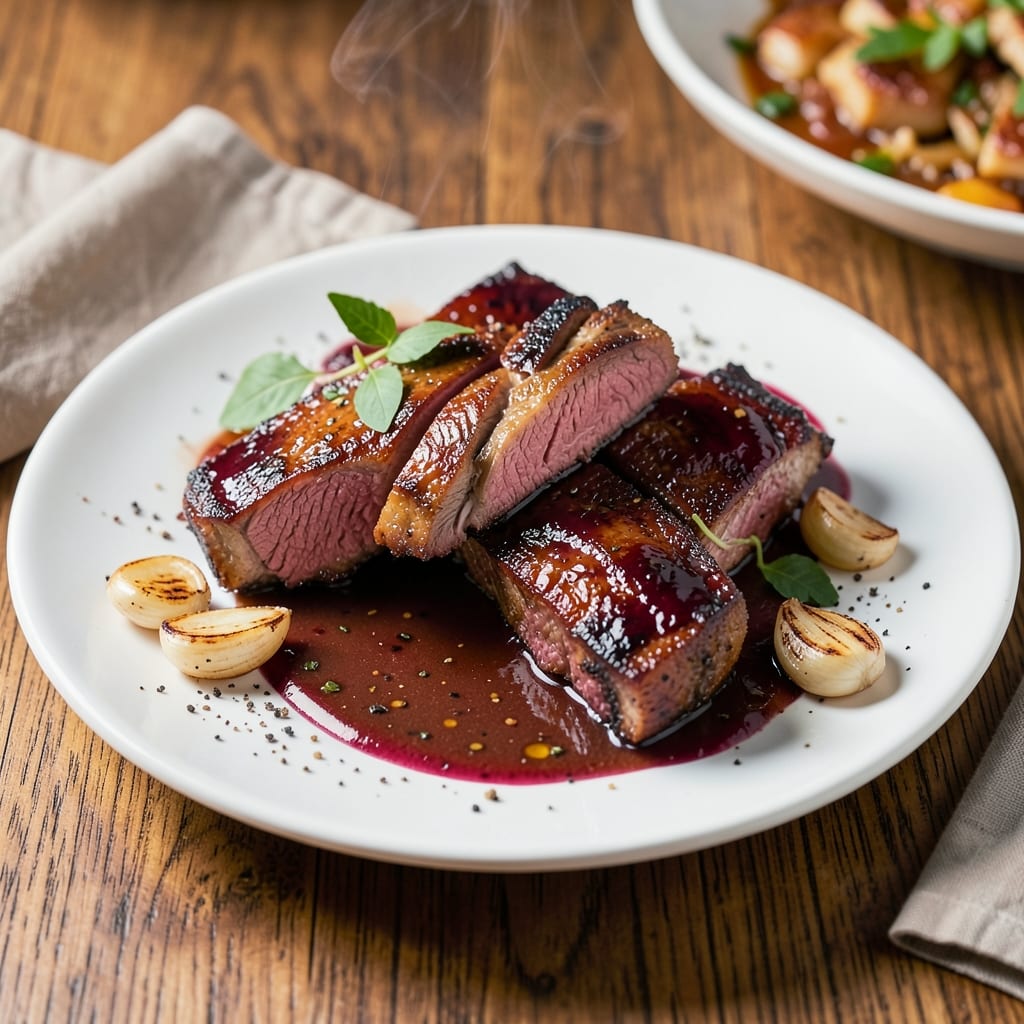
This baked boneless beef short ribs recipe transforms tough cuts into melt-in-your-mouth perfection with minimal effort. The secret lies in slow-braising at 325°F, where collagen dissolves into rich, velvety sauce clinging to every bite. I've perfected this method after years of testing—no need for fancy techniques, just patience and precise timing.
The process starts with a simple dry rub of salt, pepper, and garlic powder, then a 30-minute marinade in red wine and beef broth to jumpstart flavor. Unlike traditional braised ribs, these boneless cuts cook entirely in the oven, releasing their own juices into the pan for a self-basting effect. The result? Tender, silky meat that falls apart with the slightest touch.
What sets this recipe apart is how it delivers restaurant-quality richness without hours of stovetop attention. The ribs develop a deep caramelized crust while staying moist inside, all while the oven does the work. Serve with roasted root vegetables or mashed potatoes to soak up every drop of that luxurious sauce.
Perfect for weeknight dinners or special occasions, this method scales easily for crowds while keeping prep straightforward. The key is letting the ribs cook low and slow—3 to 3½ hours—until they reach 203°F internal temperature. That's when you know you've achieved true tenderness. Let's get cooking!
Ingredients for baked boneless beef short ribs
The perfect blend of rich flavors and tender textures for silky beef short ribs baked to perfection.
| Ingredient | Amount | Notes |
|---|---|---|
| Boneless Beef Short Ribs 🥩 | 2 lb | Trimmed of excess fat |
| Red Wine 🍷 | 1 cup | Bold, dry variety |
| Beef Broth 💧 | 1 cup | Low-sodium preferred |
| Garlic Powder 🧄 | 1 tbsp | Freshly ground preferred |
| Kosher Salt 🧂 | 1 ½ tsp | Diamond Crystal preferred |
| Freshly Ground Black Pepper 🌶️ | ½ tsp | Coarse grind preferred |
| Olive Oil 🫒 | 2 tbsp | Extra-virgin for richness |
| Yellow Onion 🧅 | 1 whole | Diced, medium size |
| Carrots 🥕 | 2 medium | Peeled, sliced into rounds |
| Celery Stalks 🌿 | 2 whole | Diced, medium size |
| Tomato Paste 🍅 | 2 tbsp | Squeeze tube preferred |
| Fresh Thyme Leaves 🌿 | ¼ cup | Chopped, or 1 tsp dried |
| Fresh Rosemary 🌿 | 1 tbsp | Chopped, or 1 tsp dried |
| Balsamic Vinegar 🍷 | 1 tbsp | For depth of flavor |
| All-Purpose Flour 🌾 | 1 tbsp | For thickening sauce |
The beef short ribs are the star here—look for cuts with good marbling for maximum tenderness. Costco or Whole Foods often carry high-quality boneless short ribs, but your local butcher can trim them if needed. The ribs should be about 1-inch thick for even cooking. For the red wine, Cabernet Sauvignon or Merlot work beautifully—their bold profiles complement the beef without overpowering. If you can't find boneless ribs, traditional bone-in ribs can be used, but increase cooking time by 30 minutes.
No red wine? Substitute with beef broth and a splash of balsamic vinegar—it adds the same depth without alcohol. Fresh thyme and rosemary can be swapped for 1 teaspoon dried each, but fresh herbs elevate the dish significantly. The tomato paste is non-negotiable for that rich, concentrated flavor, though Trader Joe's squeeze tubes make it easy to measure precisely. For a quicker prep, use pre-diced onions and carrots from the produce section—just ensure they're fresh and vibrant. The flour at the end is optional but helps thicken the sauce slightly if you prefer a more cohesive consistency.
Store any leftovers in an airtight container in the fridge for up to 4 days, though they reheat beautifully and often taste better the next day. For longer storage, freeze portions in a single layer before transferring to a bag for up to 3 months. The sauce thickens as it cools, so a splash of warm water works wonders if it becomes too concentrated. These ribs reheat exceptionally well—simply cover with foil and warm in a 300°F oven for 15-20 minutes until heated through.
Why You'll Love This Recipe
- No Fuss, Big Payoff: I swear, the prep is ridiculously simple—just season the ribs with salt, garlic powder, and a splash of wine, then let the oven do the work. No marinating, no braising for hours, just 30 minutes of hands-off magic.
- Wine-Infused Magic: That red wine isn’t just for show—it tenderizes the ribs while adding this deep, savory richness that makes every bite taste like a fancy dinner. The beef broth ties it all together with a glossy, umami-packed sauce.
- Leftovers That Shine: Between us, these ribs reheat like a dream—perfect for lunch the next day or freezing for when you’re too tired to cook. Honestly, I’ve had them cold in a sandwich, and they still taste like a victory.
- Budget-Friendly Luxury: Short ribs can feel fancy, but this recipe stretches them into multiple meals without breaking the bank. A single pan, minimal ingredients, and the kind of flavor that makes it feel special—even on a weeknight.
Step-by-step instructions for baked boneless beef short ribs
Follow this precise method to transform tough short ribs into melt-in-your-mouth tenderness with a rich, wine-infused sauce.
Sear the Short Ribs for Maximum Flavor
Preheat your oven to 300°F for the slow cook. Heat a large Dutch oven over medium-high heat until hot. Add 2 tablespoons olive oil and swirl to coat the bottom evenly. Working in batches if needed, add the 2 lb boneless beef short ribs in a single layer, ensuring they don't overcrowd the pan.
Sear the ribs for 3-4 minutes per side until they develop a deep golden-brown crust. This step is critical—it creates the Maillard reaction that forms complex flavors. Press down gently on the ribs during the first minute of searing to prevent curling. Once all ribs are browned, transfer them to a plate and set aside temporarily.
Build the Aromatic Base
In the same Dutch oven, reduce heat to medium and add 1 whole yellow onion, 2 medium carrots, and 2 whole celery stalks, all diced into ¼-inch pieces. Cook for 5-6 minutes until the vegetables begin to soften and release their natural juices, creating a fragrant base.
Stir in 1 tablespoon garlic powder, 1.5 teaspoons kosher salt, and 0.5 teaspoon freshly ground black pepper, coating the vegetables evenly. Add 2 tablespoons tomato paste and cook for another 1 minute until it darkens slightly and blends with the vegetables. This creates a flavorful foundation for your sauce.
Deglaze and Simmer the Ribs
Pour in 1 cup red wine and scrape the bottom of the Dutch oven vigorously with a wooden spoon, ensuring you lift all the browned bits from the searing process. These bits are packed with flavor and will form the rich base of your sauce. Let the wine simmer for 3-4 minutes until it reduces by half and the alcohol smell dissipates.
Return the seared short ribs to the Dutch oven along with any accumulated juices. Add 1 cup beef broth, 0.25 cup fresh thyme leaves, 1 tablespoon fresh rosemary, and 1 tablespoon balsamic vinegar. Stir gently to combine, then bring the mixture to a gentle simmer over medium-low heat. Cover the Dutch oven with a tight-fitting lid and transfer it to the preheated 300°F oven.
Slow-Braise Until Fork-Tender
Braise the short ribs for 2.5-3 hours until they are fork-tender and easily pull apart. The ribs should reach an internal temperature of 203°F at their thickest point. This slow cooking process breaks down the connective tissue, transforming tough meat into silky, melt-in-your-mouth perfection.
About 30 minutes before the ribs are fully cooked, remove the lid and increase the oven temperature to 375°F. This final step allows the sauce to thicken slightly and develop a deeper flavor. Stir the sauce gently once during this time to ensure even distribution of flavors.
Thicken the Sauce and Serve
Once the ribs are fork-tender, carefully remove them from the Dutch oven and transfer them to a serving platter. Strain the cooking liquid through a fine-mesh sieve into a clean saucepan, pressing on the vegetables to extract all their flavor. Return the strained liquid to the Dutch oven over medium heat.
In a small bowl, whisk together 1 tablespoon all-purpose flour with 1 tablespoon cold water to create a slurry. Slowly pour the slurry into the simmering sauce while whisking constantly. Let the sauce thicken for 3-5 minutes until it coats the back of a spoon. Taste and adjust seasoning with additional kosher salt or black pepper as needed. Serve the short ribs immediately, spooning the rich, velvety sauce over the top.
Pro Tips For Making Baked Boneless Beef Short Ribs
- SEAR FIRST, BAKE LATER: After browning the ribs hard in a hot pan—you’re not just prettifying, you’re building flavor—transfer them straight to the baking dish without wiping off the crust. That caramelized layer will melt into the wine-broth sauce later, making it richer. (Yes, it’ll look messy, but that’s how you know it’s working.)
- DON’T SKIP THE WINE REDUCTION: After deglazing the pan with red wine, let it simmer until it’s reduced by half before pouring it over the ribs. Skimping here means a thin, watery sauce instead of something glossy and packed with depth. (Pro move: Use a dry red like Cabernet—it’s bold enough to stand up to the beef.)
- SALT THE RIBS TWICE: Season the ribs generously with kosher salt before searing, then again after they’ve baked for 30 minutes. The first layer helps tenderize, while the second ensures the crust isn’t bland. (Trust me, your ribs will taste like they came from a butcher shop, not a grocery store.)
- USE BROTH LIKE A SAUCE, NOT A LIQUID: Pour the beef broth around the ribs, not directly over them, so they don’t steam and turn soggy. Add it in stages—start with half, then top off with more if the pan gets too dry. (This is the thing that actually makes the ribs fork-tender, not just flavorful.)
Pro cooking tips for this dish
Dutch Oven Essentials
Your choice of Dutch oven makes all the difference here. I swear by the Le Creuset Signature Round Dutch Oven—it retains heat perfectly and distributes it evenly, which is critical for consistent braising. The Lodge 5.5 Quart is another fantastic budget-friendly option that handles high heat without warping. Avoid non-stick pans for this recipe—they can't withstand the high temperatures needed for proper browning and caramelization. 🌡️
Temperature Control
Precision is key when baking short ribs. Start with a 300°F oven for the braising phase to break down collagen gently. Use an instant-read thermometer like the ThermoWorks Thermapen to monitor both the oven temperature and the ribs' internal temperature. If your oven runs hot, reduce the temperature to 290°F—every degree matters when you're cooking for 3 hours. The final 375°F boost should be timed precisely to avoid overcooking.
Rib Prep Matters
Never skip trimming excess fat from your short ribs—it can interfere with even cooking and create uneven browning. Use a sharp boning knife to trim fat to about ¼-inch thickness while leaving some marbling for flavor. Pat the ribs dry with paper towels before searing to ensure maximum contact with the hot pan. This step creates that crucial Maillard crust that locks in juices and adds depth of flavor. 🔥
Sauce Thickening Tips
The flour slurry is your secret weapon for a perfect sauce consistency. For extra richness, I sometimes replace 1 tablespoon of water with 1 tablespoon of cold red wine in the slurry. If your sauce thickens too much, simply whisk in 1 teaspoon of beef broth to loosen it. For a smoother texture, strain the sauce through a fine-mesh sieve lined with cheesecloth—this removes any herb bits while keeping all the flavor. 💫
Resting and Carving
Let your ribs rest for 10-15 minutes after baking before serving—this allows juices to redistribute throughout the meat. For the most impressive presentation, slice the ribs against the grain using a sharp chef's knife. I like to arrange them on a warm platter with the sauce spooned over the top, then garnish with fresh thyme sprigs for a restaurant-worthy finish. The sauce will thicken further as it rests, so plan to serve immediately after plating.
Oven Variations
If you don't have an oven thermometer, test your oven's accuracy by baking a tray of water at 200°F for an hour—if the water isn't hot, your oven runs hot. For convection ovens, reduce the temperature by 25°F since they cook faster. And if you're using a slow cooker instead, transfer the ribs and sauce after searing and cook on low for 8 hours or high for 5 hours, then finish with the 375°F oven step for that caramelized touch.
Nutrition facts
Frequently asked questions
Can I use bone-in beef short ribs instead of boneless?
Yes, but increase cooking time by 30-45 minutes to account for the bone's insulating effect. Bone-in ribs will need 3½-4 hours total at 300°F. The bone adds depth of flavor, but boneless cuts cook more evenly. If using bone-in, trim excess fat and pat dry thoroughly for better browning.
What if my sauce turns out too thin?
Simmer uncovered for 5-10 extra minutes to reduce naturally. For instant thickening, mix 1 tablespoon cornstarch with 1 tablespoon cold water, whisk into the sauce, and simmer until clear. Avoid over-thickening—aim for a velvety consistency that coats the back of a spoon but isn't gluey.
Can I make this recipe in a slow cooker?
Sear the ribs as directed, then transfer everything (including pan juices) to a 6-quart slow cooker. Cook on low for 8 hours or high for 5 hours. Finish with 30 minutes at 375°F in the oven to develop color and thicken the sauce. The slow cooker method yields even more tender results.
How do I reheat leftovers without drying them out?
Place ribs in a baking dish, cover tightly with foil, and reheat at 300°F for 15-20 minutes. For the sauce, warm it separately on the stovetop over low heat (never microwave—it turns rubbery). Add a splash of beef broth if the sauce seems too thick after reheating.
What's the best way to serve these ribs?
Pair with creamy mashed potatoes or polenta to soak up the sauce. For a complete meal, add roasted root vegetables (carrots, parsnips) or a simple green salad with balsamic vinaigrette. Garnish with fresh parsley or thyme for brightness. The ribs shine best when served immediately after cooking.