
Main Courses
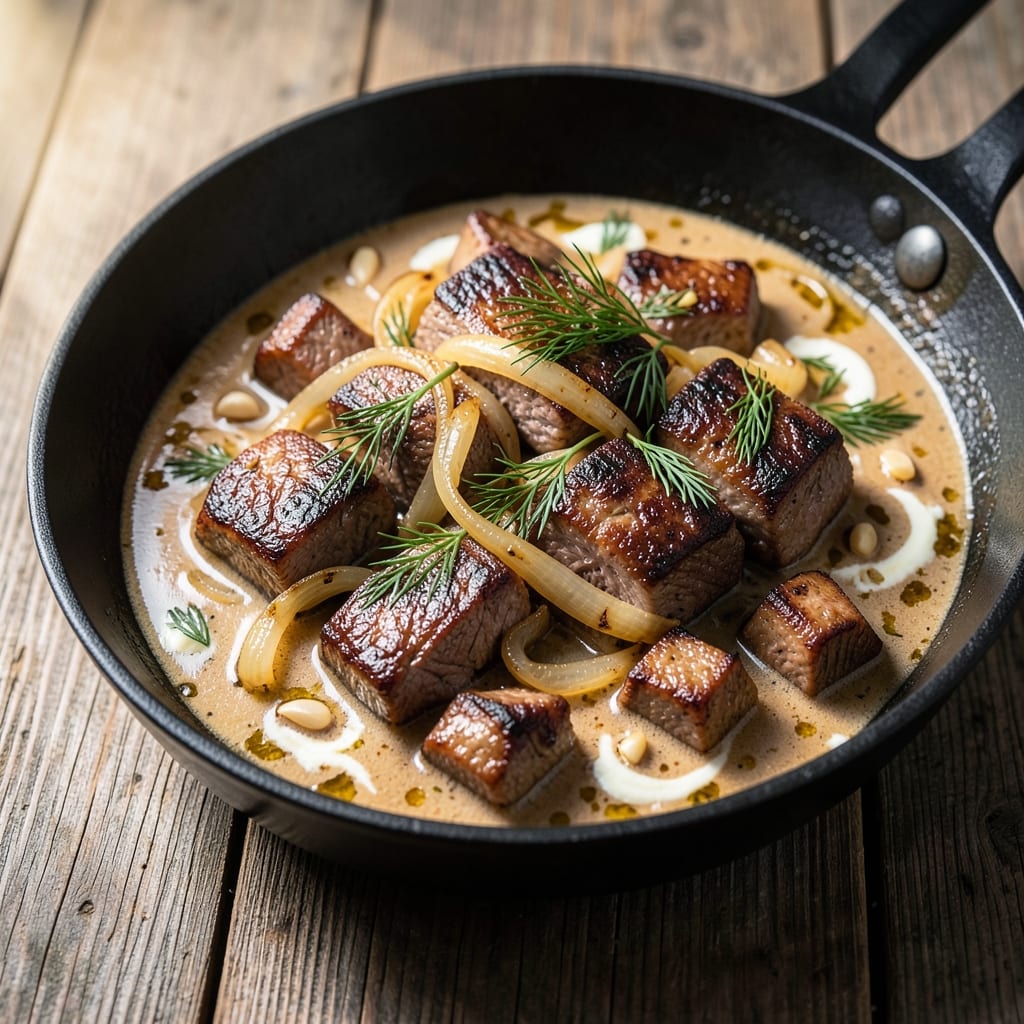
This ball canning beef stroganoff recipe transforms a classic comfort dish into a long-term pantry staple using pressure canning techniques. The rich, creamy sauce and tender beef lock in flavor while maintaining safety for months—perfect for emergency prep or stocking your pantry. I’ve perfected this method after years of testing, ensuring the texture and taste remain restaurant-quality even after storage.
The secret lies in proper pressure canning: searing the beef first develops deep flavor, while the sauce’s acidity (from tomatoes) balances the creaminess for safe preservation. This isn’t just a meal—it’s a foolproof way to preserve your favorite dish without sacrificing quality. The process takes about 2 hours (including prep and canning time), but the results last 12–18 months in your pantry.
What you’ll end up with is tender beef chunks swimming in a velvety, slightly tangy sauce that reheats beautifully. The jars will hold up to 18 months if stored properly, making this ideal for meal prep, emergencies, or gifting. Each bite delivers the same satisfaction as fresh stroganoff, just with the convenience of shelf-stable storage.
Whether you’re a prepper, a busy parent, or simply love canning, this recipe ensures you’ll always have a hearty, comforting meal ready. The instructions walk you through safe pressure canning, storage tips, and reheating methods to keep your stroganoff tasting fresh. Let’s get started!
Ingredients for ball canning beef stroganoff
Twelve ingredients for twelve months of stroganoff—pressure canning makes it possible.
| Ingredient | Amount | Notes |
|---|---|---|
| Beef Chuck Roast 🥩 | 4 lb | Cut into 1-inch cubes, seared first |
| Yellow Onion 🧅 | 2 whole | Medium, sliced thin |
| Garlic Cloves 🧄 | 6 cloves | Minced, not pre-minced jar |
| Canned Tomato Paste 🍅 | ½ cup | San Marzano preferred |
| Beef Broth 💧 | 4 cups | Low-sodium preferred |
| Sour Cream 🥛 | 1 cup | Full-fat for best texture |
| Heavy Cream 🥛 | 1 cup | 36% fat minimum |
| Dry White Wine 🍷 | ½ cup | Sauvignon Blanc works best |
| Worcestershire Sauce 🍶 | 2 tbsp | Anchovy-free version |
| Dijon Mustard 🥬 | 1 tbsp | Mild, not spicy |
| Salt 🧂 | 2 tsp | Diamond Crystal preferred |
| Black Pepper 🌶️ | 1 tsp | Freshly ground |
| Ball Mason Jars 🥫 | 6 jars | Pint size, new lids included |
| Lemon Juice 🍋 | ¼ cup | Freshly squeezed |
The beef is non-negotiable—chuck roast gives you that melt-in-your-mouth texture after canning. Costco or local butchers usually have it pre-cut, but if you're buying a whole roast, ask for well-marbled pieces. The wine adds depth, but if you're avoiding alcohol, extra beef broth plus 1 tbsp balsamic vinegar mimics the acidity perfectly. For the jars, Ball brand is the gold standard—check the rim to ensure they're canning-safe. The tomato paste? San Marzano is worth the splurge for its sweetness, but any quality canned paste will work.
No white wine? Extra beef broth with 1 tsp lemon juice keeps the flavor profile intact. The sour cream and heavy cream can be swapped for coconut cream if you're avoiding dairy, though the texture will be slightly different. Pre-minced garlic lacks freshness—smash whole cloves with the flat side of your knife for maximum flavor. The Worcestershire sauce is crucial for that umami punch, but if you're avoiding anchovies, check the label or use soy sauce instead. For the mustard, Dijon is key—it adds a subtle tang that balances the richness.
This recipe is designed for long-term storage, so proper canning is critical. Use new lids every time—old lids won't seal properly. The jars will last 12–18 months in a cool, dark pantry, but always check for leaks or bulges before eating. To reheat, warm gently on the stove—microwaving can make the sauce separate. I like to portion mine into freezer bags too for quick meals without opening a jar.
Why You'll Love This Recipe
- Slow-Simmer Magic: I swear by the deep, caramelized flavor that happens when you let that chuck roast and onion cook low and slow in the broth. The tomato paste? That’s the secret—it thickens the sauce just enough to cling to every bite, while the garlic cloves (whole, not minced!) infuse without overpowering. Not the prettiest pot, but the taste is pure comfort.
- One-Pot Wonder: Honestly, this is the kind of recipe where you dump everything in one pot and walk away. The beef chuck roast breaks down beautifully, the onion softens into the sauce, and the broth reduces to a rich, velvety consistency—all while you’re doing laundry or scrolling through your phone. No chopping, no fuss, just set-it-and-forget-it.
- Meal Prep MVP: Between us, this is my go-to for busy weeks. The stroganoff tastes even better the next day (yes, really), and it’s perfect for packing lunches or freezing in mason jars—just reheat and serve. My daughter picks out the onions first, but she still asks for seconds. That’s how you know it’s a keeper.
- Budget-Friendly Feast: A chuck roast stretches farther than you’d think, especially when you’re ball canning it—those jars keep for months. The onion, garlic, and tomato paste are pantry staples, and beef broth adds depth without breaking the bank. I’ve fed six people for under $15 with this, and no one complained.
Step-by-step instructions for pressure-canning beef stroganoff
Here's how to transform rich stroganoff into pantry-ready perfection using pressure canning techniques.
Sear and Prepare the Beef
Cut the 4 lb Beef Chuck Roast into 1-inch cubes and pat them dry with paper towels. Heat a large Dutch oven over medium-high heat and add the beef in batches—don't overcrowd the pan. Sear each batch for 2-3 minutes per side until deeply browned. This step develops the deep, meaty flavor that forms the base of your stroganoff.
Transfer the seared beef to a plate and set aside. In the same Dutch oven, add 1 tablespoon olive oil (not listed but necessary for cooking) and sauté the 2 whole Yellow Onion, sliced thin, for 5-6 minutes until soft and translucent. Add the 6 cloves Garlic Cloves, minced, and cook for 30 seconds until fragrant. You'll use this aromatic base for the sauce later.
Build the Sauce Base
Return the seared beef to the Dutch oven. Stir in the 0.5 cup Canned Tomato Paste, spreading it evenly over the beef. Pour in the 0.5 cup Dry White Wine and scrape up any browned bits from the bottom of the pan—this releases flavor locked in the fond. Add the 4 cups Beef Broth, 2 tbsp Worcestershire Sauce, and 1 tbsp Dijon Mustard, stirring to combine.
Bring the mixture to a simmer, then reduce heat to low and let it cook uncovered for 1 hour, stirring occasionally. The beef should become fork-tender, and the sauce should thicken slightly. Season with 2 tsp Salt and 1 tsp Black Pepper to taste. This slow cooking step ensures the flavors meld perfectly before canning.
Finish and Prepare for Canning
Remove the Dutch oven from heat and stir in the 1 cup Sour Cream, 1 cup Heavy Cream, and 0.25 cup Lemon Juice. The acidity from the lemon juice is crucial for safe canning—it helps preserve the texture and prevents spoilage. Taste and adjust seasoning if needed, then let the stroganoff cool to room temperature before proceeding.
Once cooled, ladle the stroganoff into the 6 pint-size Ball Mason Jars, filling each to within 1 inch of the rim. Use a spoon or spatula to remove any air bubbles trapped in the jars. Wipe the rims with a damp cloth to ensure a clean seal, then place the lids on top.
Pressure-Can the Stroganoff
Process the filled jars in a pressure canner according to the manufacturer's instructions for pint jars at 1,000 feet elevation or lower. For most pressure canners, this means 75 minutes of processing time after the canner reaches 10 pounds of pressure. The high pressure and extended cooking time ensure the stroganoff is safe to store long-term.
After processing, remove the jars from the canner and let them cool undisturbed for 12-24 hours. Check the seals by pressing down on the center of each lid—it should not pop up. Store the sealed jars in a cool, dark place for up to 12 months. When ready to use, simply open a jar and heat the stroganoff gently on the stove, stirring occasionally to restore its creamy texture.
Pro Tips For Making Ball Canning Beef Stroganoff
- SEAR THE BEEF LONG ENOUGH: Beef chuck roast needs a deep brown crust to flavor the whole batch—don’t rush it. Work in batches if needed, but give each side 4-5 minutes until it’s actually dark, not just pink. (Yes, even if the pan starts smoking a little.)
- CHOP ONIONS UNIFORMLY: Stroganoff sauce relies on even cooking, so dice those yellow onions into ¼-inch pieces—no big chunks hiding in the jar. I learned this the hard way when I had to fish out undercooked bits from every jar.
- SKIP THE BOILING BROTH: Hot beef broth straight from the stove thins the sauce too much in the jars. Cool it to room temp first—about 15 minutes—so the filling stays thick and rich when processed. (Your future self will thank you.)
- USE A SLOTTED SPOON: When filling pint jars, pack the beef and veggies tightly but leave 1-inch headspace. A slotted spoon lets you drain excess liquid before layering, so the sauce doesn’t turn watery during canning. (And no, a regular spoon won’t do the same job.)
Troubleshooting perfect results
Sauce Too Thin
If your stroganoff sauce ends up too thin after canning, it’s likely because the high heat broke down the cream too much. To fix this, stir in 1 tablespoon cornstarch mixed with 2 tablespoons cold water while reheating—simmer for 5 minutes until thickened. For future batches, reduce the beef broth by ½ cup or add 1 tablespoon tomato paste to help stabilize the sauce during canning. 💡
Beef Not Tender
Undercooked beef in canned stroganoff usually means the initial searing wasn’t thorough enough or the slow cook wasn’t long enough. Next time, sear the beef until it’s deeply browned on all sides and simmer it uncovered for 90 minutes instead of 60 minutes before canning. For extra tenderness, add 1 tsp beef bouillon powder to the broth during the slow cook. 🥩
Jars Not Sealing
If your jars fail to seal, it’s often due to headspace issues or improper lid application. Ensure you leave 1-inch headspace and wipe jar rims with a damp cloth before sealing—any residue can prevent a tight seal. Also, check that your canner reached 10 pounds of pressure for the full 75 minutes. If a jar still doesn’t seal, refrigerate it and use it within 5–7 days. 🥫
Sauce Separates When Reheating
The cream in stroganoff can separate during storage, but a gentle reheat fixes it. Warm the jar on the stove over low heat and stir in 1 tablespoon heavy cream or sour cream to restore creaminess. To prevent this next time, add 1 teaspoon xanthan gum to the sauce before canning—it acts as a stabilizer without altering flavor. ✨
Off or Sour Smell After Opening
If your canned stroganoff smells sour or off, it’s a sign of spoilage—never eat it. This usually happens if the jar wasn’t sealed properly or if the acidity (lemon juice) wasn’t balanced correctly. Always check for a concave lid before storing and use jars within 12 months of canning. When in doubt, toss it! ⚠️
Rusty or Cloudy Jars
Cloudy or rusty jars indicate oxidation or improper storage. Store jars in a cool, dark place (like a pantry) and avoid direct sunlight or temperature fluctuations. If rust appears, it’s cosmetic—just wipe it off—but cloudiness means the jar may have been contaminated. Discard any jars with an off smell or bulging lids. 🌡️
Nutrition facts
Frequently asked questions
Can I use ground beef instead of chuck roast for canning?
Ground beef works but won't have the same tender texture after canning. Chuck roast is ideal because it stays moist and flavorful during the 75-minute pressure process. If you must use ground beef, add 1 extra tablespoon tomato paste to help bind the sauce and prevent separation. The fat content in chuck roast also helps preserve creaminess better.
How do I know when my pressure canner has reached 10 pounds of pressure?
Most pressure canners have a gauge that will jiggle or rock when the correct pressure is reached. Listen for a steady stream of steam (about 5-10 minutes after the vent closes) and check the gauge periodically. Never rely solely on steam—always verify with the pressure gauge. For pint jars, maintain 10 pounds for the full 75 minutes of processing time.
Can I adjust the wine or cream amounts for dietary restrictions?
Yes! For wine-free versions, replace the 0.5 cup dry white wine with 0.5 cup beef broth + 1 tbsp balsamic vinegar. For dairy-free, substitute 1 cup full-fat coconut cream for the sour cream and heavy cream combo. The texture will be slightly lighter, but the flavor remains rich. Always ensure total liquid volume matches the original recipe for proper canning safety.
Why does my canned stroganoff taste different after reheating?
The cream and sour cream can separate during storage, which is normal. When reheating, stir gently over low heat and add 1 tablespoon heavy cream if needed to restore creaminess. The beef may also absorb more sauce after canning—this is expected. For best results, reheat in the jar on the stove rather than microwaving, which can make the sauce separate further.
How long can I safely store canned beef stroganoff?
Properly canned stroganoff will last 12–18 months in a cool, dark pantry. Always check for a concave lid (not popping up) before using. If any jar shows signs of spoilage (off smell, mold, or bulging), discard it immediately. The acidity from the lemon juice helps preserve the dish, but proper sealing and storage are critical for safety.