
Main Courses
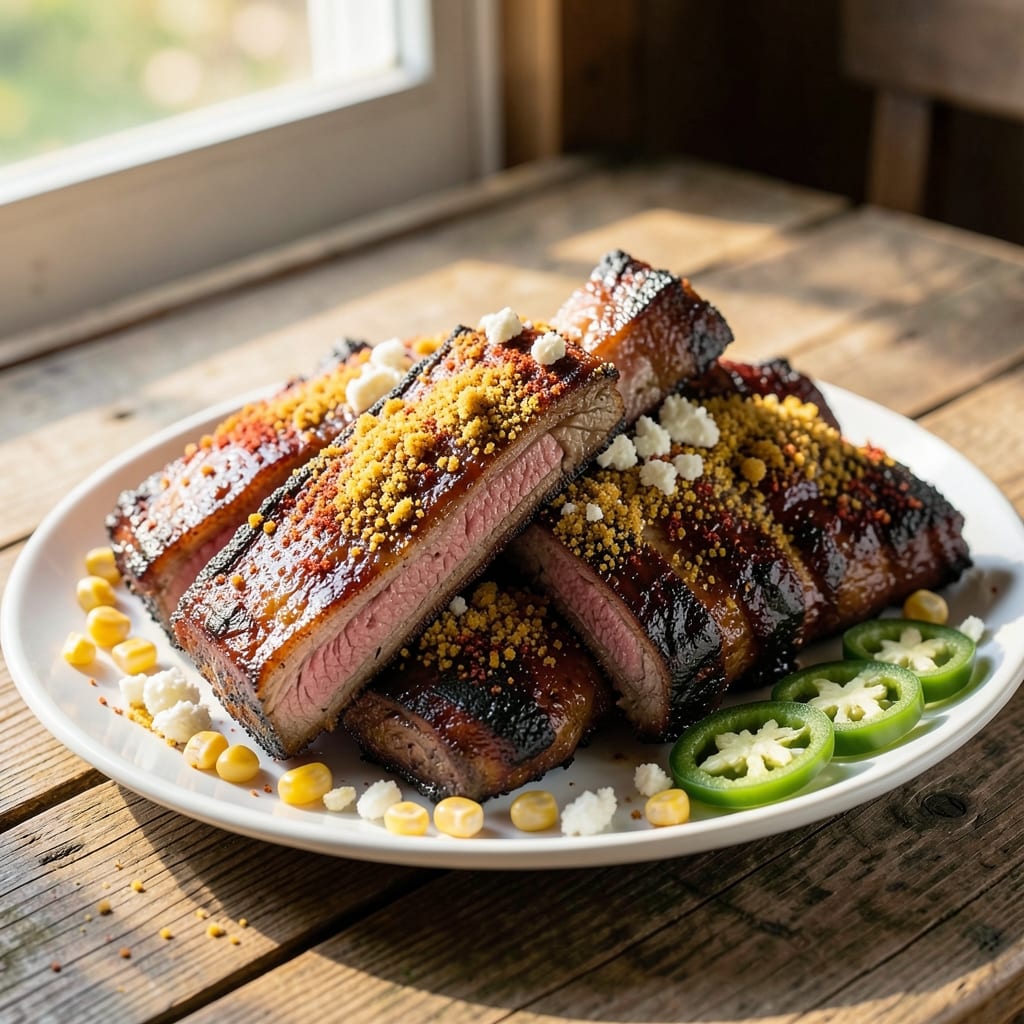
The Bandera beef ribs recipe delivers Texas-style fall-apart tenderness that transforms tough meat into smoky, spiced perfection. ✨ This method combines a classic dry rub with low-and-slow cooking to achieve that signature Texas BBQ texture—juicy, flavorful, and impossible to resist. The secret lies in patience: letting the ribs cook until they reach 203°F for that legendary melt-in-your-mouth result.
What sets these ribs apart is the bandera seasoning blend, a bold mix of paprika, garlic powder, onion powder, and a touch of cayenne for heat. Unlike other recipes, this method focuses on smoke-infused tenderness rather than heavy sauces, letting the spices and meat shine. The ribs rest after cooking, ensuring every bite stays juicy and flavorful.
By the time you serve these ribs, you’ll have a dish that’s restaurant-quality—golden, caramelized edges with meat so tender it falls off the bone. The aroma alone will draw everyone to the table, and the rich, smoky flavor pairs perfectly with classic sides like cornbread or tangy coleslaw.
Ready to master Texas-style BBQ? This recipe delivers foolproof results with minimal fuss, making it perfect for gatherings or a special weekend meal. Let’s get cooking!
Ingredients for bandera beef ribs
Four pounds of meaty ribs and bold Texas spices create restaurant-quality tenderness.
| Ingredient | Amount | Notes |
|---|---|---|
| Beef Ribs (Baby Back or St. Louis Style) 🥩 | 4 lb | Bone-in, meaty cuts preferred |
| Yellow Cornmeal 🌽 | ½ cup | For dry rub texture |
| Smoked Paprika 🌶️ | 2 tbsp | Key for authentic smoky flavor |
| Garlic Powder 🧄 | 1 ½ tbsp | Freshly ground preferred |
| Onion Powder 🧅 | 1 ½ tbsp | For balanced depth |
| Ground Black Pepper 🌶️ | 1 tbsp | Freshly cracked for intensity |
| Kosher Salt 🧂 | 1 ½ tbsp | Diamond Crystal preferred |
| Cayenne Pepper 🔥 | ½ tsp | Adjust for heat preference |
| Brown Sugar 🍬 | 1 tbsp | Enhances caramelization |
| Apple Cider Vinegar 🍎 | 2 tbsp | Balances sweetness |
| Yellow Mustard 🍯 | 2 tbsp | For moisture retention |
| Wood Chips (Hickory or Oak) 🌳 | 1 lb | For authentic Texas smoke |
| Beef Broth 💧 | 1 cup | Low-sodium preferred |
| Fresh Rosemary 🌿 | 2 sprigs | For aromatic depth |
The ribs are the foundation—baby back or St. Louis style both work, but bone-in cuts deliver that signature fall-apart texture. Local butchers often have the best selection, especially if you're in Texas. Look for cuts with good marbling—the fat renders down during cooking, keeping the meat juicy. Costco or Walmart typically carry pre-packaged ribs that meet the weight requirement, but if buying whole slabs, trim excess fat to avoid flare-ups. The wood chips should be 100% natural, no additives—Traeger or Butcher's Broom brands are reliable choices for that authentic Texas smoke profile.
No smoked paprika? Substitute a mix of regular paprika and a pinch of liquid smoke, though the flavor won't be identical. The brown sugar can be swapped for turbinado sugar if you prefer a coarser texture, but it won't caramelize as evenly. For the vinegar, apple cider vinegar is ideal, but white vinegar works in a pinch. The mustard acts as a binder—if you're avoiding it, olive oil or melted butter can replace it at the same volume. Fresh rosemary is non-negotiable here; dried won't impart the same aromatic punch. If you must use dried, double the amount and toast it lightly in a dry pan first to wake up the flavors.
Store prepped ribs in the fridge for up to 2 days before cooking—they'll develop deeper flavors. The dry rub keeps well in an airtight container for 2 weeks, making it perfect for batch prep. Once cooked, ribs reheat beautifully—wrap tightly in foil and bake at 275°F for 15 minutes. For leftovers, portion into freezer-safe containers with a thin layer of broth to maintain moisture. They'll keep in the freezer for 3 months without losing tenderness, though texture may slightly degrade after thawing.
Why You'll Love This Recipe
- One-Pan Magic: I swear by this recipe because it’s that easy—just ribs, a dusting of cornmeal, and those warm spices (smoked paprika, garlic powder, onion powder) tossed together. No messy marinades, no flipping pans—just set, bake, and let the oven do the work while I sip my coffee.
- Crispy-Creamy Dream: The cornmeal crust gives these ribs a satisfying crunch, but the meat stays tender and juicy inside. That smoky-sweet balance from the paprika and garlic? It’s the kind of flavor that makes you reach for seconds without even thinking.
- Tailgate or Tuesday: Between us, this recipe works everywhere. Pack them for a football game (they’re heartier than chips), serve them at a backyard BBQ, or just heat up a portion for a lazy night in. The cornmeal coating even holds up well if you’re prepping ahead.
- Budget-Friendly Feast: I buy ribs in bulk, and this recipe stretches them far—leftovers reheat like a dream in the oven. Plus, the spices are cheap, and the cornmeal adds that restaurant-quality texture without breaking the bank. It’s my go-to for feeding a crowd without stress.
Step-by-step instructions for smoky-spiced Texas-style ribs
Master the low-and-slow technique that transforms tough ribs into melt-in-your-mouth tenderness.
🔥 Step 1: Prepare the Dry Rub and Prep the Ribs
In a medium bowl, combine the 0.5 cup yellow cornmeal, 2 tbsp smoked paprika, 1.5 tbsp garlic powder, 1.5 tbsp onion powder, 1 tbsp ground black pepper, 1.5 tbsp kosher salt, 0.5 tsp cayenne pepper, and 1 tbsp brown sugar. Mix thoroughly until the spices are evenly distributed and the cornmeal is fully coated.
Pat the 4 lb beef ribs dry with paper towels—this is crucial for developing that signature Texas bark. Generously apply the dry rub to all sides of the ribs, pressing it into the meat so it adheres well. For extra flavor penetration, let the rubbed ribs sit at room temperature for 30 minutes before cooking. This step ensures the rub creates a deep, flavorful crust rather than falling off during cooking.
🔥 Step 2: Set Up the Smoker for Low-and-Slow Cooking
Fill your smoker with 1 lb wood chips (hickory or oak) and soak them in water for 30 minutes beforehand. This prevents flare-ups and ensures consistent smoke production. Preheat your smoker to 225°F—this low temperature is key for tenderizing the meat without drying it out.
Once the smoker reaches temperature and you see clean, blue smoke (not thick white steam), place the ribs bone-side down on the grill grates. This position allows the fat to render slowly, basting the meat as it cooks. Pour 1 cup beef broth into a water pan and place it in the smoker to maintain moisture. Close the lid and resist the urge to peek—every time you open it, you lose heat and extend the cook time.
⏰ Step 3: Smoke Until Probe-Tender (The Texas Crutch Method)
Smoke the ribs for 4-5 hours, or until the internal temperature reaches 195-203°F. You'll notice the temperature stall around 165-170°F—this is normal and happens as the meat releases moisture. At this point, wrap the ribs tightly in butcher paper (not foil) along with the 2 sprigs fresh rosemary.
Return the wrapped ribs to the smoker and continue cooking until they reach 203°F and a meat probe slides in like butter with no resistance. This "Texas crutch" method ensures fall-apart tenderness while preserving the bark. The rosemary adds aromatic depth as it infuses into the meat during the final stages.
🍽️ Step 4: Create the Signature Sauce and Glaze
While the ribs finish smoking, combine 2 tbsp apple cider vinegar and 2 tbsp yellow mustard in a small bowl. Brush this mixture generously over the ribs just before they reach 203°F. The acidity in the vinegar and the moisture from the mustard create a glossy glaze that caramelizes beautifully in the final minutes.
Return the ribs to the smoker for the last 15-20 minutes to develop the glaze. You'll know it's ready when the ribs pull apart easily at the bones and have a dark, sticky bark. Remove the ribs from the smoker and let them rest for 10 minutes before serving—this allows the juices to redistribute for maximum tenderness.
Pro Tips For Making Bandera Beef Ribs
- Trim the Fat First: Baby back ribs have a thick fat cap that can turn greasy if left on—use kitchen shears to slice it down to ¼-inch before seasoning. I learned this the hard way when my first batch ended up slick and unappetizing instead of crispy.
- Toast the Cornmeal: Dry-toast the yellow cornmeal in a skillet over medium heat for 2–3 minutes until it smells nutty and golden. This deepens its flavor and prevents a chalky texture in the crust—my grandmother swore by this, and she was right.
- Skip the Overcrowding: When searing the ribs, work in batches if needed—overcrowding the pan steams the meat instead of browning it. A hot, empty pan is the thing that matters most for that caramelized crust.
- Rest Before Slicing: Let the ribs sit under foil for 5–10 minutes after cooking—yes, even if you're impatient like me. This keeps them from falling apart when you cut into them, especially with St. Louis-style ribs, which are denser.
Regional styles of bandera beef ribs
Texas Hill Country Style
In the Texas Hill Country, Bandera beef ribs are all about bold flavors and rustic techniques. Locals often use whole slabs of beef ribs instead of pre-cut sections, creating a more substantial meal. The dry rub here leans heavier on smoked paprika and cayenne, reflecting the region's love for heat. Serve with white bread for soaking up the smoky juices—a Hill Country tradition. 🌶️
Central Texas BBQ Tradition
Central Texas BBQ pits emphasize indirect heat and long cooking times, making them perfect for Bandera ribs. The key difference? A sweeter glaze—some pitmasters add 1 tbsp molasses to the vinegar-mustard mixture for depth. This style often includes pickled jalapeños on the plate for extra tang. Look for Travis County BBQ competitions for authentic inspiration. 🔥
East Texas Smokehouse Method
East Texas smokehouses focus on moisture retention, using apple cider vinegar and beef broth generously. Here, ribs are wrapped in butcher paper earlier (around 170°F) to speed up the process. The dry rub includes 1 tsp ground coriander for a floral note. Pair with creamy potato salad to balance the smokiness. 🌳
Modern Austin Twist
Austin chefs often reverse sear Bandera ribs: smoke at 225°F until 160°F, then finish in a 400°F oven for 10 minutes. The rub gets a 1 tsp coffee grounds boost for depth. Serve with charred corn and avocado crema for a contemporary touch. This method cuts cook time by 1.5 hours while keeping tenderness. ✨
Southwest Fusion Approach
Inspired by nearby Mexican cuisine, some versions add 1 tsp ground cumin and ½ tsp oregano to the rub. The glaze includes 1 tbsp chipotle powder for smoky heat. Serve with cilantro-lime rice and black beans for a complete Southwest plate. This fusion keeps the Texas roots while adding vibrant new flavors. 🌶️
Nutrition facts
Frequently asked questions
Can I use pork ribs instead of beef ribs for this recipe?
While beef ribs are traditional for this Texas-style recipe, pork ribs (like St. Louis style) can work with a few adjustments. Use a 15-20 minute shorter cook time at 225°F and aim for an internal temperature of 195°F—they'll be tender but slightly firmer than beef. The dry rub and smoking process remain the same, but pork ribs benefit from a 5-minute sear in a hot pan before smoking to develop better bark.
Why does the recipe call for butcher paper instead of foil?
Butcher paper creates the perfect balance—it allows smoke and moisture to penetrate while forming a crispy, flavorful bark. Foil traps too much steam, resulting in soggy ribs. The paper's slight absorbency also helps the glaze develop better. If you're without butcher paper, heavy-duty aluminum foil with a few small holes punched in it works as a backup, though the bark won't be as crisp.
How do I know when the ribs are fully cooked?
The ribs are done when they reach 203°F internally and a meat probe slides in like butter with no resistance. Look for these visual cues too: the bark should be dark and crispy, and the meat should pull apart easily at the bones. The Texas crutch method (wrapping in butcher paper) ensures perfect tenderness while preserving the bark's texture.
Can I prepare the dry rub ahead of time?
Store the dry rub in an airtight container for up to 2 weeks—it actually develops deeper flavors over time. For best results, reapply a thin layer right before cooking to maintain maximum adhesion. The spices keep well, making this recipe perfect for meal prep. Just be sure to store it in a cool, dark place away from moisture.
What's the best way to reheat leftover Bandera beef ribs?
Wrap the ribs tightly in foil and bake at 275°F for 15 minutes—this method preserves moisture and prevents drying. For a crispier bark, place them on a wire rack over a baking sheet and broil for 3-5 minutes at the end. Avoid microwaving as it creates a rubbery texture. Reheated ribs taste best within 3 days of cooking.