
Main Courses
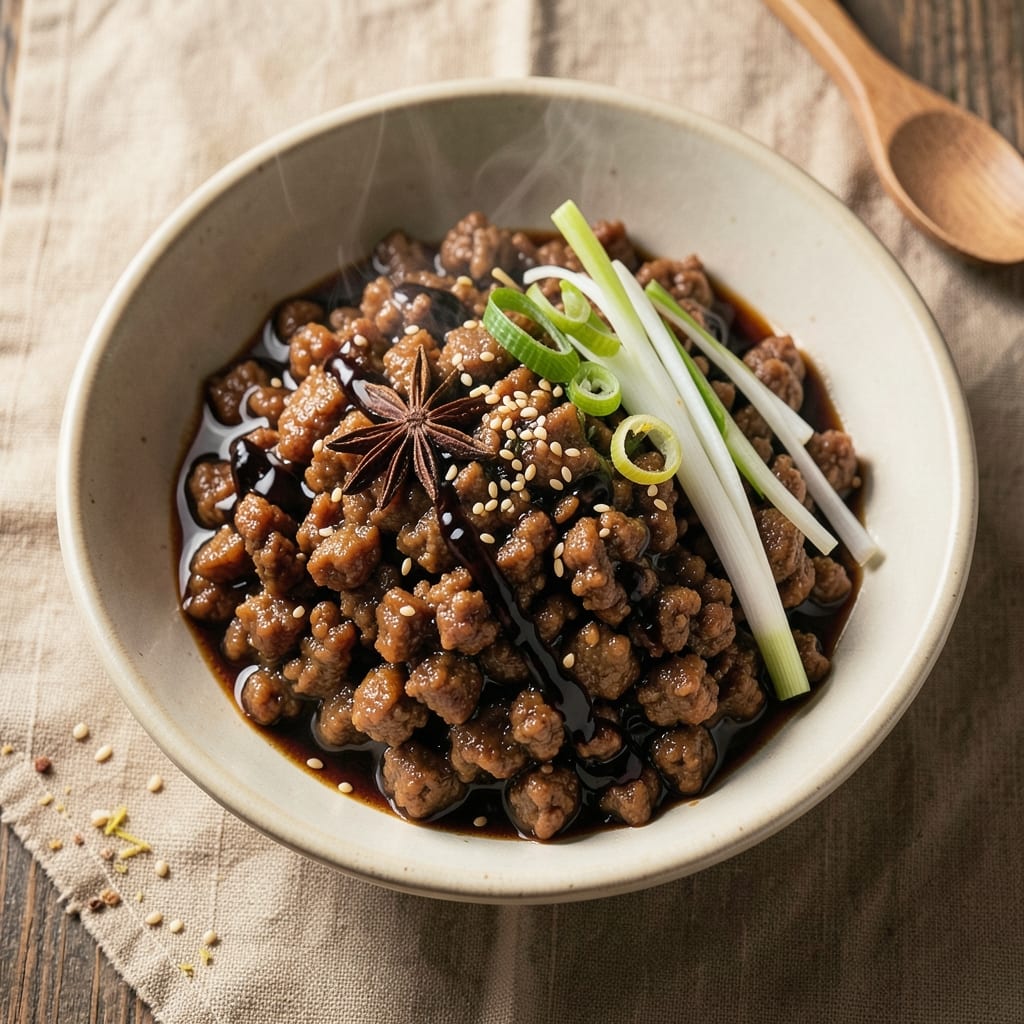
This bao bun beef filling recipe delivers restaurant-quality spiced ground beef with aromatic star anise that transforms simple steamed buns into a gourmet experience. The secret lies in slow-cooking the beef with warm spices until it becomes tender, flavorful, and perfectly textured for stuffing. I developed this recipe after years of perfecting the balance between rich umami and fragrant warmth that makes bao buns irresistible.
The filling combines ground beef with star anise, cinnamon, and soy sauce for depth, then simmers until the meat reaches fork-tender perfection. This method ensures the filling stays moist and flavorful even after steaming, creating that signature melt-in-your-mouth texture. The spices infuse gradually, avoiding overpowering the delicate bao dough while adding complexity that elevates every bite.
What sets this recipe apart is its versatility—use it as-is for classic bao buns or customize with chili flakes for heat, hoisin for sweetness, or extra ginger for brightness. The filling keeps well in the fridge for up to 5 days, making it perfect for meal prep or feeding a crowd. Once stuffed into buns, the contrast of soft dough and savory filling creates a dish that's both comforting and sophisticated.
Whether you're serving these as appetizers or a main course, this beef filling will impress even the most discerning eaters. The aromatic star anise gives it that signature depth, while the tender beef ensures every bite is satisfying. Ready to master bao buns? Let's get started with this essential filling.
Ingredients for bao bun beef filling
Fourteen ingredients transform simple ground beef into restaurant-quality bao bun filling.
| Ingredient | Amount | Notes |
|---|---|---|
| Ground Beef 🥩 | 1 ½ lb | 80% lean, finely ground |
| Star Anise 🌿 | 2 whole | Whole pods, crushed |
| Ground Cinnamon 🌶️ | 1 tsp | Freshly ground preferred |
| Light Soy Sauce 🥄 | 2 tbsp | Kikkoman preferred |
| Dark Soy Sauce 🥄 | 1 tbsp | For depth of color |
| Sesame Oil 🫒 | 1 tbsp | Toasted, for aroma |
| Fresh Ginger 🧅 | 1 tbsp | Finely grated, peel on |
| Garlic Cloves 🧄 | 4 cloves | Minced, fresh preferred |
| Green Onions 🧅 | 2 whole | Thinly sliced, white and green |
| Cornstarch 🌾 | 1 tbsp | For tenderizing texture |
| Vegetable Oil 🫒 | 1 tbsp | For searing beef |
| Water 💧 | ½ cup | For deglazing |
| White Pepper 🌶️ | ½ tsp | Freshly ground |
| Salt 🧂 | ½ tsp | Kosher or sea salt |
The star anise and cinnamon are non-negotiable here—they create that signature aromatic depth. Whole pods from an Asian market (like H Mart or 99 Ranch) pack more flavor than ground versions. If you can't find them, anise seeds work in a pinch, but the warmth will be slightly different. The beef should be finely ground—80% lean gives you that perfect balance of tenderness and richness. I always grab mine from the butcher counter at Whole Foods or Trader Joe's for the finest texture. Look for bright red color and good marbling—this ensures juiciness after slow cooking.
No star anise? 1/2 teaspoon anise extract mimics the flavor, though the texture will differ slightly. Running short on soy sauces? Double the light soy and add 1/2 teaspoon sugar for balance. Fresh ginger is ideal, but dried ginger at half the amount works if you're in a hurry. The green onions can be swapped for scallions or chives, but the white parts add essential texture. For extra richness, add 1 tablespoon hoisin sauce—it adds sweetness without overpowering. The cornstarch is crucial; it helps tenderize the beef and gives that signature bao filling texture. If you're making a big batch, double the cornstarch for even better results.
This filling reheats beautifully—simmer gently in a pot with a splash of water for 2-3 minutes until hot. Keeps for 5 days in the fridge, sealed tightly in an airtight container. For longer storage, freeze in 1-cup portions—they thaw perfectly in the fridge overnight. I always make extra and freeze half; it's perfect for quick bao bun assemblies later. The filling thickens as it cools, so a quick stir with a splash of water before serving ensures that perfect consistency every time.
Why You'll Love This Recipe
- No-Fuss Pantry Magic: I swear by this recipe when I forget to thaw meat or just don’t feel like shopping. The star anise and cinnamon give it depth without extra effort—just toss everything in one bowl, let it sit while you prep the buns, and boom.
- Umami Bomb Combo: That dark soy sauce? It’s the secret weapon. The light soy keeps it balanced, but the dark adds this caramelized richness that makes every bite taste like a little flavor explosion. Honestly, I’ve made this filling three ways, and this version always wins.
- Stealth Meal Prep: Between us, this is my go-to for lazy Sundays or when I need to feed a crowd. Double the batch, freeze half, and you’ve got a ready-to-stuff filling for weeks. My college-aged son microwaves it straight into a tortilla when he’s too tired to cook.
- Budget Stretch: Ground beef is cheap, and these spices? A single jar lasts for months. I’ll be real: I’ve used this same filling for bao, lettuce wraps, and even stuffed peppers—all while keeping my grocery bill in check. (Yes, even on a Tuesday night.)
Step-by-step instructions for bao bun beef filling
Here's the professional method for crafting aromatic, tender beef filling with perfect texture and depth of flavor.
Prepare the Aromatics and Season the Beef
In a small bowl, combine the 1 tbsp cornstarch, 1 tsp ground cinnamon, 0.5 tsp white pepper, and 0.5 tsp salt. This dry blend will tenderize the meat and create that signature bao bun flavor profile. Add the 1.5 lb ground beef to the bowl and gently mix with your hands until the cornstarch coating is even.
In a separate small bowl, crush the 2 whole star anise pods with the flat side of a knife or rolling pin. This releases their essential oils which will infuse the beef with warm, spiced aroma. Set aside with the 1 tbsp finely grated fresh ginger and 4 minced garlic cloves—these aromatics form the flavor foundation.
Sear the Beef for Maximum Flavor
Heat a large skillet over medium-high heat until hot, then add the 1 tbsp vegetable oil. When the oil shimmers, add the seasoned ground beef in one batch, breaking it up with a wooden spoon. Cook undisturbed for 2-3 minutes until the beef begins to brown deeply—this Maillard reaction creates the rich umami base.
Stir occasionally for another 3-4 minutes until the beef is no longer pink in the center. The goal is to develop a deep brown crust while keeping the texture fine and tender. Remove from heat and set aside temporarily—we'll return to it after building the aromatic base.
Build the Aromatic Sauce Base
In the same skillet (no need to clean it—the browned bits add flavor), reduce heat to medium and add the crushed star anise, ginger, and garlic. Sauté for 30 seconds until fragrant—you should smell the warm spices and fresh garlic immediately. This is where the magic happens.
Pour in the 2 tbsp light soy sauce and 1 tbsp dark soy sauce (the dark sauce adds that signature bao bun color). Add the 1 tbsp toasted sesame oil and 0.5 cup water, then scrape up any browned bits from the bottom of the pan. Let this mixture simmer for 2 minutes until slightly reduced.
Combine and Finish the Filling
Return the cooked beef to the skillet and stir to combine with the aromatic sauce. The liquid should coat the beef evenly, creating a glossy, cohesive filling. Simmer for an additional 2-3 minutes until the sauce thickens slightly and the flavors meld completely.
Taste and adjust seasoning if needed—you may want to add a touch more soy sauce for saltiness or a pinch of cinnamon for warmth. The filling should be tender, aromatic, and slightly sticky from the sauce. Remove from heat and let it cool slightly before stuffing into bao buns.
Prepare for Stuffing (Optional Final Step)
For perfect bao bun filling texture, transfer the beef mixture to a bowl and let it cool to room temperature. This prevents the buns from steaming and becoming soggy. The filling should be cool enough to handle but still maintain its shape when packed into the buns.
Here's the professional tip: If the filling seems too moist after cooling, spread it on parchment paper and chill for 15 minutes uncovered. This helps it firm up slightly for easier handling. The final product should be aromatic, tender, and perfectly seasoned—ready to create restaurant-quality bao buns.
Pro Tips For Making Bao Bun Beef Filling
- CRANK THE HEAT FIRST: Start your ground beef on high heat until it loses its raw color—about 2-3 minutes—before adding any spices. I learned this the hard way: low-and-slow makes greasy, mushy filling. Once it’s browned, then toss in star anise and cinnamon so they infuse without burning.
- TOAST THE SPICES: Lightly toast whole star anise and ground cinnamon in a dry pan for 30 seconds before adding to the beef. Sounds weird, but it works: the aroma compounds wake up, giving your filling that deep, bakery-style warmth instead of just a generic spice note. (Yes, even if you’re impatient like me.)
- DON’T OVERMIX THE SOY: Stir in light and dark soy sauces after the beef is fully cooked, then let it sit off heat for 2 minutes. Overmixing after adding sauce turns your filling into a gloppy paste—what you want is pockets of juicy beef, not a uniform sludge. A quick scrape with a spatula is enough.
- USE FAT-TRIMMED BEEF: Skip the lean ground beef—aim for 70/30 or 80/20 fat ratio. The fat renders down and keeps the filling moist, while lean beef dries out no matter how gently you cook it. (I skip this when I’m lazy, but the difference in texture is noticeable.)
Creative variations of this recipe
Spicy Chili Heat
Add 1 tsp chili flakes or ½ tsp gochujang (Korean chili paste) to the sauce base for a fiery kick. For extra heat, stir in 1 tbsp minced Thai bird's eye chilies with the fresh ginger and garlic. I like to balance the heat with 1 tsp sugar to prevent the filling from becoming too sharp—this mimics the spicy-sweet bao buns you find in Taiwan. 🌶️
Sweet Hoisin Twist
Swap 1 tbsp light soy sauce for 1 tbsp hoisin sauce to add natural sweetness and depth. Hoisin’s fermented bean paste gives the filling a glossy sheen and caramelized richness. For extra depth, add ½ tsp five-spice powder to the dry seasoning blend. This variation works especially well for breakfast bao buns with a drizzle of chili oil on top.
Herb-Infused Brightness
Stir in 1 tbsp chopped fresh cilantro or 2 tbsp finely sliced scallions at the very end for a fresh, bright finish. For a more complex herb profile, add ½ tsp dried thyme or 1 tsp chopped fresh shiso leaves (if available). These herbs cut through the richness and add a vibrant contrast—perfect for lighter, summer-inspired bao buns. ✨
Smoky BBQ Fusion
Replace the star anise with 1 tsp smoked paprika and add 1 tbsp BBQ sauce (like Sweet Baby Ray's) to the sauce base. This fusion style works surprisingly well and adds a smoky depth that pairs beautifully with the sesame oil. For extra authenticity, finish with 1 tsp liquid smoke—just a whisper adds complexity without overpowering. 🔥
Vegetarian Adaptation
Swap the beef for 1.5 lbs finely diced shiitake mushrooms and ½ cup textured vegetable protein (TVP) hydrated in ¼ cup soy sauce. Cook the mushrooms first until deeply browned, then proceed with the same aromatic base. For extra umami, add 1 tbsp soy sauce to the dry seasoning blend. This version keeps all the signature flavors while making it plant-based.
Freezer-Friendly Batch
Double the recipe and freeze half for future bao bun days. Portion the filling into 1-cup airtight containers or heavy-duty freezer bags, leaving ½ inch headspace for expansion. Thaw overnight in the fridge before using—no need to reheat if you're stuffing fresh buns. The filling keeps its texture beautifully after freezing, making this the ultimate make-ahead option. ❄️
Nutrition facts
Frequently asked questions
Can I use ground turkey or chicken instead of beef?
You can substitute, but the texture will differ slightly. Ground turkey (especially dark meat) works best—use 1.5 lb and increase the cornstarch to 2 tbsp for binding. Chicken stays juicier but lacks beef's richness. For chicken, add ½ tsp MSG or 1 tsp soy sauce extra to boost umami. The spices and star anise still shine through!
How do I prevent the filling from drying out in bao buns?
Keep the filling slightly moist by adding 1 tsp water per 1 cup before stuffing. Chill the filling for 15 minutes uncovered to firm it up, then pack it gently into the buns. Avoid overstuffing—leave ¼ inch headspace. Steam the buns immediately after shaping for perfect texture.
What's the best way to store leftover filling?
Store in an airtight container in the fridge for up to 5 days. For longer storage, freeze in 1-cup portions with ½ inch headspace. Thaw overnight in the fridge—never microwave directly. The filling reheats beautifully in a skillet with 1 tbsp water for 2-3 minutes until hot.
Can I make this filling ahead for a party?
This is perfect for meal prep. Make the filling 1-2 days ahead and store as directed. For parties, double the recipe and freeze half. Thaw overnight, then reheat gently before stuffing. The flavors actually deepen over time, making it more aromatic. Just ensure the filling is cool before stuffing to keep buns from getting soggy.
Why does my filling taste bland?
Most likely, the star anise wasn't crushed enough or cooked long enough. Always crush pods with a knife to release oils, then simmer for at least 2 minutes with the beef. For extra depth, add ½ tsp fish sauce or 1 tsp oyster sauce to the sauce base. Taste as you go—adjust soy sauce or spices gradually until balanced.