
Sauces & Condiments
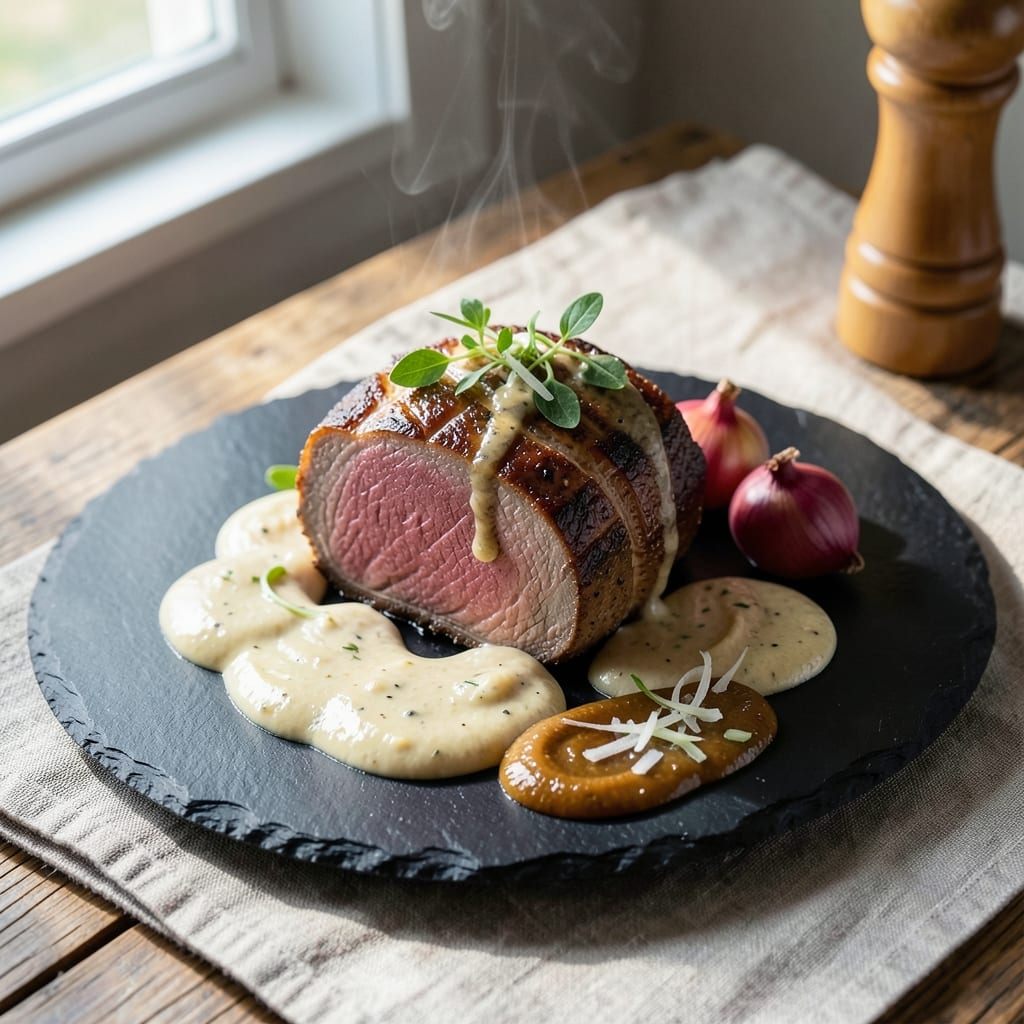
This Barefoot Contessa beef tenderloin recipe delivers melt-in-your-mouth perfection with a signature horseradish sauce that elevates every bite. The secret lies in precise temperature control and a simple yet transformative sauce that balances creamy richness with sharp horseradish heat. I've perfected this technique over countless dinner parties—where the tenderloin always disappears first—and it consistently earns rave reviews from even the most discerning guests.
The recipe begins with searing the beef to create a flavorful crust before finishing it in the oven at an exact temperature to ensure juicy, tender results every time. The homemade horseradish sauce—made with just five ingredients—adds a sophisticated touch that makes this dish feel restaurant-worthy without requiring advanced skills. What makes this version special is how the sauce's bright acidity cuts through the beef's richness, creating perfect balance in each forkful.
By the time you serve this dish, you'll have a beautifully presented centerpiece with golden-brown edges and a pink center that practically melts. The horseradish sauce ties everything together, offering a creamy yet tangy complement that enhances rather than overpowers the beef. This is the kind of recipe that transforms a simple weeknight dinner into an unforgettable culinary experience.
Pair it with roasted vegetables or creamy mashed potatoes for a complete meal that feels both elegant and approachable. The technique is straightforward, but the results are nothing short of impressive—ideal for special occasions or when you want to impress without stress. Let's get started on creating your signature tenderloin dish.
Ingredients for barefoot contessa beef tenderloin with horseradish sauce
Center-cut beef tenderloin and five simple sauce ingredients transform into restaurant-quality perfection.
| Ingredient | Amount | Notes |
|---|---|---|
| Beef Tenderloin 🥩 | 2 lb | Center-cut, trimmed of silver skin |
| Unsalted Butter 🧈 | 4 tbsp | Cold, cut into 8 pieces |
| Kosher Salt 🧂 | 1 ½ tsp | Diamond Crystal preferred |
| Freshly Ground Black Pepper 🌶️ | 1 tsp | Coarsely ground |
| Shallot 🧅 | 1 whole | Minced, about 1 tbsp |
| Fresh Horseradish Root 🌿 | 2 tbsp | Grated, freshly prepared |
| Heavy Cream 🥛 | 1 cup | Full-fat for best texture |
| Dijon Mustard 🍯 | 1 tbsp | High-quality, smooth |
| Extra-Virgin Olive Oil 🫒 | 2 tbsp | For searing |
| Fresh Lemon Juice 🍋 | 1 tbsp | From 1 small lemon |
| Fresh Thyme Leaves 🌿 | 8 whole | From 2 sprigs, chopped |
| Garlic Cloves 🧄 | 2 cloves | Minced, about 0.5 tsp |
| All-Purpose Flour 🌾 | 1 tbsp | For dredging tenderloin |
The beef tenderloin is non-negotiable—center-cut with visible marbling ensures tenderness. Most butchers will trim the silver skin for you, but if not, do it yourself for a cleaner finish. For dinner parties, I always buy from Whole Foods or a trusted local butcher where the cuts are consistently high-quality. The horseradish root should be firm and white—avoid any with dark spots or softness, as it indicates age. Freshly grated horseradish delivers that signature sharpness that sets this dish apart.
No fresh horseradish? Prepared horseradish from a jar works in a pinch, but reduce to 1 tbsp—it's less potent. The Dijon mustard should be smooth, not coarse—Amoy brand is my go-to for its balanced flavor. For the sauce, full-fat heavy cream is essential; reduced-fat versions won't emulsify properly. The lemon juice should be freshly squeezed—bottled juice lacks brightness. If you're short on time, pre-minced garlic from a jar is acceptable, though fresh is ideal for deeper flavor. The thyme can be dried at half the amount, but fresh leaves add an aromatic complexity that dried can't match.
The tenderloin should rest at room temperature for 30 minutes before cooking—this ensures even doneness. Once seared, it can be refrigerated for up to 2 days before roasting, but bring it to room temperature again before finishing in the oven. The horseradish sauce keeps for 3 days in the fridge, though the flavor intensifies over time. For serving, I always reheat the sauce gently—never boil—to preserve its creamy texture and bright acidity. Leftovers reheat beautifully; slice the tenderloin thinly and warm with a splash of beef broth.
Why You'll Love This Recipe
- I’ll be real: most roast leftovers are sad. Not this. The tenderloin stays juicy, and the sauce? Even better the next day. Pack it for lunches or reheat it for a lazy Sunday—no one will complain.
- Two-Ingredient Magic: I swear by this trick—just butter and salt on the beef, then a quick sear. That’s it. The tenderloin does all the work, melting into perfection while you prep the horseradish sauce in minutes.
- Horseradish Kick: Honestly, the sauce is what makes this dish dangerously good. The creamy horseradish cuts through the richness of the beef, and that tangy bite? It’s the kind of flavor that lingers and makes you reach for seconds.
- Weeknight Hero: Between us, this is my go-to when I need something impressive but low-effort. Slice the shallots while the beef rests, toss in a splash of butter, and boom—dinner’s ready before the kids even notice.
Step-by-step instructions for horseradish-kissed beef tenderloin
Master this technique for restaurant-quality beef that's perfectly tender with a bright horseradish sauce.
Prep and Sear the Beef Tenderloin
Begin by patting the 2 lb beef tenderloin completely dry with paper towels—this ensures maximum browning. Place it on a cutting board and make a shallow crosshatch pattern of cuts about ¼-inch deep on each side using a sharp knife. This creates a textured surface for better seasoning adherence and sauce absorption.
In a small bowl, combine the 1.5 tsp kosher salt and 1 tsp freshly ground black pepper. Generously coat the tenderloin with this mixture, pressing it into the cuts. Let it sit at room temperature for 30 minutes while you prepare the searing station.
Heat a heavy oven-safe skillet over medium-high heat until very hot. Add 2 tbsp extra-virgin olive oil and swirl to coat the bottom evenly. Place the tenderloin in the skillet and sear for 3-4 minutes per side until it develops a deep golden-brown crust. The reason for this high-heat sear is to lock in juices while creating that essential Maillard reaction for flavor development.
Build the Horseradish Cream Sauce
While the beef sears, prepare the sauce components. In a small saucepan over medium heat, melt 2 tbsp unsalted butter and add the 1 whole minced shallot. Cook for 2-3 minutes until the shallot softens and becomes translucent—this prevents it from being overpowering in the final sauce.
Add the 2 cloves minced garlic and 8 chopped fresh thyme leaves to the pan, cooking for 30 seconds until fragrant. Immediately remove from heat and stir in the 2 tbsp freshly grated horseradish root and 1 tbsp Dijon mustard. The horseradish will release its signature kick, so be cautious not to inhale deeply—it's potent stuff.
Return the pan to low heat and whisk in the 1 cup heavy cream and 1 tbsp fresh lemon juice. Simmer gently for 3-4 minutes until the sauce thickens slightly but remains silky. Taste and adjust seasoning with additional salt if needed—this sauce should balance the horseradish's heat with creamy richness.
Finish the Beef and Sauce Together
Transfer the seared tenderloin to the preheated 425°F oven in its skillet. Roast for 15-20 minutes until the internal temperature reaches 130°F for medium-rare (use a meat thermometer for accuracy). The residual heat in the skillet will help cook it evenly without drying out.
While the beef roasts, keep the sauce warm on the stovetop over low heat. Just before removing the tenderloin from the oven, increase the heat to medium and stir in the remaining 2 tbsp cold butter cut into pieces. This creates a luxurious, velvety finish that coats the beef beautifully.
Remove the beef from the oven and let it rest for 10 minutes before slicing—this crucial step allows the juices to redistribute throughout the meat. The horseradish sauce should be thickened slightly from the residual heat, ready to drizzle over each perfect slice.
Slice and Serve with Confidence
Slice the tenderloin against the grain into ½-inch thick medallions. The crosshatch cuts you made earlier will help guide your knife and create uniform slices. Arrange the slices on a warm platter and spoon the horseradish cream sauce generously over the top.
For presentation, garnish with additional chopped fresh thyme leaves and a final crack of black pepper. The contrast between the creamy sauce and the tender beef creates an elegant yet approachable dish that's perfect for special occasions or weeknight dinners alike.
Pro Tips For Making Barefoot Contessa Beef Tenderloin With Horseradish Sauce
- USE A THERMOMETER: The Barefoot Contessa recipe calls for medium-rare, but I learned the hard way—guestimating by touch leads to overcooked beef. Tenderloin hits 130°F (54°C) for perfect medium-rare, and it’ll rise another 5°F (3°C) while resting. No excuses—get one for $20 and never second-guess again.
- SWEAT THE SHALLOTS LOW: This isn’t a sear—it’s a gentle melt. Cook the shallots in butter over medium-low heat for 8–10 minutes until they’re translucent and jammy, not browned. Rushed shallots taste raw; slow and steady gives that rich, caramelized depth the sauce needs.
- SALT THE BUTTER: Unsalted butter is your friend, but don’t forget to season it. Mix in ½ teaspoon kosher salt per ¼ cup butter before basting—it cuts through the richness and balances the horseradish’s kick. I used to skip this, and the sauce always felt flat.
- REST THE MEAT LONGER: Ten minutes isn’t enough. Tent the tenderloin with foil and let it rest 15–20 minutes before slicing—this keeps juices locked in. I know, you’re hungry, but cutting early turns a juicy steak into a dry disappointment. Trust the process.
Make-ahead tips for this barefoot contessa beef tenderloin with horseradish sauce
Prep Ahead
Pat the 2 lb beef tenderloin completely dry and season it with 1.5 tsp kosher salt and 1 tsp black pepper up to 24 hours in advance. Store it uncovered in the fridge—this helps dry the surface further for better searing. The crosshatch cuts can be made the night before if you prefer, but I find fresh cuts work best for texture. 🧂
Sauce Prep
Make the horseradish cream sauce 1 day ahead for maximum flavor development. Combine all ingredients except the 2 tbsp cold butter (add that fresh when finishing). Store in an airtight container in the fridge—it thickens beautifully overnight. Reheat gently on the stovetop before serving, whisking in the cold butter at the end for that signature velvety finish. 🥛
Beef Storage
After searing (but before roasting), the tenderloin can be refrigerated for up to 2 days in its skillet. Cover loosely with foil and reheat in the oven at 375°F for 10-15 minutes before finishing at 425°F. This is perfect for dinner parties—just sear and refrigerate the day before, then roast when ready to serve. 🍽️
Reheating Leftovers
Slice any leftover tenderloin into ½-inch medallions and reheat in a skillet over medium heat with 1 tbsp beef broth for 3-4 minutes per side. The horseradish sauce reheats well too—simmer gently with 1 tbsp heavy cream to restore its silky texture. I love serving these leftovers on toasted baguette slices for a quick lunch. 💡
Freezing Tips
For longer storage, freeze the raw, seasoned tenderloin (uncooked) for up to 3 months wrapped tightly in plastic and foil. Thaw overnight in the fridge before cooking. The sauce freezes beautifully too—just add 1 extra tbsp heavy cream when reheating to compensate for moisture loss. 🧊
Make-Ahead Timeline
Here's my foolproof schedule for stress-free cooking: Day Before – Prep sauce and season beef. Morning Of – Let beef sit at room temp for 30 minutes while preheating oven. 30 Minutes Before Serving – Sear, roast, and rest. This ensures you're not rushed during the critical final steps. ✨
Nutrition facts
Frequently asked questions
Why does Barefoot Contessa's recipe use crosshatch cuts on the beef?
The shallow crosshatch cuts create a textured surface that helps the seasoning cling better and allows the horseradish sauce to penetrate slightly when served. This technique also makes for more uniform slices that look elegant on the plate. The cuts should be about ¼-inch deep—just enough to create texture without compromising the meat's structure.
Can I substitute horseradish root with prepared horseradish?
Yes, but use only 1 tbsp of prepared horseradish instead of the 2 tbsp grated root called for. Prepared horseradish is more concentrated, so you'll need less to achieve the same level of heat. For best results, combine it with 1 tsp lemon juice to brighten the flavor before adding to the sauce. The texture won't be quite as velvety, but it will still deliver that signature kick.
How do I adjust the cooking time if my tenderloin is a different size? Use a meat thermometer to determine doneness—130°F for medium-rare is ideal. For a 3 lb tenderloin, add about 10-15 minutes to the roasting time, while a 1 lb tenderloin will cook in roughly 10 minutes.
What's the best way to reheat leftovers?
Slice the tenderloin into ½-inch medallions and reheat in a skillet over medium heat with 1 tbsp beef broth for 3-4 minutes per side. For the sauce, gently reheat on the stovetop with 1 tbsp heavy cream to restore its silky texture. Avoid high heat to prevent the sauce from breaking or the beef from drying out. This method keeps the dish just as flavorful as when it was first served.
Can I make this dish ahead of time for a dinner party?
Sear the tenderloin and refrigerate it in its skillet (covered loosely with foil) for up to 2 days before roasting. The day of serving, reheat at 375°F for 10-15 minutes before finishing at 425°F. The sauce can be made 1 day ahead and stored in an airtight container. This approach lets you focus on plating and entertaining rather than last-minute cooking.