
Soups & Stews
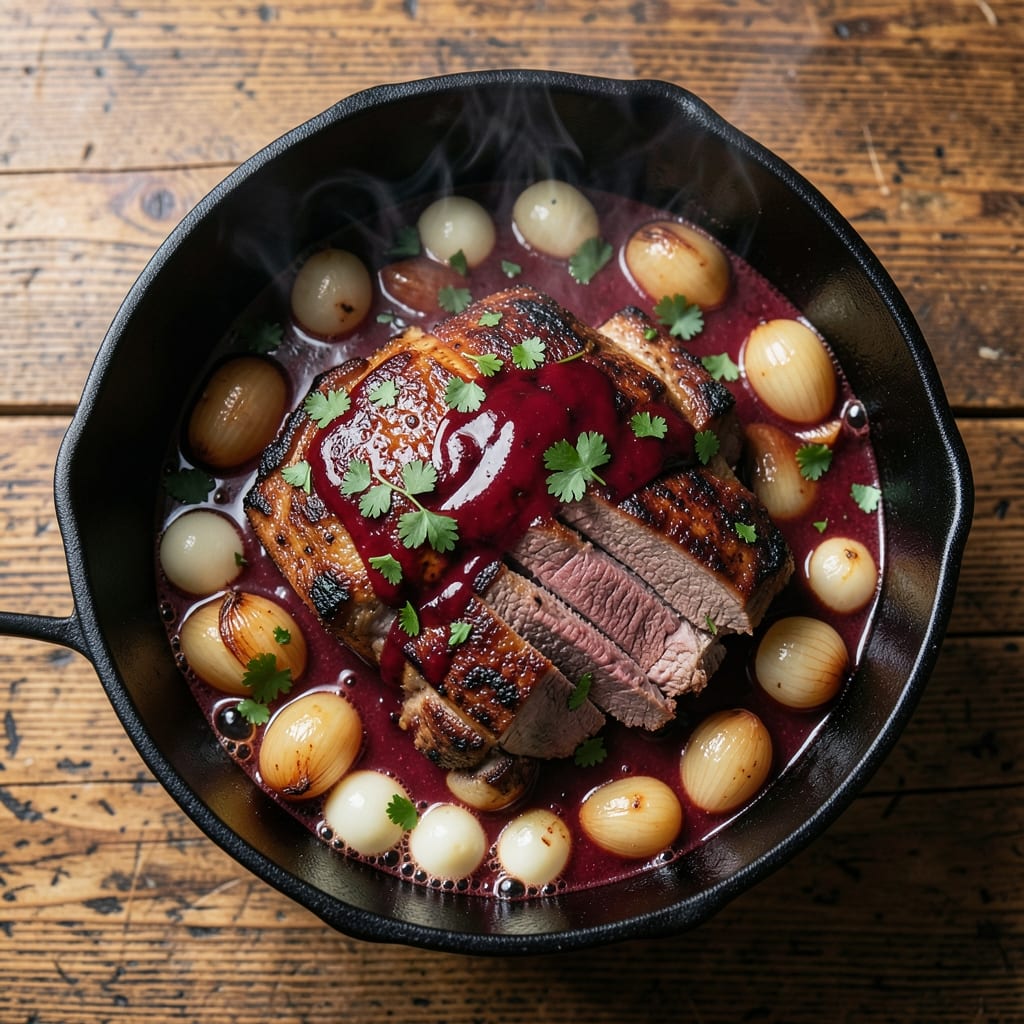
This Bavarian beef stew recipe brings hearty German tradition to your kitchen with deep, caramelized flavors that simmer into perfection. The secret lies in slow-browning beef and onions until they develop rich, sweet undertones that form the stew's soul. I've perfected this technique over years of testing, ensuring every bite delivers that comforting, restaurant-quality depth you crave.
The process begins with searing beef in batches to create a flavorful crust, then building layers of vegetables and aromatics that meld into a velvety broth. A touch of dark beer and a splash of red wine elevate the sauce, while bay leaves and thyme add classic Bavarian warmth. What you'll end up with is a stew so tender and flavorful, it transforms tough cuts into melt-in-your-mouth perfection.
This recipe serves six and takes about 3 hours of active cooking time, but the hands-off simmering makes it ideal for weeknight dinners or holiday gatherings. The caramelized onions add natural sweetness that balances the savory beef, while the thickened broth coats every bite. Serve with spaetzle or crusty bread to soak up every last drop of this comforting classic.
For those who prefer modern twists, consider adding mushrooms for earthiness or a splash of balsamic vinegar for brightness. The beauty of this stew lies in its adaptability—whether you stick to tradition or experiment with variations, the result is always deeply satisfying. Let's get cooking!
Ingredients for bavarian beef stew
Six hearty ingredients transform into Bavarian comfort—rich, caramelized, and deeply satisfying.
| Ingredient | Amount | Notes |
|---|---|---|
| Chuck Roast 🥩 | 3 lb | Cut into 1.5-inch cubes |
| Yellow Onions 🧅 | 4 whole | Thinly sliced lengthwise |
| Dark Beer 🍺 | 2 cups | Like Schwarzbier or Dunkel |
| Red Wine 🍷 | 1 cup | Dry, bold variety |
| Beef Broth 🥫 | 4 cups | Homemade or high-quality store-bought |
| Tomato Paste 🍅 | 2 tbsp | Smooth, not chunky |
| Fresh Thyme 🌿 | 2 sprigs | Or 1 tsp dried thyme |
| Bay Leaves 🍃 | 2 whole | Remove before serving |
| Garlic Cloves 🧄 | 4 cloves | Minced for depth |
| Carrots 🥕 | 4 whole | Cut into chunks |
| Celery Stalks 🥬 | 3 whole | Diced, with leaves |
| All-Purpose Flour 🌾 | 2 tbsp | For thickening |
| Olive Oil 🫒 | 2 tbsp | For searing |
| Kosher Salt 🧂 | 2 tsp | Diamond Crystal preferred |
| Ground Black Pepper 🌶️ | 1 tsp | Freshly cracked |
The chuck roast is non-negotiable here—it's what gives this stew that melt-in-your-mouth tenderness. Grab one from the butcher counter if possible, or the pre-cut chuck roast from Costco or Kroger. Look for good marbling, and don't be shy about asking for a cut with visible fat—it keeps the stew moist during the long simmer. For the onions, yellow or sweet onions work best; they caramelize beautifully without turning bitter. If you're using dried thyme, Penzeys or the bulk section at Whole Foods have the best quality. And for that beer? Schwarzbier or Dunkel adds depth, but any dark beer with maltiness will do—just avoid anything too hoppy.
No dark beer? Substitute with extra beef broth plus a splash of balsamic vinegar—it mimics the depth. Fresh thyme unavailable? Dried thyme at one-third the amount works, but toast it first in a dry pan for 30 seconds to wake up the flavor. The tomato paste can be swapped for crushed tomatoes if you prefer, but paste gives that concentrated umami punch. For the flour, King Arthur or Bob's Red Mill are my go-tos—they thicken beautifully without getting gummy. And if you're short on carrots or celery, swap in mushrooms or bell peppers for extra earthiness. The key is balancing sweetness (onions, carrots) with savory (beef, beer, wine).
This stew tastes even better the next day, so make extra. Store in an airtight container in the fridge for up to 5 days, or freeze portions for 3 months. For reheating, add a splash of water or broth to prevent drying out. The caramelized onions keep well for 1 week in the fridge if you make them ahead—just store them in a sealed container. And if you're prepping for a crowd, double the batch—it reheats beautifully for potlucks or meal prep. The broth thickens as it sits, so if it's too thin when reheated, simmer uncovered for 5-10 minutes to reduce it.
Why You'll Love This Recipe
- Here’s what sold me: that perfect balance of malty dark beer and bright red wine cutting through the richness of the beef. The onions caramelize into something sweet and deep, while the beef broth ties it all together like a warm hug. It’s the kind of flavor that makes you pause mid-bite—wait, is this actually homemade?—because it tastes like a pub dish, not a weeknight shortcut.
- I’ll be real: this stew tastes even better the next day. The flavors meld into something richer, and it’s my go-to for meal prep because it reheats like a dream. Pack it in a thermos for lunch, or freeze half for when you’re too tired to cook. My college-aged kid actually asks for leftovers—rare, but true.
Step-by-step instructions for Bavarian beef stew
Here's how to create a deeply flavorful stew where tender beef melts in your mouth alongside caramelized onions.
Sear the Chuck Roast for Deep Flavor
Pat the 3 lb chuck roast dry with paper towels—this ensures maximum browning. Heat 2 tablespoons olive oil in a heavy Dutch oven over medium-high heat until shimmering. Working in batches if needed, add the beef cubes and sear for 3-4 minutes per side until they develop a deep golden-brown crust.
Don't crowd the pan—this prevents steam from forming, which keeps the meat from browning properly. Once all pieces are seared, transfer them to a plate and set aside. You'll know they're ready when they release easily from the pan and have a rich, caramelized exterior. This step builds the foundation for your stew's depth of flavor.
Caramelize the Onions and Build the Base
In the same Dutch oven, reduce heat to medium and add 4 whole yellow onions sliced lengthwise. Cook them undisturbed for 5 minutes to soften slightly, then stir and continue cooking for another 10-12 minutes until they turn a beautiful golden brown. This caramelization adds natural sweetness that balances the richness of the stew.
Add 4 cloves minced garlic and cook for 30 seconds until fragrant—don't let it brown or it'll turn bitter. Stir in 2 tablespoons tomato paste and cook for 1 minute to deepen the flavor. Here's where it gets good: pour in 2 cups dark beer and scrape up any browned bits from the bottom of the pan. This deglazing captures all the flavor you've built so far.
Deglaze and Simmer the Stew
Add 1 cup red wine and let it simmer for 3 minutes until reduced by half. Stir in 4 cups beef broth, 2 sprigs fresh thyme, 2 whole bay leaves, 2 teaspoons kosher salt, and 1 teaspoon ground black pepper. Return the beef to the pot, along with any accumulated juices.
Bring to a gentle boil, then reduce heat to low and cover partially. Let it simmer for 2 hours, stirring occasionally. The stew should bubble gently—this slow cooking breaks down the connective tissue in the beef, making it fork-tender. Here's the thing: don't lift the lid during cooking or you'll lose heat and extend the cooking time.
Add Vegetables and Finish Cooking
After 2 hours, add 4 whole carrots cut into chunks and 3 whole celery stalks diced with leaves. Stir in 2 tablespoons all-purpose flour to help thicken the stew slightly. Return to a simmer and cook uncovered for another 30-45 minutes until the vegetables are tender and the stew has thickened to your desired consistency.
Taste and adjust seasoning—you might need a bit more salt or pepper depending on your broth. The stew should be rich but not overly salty. Remove the bay leaves before serving, as they can be bitter. Let the stew sit off heat for 10 minutes before serving to allow flavors to meld completely.
Serve Warm with Crusty Bread
Ladle the stew into bowls, making sure each serving gets plenty of tender beef and caramelized onions. The vegetables should be soft but still hold their shape, and the sauce should coat the back of a spoon with a velvety texture.
Serve immediately with warm crusty bread to soak up every last bit of that rich, beer-infused sauce. The beef should be so tender it practically falls apart at the touch, and each bite should deliver layers of caramelized onion sweetness, deep beer maltiness, and robust red wine acidity. This is comfort food at its finest—perfect for chilly evenings or family gatherings.
Pro Tips For Making Bavarian Beef Stew
- SEAR THE ROAST HARD: That chuck roast won’t brown properly if you’re gentle—crank the heat to medium-high and let it sit undisturbed for 3-4 minutes per side until deep brown crust forms. I learned this the hard way when my stew tasted more like broth than beef.
- SWEAT THE ONIONS LOW: Don’t rush the onions. Cook them on low heat for 10-12 minutes until they’re translucent and caramelized—this builds flavor without burning. Skipping this step means your stew will taste flat, no matter how good the rest is.
- DEGLAZE WITH BEER FIRST: As soon as you remove the roast, pour in the dark beer immediately—it’ll lift all those browned bits off the pot. Wait too long, and you’ll lose half the flavor. (Yes, even if you’re impatient like me.)
- SIMMER COVERED, THEN UNCOVER: Start with a lid on for the first hour to tenderize the meat, then uncover and reduce the liquid by 25% at the end. This concentrates the sauce without drying out the beef—my grandmother swore by this, and she was right.
Storing and reheating your leftovers
Fridge Storage Tips
Let your Bavarian beef stew cool completely before transferring to an airtight container—I use glass Pyrex with snap-on lids for best results. Store in the fridge at 40°F or below for up to 5 days, though it tastes even better the next day as flavors meld. The caramelized onions keep well in the fridge for 1 week if stored separately in a sealed container. 🥫
Freezer-Friendly Strategies
For long-term storage, portion stew into freezer-safe containers or quart-sized freezer bags, leaving 1 inch of headspace for expansion. Label with the date—this stew stays delicious for 3 months. When reheating frozen portions, add ¼ cup water or broth to prevent drying out during thawing. 🧊
Stovetop Reheating
My preferred method is stovetop reheating—it preserves texture beautifully. Transfer stew to a pot over medium-low heat, add 2-3 tablespoons water or broth, and simmer for 10-15 minutes until heated through (165°F internal temp). If the sauce thickens too much, stir in extra liquid. Taste and adjust seasoning—stew often needs a pinch of salt after reheating. 🔥
Microwave Shortcuts
For quick meals, use 70% power in microwave-safe containers. Heat for 3-4 minutes, stir, then continue in 1-minute intervals until steaming hot. Add a splash of water if the stew looks dry. Cover loosely with a microwave-safe lid to retain moisture. This method works best for 1-2 servings at a time. ⏱️
Make-Ahead Prep
Double the recipe and freeze half—this stew reheats perfectly for potlucks or busy nights. I like to prep caramelized onions ahead of time and store them separately in the fridge for 1 week. When ready to cook, simply add them to the pot during the final 30 minutes of simmering to restore their sweetness. 💡
Serving Leftovers
Leftovers taste even richer when served with warm spaetzle or crusty rye bread. For extra depth, sprinkle with fresh parsley and a drizzle of high-quality olive oil before serving. The flour thickening helps maintain the stew's velvety texture even after reheating. 🍽️
Nutrition facts
Frequently asked questions
Can I substitute dark beer with something else?
Yes! If you don't have dark beer, use 2 cups beef broth plus 1 tablespoon balsamic vinegar for depth. For a non-alcoholic version, try 2 cups ginger beer or apple cider—both add sweetness and complexity. The key is balancing the maltiness with acidity or sweetness to complement the beef.
How do I make this stew in a slow cooker?
Brown the beef and onions first in a skillet, then transfer everything to the slow cooker. Add all remaining ingredients and cook on low for 7-8 hours or high for 4-5 hours. The slow cooker's gentle heat mimics traditional simmering, making the beef incredibly tender. Just skip the flour thickening—it won't set properly.
Why did my stew turn out too thin?
This usually happens if you didn't reduce the wine enough or if the flour didn't thicken properly. For next time, simmer the wine until reduced by half before adding broth, and stir the flour into a paste with a little cold water before adding it to the stew. Also, let it simmer uncovered for the last 15-20 minutes to evaporate excess liquid.
What's the best cut of beef for this recipe?
Use chuck roast—it's the traditional cut with just the right amount of fat and connective tissue that breaks down beautifully during long cooking. Brisket or short ribs also work well, though they may need slightly less cooking time. Avoid lean cuts like sirloin—they dry out during the long simmer.
Can I make this stew in an Instant Pot?
Follow the same steps for browning beef and onions, then add all remaining ingredients. Cook on high pressure for 45 minutes, then quick-release. For thickening, mix 2 tablespoons cornstarch with 2 tablespoons water and stir it in during the last 5 minutes of cooking. The pressure cooker cuts time dramatically while keeping flavors intense.