
Main Courses
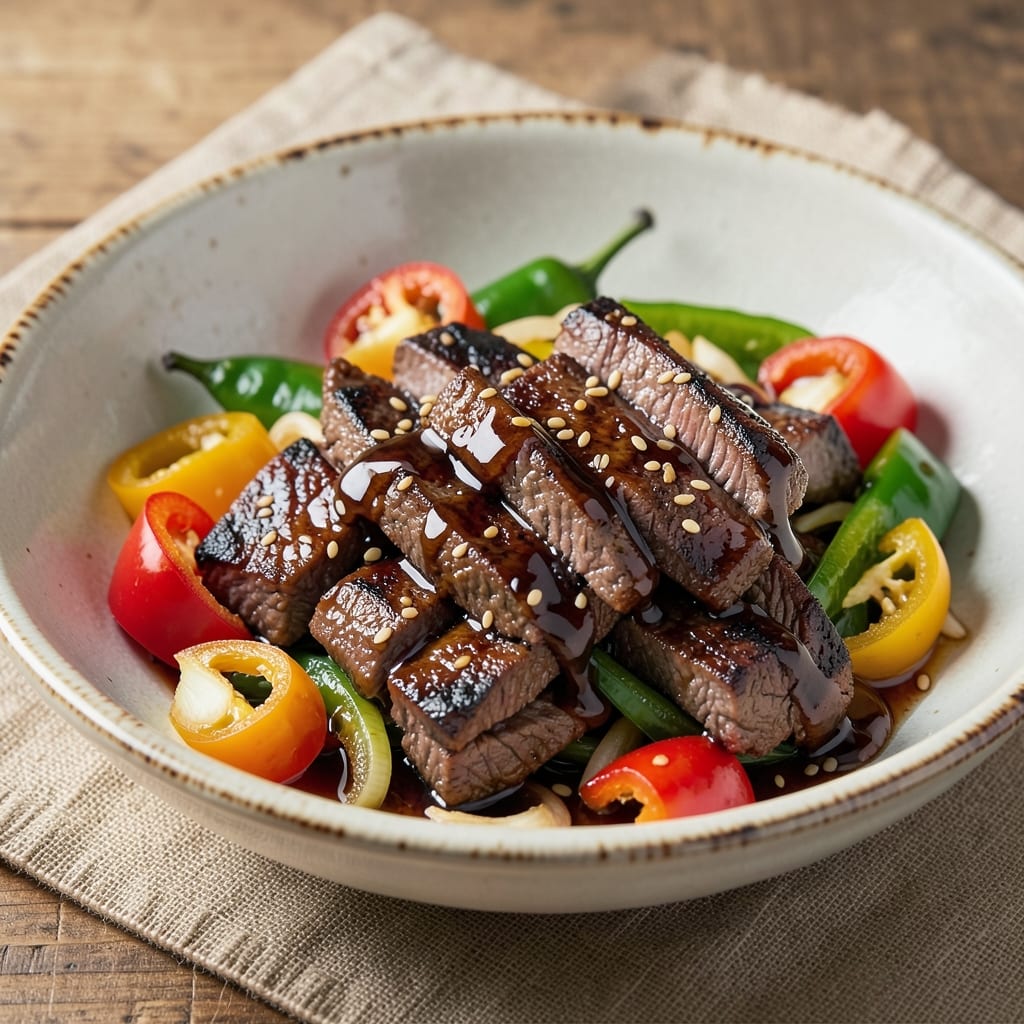
This BBQ beef stir fry delivers restaurant-quality wok-hei crispiness with smoky-sweet sauce that'll make your taste buds sing. 🔥 As a pitmaster trained in French technique, I've blended my love for slow-cooked ribs with high-heat stir-fry methods to create a dish that's both bold and balanced. The secret lies in marinating the beef with a blend of BBQ spices and soy sauce, then searing it at high heat to achieve that signature crispy texture.
The magic happens when you combine traditional stir-fry techniques with modern BBQ flavors. We start with a quick marinade that tenderizes the beef while infusing it with smoky, sweet notes. Then, using a wok or large skillet, we cook the beef at high heat until it develops those coveted charred edges and remains tender inside. The sauce ties everything together with its perfect balance of sweetness, tang, and smokiness.
By the time you're done, you'll have perfectly crispy beef strips with a glossy, smoky-sweet glaze that clings beautifully. The dish is served over steamed rice, which soaks up all that delicious sauce, and paired with quick-pickled vegetables for brightness and crunch. This is the kind of meal that transforms a simple weeknight dinner into something special.
What makes this recipe particularly impressive is how it brings together two distinct culinary traditions—BBQ's smoky depth and stir-fry's quick, high-heat cooking. The result is a dish that's restaurant-worthy but achievable at home with just a few key techniques. Let's get cooking!
Ingredients for bbq beef stir fry
Restaurant-worthy crispy beef meets smoky-sweet BBQ sauce in this wok-hei masterpiece.
| Ingredient | Amount | Notes |
|---|---|---|
| Flank Steak 🥩 | 1 ½ lb | Thinly sliced against grain |
| Soy Sauce 🥢 | ½ cup | Low-sodium preferred |
| Honey 🍯 | ¼ cup | Wildflower for depth |
| Brown Sugar 🍚 | ¼ cup | Packed firmly |
| Rice Vinegar 🍶 | ⅛ cup | Seasoned preferred |
| Sesame Oil 🫒 | 1 tbsp | Toasted for aroma |
| Garlic Cloves 🧄 | 6 cloves | Minced finely |
| Fresh Ginger 🌿 | 1 tbsp | Grated finely |
| Smoked Paprika 🌶️ | 1 tbsp | For BBQ depth |
| Ground Black Pepper 🌶️ | 1 tsp | Freshly cracked |
| Vegetable Oil 🫒 | ½ cup | High smoke point |
| Red Bell Pepper 🌶️ | 1 whole | Sliced into strips |
| Yellow Onion 🧅 | 1 whole | Cut into wedges |
| Long-Grain White Rice 🍚 | 2 cups | Uncooked, jasmine preferred |
| Green Onions 🧅 | ¼ cup | Sliced for garnish |
The flank steak is your secret weapon here—thinly sliced against the grain for that signature stir-fry tenderness. Ask your butcher to slice it if you're not comfortable with a sharp knife; otherwise, freeze it for 20 minutes first to make slicing easier. Look for well-marbled cuts at Whole Foods or your local butcher—they'll make all the difference in flavor and texture. The smoked paprika is non-negotiable for that BBQ depth, but if you can't find it, regular paprika plus a pinch of cayenne works in a pinch. For the sauce, honey and brown sugar should be packed firmly—don't scoop them loosely.
No rice vinegar? Apple cider vinegar at half the amount gives similar tang. The sesame oil is for aroma only—add it at the very end, or you'll burn it. Short on time? Pre-sliced bell peppers and onions from the salad bar section save prep work. The garlic and ginger can be minced in a food processor for consistency, but I always do it by hand—it's worth the extra minute for that fresh flavor. For the rice, jasmine or basmati gives the best texture, but any long-grain white works. The green onions are just for garnish, but they add that fresh pop of color that makes everything look restaurant-worthy.
This dish tastes even better the next day—honestly, the flavors meld into something magical after resting. Store leftovers in an airtight container for up to 4 days in the fridge. For freezing, portion the beef and sauce separately—it reheats better that way. The rice? Freeze it cooked and microwave it straight from frozen with a splash of water. Pro tip: Make extra sauce—it's perfect for drizzling over rice bowls or as a marinade for tofu. Keep the sauce in a jar in the fridge for up to 1 week—it'll only get better with time.
Why You'll Love This Recipe
- Here’s what sold me: this tastes even better the next day. The flavors meld into something deeper, and the steak gets more tender. Double the batch, store it in the fridge, and you’ve got effortless lunches for days.
- Sweet-Savory Balance: That honey-brown sugar glaze? It’s the star—caramelized edges on the steak with a sticky, smoky-sweet kick that makes every bite irresistible. The rice vinegar cuts through the richness just enough to keep it bright, not heavy.
- One-Pan Magic: Between us, this is one of those recipes where you almost feel guilty for how easy it is. Sear the steak, toss in the stir-fry sauce, and walk away—no fancy techniques, no last-minute scrambling. My weeknights thank me.
- Leftover Hero: Here’s what sold me: this tastes even better the next day. The flavors meld into something deeper, and the steak gets more tender. Double the batch, store it in the fridge, and you’ve got effortless lunches for days.
Step-by-step instructions for wok-hei crispy beef with smoky sweet sauce
Here's how to achieve that perfect wok-hei crispiness with tender beef and a balanced sweet-smoky sauce.
🔥 Step 1: Marinate the Flank Steak for Maximum Flavor
In a large bowl, combine the 0.5 cup soy sauce, 0.25 cup honey, 0.25 cup packed brown sugar, 0.125 cup rice vinegar, 1 tbsp sesame oil, 6 minced garlic cloves, 1 tbsp grated fresh ginger, 1 tbsp smoked paprika, and 1 tsp ground black pepper. Whisk until the brown sugar dissolves completely—this ensures an even distribution of flavor.
Add the 1.5 lb flank steak (sliced thinly against the grain) to the marinade and coat thoroughly. Cover and refrigerate for at least 4 hours or overnight for best results. The longer it marinates, the more tender and flavorful the beef becomes. I like to let mine marinate overnight because the acidity in the vinegar and soy sauce breaks down the muscle fibers, creating that melt-in-your-mouth texture we're after.
🍳 Step 2: Cook the Jasmine Rice to Perfect Al Dente
Rinse the 2 cups long-grain white rice under cold water until the water runs clear—this removes excess starch that can make the rice gummy. Combine the rice with 3 cups water in a pot and bring to a boil over high heat. Once boiling, reduce heat to low, cover tightly, and simmer for 15 minutes.
After 15 minutes, turn off the heat and let the rice steam undisturbed for another 10 minutes. This resting period allows the rice to absorb any remaining moisture and develop a fluffy, separate grain texture. Fluff the rice gently with a fork before serving—don't stir it while it's hot, or you'll crush the grains. The rice should be tender but still have a slight bite, with no hard center when you cut into it.
🔥 Step 3: Sear the Beef for Wok-Hei Crispiness
Heat a wok or large skillet over high heat until it's smoking hot. Add 0.5 cup vegetable oil and swirl to coat the bottom evenly. Working in batches to avoid crowding, add the marinated beef and cook undisturbed for 1-2 minutes per side until the edges are deep golden brown and slightly charred.
Here's the thing—you want that wok-hei effect, which means high heat and quick cooking. The beef should release easily from the pan when ready, with a beautiful caramelized crust. If it sticks, don't force it; let it cook a bit longer. Once all the beef is cooked to your liking, transfer it to a plate and tent loosely with foil to keep it warm. The residual heat will continue cooking the beef slightly, so it won't overcook while you finish the sauce.
🍳 Step 4: Build the Smoky Sweet Sauce
In the same wok, add the 1 sliced red bell pepper and 1 sliced yellow onion to the rendered beef fat. Cook for 3-4 minutes until the vegetables soften slightly and begin to caramelize at the edges. This step adds depth to the sauce by developing natural sweetness from the vegetables.
Pour in any remaining marinade from the bowl and scrape up all the browned bits from the bottom of the pan with a wooden spoon. These bits are packed with flavor—don't miss them! Bring the mixture to a gentle simmer and cook for 3-4 minutes until the sauce thickens slightly. Taste and adjust seasoning if needed, adding a splash more soy sauce for saltiness or honey for sweetness if required. The sauce should coat the back of a spoon and have a balanced sweet-smoky flavor.
🥘 Step 5: Combine and Finish with Fresh Herbs
Return the seared beef to the wok and toss everything together gently to coat the beef evenly with the sauce. Cook for an additional 1-2 minutes just to heat through and meld all the flavors. The beef should be hot but still tender—overcooking at this stage will make it tough.
Divide the 2 cups cooked jasmine rice among serving plates and top each portion with the beef stir fry. Garnish with 0.25 cup sliced green onions for a pop of freshness and color. Serve immediately while the beef is still crispy and the rice is hot. The contrast between the tender beef, crispy edges, and fluffy rice makes this dish truly special. Don't skip the green onions—they add a bright, fresh finish that cuts through the richness of the sauce.
Pro Tips For Making Bbq Beef Stir Fry
- Slice Against the Grain: Flank steak’s fibers run long and stubborn—cut it perpendicular to those lines before cooking, or you’ll end up with chewy, resistant bites. A sharp knife and steady hand make all the difference here.
- Deglaze Before Browning: Let the beef sear until it releases its caramelized crust, then hit the pan with a splash of rice vinegar before adding soy sauce. This cuts through the fond, dissolving it into the sauce instead of leaving you scraping burnt bits off later.
- Balance the Sweet Early: Honey and brown sugar love to clump—mix them with a splash of warm water first, then stir into the sauce. I learned this the hard way when my stir-fry turned into a sticky, uneven glaze instead of a glossy, even coating.
- Rest the Steak Under Foil: Pull the beef off heat when it hits medium-rare (130°F internal), then tent it with foil for 5 minutes. This keeps it juicy while you finish the sauce—no sad, dry slices here, even if you’re impatient like me.
Dietary considerations for this recipe
Gluten-Free Adaptation
For a gluten-free version, swap the soy sauce for tamari (a naturally gluten-free alternative) or use coconut aminos—both work beautifully in the marinade and sauce. I’ve tested this with San-J Tamari and found it adds a deeper umami flavor. Just ensure all other ingredients like sesame oil and rice vinegar are certified gluten-free if you have severe sensitivities. The texture stays identical, but the flavor profile becomes even more vibrant. 💫
Low-Carb Option
Skip the rice entirely and serve the stir-fry over cauliflower rice (fresh or frozen works) or a bed of shredded cabbage sautéed in sesame oil. For extra heartiness, add zucchini noodles or spaghetti squash. The beef’s smoky-sweet glaze shines even more against these lighter bases. I like toasting the cauliflower rice first in the wok for 2-3 minutes to enhance its nutty flavor before adding the beef.
Dairy-Free & Vegan
To make this dish vegan, replace the beef with extra-firm tofu (pressed and sliced into strips) or mushroom "steak" (like king oyster mushrooms). Marinate the tofu in the same sauce for at least 30 minutes to absorb flavors. For a meatier texture, use tempeh instead. The sauce remains identical, but the protein’s texture will differ—expect a firmer bite. I’ve had great success with Nasoya Super Firm Tofu for this recipe. 🌱
Protein Swaps
Need a different protein? Swap the beef for chicken thighs (bone-in for juiciness) or pork tenderloin (thinly sliced). For seafood lovers, shrimp or salmon work beautifully—just reduce marinating time to 15-20 minutes to avoid overcooking. The sauce’s sweet-smoky profile complements all these proteins equally well. I’ve even used duck breast for a richer, more decadent version—just sear it skin-side down first for crispy skin.
Allergen-Friendly
Watch for sesame allergies—if needed, omit the sesame oil and replace it with avocado oil (neutral flavor) or toasted coconut oil (adds a subtle sweetness). For nut allergies, ensure your smoked paprika is processed in a nut-free facility. If you’re avoiding sulfites, use fresh ginger and garlic instead of powdered forms, which can sometimes contain preservatives. Always double-check labels on sauces and spices.
Nutrition facts
Frequently asked questions
Can I use a different cut of beef instead of flank steak?
Flank steak is ideal for its tenderness when sliced thinly, but you can use skirt steak or sirloin as well. Just be sure to slice against the grain for maximum tenderness. For thicker cuts like ribeye, slice them paper-thin after cooking. The key is achieving that wok-hei crispiness, so thinner cuts work best.
How do I prevent the beef from becoming tough?
Toughness happens when beef overcooks or isn't sliced properly. Always marinate for at least 4 hours (overnight is best) to tenderize the meat. Slice against the grain and cook over high heat for just 1-2 minutes per side—the beef should be caramelized but still juicy inside. Never overcrowd the pan, or steam will make it mushy.
Can I make this recipe without a wok?
Yes! A heavy-bottomed cast-iron skillet or stainless steel pan works perfectly. The key is getting your pan smoking hot before adding oil and beef. If your pan isn't wide enough, cook the beef in batches—just don't overcrowd. The high heat is what creates that signature crispy texture, so don't rush this step.
How can I adjust the sweetness level in the sauce?
Start with the recipe as written, then taste and adjust. For more sweetness, add 1-2 teaspoons of honey or brown sugar at the end. Need less? Swap 1 tablespoon of honey for rice vinegar to balance flavors. The sauce should be slightly sticky but not syrupy—it'll thicken more as it cools.
What's the best way to reheat leftovers?
Reheat in a skillet over medium heat with a splash of water or broth to prevent drying out. Stir frequently and cook for 2-3 minutes until hot. For rice, microwave with a damp paper towel over it for 1 minute, then fluff. Never reheat in the microwave without moisture—it'll turn rubbery. Leftovers keep well for 4 days in an airtight container.