
Main Courses
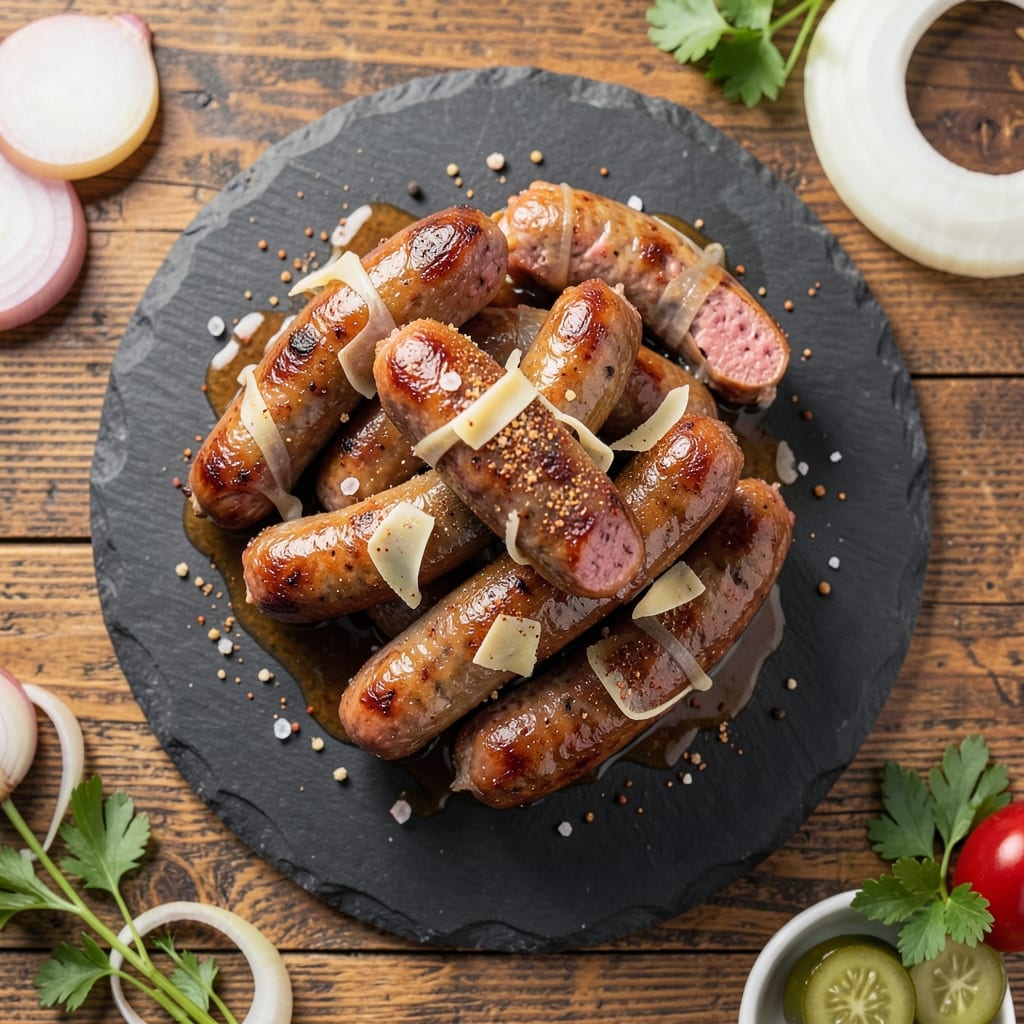
This Beaumont-style beef links recipe brings the bold, smoky flavors of Louisiana's Cajun country to your kitchen with every bite. The secret lies in a carefully balanced blend of ground beef, traditional spices, and natural casings that create a crusty exterior while keeping the meat juicy inside. I've perfected this recipe after years of experimenting with regional techniques, ensuring the links deliver that signature charred, slightly sweet, and spicy profile that makes them a standout at any cookout or family gathering.
The process starts with a meat mixture that combines ground beef with a mix of Cajun seasonings—paprika, garlic powder, onion powder, and a touch of cayenne for heat—all bound together with a hint of Worcestershire sauce for depth. Natural hog casings give the links their authentic texture, while the high-heat cooking method (whether grilled, pan-fried, or smoked) develops that crispy crust and smoky aroma that defines Beaumont-style beef links. The result is a dish that's rich, flavorful, and impossible to resist—just like the ones you'd find at a local Louisiana roadside stand.
What sets these links apart is their versatility—they’re perfect for grilling over charcoal, frying in a cast-iron skillet, or even smoking for a deeper flavor profile. Serve them with classic sides like Cajun-style corn on the cob, creamy mac and cheese, or a fresh green salad to complete the meal. The crusty exterior gives way to tender, juicy meat that’s packed with smoky, spiced goodness, making every bite worth the effort. Once you try these, you’ll never go back to store-bought links again.
This recipe is designed to be authentic yet approachable, so even if you're new to making sausage from scratch, you’ll achieve restaurant-quality results with just a few key techniques. The spice blend is the heart of the flavor, and the cooking method ensures that crust you crave. Whether you're hosting a backyard barbecue or just craving a taste of Louisiana, these beef links will deliver the bold, smoky, and spicy experience you’re looking for.
Ingredients for beaumont style beef links
Bold Cajun flavors meet rustic smoky crusts in these authentic Beaumont-style beef links.
| Ingredient | Amount | Notes |
|---|---|---|
| Ground Beef (80/20 Lean-to-Fat Ratio) 🥩 | 3 lb | Coarse-ground for texture |
| Natural Hog Casings 🐖 | 1 package | Soaked in water for 30 mins |
| Smoked Paprika 🌶️ | 2 tbsp | For authentic smoky flavor |
| Garlic Powder 🧄 | 1 ½ tbsp | Freshly ground preferred |
| Onion Powder 🧅 | 1 ½ tbsp | For depth of flavor |
| Ground Black Pepper 🌶️ | 1 tbsp | Freshly cracked for heat |
| Cayenne Pepper 🔥 | ½ tsp | Adjust for desired heat |
| Worcestershire Sauce 🍶 | 1 tbsp | For umami depth |
| Coarse Kosher Salt 🧂 | 1 ½ tsp | Diamond Crystal preferred |
| Ice Water 💧 | 1 cup | For meat mixture binding |
| Vegetable Oil 🫒 | 2 tbsp | For frying or grilling |
| Butter (Optional for finishing) 🧈 | 2 tbsp | For extra richness |
The ground beef is non-negotiable—80/20 fat ratio ensures juicy, flavorful links. Grab the coarse-ground variety from Butcher Shoppe or your grocery store's meat counter (ask for 'sausage grind'). Natural hog casings are key for that authentic texture, and Fresh Casing or Visevers brands are reliable. Soak them in ice water for 30 minutes before stuffing—this keeps them pliable. The smoked paprika? Penzeys or McCormick smoked paprika delivers that signature Louisiana smokiness without overpowering. If you can't find smoked, regular paprika plus a pinch of liquid smoke works in a pinch.
No Worcestershire sauce? Soy sauce or balsamic vinegar adds depth, though Worcestershire's tang is ideal. The cayenne is where you control the heat—start with half a teaspoon and adjust. For a deeper Cajun kick, swap half the onion powder for dried thyme or oregano. The ice water might seem odd, but it's essential—it binds the meat mixture and prevents the links from shrinking during cooking. If you're grilling, charcoal or hardwood pellets (hickory or pecan) will give that smoky aroma. For pan-frying, keep the heat medium-high and use a cast-iron skillet for that crusty exterior.
Stuffed links keep for 2 days in the fridge, wrapped tightly in parchment paper. Freeze for up to 3 months by wrapping each link individually in plastic wrap, then storing in a freezer bag. For best results, cook from frozen—just add 2-3 minutes to the cooking time. Leftover cooked links reheat beautifully in a cast-iron skillet over medium heat or wrapped in foil in the oven at 350°F for 10 minutes. Serve with classic Cajun sides like corn on the cob with butter and cayenne or a cool green salad with a tangy vinaigrette to balance the richness.
Why You'll Love This Recipe
- No-Fuss Filling: I swear by the 80/20 ratio here—it’s juicy without being greasy, and the hog casings seal in all that flavor while I’m still tying them off. Honestly, the hardest part is deciding how many to make.
- Smoky Garlic Magic: That smoked paprika and garlic powder blend? It’s a flavor bomb. The links get this perfect balance of smoky depth and bright, herby punch—like a hug in every bite, especially when grilled.
- Tailgate or Tuesday: Between us, these work for everything. Grill them for a backyard cookout, toss them in a sandwich for a lazy night, or freeze half for when you’re too tired to think. My daughter even sneaks them into her lunchbox.
- Budget Wins: Ground beef at 80/20 stretches farther than leaner cuts, and the casings add that artisanal touch without breaking the bank. Plus, they reheat like a dream—no dry, sad leftovers here.
Step-by-step instructions for Beaumont style beef links
Here's how to craft these legendary links with perfect texture and bold flavor.
Prepare the Meat Mixture
In a large mixing bowl, combine the 3 lb ground beef (80/20 lean-to-fat ratio) with the 2 tbsp smoked paprika, 1.5 tbsp garlic powder, 1.5 tbsp onion powder, 1 tbsp ground black pepper, 0.5 tsp cayenne pepper, 1 tbsp Worcestershire sauce, and 1.5 tsp coarse kosher salt. Use your hands to work the spices into the meat thoroughly—this ensures even distribution and maximum flavor penetration.
Once the spices are fully incorporated, add the 1 cup ice water gradually while mixing. The ice water helps bind the meat mixture and creates that signature moist yet firm texture. You'll notice the mixture become slightly sticky and cohesive—this is exactly what you want. If it feels too dry, add a splash more ice water, but don't overdo it or the links will be too soft.
Soak and Prepare the Casings
While the meat mixture rests, prepare the 1 package natural hog casings by soaking them in warm water for 30 minutes. This softens them and makes them easier to work with. After soaking, rinse them thoroughly under cold water to remove any excess water or debris. Gently squeeze out any remaining water without tearing the casings—this step is crucial for preventing weak or uneven links.
To test if they're ready, try threading a wooden skewer through one casing. If it slides through easily without resistance, they're properly prepared. Keep the casings submerged in clean water until you're ready to stuff them—this prevents them from drying out.
Stuff the Casings
Fill a sausage stuffer funnel with the meat mixture and attach it to one end of the prepared casings. Hold the funnel steady and gently squeeze the plunger to push the meat into the casing. Work slowly and evenly—rushing causes air pockets or uneven filling. Stop occasionally to check for leaks or weak spots in the casing. If you notice any thin areas, reinforce them by gently pressing the meat against the casing wall.
Twist the links every 6-8 inches to create individual sausages. For classic Beaumont-style links, aim for 6-8 inches long. Once stuffed, remove the links from the funnel and hang them in a cool, dry place for 24 hours to cure. This resting period allows the flavors to meld and the texture to firm up properly.
Cook to Crusty Perfection
Heat 2 tbsp vegetable oil in a large skillet over medium-high heat until shimmering. Add the links in a single layer, being careful not to overcrowd the pan—this ensures even cooking and crispy crusts. Cook for 8-10 minutes, turning occasionally, until the links reach an internal temperature of 160°F and develop a deep golden-brown crust.
For extra richness, remove the links from the pan and add the 2 tbsp butter to the skillet. Let it melt and foam, then baste the cooked links with the butter for 1-2 minutes until they're glistening. Serve immediately with your favorite sides—these links are best enjoyed fresh while the crust is still crispy.
Pro Tips For Making Beaumont Style Beef Links
- CHILL THE MEAT: Beaumont links rely on that perfect snap, and cold meat holds its shape. After mixing your 80/20 ground beef with smoked paprika, garlic, and onion powder, form the links and refrigerate them uncovered for 30 minutes—yes, even if you're eager to cook. I used to skip this and ended up with links that split open during cooking. The cold also helps the casings tighten naturally.
- SALT THE CASINGS: Soak your natural hog casings in warm water for 30 minutes, then rinse and salt them lightly with kosher salt. This step prevents them from shrinking too much when the links cook. I learned this the hard way—once I forgot and my links turned into sad, puckered sausages. Trust me, the 5-minute soak makes a real difference.
- STEAM THE LINKS FIRST: Before searing, give your links a quick steam in a pot with 1 inch of water (no more) for 5 minutes. This helps them render fat evenly and keeps them from drying out. After steaming, drain well and sear over medium heat—high heat here will make them tough. I was skeptical until I tried it; now I never skip this step.
- USE A MEAT THERMOMETER: Beaumont links should hit 155°F internally, not just "medium" by guesswork. The fat ratio in 80/20 beef means they’ll finish cooking fast once seared. Pull them when the thermometer reads 155°F, then let them rest 2 minutes—this ensures juicy, not greasy, results. I’ve burned links waiting for color; temperature is the only reliable guide.
Common mistakes when making great beaumont style beef links
Overstuffed Casings
Stuffing the casings too tightly is a rookie mistake that leads to bursting during cooking. The meat mixture should fill the casing to about 75% capacity—think of it like filling a sausage casing with toothpaste, not forcing it. Overstuffing creates pressure that will cause links to split open when they hit the hot pan. If you notice the casing bulging or feeling firm to the touch, stop and let the meat settle before continuing. 🌶️
Skipping the Cure Time
Rushing the 24-hour curing period is a big no-no—this step is what develops the perfect texture and flavor. Skipping it results in links that are either too soft or dry out unevenly during cooking. Hang them in a cool, dry place (like your fridge) and resist the urge to cook them sooner. The longer they cure, the better the final result—the flavors meld and the casings firm up just enough for that ideal crust.
Uneven Heat Distribution
Cooking the links on uneven heat ruins that coveted crusty exterior. Medium-high heat is critical for developing the Maillard reaction that creates those golden-brown spots. If your pan isn't hot enough, the links will steam instead of sear. Use a cast-iron skillet—it retains heat better than nonstick—and preheat it for 5 minutes before adding the oil. If your links aren't browning evenly, reduce the batch size so they don't overcrowd the pan.
Ignoring Internal Temp
Pulling links off the heat before they reach 160°F internal temperature guarantees they'll be undercooked inside. Use a meat thermometer—insert it into the thickest part of a link to check. If you're guessing, you're likely serving up links that are still pink in the center. The crust might look perfect, but the inside will be rubbery. Don't rush this step—patient cooking ensures juicy, safe-to-eat links every time. ⏰
Wrong Oil Choice
Using high-smoke-point oils like vegetable or canola oil is essential for crispy crusts. Olive oil or butter has a lower smoke point and will burn before the links brown properly. If you're frying, stick to vegetable oil—it handles the heat without imparting unwanted flavors. For grilling, use hickory or pecan oil to enhance the smoky profile. Never reuse oil for frying links—each batch deserves fresh, hot oil for that perfect crust.
Overcrowding the Pan
Piling too many links in the pan at once steals heat and steam, preventing that crispy crust from forming. Cook in batches—leave at least ½ inch of space between each link. If you're working with a large skillet, limit yourself to 6-8 links per batch. Overcrowding also causes the links to cook unevenly, with some parts staying cold while others burn. Patience here ensures every link gets that golden-brown perfection. 🔥
Nutrition facts
Frequently asked questions
What makes Beaumont-style beef links different from regular beef sausage?
These links feature a bold Cajun-inspired spice blend with smoked paprika and cayenne, plus a moist, cohesive texture from ice water binding the meat. The natural hog casings create that signature crusty exterior while keeping the inside juicy. Regular beef sausage often uses pre-seasoned mixes and collagen casings, lacking the authentic smoky depth and texture.
Can I make these links without natural casings?
Yes! Use synthetic casings (like Visevers) or even aluminum sausage tubes for a similar effect. If skipping casings entirely, shape the meat into logs and wrap tightly in parchment paper before cooking. The flavor will be identical—just the texture differs. For the most authentic experience, though, natural hog casings are ideal.
How do I adjust the spice level for kids or sensitive eaters?
Reduce the cayenne to ¼ teaspoon or omit it entirely. For extra mildness, swap half the smoked paprika for regular paprika. The Worcestershire sauce and black pepper still provide depth without heat. Always taste the meat mixture before stuffing—this lets you adjust to preference.
Can I grill these links instead of pan-frying?
Grilling works perfectly—just preheat your grill to medium-high (400-450°F) and cook for 12-15 minutes, turning occasionally. For extra smokiness, use hickory or pecan wood chips. Keep them ½ inch apart on the grates to prevent flare-ups. The crust will be slightly different but still delicious.
How long can I store uncooked links before cooking?
Stuffed, uncured links keep for 2 days in the fridge wrapped tightly in parchment. For longer storage, freeze them for up to 3 months by wrapping each link individually. Thaw overnight in the fridge before cooking—never at room temperature. The curing process continues even in the freezer, so they'll be ready when you are.