
Main Courses
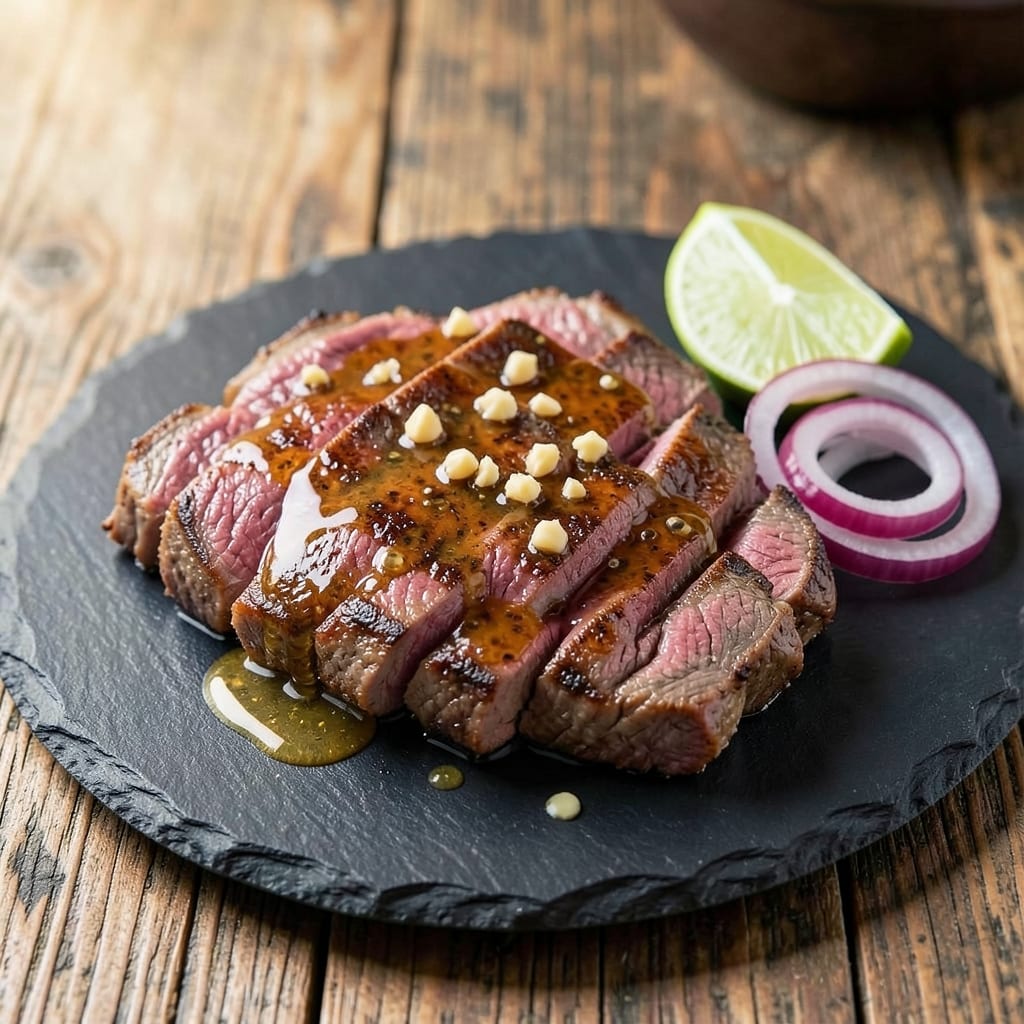
This beef alambre recipe delivers tender, melt-in-your-mouth beef slices bathed in a bright, citrusy vinegar sauce that balances tangy and sweet notes perfectly. 🌟 The secret lies in marinating thinly sliced beef overnight, allowing the flavors to penetrate deeply before slow-cooking it to achieve that signature fork-tender texture. This dish is a staple in Latin American cuisine, especially in Peru and Argentina, where it’s often served with rice, avocado, or crispy plantains.
The process begins with a simple yet flavorful marinade of vinegar, citrus, and aromatic spices that tenderize the beef while infusing it with vibrant acidity. Unlike other beef dishes, alambre relies on the slow cooking method to break down the meat without overpowering its natural richness. The result is a dish that’s both elegant and approachable—ideal for special occasions or a comforting weeknight meal when you want to impress.
What sets this recipe apart is the balance of textures and flavors: the beef remains tender yet firm, while the sauce delivers a harmonious blend of tangy, slightly sweet, and umami-rich notes. The key is patience—letting the beef marinate and cook low and slow ensures every bite is juicy and full of flavor. This is the kind of dish that transforms a simple meal into a memorable dining experience.
Whether you're serving it at a family gathering or enjoying it as a solo dinner, beef alambre pairs beautifully with steamed rice, fresh avocado, or even a side of crispy fried plantains. The sauce’s bright acidity cuts through the richness of the beef, making it a well-rounded dish that’s as satisfying as it is flavorful. Let’s get started on creating this classic Latin American favorite.
Ingredients for beef alambre
Thinly sliced beef, bright citrus, and aromatic spices come together for this tender Latin classic.
| Ingredient | Amount | Notes |
|---|---|---|
| Top Sirloin Steak 🥩 | 1 ½ lb | Thinly sliced against grain |
| White Wine Vinegar 🍷 | ½ cup | Balsamic works too |
| Fresh Lime Juice 🍋 | ¼ cup | About 2-3 limes |
| Orange Juice 🍊 | ¼ cup | Freshly squeezed |
| Garlic Cloves 🧄 | 6 cloves | Minced or pressed |
| Red Onion 🧅 | 1 whole | Thinly sliced |
| Olive Oil 🫒 | ¼ cup | Extra-virgin preferred |
| Ground Cumin 🌿 | 1 tsp | Toasted for depth |
| Dried Oregano 🍃 | 1 tsp | Mexican oregano best |
| Salt 🧂 | 1 ½ tsp | Kosher or sea salt |
| Black Pepper 🌶️ | ½ tsp | Freshly ground |
| Brown Sugar 🍚 | 1 tbsp | Light or dark |
| Tomato Paste 🍅 | 2 tbsp | Smooth, not chunky |
| Fresh Cilantro 🌿 | ¼ cup | Chopped, for garnish |
| Vegetable Oil 🫒 | 1 tbsp | For searing beef |
The beef is everything here—top sirloin is my go-to because it stays tender when sliced thin. Look for well-marbled cuts at Costco or your local butcher shop. If you can't find top sirloin, flank steak or skirt steak work too, but slice them extra thin against the grain. The key is getting those slices paper-thin so they cook through without turning tough. I usually ask the butcher to slice it for me—saves time and ensures even thickness. For the citrus, fresh is non-negotiable. The juice should be bright and tangy, not watery or overly sweet.
No white wine vinegar? Apple cider vinegar or red wine vinegar will work in a pinch, but the flavor won't be quite the same. Short on lime? Double the orange juice and add a pinch of salt to mimic the acidity. The tomato paste can be skipped if you're watching sugar, but it adds that umami depth that makes this dish sing. For the garlic, I like to toast mine in the olive oil for a few minutes before adding it to the marinade—trust me, it makes a difference. The brown sugar is just a touch to balance the acidity, so don't skip it unless you're avoiding sugar entirely.
This marinade keeps in the fridge for up to 2 days, but the beef should marinate for at least 4 hours—overnight is ideal. The sliced beef can be refrigerated in a sealed container for 1 day before cooking, but it's best to marinate and cook it fresh. The leftovers? They reheat beautifully—just warm them gently in the sauce. Store any extra sauce in a jar for up to 5 days—it's perfect for drizzling over rice or tacos later. I always make extra because it disappears fast.
Why You'll Love This Recipe
- One-Pan Magic: I swear by this recipe when I’m too tired to dirty a million dishes. Sear the sirloin, toss in the vinegar-lime-orange mix, and let it simmer—no flipping, no fussing, just done. That garlic-infused pan sauce? Sticks to the beef like it’s meant to be there.
- Bright & Tangy: Honestly, the citrus cuts through the richness of the steak in the best way. White wine vinegar adds a sharp bite, but the orange juice softens it into something bright, not sour—like a grown-up marinade that actually works. My kids fight over the last bite.
- Weeknight Workhorse: Between us, this is my go-to when I need something impressive but still quick. Serve it over rice for a full meal, or pile it onto toast with a fried egg—suddenly, you’ve got brunch and dinner covered. (Yes, even on a Tuesday night.)
- Budget-Friendly Feast: Top sirloin isn’t cheap, but a single cut stretches across three meals for my family. The acid in the vinegar and citrus keeps the beef tender, so it doesn’t dry out—meaning leftovers taste just as good as day one. Plus, you’re using pantry staples, not specialty ingredients.
Step-by-step instructions for beef alambre
Here's how to transform tough steak into melt-in-your-mouth beef with a bright, tangy sauce.
🔥 Step 1: Sear the Beef for Maximum Flavor
Heat the 1 tablespoon vegetable oil in a large Dutch oven over medium-high heat until shimmering. Pat the 1.5 lb top sirloin steak completely dry with paper towels—this ensures a good sear. Working in batches if needed, add the steak slices and cook for 2-3 minutes per side until deeply browned and slightly charred.
Don't overcrowd the pan or the temperature will drop and you'll steam instead of sear. You want those slices to develop a rich crust that'll carry through the slow cooking. Transfer the seared beef to a plate and set aside.
🍳 Step 2: Build the Citrusy Vinegar Base
In the same Dutch oven, reduce heat to medium and add the 1 whole red onion (thinly sliced). Cook for 5 minutes until softened and slightly caramelized. Add the 6 cloves minced garlic and cook for 30 seconds until fragrant—don't let it brown or it'll turn bitter.
Pour in the 0.5 cup white wine vinegar and 0.25 cup orange juice, scraping up any browned bits from the bottom. Add the 2 tablespoons tomato paste and stir until dissolved. This creates the tangy foundation that'll tenderize the beef during cooking.
🥘 Step 3: Slow Cook Until Fork-Tender
Return the beef to the Dutch oven and add enough water to just cover the meat (about 1 cup). Bring to a simmer, then reduce heat to low and cover partially. Cook for 1.5-2 hours, stirring occasionally, until the beef is fork-tender and easily shreds with a fork.
Here's the thing—this long, slow cook breaks down the tough muscle fibers in the steak. You'll know it's done when the meat pulls apart cleanly and the sauce has thickened slightly. If it looks dry, add 2-3 tablespoons water to maintain moisture.
👨🍳 Step 4: Finish with Aromatics and Spices
Once the beef is tender, stir in the 0.25 cup olive oil, 1 teaspoon ground cumin, 1 teaspoon dried oregano, 1.5 teaspoons salt, 0.5 teaspoon black pepper, and 1 tablespoon brown sugar. Simmer uncovered for 5-7 minutes until the sauce reduces slightly and the flavors meld together.
Add the 0.25 cup fresh lime juice and give everything a final stir. The acidity brightens the flavors and balances the richness. Taste and adjust seasoning—you might need a bit more salt or lime depending on your vinegar.
🍽️ Step 5: Serve with Fresh Cilantro
Transfer the beef to a serving platter and spoon the sauce over the top. Garnish with 0.25 cup chopped fresh cilantro right before serving. The cilantro adds freshness that cuts through the richness of the beef and sauce.
Serve immediately with warm tortillas, rice, or crusty bread to soak up that delicious sauce. The beef should be so tender it practically melts in your mouth, with a perfect balance of tangy, sweet, and savory flavors in every bite.
Pro Tips For Making Beef Alambre
- SEAR THE STEAK FIRST: I learned this the hard way—skipping the initial sear means your beef alambre will taste like it’s been simmered in water. Hit a screaming-hot pan with just a drizzle of oil, then cook the steak 2-3 minutes per side until deeply browned before deglazing with vinegar and wine. That crust is what carries the citrus flavors.
- USE FRESH GARLIC, NOT MINCED: Whole cloves of garlic release flavor more evenly and don’t turn bitter in the acid. Smash them with the flat side of your knife instead of chopping—this keeps them intact while still breaking their skins. After deglazing, let them sit in the pan for 30 seconds so they soften but don’t burn.
- DON’T BOIL THE SAUCE: The moment your liquid starts bubbling hard, you’ve lost the balance of bright citrus and deep beef flavor. Keep the heat at a gentle simmer—just enough to shimmer the surface—so the orange and lime juices don’t cook off into vinegary sharpness. If it’s too aggressive, pull the pan off the heat for 30 seconds.
- SUBSTITUTE WINE VINEGAR WITH WHITE VINEGAR: I was skeptical until I tried it—white vinegar works in a pinch, but reduce it by half first. The acidity is similar, and you won’t taste the harshness that cheap wine vinegar can bring. If using, add it gradually while tasting, since white vinegar’s tang is more pronounced.
Creative variations of these flavors
Peruvian Style
In Peru, beef alambre is often served with a side of crispy fried plantains (plátanos fritos) and a bed of white rice. The sauce gets a touch of ají amarillo paste (about 1 teaspoon) for a mild, fruity heat. I like to add ½ cup diced avocado on top right before serving—it adds a creamy contrast to the tangy beef. 🌶️
Argentine Version
The Argentine take on alambre replaces white wine vinegar with red wine vinegar and adds 1 tablespoon soy sauce to deepen the umami. They also include ½ cup chopped green olives in the sauce and serve it over provoleta (grilled provolone cheese) instead of rice. For extra richness, I drizzle 1 tablespoon olive oil over the finished dish.
Spicy Fusion
For a modern twist, add 1-2 tablespoons chipotle powder to the marinade and 1 jalapeño (minced) to the sauce. This gives it a smoky, spicy kick that pairs perfectly with corn tortillas or cilantro-lime rice. I also like to top it with crumbled queso fresco for a creamy finish. 🔥
Slow Cooker Adaptation
For hands-off cooking, transfer the seared beef and marinade to a 6-quart slow cooker with 1 cup water. Cook on low for 6-7 hours or high for 3-4 hours. The slow cooker keeps the beef incredibly tender while letting the flavors meld together. Just finish with the aromatics and spices as directed in the original recipe.
Vegetarian Twist
Swap the beef for 1.5 lb extra-firm tofu (pressed and sliced) or mushrooms (like portobello or shiitake). Marinate the tofu or mushrooms in the same citrus-vinegar mixture for at least 4 hours, then cook them in the same way. The sauce works beautifully with either option—just reduce the cooking time to 1-1.5 hours for tofu or 20-30 minutes for mushrooms.
Make-Ahead Sauce
Make the sauce ahead of time by simmering all the ingredients (except the beef) for 20 minutes, then store it in an airtight container in the fridge for up to 5 days. When ready to serve, simply add the cooked beef to the sauce and reheat gently. This is perfect for meal prep—just cook the beef fresh and toss it with the pre-made sauce. ✨
Nutrition facts
Frequently asked questions
Why does the beef need to marinate overnight?
The overnight marinade is crucial for breaking down the tough muscle fibers in the beef. The acidity from the vinegar and citrus works like a tenderizer, while the spices and garlic infuse the meat deeply. This ensures your beef becomes fork-tender rather than chewy. Pro tip: Don't skip this step—it's what makes alambre so special!
Can I use a different cut of beef besides top sirloin?
Yes! Flank steak or skirt steak work beautifully, but you must slice them extra thin against the grain for best results. Avoid tougher cuts like chuck—they won't become tender enough. If using flank steak, trim excess fat first to prevent greasy sauce.
What if my beef isn't tender after cooking?
If the beef feels firm after 2 hours, it likely needs more time. The key is low-and-slow cooking—don't rush it! If you're short on time, try adding 1 cup beef broth instead of water and simmering for another 30 minutes. The extra liquid helps tenderize.
How do I prevent the sauce from being too acidic?
Balance the acidity by adding 1 tablespoon brown sugar or 1 teaspoon honey to the sauce during the final simmer. You can also reduce the vinegar to ¼ cup if you prefer milder flavors. Taste as you go—adjust with a pinch of salt or a splash of orange juice.
What's the best way to reheat leftovers?
Gently reheat the beef and sauce together in a skillet over low heat for 5-7 minutes, stirring occasionally. Avoid microwaving—it makes the beef tough. For extra flavor, add 1 tablespoon water or broth to keep the sauce moist. Store leftovers for up to 3 days in an airtight container.