
Soups & Stews
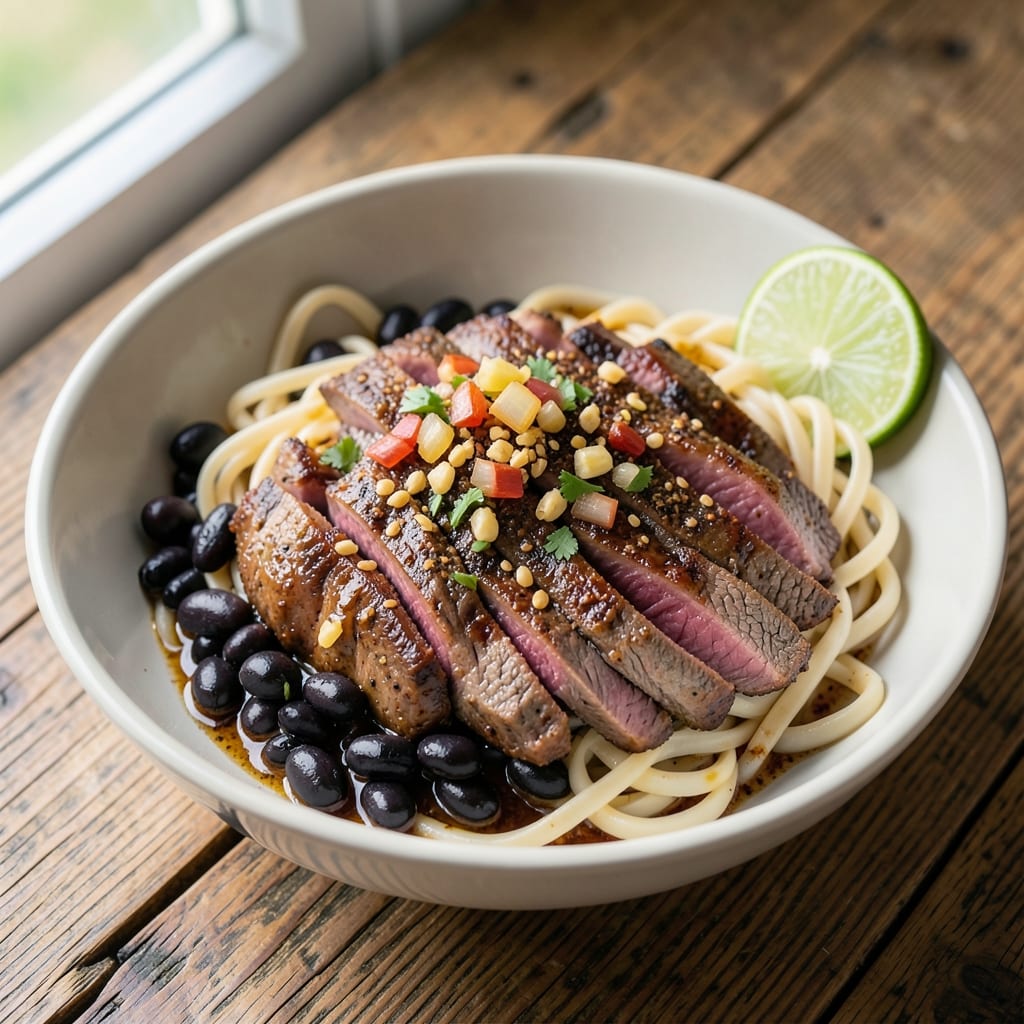
This beef and black bean noodles recipe delivers a bold fusion of smoky spices, tender beef, and hearty black beans wrapped in perfectly cooked noodles. The secret lies in balancing rich flavors—charred onions, cumin, and chili powder create depth while keeping the dish approachable. I developed this after craving something hearty yet easy to assemble, and it’s become a weeknight staple that disappears fast.
The process is straightforward: sear thinly sliced beef with onions until caramelized, then simmer with black beans and spices until fragrant. The noodles cook directly in the pot, absorbing all that savory goodness. What you end up with is a hearty, protein-packed bowl where every bite delivers tender beef, creamy beans, and al dente noodles in a rich, slightly spicy sauce.
This dish is perfect for feeding a crowd or meal prepping—it reheats beautifully and tastes even better the next day. The spices can be adjusted to your preference, but the combination of beef and black beans ensures a satisfying, restaurant-quality meal without the fuss.
Serve with lime wedges, fresh cilantro, or a dollop of sour cream for brightness. The recipe scales effortlessly, so double it for leftovers. Here’s how to make it—simple steps for a dish that feels like a hug in a bowl.
Ingredients for beef and black bean noodles
Bold spices, tender beef, and hearty black beans—everything you need for restaurant-quality noodles at home.
| Ingredient | Amount | Notes |
|---|---|---|
| Thinly Sliced Flank Steak 🥩 | 1 lb | Cut against grain for tenderness |
| Black Beans 🌱 | 1 ½ cups | Canned, drained and rinsed |
| Yellow Onions 🧅 | 1 whole | Thinly sliced lengthwise |
| Garlic Cloves 🧄 | 4 cloves | Minced for aromatic depth |
| Ground Cumin 🌿 | 1 ½ tbsp | Toasted for richer flavor |
| Chili Powder 🌶️ | 1 tbsp | Adjust for desired heat |
| Smoked Paprika 🌶️ | 1 tsp | For smoky complexity |
| Egg Noodles 🍜 | 8 oz | Medium or wide egg noodles |
| Beef Broth 💧 | 1 ½ cups | Low-sodium preferred |
| Tomato Paste 🍅 | 1 tbsp | Squeeze tube works |
| Olive Oil 🫒 | 2 tbsp | Extra-virgin for richness |
| Salt 🧂 | 1 ½ tsp | Diamond Crystal preferred |
| Black Pepper 🌶️ | ½ tsp | Freshly ground preferred |
| Bay Leaves 🌿 | 2 whole | For subtle depth |
| Lime Wedges 🍋 | 2 whole | For serving, optional |
The beef is the star here, so don't skimp on quality. Flank steak is ideal—it's lean but tender when sliced thinly. Look for well-marbled cuts at Whole Foods or your local butcher shop. If you're buying pre-sliced, check for even thickness—1/4-inch slices work perfectly. The black beans should be canned, not dried, for convenience. Goya or Bush's are my go-tos, but any low-sodium brand will do. For the onions, yellow or red both work—just make sure they're fresh and firm. The garlic? Fresh is non-negotiable—jarred garlic lacks the depth this dish needs.
No flank steak? Sirloin or skirt steak are great substitutes, just slice against the grain. Black beans not your thing? Kidney beans or pinto beans work too, but they'll change the texture slightly. Running low on cumin? Coriander seeds toasted and ground add a similar earthiness. The chili powder can be swapped for ancho or pasilla powder for a deeper, slightly sweeter heat. If you're making this ahead, the noodles can be cooked separately and added fresh when serving—they'll absorb all that delicious sauce.
This dish tastes even better the next day, so double the batch if you can. Store leftovers in airtight containers in the fridge for up to 4 days. The sauce thickens as it cools, so a splash of beef broth when reheating works wonders. For freezing, portion into single-serving containers—they reheat perfectly in the microwave. The noodles stay al dente if you reheat them with a splash of water or broth. Serve with lime wedges and fresh cilantro if you've got them—brightness cuts through the richness.
Why You'll Love This Recipe
- One-Pan Magic: The steak, onions, and beans all hit the same skillet—no chopping boards, no extra dishes. Honestly, I’ve made this while scrolling through my phone, and it still comes out ridiculously good.
- Deep Umami Crunch: That quick sear on the flank steak? Crispy edges, tender middle—chef’s kiss. Then the black beans soak up the cumin and garlic like a sponge, adding this earthy, smoky punch that makes every bite dangerously addictive.
- Lunchbox Hero: Between us, this is my go-to for meal prep. Toss the cooled noodles with a little lime juice, and they reheat like a dream. Pack it in containers, and you’ve got a weeknight dinner that feels fancy but costs next to nothing.
- Budget-Friendly Powerhouse: Flank steak stretches far when sliced thin, and black beans bulk it up without breaking the bank. I’ll be real: I’ve fed four people for under $15 with this, and no one ever complains about leftovers. (Yes, even on a Tuesday night.)
Step-by-step instructions for beef and black bean noodles
Let's build this hearty, spice-kissed dish with layers of flavor and texture that come together effortlessly.
Sear the Flank Steak to Perfection
Heat a large skillet over medium-high heat and add 1 tablespoon of the olive oil. Once shimmering hot, add the 1 lb thinly sliced flank steak in a single layer. Let it sear undisturbed for 2-3 minutes until the edges develop a deep golden crust. This initial sear locks in juices and builds foundational flavor.
Flip the steak and cook another 2-3 minutes until it reaches medium-rare (about 130°F internal temperature). Remove from the pan and set aside on a plate. The steak will carryover cook to your preferred doneness as we assemble the dish. Don't overcook it now—we want tender slices that practically melt in your mouth.
Build the Spiced Bean and Tomato Base
In the same skillet (no need to clean it—the browned bits add depth), add the remaining 1 tablespoon olive oil. Toss in the 1 whole yellow onions and cook for 4-5 minutes until softened and slightly caramelized. Add the 4 cloves garlic cloves and cook for 30 seconds until fragrant.
Sprinkle in the 1.5 tbsp ground cumin, 1 tbsp chili powder, and 1 tsp smoked paprika, stirring constantly for 1 minute to toast the spices and release their aromas. Pour in the 1.5 cups black beans and 1.5 cups beef broth, scraping up any browned bits from the bottom. Add the 1 tbsp tomato paste, 1.5 tsp salt, 0.5 tsp black pepper, and 2 whole bay leaves. Bring to a gentle simmer and cook for 8-10 minutes until the flavors meld and the mixture thickens slightly.
Cook the Egg Noodles Al Dente
While the bean mixture simmers, bring a large pot of salted water to a rolling boil. Add the 8 oz egg noodles and cook according to package directions until 1 minute before al dente—you want them to finish cooking in the hot sauce. Reserve 1 cup of pasta water before draining, then set the noodles aside.
Here's the thing—don't rinse the noodles. That starchy water is liquid gold for creating a silky sauce. The noodles will absorb the flavorful bean mixture beautifully, creating that perfect balance of chewy texture and rich sauce coating every strand.
Combine and Finish the Dish
Return the seared steak to the skillet with the bean mixture and stir gently to warm through. Add the cooked noodles and toss everything together, using the reserved pasta water as needed to loosen the sauce to your preferred consistency. The dish should coat the noodles beautifully without being soupy.
Taste and adjust seasoning—you might need a pinch more salt or a sprinkle of chili powder to reach your ideal heat level. Remove the bay leaves before serving. The steak should be tender enough to slice easily with a fork, and the beans should be warm throughout with their spices fully integrated.
Serve with Fresh Lime and Garnish
Divide the beef and black bean noodles among four plates. Squeeze the juice from 2 whole lime wedges over each serving and garnish with additional lime wedges for brightness. The acidity cuts through the richness of the beef and spices, creating that perfect balance of flavors.
Serve immediately with warm crusty bread or a simple green salad on the side. Each bite delivers tender steak, hearty beans, and perfectly al dente noodles in a sauce that's rich yet balanced by the lime's zesty finish. This dish is all about that satisfying, warming combination of textures and flavors coming together in every mouthful.
Pro Tips For Making Beef And Black Bean Noodles
- SEAR STEAK IN BATCHES: Flank steak releases a ton of liquid when sliced thin—crowd it in the pan, and you’ll steam it instead of sear it. Cook in two batches over medium-high heat for 1-2 minutes per side, scraping up the browned bits (those are flavor bombs). I learned this the hard way after ending up with gray, rubbery beef.
- SOAK BEANS FOR 30 MINUTES: Drain and rinse canned black beans, then give them a quick 30-minute soak in warm water. This cuts down on that metallic aftertaste and makes them absorb the cumin and garlic better. (Yes, even canned beans benefit—trust me, your dish will taste fresher.)
- SWEAT ONIONS LOW AND SLOW: Onions caramelize best when they’re not rushed. Cook them over medium-low heat for 8-10 minutes until soft and translucent, stirring occasionally. If you crank the heat, they’ll burn before they sweeten—no one wants bitter onions in their noodles.
- TOAST THE CUMIN FIRST: Bloom that ground cumin in the oil for 30 seconds before adding garlic. This wakes up its earthy aroma and prevents it from tasting raw. (I was skeptical until I tried it—now it’s non-negotiable for me.)
Common mistakes when making your beef and black bean noodles
Overcooking the Beef
This is the #1 mistake I see—cooking the beef to well-done before it hits the pot. Flank steak should be medium-rare (130°F) when removed from the pan because it'll carryover cook in the hot sauce. Use an instant-read thermometer to check—130°F is your target. If you overcook it, the steak will turn tough and chewy, ruining the dish's texture. Trust me, it's worth the extra 10 seconds of searing to get it perfect. 🥩
Skipping the Spice Toast
Don't just sprinkle the spices over the onions—actually toast them for 1 full minute in the hot oil. This releases their essential oils and deepens their flavor dramatically. I've made this dish both ways, and the toasted spices make all the difference. The cumin should smell nutty, the chili powder slightly smoky, and the paprika should aroma the room. Skip this step, and your dish will taste flat and one-dimensional. ⏳
Under-Salting the Beans
The black beans need 1.5 tsp salt during cooking to develop their flavor properly. Many cooks shy away from salting beans because they think it'll make them too salty later, but that's not the case here. The beans absorb the broth and spices, so the salt becomes part of their texture and taste. Taste the beans after 5 minutes of simmering—if they're bland, add another ¼ tsp salt. The final dish should be seasoned, not salty. 🧂
Rinsing the Noodles
This is a cardinal sin in Italian cooking—never rinse pasta! The starchy water is what creates that silky, clingy sauce that makes every bite delicious. When you rinse, you wash away all that starch, leaving you with dry, separate strands instead of perfectly coated noodles. Cook the noodles 1 minute before al dente, reserve that pasta water, and let the sauce work its magic. You'll thank me when you take your first bite. 🍜
Ignoring the Pasta Water
That reserved 1 cup pasta water is liquid gold for adjusting your sauce consistency. If your noodles come out too dry, add 2-3 tablespoons of pasta water at a time until the sauce coats everything beautifully. I've seen people struggle with this—some make it too soupy, others too dry. The pasta water is your secret weapon for perfect texture every time. Think of it as the sauce's emergency reserve. 💧
Overcrowding the Pan
When combining everything at the end, don't dump all the noodles in at once. Work in batches to prevent steaming instead of searing. I like to add half the noodles first, toss well, then add the rest. This ensures the beef stays warm and the noodles get properly coated. Overcrowding leads to soggy noodles and lukewarm beef—neither of which you want. Patience here pays off big time. 🔥
Nutrition facts
Frequently asked questions
Can I substitute ground beef for flank steak?
Use 1 lb ground beef instead of flank steak, but brown it thoroughly first to develop flavor. The texture will be slightly different (more ground meat consistency), but it works perfectly in this dish. Just be sure to drain any excess fat after browning to keep the sauce balanced.
How do I make this dish vegetarian?
Swap the beef for 1 lb extra-firm tofu or 1.5 cups lentils, and use vegetable broth instead of beef broth. For extra protein, add 1 cup crumbled tempeh or 1 can chickpeas. The black beans will still provide plenty of heartiness, and the spices will shine through beautifully.
Can I make this recipe in a slow cooker?
Yes! Sear the beef first, then transfer everything to your slow cooker on low for 4-5 hours or high for 2-3 hours. Add the noodles only during the last 15 minutes of cooking to prevent mushiness. The slow cooker method actually enhances the flavors by letting them meld together longer.
What's the best way to reheat leftovers?
Reheat in a skillet over medium heat with a splash of beef broth or water to loosen the sauce. Stir frequently to prevent sticking. For microwave reheating, cover with a damp paper towel and heat in 30-second intervals, stirring between each. The noodles will absorb any extra moisture, keeping them al dente.
How can I make this dish spicier?
Add ½ teaspoon cayenne pepper or 1 teaspoon chipotle powder to the spice mix. For heat with depth, stir in 1-2 tablespoons of hot sauce or 1 diced jalapeño with the onions.