
Soups & Stews
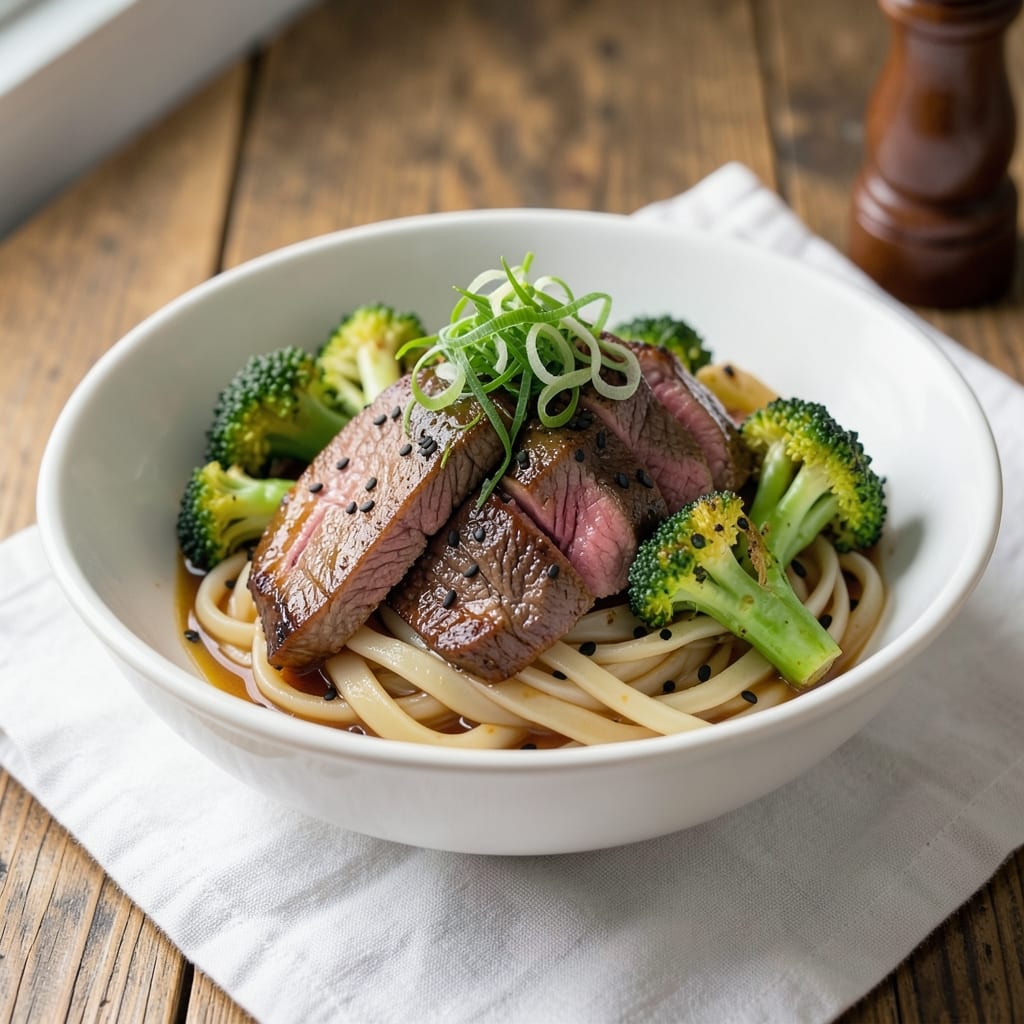
This beef and broccoli udon recipe delivers the perfect balance of wok-hei crispy beef, tender broccoli florets, and silky udon noodles in one harmonious bowl. The secret lies in high-heat searing for that signature smoky aroma and caramelized edges, while the sauce ties everything together with a perfect umami-sweet balance. I developed this version after years of perfecting stir-fry techniques, ensuring each bite delivers restaurant-quality texture and flavor.
What sets this recipe apart is the combination of traditional wok-hei (breath of the wok) technique with modern convenience. You'll achieve that coveted crispy beef exterior through proper slicing and high-heat cooking, while the broccoli stays vibrant and slightly crisp-tender. The udon noodles cook quickly in boiling water, then get tossed with the beef and sauce to absorb all those delicious flavors. This method keeps everything hot and fresh when served.
The result is a dish where every element shines—crispy beef that practically melts in your mouth, bright green broccoli with just the right bite, and noodles that are tender yet still hold their shape. The sauce, made with simple pantry staples, adds a glossy finish that makes the dish look as good as it tastes. This recipe serves four and comes together in about 30 minutes, perfect for a weeknight dinner that feels special.
For presentation, I recommend garnishing with sliced green onions and a sprinkle of sesame seeds. The color contrast makes the dish visually appealing while adding freshness to each bite. Serve immediately while the beef is still crispy and the noodles are hot—this dish is best enjoyed fresh from the wok. Let's get cooking!
Ingredients for beef and broccoli udon
These ingredients bring together crispy beef, silky noodles, and vibrant broccoli for a wok-hei masterpiece.
| Ingredient | Amount | Notes |
|---|---|---|
| Flank Steak 🥩 | 1 lb | Thinly sliced against grain |
| Udon Noodles 🍜 | 1 package | 8 oz, dried or fresh |
| Broccoli Florets 🥦 | 4 cups | Cut into bite-sized pieces |
| Green Onions 🧅 | 3 whole | Sliced, white and green parts |
| Sesame Seeds 🌰 | 1 tbsp | Toasted for garnish |
| Soy Sauce 🥢 | ½ cup | Low-sodium preferred |
| Oyster Sauce 🍶 | 2 tbsp | For umami depth |
| Honey 🍯 | 1 tbsp | For sweet contrast |
| Rice Vinegar 🍶 | 1 tbsp | For brightness |
| Sesame Oil 🫒 | 1 tbsp | Toasted for aroma |
| Garlic Cloves 🧄 | 4 cloves | Minced for sauce |
| Ginger 🌿 | 1 tbsp | Freshly grated |
| Neutral Oil 🫒 | 2 tbsp | Vegetable or canola |
| Salt 🧂 | 1 tsp | Kosher or sea salt |
| Black Pepper 🌶️ | ½ tsp | Freshly ground |
The flank steak is non-negotiable here—it's lean, flavorful, and slices beautifully against the grain for that signature wok-hei texture. Grab one from the butcher counter if possible, or ask the meat department to slice it thinly for you. Costco or Whole Foods usually have pre-sliced options, but nothing beats fresh-cut. Look for good marbling—it keeps the beef juicy while searing. If you can't find flank, sirloin works too, but slice it extra thin. The broccoli should be bright green and firm—Trader Joe's or any grocery store's pre-cut florets save time, but whole heads let you pick the freshest pieces.
No oyster sauce? Hoisin sauce or extra soy sauce works in a pinch, though the umami depth will differ. Fresh ginger and garlic are ideal, but jarred minced ginger is fine if you're in a rush. The udon noodles? Dried or fresh—both work, but dried are more common in regular grocery stores. For the sesame oil, toasted is essential—regular won't give that nutty aroma. The honey adds just enough sweetness to balance the savory sauce, but maple syrup is a great substitute if you're avoiding honey. And if you're worried about the beef drying out? Marinate it 30 minutes in soy sauce and cornstarch before cooking—game changer.
The sauce keeps for 5 days in the fridge, so make extra—it's perfect for dipping or drizzling on other dishes. The udon noodles cook in 3 minutes, so keep them hot in a bowl of warm water while you finish the beef. For leftovers, store everything separately: beef and broccoli in one container, sauce in another, and noodles in a third. Reheat the beef and veggies separately, then toss with noodles and fresh sauce—3 minutes in the microwave brings it all back to life. Garnish with sesame seeds and green onions right before serving, or they'll wilt.
Why You'll Love This Recipe
- One-Pan Magic: I swear by this recipe when I’m too tired to wash extra dishes. Sear the flank steak and broccoli in one skillet, toss in the udon—boom, done. The only cleanup is swirling the pan with a splash of water and calling it a day.
- Umami Bomb: That first bite of tender, caramelized beef with the chewy udon and bright broccoli? It’s a flavor trifecta. The sesame seeds add a nutty crunch, while the green onions bring freshness that cuts through the richness—like a perfect balance of comfort and brightness.
- Lunchbox Hero: Between us, this is my go-to for meal prep. Pack the leftovers in containers, and they reheat beautifully—no soggy noodles here. Honestly, my kids beg for it, and I’ve even brought it to potlucks (yes, even on a Tuesday night).
- Budget Powerhouse: Flank steak stretches far when sliced thin, and udon noodles are cheaper than most fresh pasta. Broccoli’s a pantry staple, and you’ll use the whole floret—no waste. I’ll be real: it’s the kind of meal that makes grocery day feel like a win.
Step-by-step instructions for wok-hei crispy beef with silky noodles
Let's create restaurant-quality beef and broccoli udon with perfectly seared beef and tender noodles.
Prep the Flank Steak for Maximum Flavor
Slice the 1 lb flank steak thinly against the grain into strips about ¼-inch thick. This is crucial—thin slices ensure tender beef that cooks quickly in the wok. Pat the slices dry with paper towels and season generously with 1 tsp salt and ½ tsp black pepper. Here's the thing—don't skip the drying step. Any moisture will steam the beef instead of searing it to that beautiful wok-hei crispiness we're after.
Let the seasoned beef sit at room temperature for 15-20 minutes while you prep the rest. This allows the seasoning to penetrate and the meat to cook more evenly. I like to spread the slices out on a plate in a single layer so they don't stick together. This makes it easier to handle them when you're ready to cook.
Cook the Broccoli Until Bright Green and Crisp-Tender
Heat 2 tbsp neutral oil in a wok or large skillet over high heat until shimmering. Add the 4 cups broccoli florets and stir-fry for 2-3 minutes until they brighten in color and just begin to soften at the edges. Here's where timing matters—you want them to stay vibrant and crisp-tender, not mushy. Toss them frequently with tongs to ensure even cooking.
Remove the broccoli to a plate and set aside. Keep the wok hot for the next step—you'll want to maintain that high heat for the beef. If you notice the broccoli releasing a lot of moisture, drain it on a clean towel before setting it aside. This helps prevent a soggy final dish.
Create the Wok-Hei Sauce with Aromatics
In the same wok, add 2 tbsp neutral oil and let it heat until shimmering again. Add the 4 minced garlic cloves and 1 tbsp freshly grated ginger, cooking for 30 seconds until fragrant but not browned. Here's the moment that matters: immediately add the seasoned beef in a single layer and let it sear undisturbed for 1-2 minutes until deeply browned on one side.
Stir in the ½ cup soy sauce, 2 tbsp oyster sauce, 1 tbsp honey, and 1 tbsp rice vinegar. Let the sauce bubble vigorously for 1-2 minutes until it begins to thicken slightly. The beef should be coated in the sauce but still retain its beautiful browned crust. If the sauce reduces too quickly, add 1-2 tablespoons of water to maintain the right consistency.
Combine and Finish with Sesame Oil
Return the broccoli to the wok and toss everything together for 1 minute until heated through. Cook the 1 package udon noodles according to package instructions (usually 4-5 minutes in boiling water), then drain and add them to the wok. Toss gently to coat the noodles with the beef and broccoli mixture.
Remove from heat and stir in 1 tbsp toasted sesame oil and 1 tbsp toasted sesame seeds. The sesame oil adds that nutty aroma that takes the dish to the next level. Here's a pro tip: if your udon noodles are particularly dry after cooking, give them a quick rinse under cold water before adding to the wok. This prevents them from absorbing too much of the sauce and becoming gummy.
Garnish and Serve Immediately
Divide the beef and broccoli udon among 4 plates and garnish with the sliced 3 green onions (white and green parts). The bright color of the green onions contrasts beautifully with the rich beef and dark noodles. Serve immediately while everything is hot and the noodles are still silky.
This dish is all about balance—crispy beef, tender broccoli, and silky noodles all working together. The wok-hei technique gives the beef that signature smoky aroma and crispy texture that makes this dish so satisfying. Don't forget to taste as you go—adjust the seasoning if needed, especially if you're using low-sodium soy sauce.
Pro Tips For Making Beef And Broccoli Udon
- Slice Against the Grain: Flank steak’s fibers run long—cutting perpendicular to them turns chewy beef into tender strips. Use a sharp knife and angle it away from the cutting board for cleaner slices, or you’ll end up with ragged edges that fall apart in the sauce.
- Blanch Broccoli First: Broccoli florets release bitter water when cooked raw. Toss them in boiling water for 30 seconds, then shock in ice bath before stir-frying. This keeps them bright, crisp, and prevents the sauce from turning murky—trust me, your udon will look (and taste) better.
- Salt the Udon Water Like the Sea: Under-salted udon noodles taste bland no matter how rich your sauce. Use double the salt called for on the package—udon absorbs less than ramen, and you want them to cling to the beef and broccoli, not float like sad little spaghetti strands.
- Rest the Beef Before Slicing: Flank steak needs a break after cooking. Tent it with foil and let it sit for 5–10 minutes—this lets the juices redistribute so your slices stay moist, not dry. I used to skip this and wondered why my beef turned out tough as boot leather.
Serving suggestions for this recipe
Garnish Like a Pro
Fresh green onions sliced into ¼-inch pieces add vibrant color and a crisp bite that cuts through the richness. I like to separate the white and green parts for visual appeal—place the white sections near the beef and the green tops on top. A sprinkle of toasted sesame seeds (about 1 tbsp) adds nutty aroma and texture contrast. For extra flair, add thinly sliced red chili or cilantro if you love heat and freshness. 🌿
Side Dish Pairings
A simple steamed edamame with a pinch of sea salt makes an excellent side—its mild sweetness complements the savory udon. For something heartier, try garlic fried rice with shredded carrots and peas. If you want to keep it light, a cucumber salad with rice vinegar dressing and sesame seeds adds refreshing crunch. 🥗
Sauce for Dipping
Make a quick dipping sauce by mixing 2 tbsp soy sauce, 1 tbsp oyster sauce, 1 tsp honey, and ½ tsp sesame oil. Serve it in small bowls for extra flavor—great for soaking up any leftover noodles. For a tangy twist, add 1 tsp rice vinegar and a dash of chili oil. This sauce also works well with other Asian dishes like dumplings or spring rolls. 🥢
Beverage Pairings
A crisp green tea like japanese sencha or jasmine tea cleanses the palate between bites. For something stronger, try a light lager like Asahi Super Dry—its subtle hop bitterness balances the dish's richness. If you prefer wine, a dry Riesling offers bright acidity that cuts through the umami flavors. 🍶
Make It a Meal
Turn this into a full spread by adding miso soup with tofu and wakame for a traditional touch. For a modern twist, include pickled ginger and steamed dumplings on the side. If you're serving a crowd, double the recipe and prepare components ahead—just reheat the beef and broccoli separately, then toss with fresh noodles and sauce. 🍜
Presentation Tips
Use wide, shallow bowls to showcase the dish’s vibrant colors. Arrange the beef and broccoli in a circular pattern on top of the noodles for an elegant look. A drizzle of extra sesame oil before serving adds shine and depth. For a restaurant-style finish, sprinkle black sesame seeds or crushed peanuts on top. Serve immediately—this dish tastes best piping hot! ✨
Nutrition facts
Frequently asked questions
Can I substitute flank steak with another cut?
For tender results, use sirloin or ribeye (slice extra thin), or try chuck roast (marinate overnight). The key is cutting against the grain and keeping slices ¼-inch thick for quick cooking. Avoid tough cuts like flank's cousin, skirt steak, unless you're willing to braise it first.
How do I get the beef extra crispy?
For maximum wok-hei crispiness, pat the beef completely dry before cooking, and use a well-heated wok (it should be smoking hot). Cook in small batches without overcrowding, and sear undisturbed for 2-3 minutes per side. A quick tip: Add 1 tsp cornstarch to the beef marinade—it creates a crispier crust!
Can I make this dish ahead of time?
Yes, but with a twist! Cook the beef and broccoli separately, then store them in the fridge for up to 2 days. Keep the sauce and noodles separate too. When ready to serve, reheat the beef and veggies in a wok, then toss with freshly cooked noodles and fresh sauce. The noodles should always be cooked fresh—3 minutes in boiling water—right before serving.
What if I don't have udon noodles?
No problem! Use rice noodles (soak them first) or egg noodles (they hold up better to stir-frying). For a gluten-free option, try shirataki noodles (rinse well) or zucchini noodles. Just note that cooking times will vary—always check package instructions. The texture will differ, but the flavors will still shine!
How can I make this dish spicier?
Add ½ tsp chili flakes or 1 tsp sriracha to the sauce, or stir in 1 tbsp chili garlic sauce at the end. For heat lovers, toss in thinly sliced red chili peppers when combining everything. Remember, you can always add more heat—just don't remove it!