
Main Courses
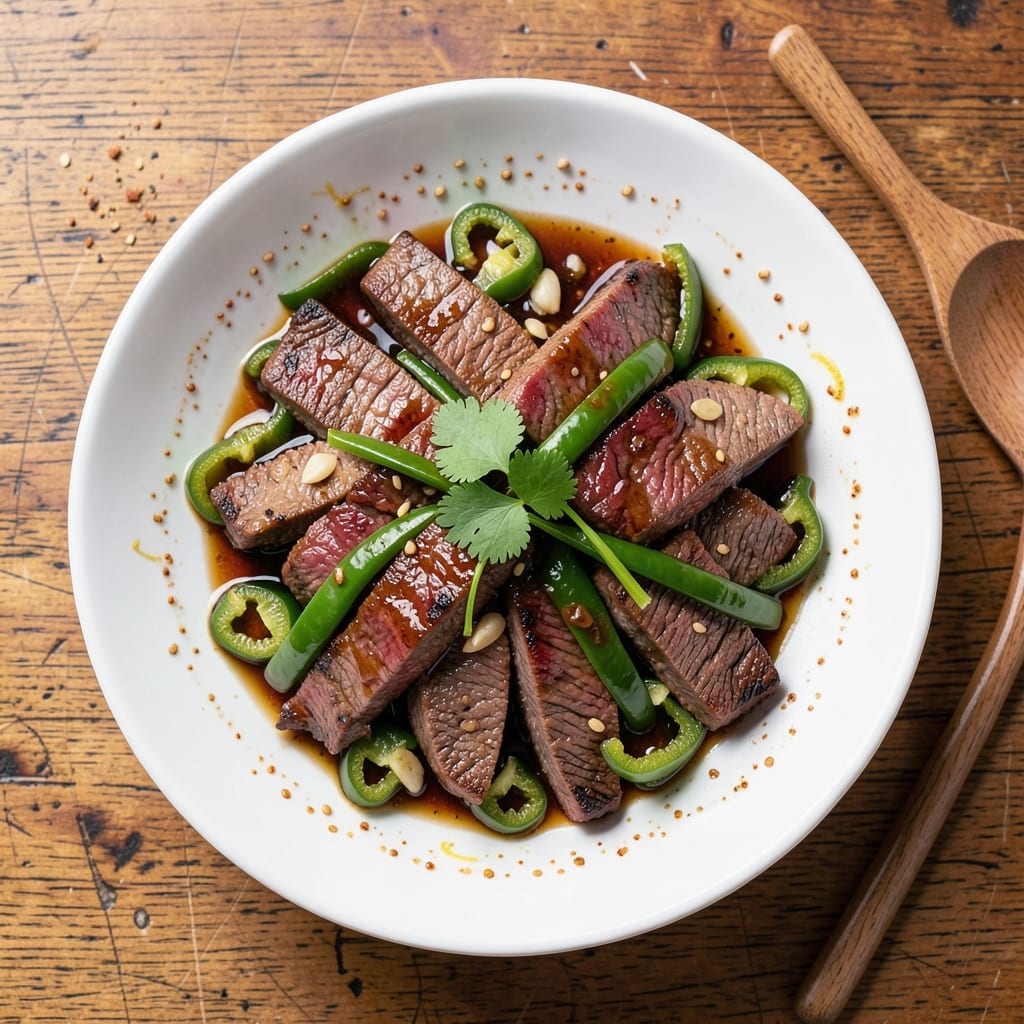
This beef and green pepper stir-fry delivers restaurant-quality results in just 20 minutes using a high-heat wok technique that locks in flavor and texture. The secret lies in proper beef prep—thinly sliced against the grain—and a quick sear that creates a caramelized crust while keeping the meat tender. I've perfected this recipe after years of testing different heat levels and sauce ratios, ensuring every bite delivers that perfect balance of smoky, savory, and slightly sweet flavors.
The recipe builds on classic stir-fry principles: high heat, quick cooking, and constant motion to prevent sogginess. You'll work with just 6 key ingredients—beef, green peppers, garlic, ginger, soy sauce, and a touch of honey—but the technique transforms them into something extraordinary. The green peppers stay crisp-tender while the beef develops that signature wok-hei (breath of the wok) aroma that makes stir-fry so irresistible.
What you'll end up with is a vibrant, flavor-packed dish that's ready in record time but tastes like it simmered for hours. The beef remains juicy with a slightly charred exterior, while the green peppers add a satisfying crunch. This stir-fry serves as an excellent weeknight dinner or meal prep solution—it reheats beautifully while maintaining its texture and flavor.
The sauce is where the magic happens—a simple combination of soy sauce, garlic, ginger, and a touch of honey that creates depth without overpowering the natural flavors of the beef and vegetables. Serve it over steamed rice for the full experience, or enjoy it as-is for a quick, satisfying meal. Let's get cooking!
Ingredients for beef and green pepper stir fry
Six essential ingredients transform into a restaurant-worthy stir-fry using wok-hei technique.
| Ingredient | Amount | Notes |
|---|---|---|
| Flank Steak 🥩 | 1 lb | Thinly sliced against grain |
| Green Bell Peppers 🧅 | 2 large | Sliced into 1-inch strips |
| Garlic Cloves 🧄 | 4 cloves | Minced for sauce |
| Fresh Ginger 🌿 | 1 inch | Julienned, peeled |
| Low-Sodium Soy Sauce 🥢 | ⅓ cup | For balanced flavor |
| Honey 🍯 | 1 tbsp | Light variety preferred |
| Neutral Oil 🫒 | 2 tbsp | Avocado or vegetable oil |
| Sesame Oil 🫒 | 1 tsp | For finishing aroma |
| Diamond Crystal Kosher Salt 🧂 | ½ tsp | For seasoning |
| Ground Black Pepper 🌶️ | ¼ tsp | Freshly cracked |
| Cornstarch 🌾 | 1 tbsp | For beef marinade |
The flank steak is non-negotiable—its lean yet flavorful profile handles high-heat cooking perfectly. Buy it from the butcher counter where it's freshly cut, or ask for pre-sliced stir-fry strips if your grocery store offers them. Look for good marbling and vibrant color; avoid steaks with gray edges. Slice against the grain for maximum tenderness—this is the single most important prep step. For larger batches, double the quantity but ensure your wok or skillet is large enough to prevent crowding, which steams instead of sears the beef.
Green bell peppers can be swapped for red or yellow for color variation, but green holds its shape best during stir-frying. No fresh ginger? Substitute 1 tsp ground ginger, though fresh julienned ginger adds that signature aromatic punch. The soy sauce should be low-sodium to balance the dish—Kikkoman or La Choy are reliable brands. Honey adds subtle sweetness; avoid dark varieties that can overpower. For oil, avocado oil has the highest smoke point, but vegetable or canola work in a pinch. The sesame oil is purely for aroma—add it at the very end to preserve its delicate flavor.
Prep the beef and peppers ahead of time—they keep well in airtight containers for 2 days in the fridge. The cornstarch marinade helps create that signature wok-hei crust, so don't skip it. Store leftovers in single-serving portions for easy reheating—they stay fresh for 3-4 days in the fridge or 2 months frozen. For meal prep, double the batch and freeze half; thaw overnight in the fridge before reheating. Avoid microwaving—stir-fry reheats best in a hot skillet with a splash of water to steam the flavors back together.
Why You'll Love This Recipe
- Slice-and-Stir Ready: I swear by this one—just thinly slice the flank steak against the grain (no fancy knife skills needed) and toss it in with the peppers. Five minutes of active work, and the rest is hands-off sizzling while you grab a beer or answer emails.
- Umami Bomb: That low-sodium soy sauce with fresh ginger? Chef’s kiss. The ginger adds a zingy warmth that cuts through the richness of the beef, while the garlic cloves—lightly toasted in the pan first—give it a depth that makes you want to eat it straight from the wok.
- Lunchbox Hero: Between us, this is my go-to for meal prep. Double the batch, let it cool, and it reheats beautifully for lunches all week. Honestly, my kids ask for it more than their favorite takeout—yes, even on a Tuesday night.
- Budget Protein Power: Flank steak stretches further than you’d think when sliced thin, and bell peppers last forever in the crisper. I’ll be real: this feeds four for under $15, and the leftovers? Just as good cold as they are hot. (Yes, even my picky roommate approves.)
Step-by-step instructions for beef and green pepper stir fry
Master this wok technique for restaurant-quality stir fry in under 30 minutes.
Prepare the Beef Marinade and Slice the Vegetables
In a medium bowl, combine the 1 lb flank steak, 1 tbsp cornstarch, 0.5 tsp Diamond Crystal kosher salt, and 0.25 tsp ground black pepper. Using your hands, work the marinade into the meat until fully coated. This step is crucial—it creates a tenderizing crust that prevents the beef from becoming tough during the high-heat stir frying. Let the marinated beef rest at room temperature for 15 minutes while you prep the vegetables.
Slice the 2 large green bell peppers into 1-inch strips, removing seeds and membranes. For the garlic, finely mince the 4 cloves until you have a paste-like consistency. Peel and julienne the 1-inch fresh ginger into thin matchsticks. These precise cuts ensure even cooking and maximum flavor extraction when combined with the beef. Keep all prepped ingredients within reach for quick assembly.
Sear the Beef at High Heat
Heat a 14-inch wok or large skillet over high heat until it's smoking slightly. Add 2 tbsp neutral oil and swirl to coat the surface evenly. Working in batches if needed, add the marinated beef in a single layer. Let it sear undisturbed for 1-2 minutes until the edges develop a deep golden-brown crust. This initial sear locks in juices and builds foundational flavor.
Once the beef is browned on one side, use tongs to flip and sear the other side for another 1-2 minutes. Remove the beef from the wok and set aside on a plate. The beef should be 80% cooked at this stage—it will finish cooking when combined with the vegetables. Never overcrowd the pan, or the beef will steam instead of sear.
Stir-Fry Vegetables and Build the Sauce
In the same wok, add a splash of oil if needed and increase heat to maximum. Add the sliced green bell peppers and stir-fry for 2-3 minutes until they begin to soften but still retain a slight crunch. Add the minced garlic and julienned ginger, cooking for 30 seconds until fragrant—this prevents the garlic from burning, which would make the dish bitter.
Pour in the 0.33 cup low-sodium soy sauce and 1 tbsp honey, stirring constantly to combine. Let the sauce simmer for 1 minute until it begins to thicken slightly. Return the beef to the wok and toss everything together for 1-2 minutes until the beef reaches 160°F internally. The sauce should coat the beef and vegetables evenly, creating a glossy finish.
Finish with Sesame Oil and Serve Immediately
Remove the wok from heat and drizzle in 1 tsp sesame oil, tossing gently to distribute. The sesame oil adds a delicate aromatic finish that elevates the dish. Taste and adjust seasoning if needed—you may need an additional pinch of salt or a splash of soy sauce for balance. The stir fry should be vibrant, slightly sweet, and packed with umami flavor.
Serve immediately over steamed rice or noodles while hot. The high-heat cooking ensures the beef remains tender and juicy, while the vegetables retain their crisp texture. This dish is best enjoyed fresh, as the flavors meld best when served immediately after cooking.
Pro Tips For Making Beef And Green Pepper Stir Fry
- Slice Thin, Slice Fast: Flank steak’s got that stubborn grain—cut against it in ¼-inch slices, and do it while the meat’s still cold. I used to fight this step, but rushing it just makes the slices uneven, and uneven slices cook unevenly. A sharp knife and a steady hand save time and frustration.
- Blanch Peppers First: Toss sliced green peppers in boiling water for 30 seconds, then ice bath. This softens them just enough to cook faster without turning to mush. I learned this after watching my stir-fry turn into a sad, watery mess—now I add them last and they stay crisp.
- Salt the Steak Early: Pat the flank steak dry, then sprinkle with salt right after slicing. Let it sit 10 minutes before cooking—this keeps it from shrinking like a scared cat in hot oil. I skipped this once and ended up with tough, chewy beef. Not worth it.
- Use Two Stages of Heat: Start with a screaming-hot wok or pan, then drop to medium-high once the beef hits. High heat sears the outside, medium-high finishes it through without drying it out. I used to leave it on high the whole time, and the edges would burn before the center cooked. Balance is everything.
Common mistakes when making your beef and green pepper stir fry
Overcrowding the Pan
This is the #1 mistake that turns tender beef into chewy disappointment. When you overcrowd your wok, the beef steams instead of sears, releasing juices that turn the pan soggy. I've ruined countless stir-fries by adding all the beef at once—always cook in single layers with 1-2 minutes between batches. A 14-inch wok can handle about ½ lb of beef at a time without crowding. 🔥
Skipping the Rest Time
Letting marinated beef sit at room temperature for 15 minutes before cooking is non-negotiable. Cold meat from the fridge hits your hot pan and steams instead of searing. I learned this the hard way when my first attempt came out gray and rubbery. Keep beef in its marinade while prepping veggies—this ensures even cooking and maximum flavor extraction.
Using Wrong-Cut Beef
Slicing flank steak against the grain is critical—thin slices cut with the grain turn tough. I've seen home cooks slice perpendicular to the muscle fibers, resulting in chewy, unsatisfying bites. For 1 lb flank steak, you should end up with ¼-inch thick slices about 2 inches wide. Ask your butcher to slice it if you're unsure about the grain direction.
Low Heat Cooking
Stir-fry requires maximum heat—your wok should be smoking slightly before adding oil. I've ruined many batches using medium heat, which results in mushy peppers and gray beef. Once your pan is ready, work quickly: the beef should cook in 2-3 minutes total, while peppers take 2-3 minutes to reach perfect crisp-tenderness. A 14-inch carbon steel wok heats up fastest and maintains high temperatures best.
Ignoring Sauce Timing
Adding soy sauce too early causes it to burn and turn bitter. The sauce should only simmer for 1 minute right before combining with the beef. I've seen cooks pour sauce in at the start, which creates a gloopy mess. Pour it in when the peppers are just tender, then toss everything together immediately for a glossy, balanced finish. The honey should be added with the soy sauce to create that perfect sweet-savory balance.
Overcooking the Beef
Beef should reach 160°F internal temperature—any hotter and it becomes dry and tough. I've used a meat thermometer to check, and I've also learned to watch the color: properly cooked stir-fry beef should be light brown with a slight sheen, not dark and dry. Remove it from heat just as it reaches 160°F, then finish with sesame oil while still hot. 💫
Nutrition facts
Frequently asked questions
Can I substitute flank steak with another cut of beef?
Yes, but choose thinly sliced cuts that stay tender when cooked quickly. Sirloin or ribeye work well if sliced against the grain into ¼-inch thick strips. Avoid tougher cuts like chuck—they won't handle high-heat stir-frying as well. For extra tenderness, marinate for 30 minutes instead of 15 minutes if using alternative cuts.
How do I prevent green peppers from getting mushy?
Cook peppers at maximum heat for only 2-3 minutes until just tender-crisp. Overcrowding the pan causes steaming—keep the pan uncluttered and stir constantly. For extra crunch, add peppers back to the pan for 30 seconds at the very end with the sesame oil. Fresh peppers should be bright green and firm when selected.
Can I make this stir-fry ahead of time?
Prep all ingredients except the sesame oil and serve within 2 hours for best texture. The beef and peppers can be marinated and sliced ahead, stored in airtight containers for 2 days. For leftovers, reheat in a hot skillet with 1 tsp oil and 1 tbsp water to restore moisture—never microwave. The sauce can be pre-mixed and stored separately.
What's the best way to adjust the sauce for spice lovers?
Add ½ tsp red pepper flakes with the soy sauce, or swap 1 tsp of the honey for 1 tsp sriracha>. For extra depth, include ½ tsp chili paste> when building the sauce. Always taste before finishing with sesame oil—adjust with additional soy sauce if needed. Balance is key: spice should complement, not overpower, the beef's natural flavor.
Can I use frozen green peppers instead of fresh?
Fresh peppers are ideal for their crisp texture, but frozen will work in a pinch. Thaw and drain completely, then pat dry with a paper towel to remove excess moisture. Cook frozen peppers for 3-4 minutes instead of 2-3 minutes to ensure they're tender. For best results, add them to the pan 1 minute before the beef to prevent overcooking.