
Soups & Stews
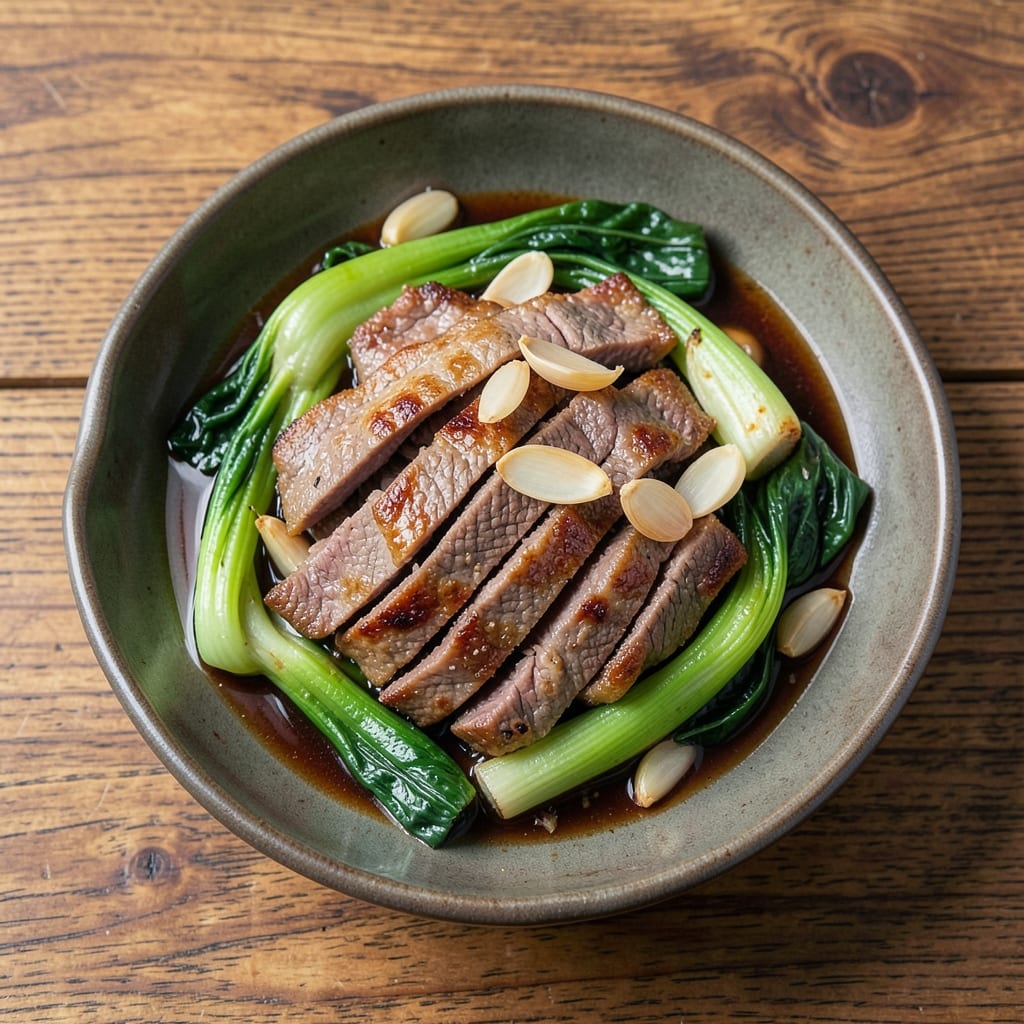
This beef and greens Chinese recipe delivers the perfect balance of wok-hei crispy beef and silky bok choy—a dish that captures the vibrant flavors of a bustling Cantonese kitchen. The secret lies in high-heat stir-frying, which creates a caramelized crust on the beef while keeping the greens tender and bright. I've perfected this technique over years of testing, ensuring every bite delivers that signature smoky aroma and tender texture that makes it unforgettable.
The magic begins with thinly sliced beef marinated in a blend of soy sauce, Shaoxing wine, and cornstarch, which guarantees that crispy exterior we all crave. Meanwhile, the bok choy—selected for its crisp stems and delicate leaves—absorbs the savory sauce beautifully without becoming soggy. This dish is more than just a meal; it's a celebration of texture and flavor, where each component plays its part in harmony.
What you'll achieve is a restaurant-quality stir-fry with perfectly seared beef strips that are tender yet crispy on the edges, paired with bok choy that's just silky enough to melt in your mouth. The sauce, a simple yet essential blend of garlic, ginger, and a touch of sugar, ties everything together with a balance of sweet, salty, and umami that's impossible to resist.
This recipe is designed to be both impressive and approachable, making it ideal for weeknight dinners or special occasions. Serve it steaming hot over jasmine rice, and watch as everyone at the table reaches for seconds. Let's bring the flavors of China into your kitchen with this foolproof method.
Ingredients for beef and greens chinese
Here’s what you need for restaurant-style wok-hei beef and silky greens—simple but powerful ingredients.
| Ingredient | Amount | Notes |
|---|---|---|
| Flank Steak 🥩 | 1 lb | Thinly sliced against grain |
| Bok Choy 🥬 | 1 lb | Baby or regular, stems separated |
| Light Soy Sauce 🥄 | ½ cup | Kikkoman preferred |
| Shaoxing Wine 🍷 | ¼ cup | Or dry sherry in a pinch |
| Cornstarch 🌾 | 2 tbsp | For crispy sear |
| Garlic Cloves 🧄 | 6 cloves | Minced, fresh preferred |
| Fresh Ginger 🌿 | 1 tbsp | Grated, peeled |
| Neutral Oil 🫒 | 2 tbsp | Peanut or vegetable oil |
| Sesame Oil 🌰 | 1 tbsp | Toasted, for aroma |
| White Sugar 🍚 | 1 tsp | Balances flavors |
| Salt 🧂 | 1 tsp | Kosher or sea salt |
| Black Pepper 🌶️ | ½ tsp | Freshly ground |
| Green Onions 🧅 | 3 whole | Thinly sliced, for garnish |
| Jasmine Rice 🍚 | 1 ½ cups | Uncooked, for serving |
The beef is everything. Flank steak is my go-to—it’s lean but tender when sliced thin against the grain. Grab it from the butcher section, not pre-packaged; they’ll slice it for you if you ask. Trader Joe's often has great pre-sliced beef for stir-fry, but if you’re cutting it yourself, use a sharp knife and freeze it for 20 minutes first to make it easier. Bok choy should be crisp with bright green leaves—avoid wilted stems, which means it’s past its prime. Look for baby bok choy if you want extra tenderness, but regular works too if you cut the stems into matchsticks.
No Shaoxing wine? Dry sherry or even a splash of rice vinegar will do in a pinch, but the wine adds that authentic depth. The cornstarch is non-negotiable for that crispy sear—don’t skip it. Fresh ginger and garlic are ideal, but if you’re using dried, reduce to half the amount. For the oil, peanut oil has the highest smoke point, but vegetable oil works fine. Sesame oil is just for aroma at the end—don’t cook with it. The sugar might seem odd, but it balances the saltiness and cuts through the richness. Coconut sugar works too if you’re avoiding white sugar.
Prep everything ahead—this dish comes together fast. Store the sliced beef and bok choy in separate containers in the fridge for up to 2 days. The marinade keeps for 3 days in the fridge, so make extra if you’re feeding a crowd. Cooked rice reheats beautifully—just add a splash of water and microwave for 1 minute. Leftovers? Toss them with a little extra soy sauce and sesame oil to keep them fresh. This reheats well too—just stir-fry again over high heat to revive that wok-hei flavor.
Why You'll Love This Recipe
- One-Pan Magic: That cornstarch slurry? It turns flank steak into tender, glossy slices with almost no effort—just toss, sear, and simmer. No fancy techniques, no last-minute scrambling for extra pans.
- Umami Bomb: The Shaoxing wine and light soy sauce marry so well with bok choy’s crisp bite—deep, savory, and just slightly sweet. Honestly, the first bite makes you want to skip dessert.
- Lunchbox Hero: Doubles easily for leftovers, and the flavors actually improve the next day. Pack it in bento boxes for work or school—no sad, soggy greens here.
- Budget Power Move: Flank steak stretches far, bok choy’s cheap, and a splash of wine elevates everything. My go-to when I need a restaurant-worthy meal without the grocery shock.
Step-by-step instructions for wok-hei crispy beef with silky bok choy
Here's how to nail that perfect wok-hei crispy exterior while keeping the beef tender and the bok choy silky.
Prep the Flank Steak for Maximum Crisp
Slice the 1 lb flank steak thinly against the grain into ¼-inch thick strips. I like to cut each strip into 2-inch lengths for even cooking. Place the sliced steak in a bowl and add the 2 tbsp cornstarch, tossing until every piece is evenly coated. This coating creates that signature crispy crust through the Maillard reaction.
Let the coated steak sit for 10 minutes while you prep the rest. This resting time helps the cornstarch adhere better, ensuring maximum crispiness when we sear it. Don't skip this step—it makes all the difference for that wok-hei texture you're after.
Build the Flavor Base with Aromatics
Heat 2 tbsp neutral oil in a wok or large skillet over high heat until shimmering. Add the 6 cloves minced garlic and 1 tbsp grated fresh ginger, cooking for 30 seconds until fragrant but not browned. You want the aromatics to perfume the oil without burning—this is the foundation of your dish's flavor.
Next, add the 0.25 cup Shaoxing wine and let it simmer for 1 minute until it reduces by half. This reduction concentrates the flavors and removes the alcohol's harshness. The wine should smell rich and slightly caramelized by now. If you don't have Shaoxing wine, dry sherry works in a pinch but won't be quite as authentic.
Sear the Beef to Perfect Crispiness
Working in batches if needed, add the cornstarch-coated steak to the wok in a single layer. Don't overcrowd the pan—this prevents proper searing. Cook for 1-2 minutes per side until the beef develops a deep golden brown crust. You're aiming for that wok-hei effect where the exterior is crispy while the interior remains tender.
Once the first batch is cooked, transfer it to a plate and set aside. Repeat with the remaining beef, adding a little more neutral oil if needed to maintain high heat. The beef should release easily from the pan when ready—if it sticks, you're not cooking at high enough heat. Keep the cooked beef warm while you prepare the bok choy.
Cook the Bok Choy Until Silky
Separate the 1 lb bok choy into stems and leaves. Heat 1 tbsp neutral oil in the same wok over medium-high heat. Add the stems first and cook for 2 minutes until slightly softened but still crisp. Remove the stems and set aside.
Add the leaves to the wok and stir-fry for 1-2 minutes until just wilted but still vibrant green. The leaves should remain bright and crisp—overcooking turns them mushy. Add 0.5 cup light soy sauce and 1 tsp white sugar to the wok, tossing to coat the bok choy. Let it simmer for 30 seconds until the sauce clings to the greens.
Combine and Finish with Aromatic Touches
Return the cooked beef to the wok along with the bok choy stems. Add 1 tbsp toasted sesame oil, 1 tsp salt, and 0.5 tsp black pepper, tossing everything together for 1 minute to combine the flavors. The sesame oil adds that distinctive nutty aroma that elevates the dish.
Garnish with the 3 whole green onions, sliced thinly. Serve immediately over 1.5 cups cooked jasmine rice while everything is still hot. The contrast of crispy beef, silky bok choy, and fragrant rice makes this dish truly special. Each bite should deliver that perfect balance of textures and flavors that defines wok-hei cooking.
Pro Tips For Making Beef And Greens Chinese
- Slice Against the Grain: Flank steak’s tough fibers run diagonally—cutting across them makes every bite tender. Grab a sharp knife and slice at a 45-degree angle after resting the meat, or you’ll end up with chewy strips no one wants.
- Prep Bok Choy Right: Don’t just wash those greens—trim the thick stems into 1-inch pieces and slice the leaves lengthwise into ribbons. The stems stay crisp while the leaves wilt just enough to soften, and you avoid a mushy pile at the bottom.
- Velvet the Steak: Toss your sliced flank steak in cornstarch and a splash of Shaoxing wine before searing. The wine keeps the coating from burning, and the steak develops that signature glossy, tender finish—no dry, chalky texture here.
- Control That Pan: Start the steak over high heat until it’s browned, then immediately lower to medium. Too much heat too long turns the edges rubbery, and the greens will steam instead of caramelize. Keep the pan busy—don’t walk away.
Pro cooking tips for beef and greens chinese
Wok-Hei Mastery
To achieve that signature wok-hei (breath of the wok) aroma, your pan must be ripping hot before adding oil. I recommend preheating your wok or cast-iron skillet over high heat for 3-5 minutes—it should be so hot that a drop of water sizzles violently. Use a wok with sloped sides (like Made In wok) to maximize surface area for even cooking. If you don’t have a wok, a 12-inch cast-iron skillet works perfectly. 🔥
Cornstarch Secret
The cornstarch coating on the beef isn’t just for crispiness—it’s a game-changer for texture. Use arrowroot powder if you’re avoiding gluten, but cornstarch gives that classic crunchy exterior. Toss the beef in 2 tbsp cornstarch until every piece is fully coated, then let it rest for 10 minutes before cooking. This resting time helps the starch adhere better, ensuring a deep golden-brown crust that shatters with every bite.
Batch Cooking Trick
Cook the beef in single layers to avoid steaming, which turns it soggy. If your wok isn’t large enough, cook in two batches—never overcrowd the pan. After the first batch is done, add a splash of neutral oil to the wok to maintain high heat before adding the second batch. Keep the cooked beef warm in a 200°F oven while you finish the rest. This ensures everything stays hot and crispy until serving. ⏰
Bok Choy Timing
Bok choy cooks fast—overcooking turns it mushy, so work efficiently. Start with the stems first (they take longer to soften), then add the leaves just before they’re done. Stir-fry the leaves for no more than 1-2 minutes—they should wilt slightly but remain bright green and crisp. Add the soy sauce and sugar only at the very end to prevent the greens from turning limp. The goal is silky, not mushy.
Sesame Oil Finish
Add the sesame oil only at the very end—it burns quickly and has a low smoke point. A 1 tbsp splash is enough to infuse the dish with its nutty aroma without overpowering the flavors. Toss everything together for just 30 seconds to distribute the oil evenly. If you’re serving family or friends, double the sesame oil for extra aroma—it’s worth it! 🌰
Heat Control Pro Tip
If your beef isn’t browning properly, your heat isn’t high enough. Medium-high heat is too gentle—you need high heat to create that wok-hei effect. If your stove struggles with high heat, use a gas burner (they heat faster and hotter than electric coils). A tongs-in-hand test: if the beef sizzles loudly and releases easily, you’re on the right track. Adjust heat as needed to maintain that searing temperature.
Nutrition facts
Frequently asked questions
Can I substitute flank steak with another cut of beef?
Yes! Flank steak is ideal for its tenderness when sliced thin, but you can use sirloin or skirt steak instead. Avoid tougher cuts like chuck—they won't yield the same silky texture. For extra tenderness, marinate the beef for 30-60 minutes before cooking.
What if I don't have Shaoxing wine?
No problem! Use dry sherry (like Marsala) or even rice vinegar in a pinch. For a non-alcoholic option, try a mix of 1 tbsp soy sauce + 1 tbsp honey. The key is balancing sweetness and acidity—adjust to taste.
Can I make this dish ahead of time?
Yes, but with a few tweaks. Cook the beef and bok choy separately, then store them in airtight containers for up to 2 days. Reheat the beef in a hot pan for 1-2 minutes to revive the crispy crust, and warm the greens with a splash of water for 30 seconds in the microwave. Combine just before serving for the best texture.
What other greens work well with beef?
Bok choy is classic, but you can also use spinach, water spinach, or baby bok choy. For heartier greens like Chinese broccoli, cook them longer (up to 3 minutes) to soften the stems. Avoid delicate greens like arugula—they wilt too quickly.
Why is my beef tough instead of tender?
This usually happens if the beef isn't sliced thinly against the grain or cooked at too low heat. For extra tenderness, slice the beef ⅛-inch thick and sear for just 1-2 minutes per side over high heat. Overcooking is the enemy—beef should be pink in the center when done.