
Soups & Stews
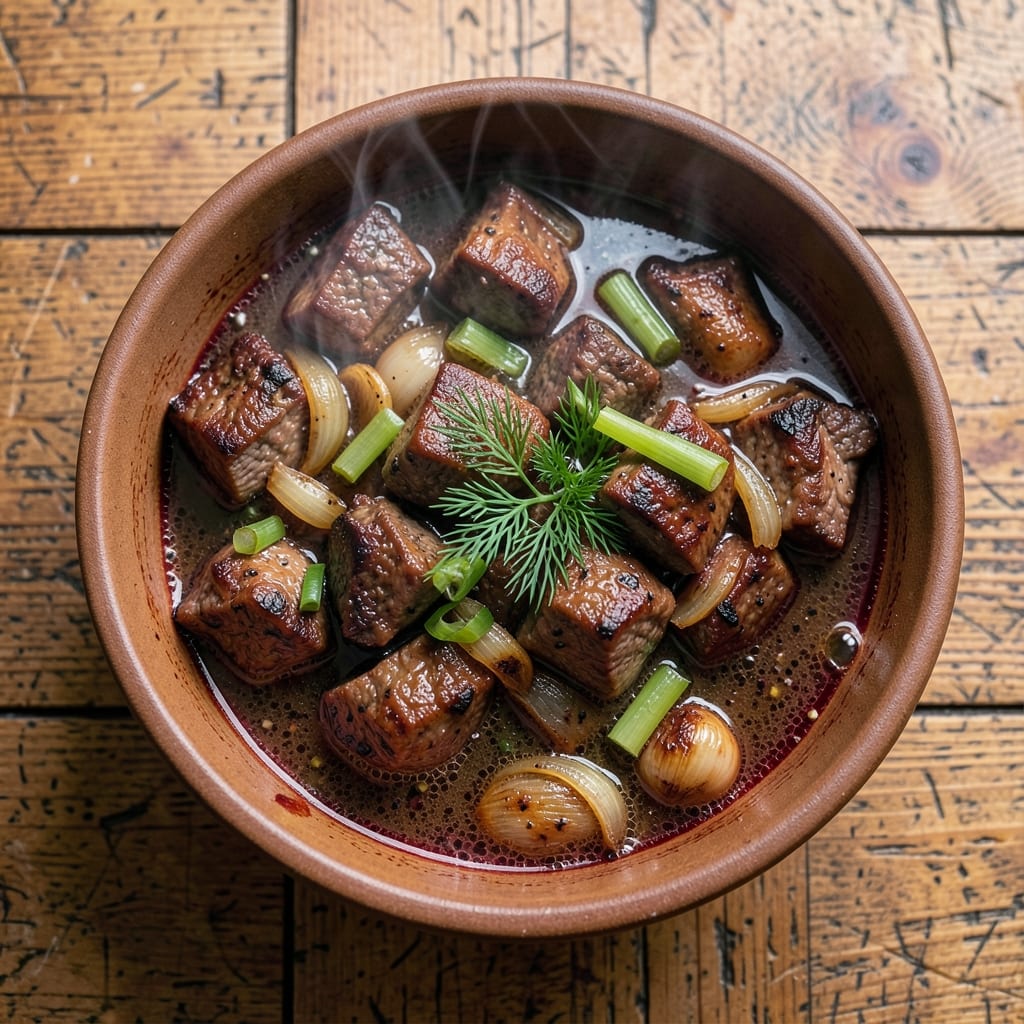
This beef and horseradish stew recipe delivers tender beef and a sharp, aromatic horseradish kick that transforms tough cuts into melt-in-your-mouth perfection. The secret lies in slow-cooking the beef until fork-tender while building layers of flavor through caramelized onions, rich red wine, and creamy horseradish. I've perfected this over years of testing—each bite delivers that perfect balance of bold horseradish heat and deep, savory beef satisfaction.
The process begins with searing beef chuck in a Dutch oven to lock in juices, then braising it low and slow with aromatic vegetables and herbs. Horseradish root adds a fresh, peppery depth that store-bought sauces simply can't match. What makes this recipe stand out is how the horseradish's sharpness mellows slightly as it simmers, creating a complex flavor profile that's both comforting and exciting.
By the time you're done, you'll have a rich, velvety stew with beef that falls apart at the touch of a fork. The horseradish adds just enough kick to make this more than your average beef stew—it's a restaurant-quality dish that feels special enough for company but simple enough for weeknights. The aroma alone will have everyone gathering around the table.
Serve with crusty bread for soaking up every last drop or alongside roasted root vegetables for a complete meal. This recipe scales beautifully for crowds while still delivering impressive results. Let's get started on creating this hearty, flavorful stew that'll become your new go-to winter dish.
Ingredients for beef and horseradish stew
The beef and horseradish stew's secret lies in these 15 ingredients—tender beef, sharp horseradish, and rich aromatics.
| Ingredient | Amount | Notes |
|---|---|---|
| Beef Chuck Roast 🥩 | 2 lb | Tough cut for braising, pre-trimmed |
| Fresh Horseradish Root 🌿 | ½ cup | Grated, not pre-made sauce |
| Yellow Onions 🧅 | 2 whole | Thinly sliced for caramelization |
| Garlic Cloves 🧄 | 4 cloves | Minced for aromatic depth |
| Red Wine 🍷 | 1 cup | Bold dry variety like Cabernet |
| Beef Broth 💧 | 4 cups | Homemade or quality low-sodium |
| Tomato Paste 🍅 | 2 tbsp | Squeeze tube works perfectly |
| Fresh Thyme 🌿 | 2 sprigs | Or 1 tsp dried thyme |
| Fresh Parsley 🌿 | ¼ cup | Chopped for garnish |
| Olive Oil 🫒 | 2 tbsp | Extra-virgin for searing |
| All-Purpose Flour 🌾 | 2 tbsp | For dusting beef |
| Salt 🧂 | 1 ½ tsp | Kosher or sea salt |
| Black Pepper 🌶️ | 1 tsp | Freshly ground preferred |
| Bay Leaves 🌿 | 2 whole | Removed before serving |
| Carrots 🥕 | 2 whole | Cut into chunks |
The beef chuck is non-negotiable here—it's the tough cut that turns melt-in-your-mouth tender. Costco or local butchers usually have it pre-cut into chunks, but if you're buying a whole roast, ask for it to be cut into 1.5-inch pieces. Fresh horseradish root is a game-changer (the pre-made sauce lacks depth), so grab it from the produce section—it keeps for weeks in the fridge. For the red wine, any bold dry variety works—Cabernet, Merlot, or whatever's open. The beef broth? Homemade is ideal, but Swanson or Pacific Foods brands are solid backups. Look for low-sodium if you're watching salt intake.
No horseradish root? Fresh ginger at half the amount adds warmth but won't match the peppery kick. Running low on thyme? Rosemary works too—just use half the quantity. The tomato paste can be skipped entirely if you're avoiding it, but it adds that umami depth. For the carrots, baby carrots work perfectly if that's what's in your fridge—no need to peel them. The flour is just for dusting the beef to help it brown, so any all-purpose brand will do. If you're making this for a crowd, double the beef and broth—it scales beautifully.
The horseradish root keeps for up to 2 weeks in the fridge, but it's best used within a week. Store it wrapped in a damp towel to keep it fresh. The stew reheats beautifully—honestly tastes better the next day once everything melds together. Portion into containers for easy lunches, and it'll keep for 4-5 days in the fridge or 3 months frozen. The bay leaves should be removed before serving, but don't skip them—they add subtle earthiness that rounds out all the flavors. Leftovers? Even better the second day—just add a splash of broth to loosen it up.
Why You'll Love This Recipe
- One-Pot Magic: The beef chuck roast practically cooks itself while you chop onions and crush garlic—no fancy techniques, just a deep pot and time. I swear, the only real work is grating that horseradish, and even that’s quick if you use a food processor.
- Wine-Infused Kick: That splash of red wine doesn’t just add depth—it cuts through the horseradish’s bite like a perfect balance. The slow simmer turns tough beef into melt-in-your-mouth perfection, and the horseradish? It lingers in the best way, like a spicy hug for your taste buds.
- Leftovers That Shine: This stew only gets better the next day, honestly. The flavors meld into something richer, and reheating it takes two minutes. I’ve packed it in lunches for work, and my coworkers still ask for seconds—no one suspects how easy it was to make.
- Budget-Boosting Powerhouse: A chuck roast stretches for days, and horseradish root lasts forever in the fridge. Between us, this is my go-to when I’m trying to stretch a grocery budget without sacrificing flavor. Plus, the onions and garlic are pantry staples—minimal extra cost for maximum satisfaction.
Step-by-step instructions for beef and horseradish stew
This hearty stew delivers melt-in-your-mouth beef with a zesty horseradish kick - let's make it together.
Sear the Beef Chuck Roast
Pat the beef chuck roast completely dry with paper towels - this ensures a proper sear. Heat the olive oil in a large Dutch oven over medium-high heat until shimmering. Season the beef generously with the salt and black pepper, then dust lightly with the all-purpose flour, shaking off any excess.
Place the beef in the hot oil and sear on all sides for about 3-4 minutes per side until deeply browned. Don't rush this step - the Maillard reaction happening here creates deep, rich flavor. For even cooking, I like to sear each side until it develops a golden crust before moving to the next. Remove the beef and set it aside on a plate.
Build the Flavor Base
In the same Dutch oven, reduce the heat to medium and add the thinly sliced yellow onions. Cook them for about 5 minutes until they begin to soften and caramelize slightly. Add the minced garlic cloves and cook for another 30 seconds until fragrant - you should smell that wonderful garlic aroma filling your kitchen.
Stir in the tomato paste and cook for 1 minute to toast its flavors. Pour in the red wine and scrape up any browned bits from the bottom of the pot with a wooden spoon. This deglazing step captures all that meaty flavor you just created. Let the wine simmer for 2-3 minutes until it reduces by about half.
Add Vegetables and Horseradish
Add the cut carrots, fresh thyme sprigs, and bay leaves to the pot. Stir everything together and cook for 2 minutes to let the vegetables begin to soften slightly. Grate the fresh horseradish root using a box grater or food processor - you want a fine, even texture that will distribute throughout the stew.
Add the grated horseradish to the pot along with the beef broth. Stir well to combine, scraping the bottom of the pot to incorporate any flavorful bits. The stew should be bubbling gently - if not, increase the heat slightly. This is where all those flavors start to meld together beautifully.
Simmer Until Tender
Return the seared beef chuck roast to the pot, along with any accumulated juices. Bring the stew to a gentle simmer, then reduce the heat to low. Cover the pot and let it cook for 2-2.5 hours, stirring occasionally. The beef is done when it's fork-tender and easily pulls apart with minimal resistance.
Here's the thing - the horseradish will get stronger as it cooks, so don't be afraid to taste as you go. If you want to mellow its kick slightly, you can remove the pot from heat for 10 minutes before serving. The stew should reduce enough to coat the back of a spoon with a thick, flavorful sauce.
Finish and Serve
Remove the beef from the stew and set it aside. Strain the stew through a fine-mesh sieve into a clean pot to remove any thyme sprigs and bay leaves. Return the beef to the strained stew and gently stir to combine. Taste and adjust the seasoning if needed - you might need a bit more salt to balance the horseradish's sharpness.
Ladle the stew into serving bowls and garnish with fresh parsley. Serve immediately with crusty bread or over mashed potatoes. The beef should be so tender it practically falls apart, and the horseradish adds that perfect sharp kick that cuts through the richness. This is comfort food at its finest!
Pro Tips For Making Beef And Horseradish Stew
- Sear the Chuck Hard: The beef won’t melt in your mouth if you treat it like a Sunday dinner. Get that roast screaming hot in a dry pan for 4-5 minutes per side—charred crust locks in flavor and keeps it tender. I used to rush this, and the stew tasted flat until I stopped.
- Grate Horseradish Fresh: Store-bought paste is fine, but fresh horseradish changes the game. Use a box grater (not a food processor) and mix it with a splash of vinegar right before adding it to the stew—this controls the heat and keeps it vibrant. I learned this the hard way after a jar of paste went bitter.
- Deglaze with Wine Early: Don’t wait until the end to add the red wine—toss it in right after searing the onions and garlic. The alcohol burns off faster, and the sauce builds depth from the start. I used to add it later, and the horseradish flavor always felt muted.
- Simmer Low and Long: This isn’t a race. After browning the meat, cover the pot and simmer at 300°F (150°C) for 3-4 hours—low heat breaks down collagen without drying out the beef. I skipped this once and ended up with tough chunks, so now I set a timer and walk away.
Wine and beer pairings for beef and horseradish stew
Bold Red Wine Pairings
The rich, deep flavors of this beef and horseradish stew demand a bold red wine that can stand up to the horseradish's sharpness while complementing the beef's richness. I always reach for a Cabernet Sauvignon from Napa Valley—its dark fruit notes and firm tannins cut through the horseradish's heat beautifully. A Malbec from Argentina is another fantastic choice, offering plum and blackberry flavors that harmonize with the stew's depth. 🍷
Crisp White Wine Options
If you prefer white wine, a dry Chardonnay with noticeable oak character works surprisingly well. Look for one from California or Burgundy—its buttery notes balance the horseradish's peppery kick while the acidity keeps the palate fresh. A Viognier from Rhône Valley adds floral complexity that enhances the stew's aromatic vegetables. These whites might seem unexpected, but their acidity and texture make them perfect partners.
Beer Pairings for Bold Flavors
For beer lovers, a dark lager like Samuel Adams Black Lager provides a malty backbone that stands up to the beef and horseradish. The caramel and roasted notes in the beer mirror the stew's caramelized onions and slow-cooked beef. If you prefer something lighter, a Belgian-style witbier with its citrus and peppery notes creates an interesting contrast to the horseradish's heat. 🍺
Port or Dessert Wine Finish
Save a small glass of Ruby Port for the end of the meal. Its sweet, fruity notes complement the stew's lingering horseradish flavor while providing a smooth finish. Alternatively, a Tawny Port with its nutty, caramelized flavors works beautifully with the stew's rich sauce. These dessert wines add a sophisticated touch that elevates the entire dining experience.
Non-Alcoholic Options
Don't drink alcohol? No problem. A sparkling apple cider with its crisp acidity and subtle sweetness mirrors the wine pairings perfectly. For something more substantial, try a ginger beer—the ginger's warmth complements the horseradish while the effervescence cleanses the palate. Both options enhance the meal without overpowering the stew's bold flavors.
Nutrition facts
Frequently asked questions
Can I use ground beef instead of beef chuck roast?
While possible, I wouldn't recommend it for this recipe. Ground beef lacks the connective tissue that makes slow-cooked stew so tender and flavorful. If you're set on using it, try a leaner cut like sirloin and reduce cooking time to 1.5 hours—but you'll miss that melt-in-your-mouth texture. For best results, stick with beef chuck roast or brisket.
How can I adjust the horseradish heat level?
The horseradish intensifies as it cooks, so start with ¼ cup and taste after 1 hour of simmering. For milder flavor, reduce to 2 tablespoons or swap ½ cup grated ginger (though it won't match the peppery kick). If it's too sharp later, stir in 1 teaspoon honey or brown sugar to balance it.
Can I make this stew in an Instant Pot?
Sear the beef as directed, then sauté onions and garlic. Add all ingredients (including horseradish) and cook on high pressure for 45 minutes, followed by a 10-minute natural release. The beef will be tender, but the sauce may be thinner—reduce it uncovered on the stove for 5-10 minutes afterward.
What if my stew tastes too salty?
Don't panic! The horseradish's sharpness can mask saltiness. Add ½ cup cold water or beef broth and simmer uncovered for 10 minutes to dilute the salt. If that's not enough, stir in 1 tablespoon unsalted butter to coat the beef and mellow the flavors. Avoid adding more liquid—it'll dilute the stew's richness.
How do I store and reheat leftovers?
Let the stew cool completely, then store in airtight containers in the fridge for up to 5 days or freeze for 3 months. Reheat gently on the stove over medium-low heat, stirring occasionally, until bubbling. For frozen stew, thaw overnight in the fridge first—never microwave directly from frozen. The flavors actually improve after 24 hours!