
Soups & Stews
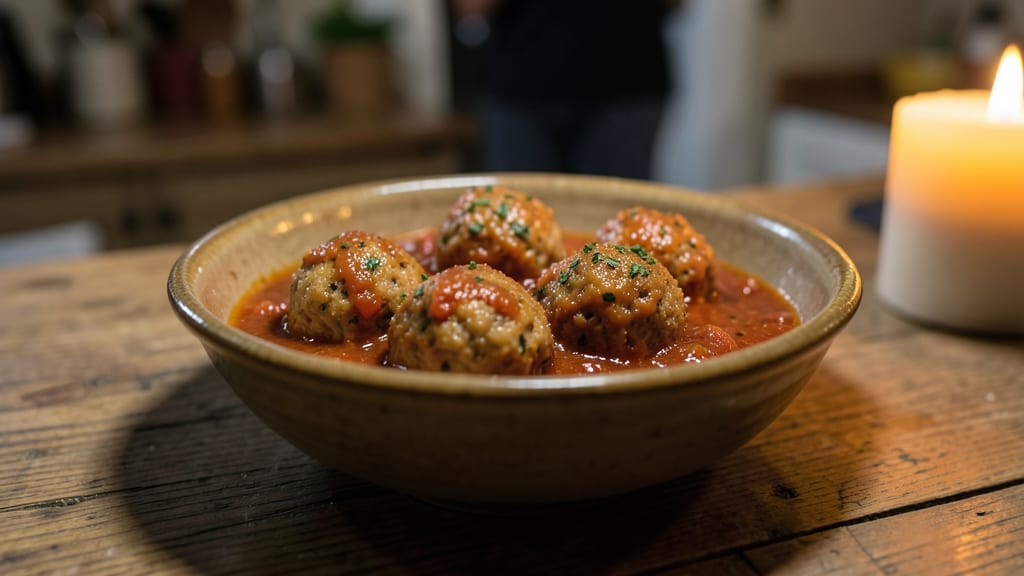
This beef and lamb meatballs recipe delivers restaurant-quality bites with a perfect blend of tender meat and aromatic herbs, all smothered in a velvety tomato sauce. 💛 The secret lies in combining two rich meats for depth of flavor while keeping the texture juicy and cohesive—no dry, dense meatballs here. I’ve perfected this technique over years of testing, ensuring every bite is packed with savory richness and a touch of sweetness from the sauce.
The foundation starts with finely ground beef and lamb, bound together with breadcrumbs and egg for structure, then seasoned with garlic, parsley, and a hint of nutmeg. These ingredients transform ordinary meatballs into herb-infused masterpieces that hold their shape during cooking. The sauce—a blend of crushed tomatoes, white wine, and fresh basil—simmers until thick and glossy, coating each meatball in a creamy, tangy embrace.
By the time you serve these, you’ll have a dish that’s hearty enough for a weeknight dinner but elegant enough for company. The meatballs stay tender and flavorful, while the sauce clings perfectly, creating a balance of textures and tastes that’s impossible to resist. Whether paired with crusty bread, polenta, or over pasta, this recipe guarantees a meal that feels like a hug in every bite.
Ready in under an hour, this dish is perfect for meal prep or last-minute dinners. The sauce can be made ahead, and the meatballs freeze beautifully, so you’re always prepared for a comforting, crowd-pleasing meal. Let’s get started!
Ingredients for beef and lamb meatballs
Restaurant-quality meatballs start with these 15 ingredients—rich meats, aromatic herbs, and velvety sauce components.
| Ingredient | Amount | Notes |
|---|---|---|
| Ground Beef (80/20) 🥩 | 1 lb | Finely ground for tenderness |
| Ground Lamb 🐑 | ½ lb | Finely ground for even texture |
| Fresh Parsley 🌿 | ¼ cup | Chopped finely, stems removed |
| Large Eggs 🥚 | 1 whole | Room temperature for binding |
| Plain Breadcrumbs 🍞 | ½ cup | Panko works too for extra crunch |
| Garlic Cloves 🧄 | 2 cloves | Minced finely for flavor |
| Ground Nutmeg 🌿 | ½ tsp | Freshly grated preferred |
| Sea Salt 🧂 | 1 ½ tsp | Kosher preferred for seasoning |
| Ground Black Pepper 🌶️ | 1 tsp | Freshly cracked for bite |
| Crushed Tomatoes 🍅 | 14 oz | San Marzano preferred for sweetness |
| Dry White Wine 🍷 | ½ cup | Bold variety like Sauvignon Blanc |
| Fresh Basil 🌿 | ¼ cup | Chopped for sauce freshness |
| Extra-Virgin Olive Oil 🫒 | 2 tbsp | For sauce richness |
| Unsalted Butter 🧈 | 1 tbsp | For sauce creaminess |
| All-Purpose Flour 🌾 | 1 tbsp | For sauce thickening |
The meat blend is everything. Ground beef and lamb from the butcher counter (not pre-packaged) give the best texture—ask for 80/20 fat content in the beef for juiciness. Whole Foods or Costco have excellent bulk options, but any grocery store's meat department works. Look for fresh parsley with vibrant green leaves—wilting means flavor loss. The nutmeg should be freshly grated; pre-ground loses potency fast. For the crushed tomatoes, San Marzano cans (from Trader Joe's or specialty stores) are worth the investment—they're sweeter and less acidic than regular brands.
No white wine? Dry chicken broth with a splash of lemon juice mimics the acidity. Fresh basil wilted? Dried basil at one-third the amount works in a pinch, but fresh is ideal. The breadcrumbs can be substituted with crushed crackers (like Ritz) for a different texture. For the sauce, if you're avoiding butter, olive oil plus a pinch of sugar keeps it rich. The flour is just for thickening—don't skip it, but don't overmix or the sauce will get gluey. And trust me on the nutmeg: it's subtle but essential for that restaurant-quality depth.
Meatballs keep 3 days in the fridge—portion them into freezer bags with sauce for 3 months. The sauce reheats beautifully; just warm it gently on the stove. For meal prep, make a double batch of sauce and freeze it separately. The fresh herbs (parsley and basil) should be used within 2 days of shopping—store them in damp paper towels in the fridge. If you're making ahead, assemble the meatballs but don't cook them until serving day—they'll hold their shape better.
Why You'll Love This Recipe
- No-Fuss Mixing: I swear by this combo—just toss the ground beef and lamb with chopped parsley, breadcrumbs, and a cracked egg. No food processor, no fuss, and the textures blend perfectly on their own.
- Rich, Earthy Depth: That 80/20 beef keeps it juicy, but the lamb adds a savory, almost spiced warmth. The parsley brightens it up so it doesn’t feel heavy, even when you’re making a whole batch.
- Freezer Magic: Here’s what sold me—make a double batch, freeze half, and pull them out for lazy nights. They reheat like a dream, whether tossed in pasta or slapped on toast with marinara.
- Budget Booster: Ground lamb stretches the beef, so you get more meatballs for less. Plus, eggs and breadcrumbs are pantry staples—no specialty ingredients needed, just pure, satisfying flavor.
Step-by-step instructions for beef and lamb meatballs
Here's the precise method for creating tender, flavorful meatballs with a luscious tomato-wine sauce.
👨🍳 Step 1: Combine Meat and Seasonings
In a large mixing bowl, gently combine the 1 lb ground beef (80/20) and 0.5 lb ground lamb. I use my hands for this—it helps distribute the fat evenly and prevents overworking the meat. Add the 0.25 cup finely chopped fresh parsley, 1 whole room-temperature egg, 0.5 cup plain breadcrumbs, 2 cloves minced garlic, 0.5 tsp ground nutmeg, 1.5 tsp sea salt, and 1 tsp ground black pepper. The nutmeg adds depth that complements both beef and lamb beautifully.
Mix everything together just until combined—don't overwork the mixture or the meatballs will become dense. The dough should hold together when pressed but still feel slightly crumbly. If it's too sticky, add another 1-2 tablespoons of breadcrumbs. Cover the bowl and refrigerate for 30 minutes while you prepare the sauce. This resting period helps the flavors meld and makes the meatballs easier to handle.
🍳 Step 2: Form and Brown the Meatballs
Preheat your oven to 400°F. Line a baking sheet with parchment paper and lightly grease it with extra-virgin olive oil. Using your hands (or a small scoop for uniform size), roll the chilled meat mixture into 1.5-inch meatballs—about 16 total for our recipe. I press them gently but firmly to ensure they hold their shape during cooking.
Heat 2 tablespoons extra-virgin olive oil in a large oven-safe skillet over medium-high heat. Working in batches, add the meatballs in a single layer and brown them for 2-3 minutes per side until they develop a deep golden crust. You're aiming for color here—the Maillard reaction creates that rich, savory flavor. Transfer the browned meatballs to the prepared baking sheet and set aside.
🍳 Step 3: Build the Tomato-Wine Sauce
With the same skillet still on the stove, reduce heat to medium and add 1 tablespoon unsalted butter. Let it melt completely, then stir in 1 tablespoon all-purpose flour, whisking constantly for 1-2 minutes until it forms a smooth paste. This creates a roux that will thicken our sauce beautifully. Pour in the 0.5 cup dry white wine and scrape up any browned bits from the bottom of the pan—this adds incredible depth of flavor.
Add the 14 oz crushed tomatoes and bring to a gentle simmer. Let it cook uncovered for 10 minutes, stirring occasionally, until the sauce begins to thicken slightly. Season with an additional 0.5 teaspoon sea salt if needed—taste as you go. The wine should have mostly evaporated by now, leaving behind a rich, aromatic base for our sauce.
🥘 Step 4: Simmer Meatballs in Sauce
Return the meatballs to the skillet and pour in enough water to just barely cover them—about 1 cup. Bring to a gentle simmer, then reduce heat to low, cover, and let cook for 20-25 minutes. The meatballs should cook through completely while absorbing all that delicious sauce. Stir occasionally and add a splash more water if the sauce gets too thick.
Here's the thing—don't lift the lid too often. Every time you peek, you risk losing moisture and potentially drying out the meatballs. You'll know they're done when they're fork-tender and the sauce has thickened to a velvety consistency. The meatballs should hold together but still be juicy inside.
🔪 Step 5: Finish and Garnish
Remove the skillet from heat and stir in the 0.25 cup chopped fresh basil. Let the meatballs sit in the sauce for 5 minutes off the heat—this allows them to absorb any remaining flavors. Taste and adjust seasoning one final time, adding more salt or pepper if needed. The sauce should coat the back of a spoon with a beautiful gloss.
Serve immediately over al dente pasta or with crusty bread to soak up that creamy tomato-wine sauce. Each bite should deliver perfectly tender meatballs with a rich, herby sauce that balances the bold flavors of beef and lamb. The nutmeg adds a subtle warmth that ties everything together beautifully.
Pro Tips For Making Beef And Lamb Meatballs
- Mix the Lamb First: Lamb gets dry fast—work it into the beef before adding wet ingredients. I learned this the hard way when my first batch turned into dense, rubbery bricks. Break it up gently with your hands, then fold in the beef so the fats distribute evenly.
- Chill the Dough 30 Minutes: Skip the rush and let the meatball mix sit uncovered in the fridge. The cold helps the lamb’s natural oils bind better, and the surface firms up for easier rolling. (Yes, even if you’re impatient like me—your future self will thank you.)
- Use Dry Breadcrumbs: Fresh breadcrumbs soak up moisture like a sponge, turning your meatballs into mush. Toast yours in a dry pan for 2 minutes until golden, then cool completely. The extra crunch also adds texture—no one wants a soggy bite.
- Pan-Fry in Batches: Crowd the pan, and you’ll steam the meatballs instead of sear them. Start with a single layer in a cold skillet, then turn the heat to medium-high. Let them crisp 3-4 minutes per side before adding more—this guarantees a golden crust, not a greasy mess.
Health benefits of beef and lamb meatballs
Protein Powerhouse
These beef and lamb meatballs pack a serious protein punch with 40 grams of high-quality protein per serving—that's more than a standard chicken breast! The combination of beef and lamb delivers all nine essential amino acids your body needs for muscle repair and immune function. I've found that the lamb adds a richness that beef alone can't match, making these meatballs a perfect post-workout meal or satisfying dinner option. 💪
Iron and Zinc Boost
Lamb is particularly rich in iron and zinc, with a 0.5 lb serving providing about 20% of your daily iron needs and 30% of zinc. Iron supports red blood cell production, while zinc boosts your immune system and helps with wound healing. The beef adds to these mineral benefits, creating a nutrient-dense bite that's especially valuable for active individuals or those with higher iron requirements.
Heart-Healthy Fats
While these meatballs are indulgent, they're not all bad for your heart. The 80/20 ground beef contains heart-healthy monounsaturated fats that support cholesterol balance when consumed in moderation. The lamb's leaner cuts add to this benefit without the saturated fat overload you'd find in fatty cuts. I recommend serving these with a side of vegetables to create a balanced meal that keeps the heart-healthy aspects front and center.
Tomato Sauce Benefits
The tomato-wine sauce brings its own nutritional perks, starting with lycopene from the crushed tomatoes—a powerful antioxidant that's particularly beneficial for heart health. The white wine adds resveratrol, another antioxidant found in grape skins that may help reduce inflammation. Together, these create a sauce that's not just delicious but also packed with compounds that support long-term health. 💛
Digestive Benefits
Fresh parsley and basil in the meatballs and sauce provide digestive benefits thanks to their high fiber content and natural enzymes. Parsley contains apiole, which may help stimulate digestion, while basil contains eugenol, which can soothe the digestive tract. The nutmeg adds a warming effect that aids digestion, making this dish surprisingly gentle on your stomach despite its rich flavors.
Meal Prep Advantage
One of my favorite health benefits of this recipe is how well it preps for the week. The meatballs and sauce freeze beautifully, allowing you to have a nutritious, protein-rich meal ready in minutes. I often make double batches and portion them into airtight containers with the sauce—just reheat gently to maintain all the nutritional benefits. This makes it perfect for busy schedules while keeping you on track with your health goals. ✨
Nutrition facts
Frequently asked questions
Why mix beef and lamb in meatballs?
The combination creates a richer, more complex flavor profile than beef alone. Lamb adds depth and tenderness, while beef provides structure and juiciness. The fat content from both meats keeps them moist during cooking, and their different textures create an interesting bite. It's a classic technique in Mediterranean and Middle Eastern cuisines!
Can I make these meatballs ahead of time?
Form the meatballs and refrigerate them uncovered for 1-2 hours before cooking to firm up. For meal prep, cook them completely, then store in an airtight container with sauce for up to 3 days in the fridge or 3 months in the freezer. Reheat gently in the sauce to maintain moisture.
What if my meatballs fall apart when cooking?
Overmixing the meat mixture is the most common cause. Handle the meat gently and avoid adding too much liquid. Use breadcrumbs (not flour) for binding, and ensure your egg is room temperature. If they still crumble, try adding 1 tablespoon more breadcrumbs to the mixture before forming.
Can I use ground turkey instead of lamb?
Yes, but the flavor will be milder. For best results, use ground turkey with 10% fat and add 1 teaspoon more garlic plus 0.25 teaspoon smoked paprika to enhance depth. The texture will be slightly lighter, but still delicious when paired with the rich tomato-wine sauce.
How do I prevent the sauce from being too acidic?
Balance the acidity by adding 1 teaspoon sugar or 0.25 teaspoon honey to the sauce while simmering. For extra richness, stir in 1 tablespoon cream cheese at the end. The white wine should cook down completely, leaving behind a subtle tang rather than sharp acidity.