
Main Courses
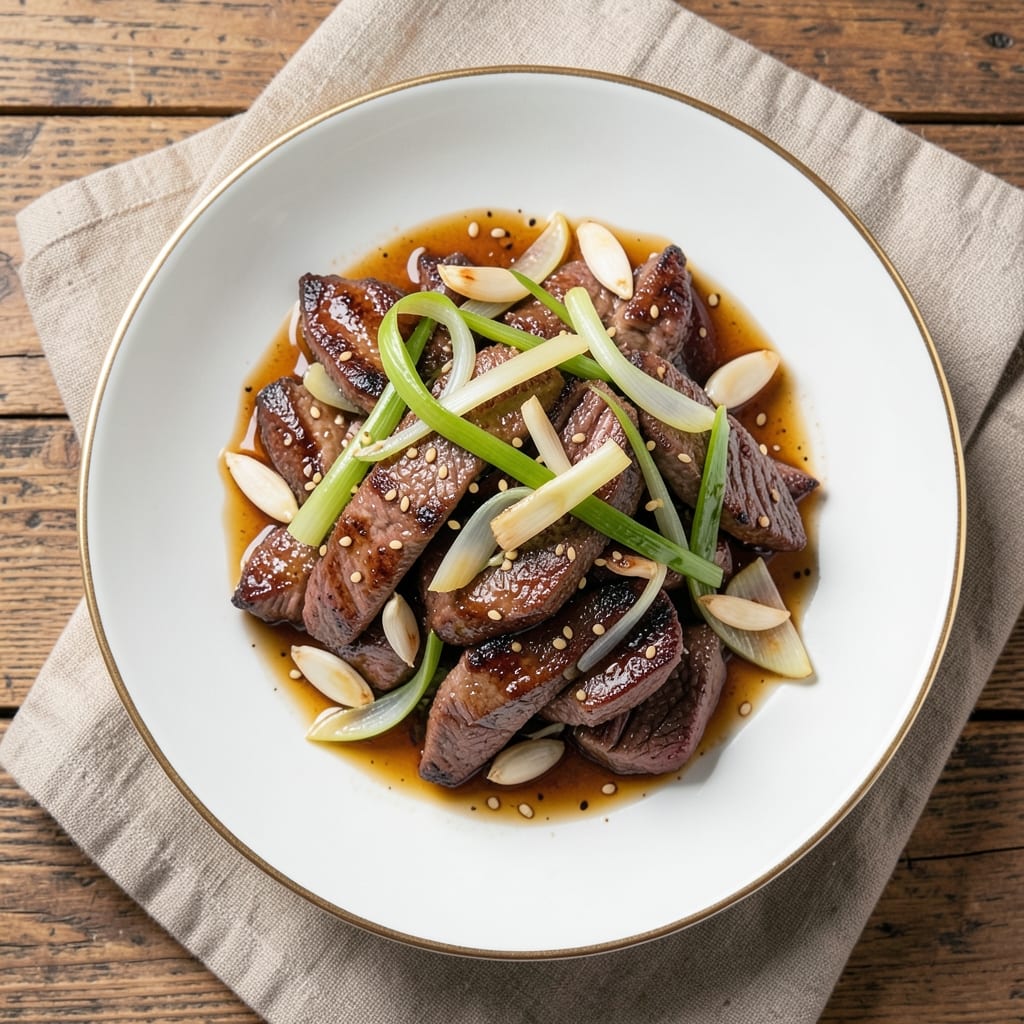
Mastering this beef and leek stir fry delivers restaurant-quality wok hei—smoky, crispy edges on leeks and perfectly seared beef that melts in your mouth. The secret lies in high-heat searing and quick cooking, transforming tough beef strips into tender, flavorful bites while keeping the leeks vibrant and slightly charred. This technique transforms a simple weeknight meal into something that feels like a gourmet experience.
What sets this recipe apart is the balance of textures and flavors: tender beef, crisp-tender leeks, and a sauce that's rich yet bright, thanks to a blend of soy sauce, garlic, and ginger. The key steps—searing the beef first, then setting it aside while cooking the leeks—ensure each component gets the attention it needs. This method also allows the beef to absorb the sauce perfectly, creating bites that are packed with umami depth.
The result is a dish that's both elegant and satisfying, with each forkful offering a mix of smoky, savory, and slightly sweet flavors. The leeks add a delightful crunch, while the beef remains juicy and tender. This stir fry pairs beautifully with steamed jasmine rice or noodles, making it a complete meal that's ready in under 30 minutes.
Whether you're cooking for a quick weeknight dinner or preparing for a gathering, this recipe delivers consistent, restaurant-quality results every time. The technique is straightforward, but the outcome is impressive, proving that you don't need a wok to achieve wok hei at home. Let's get started!
Ingredients for beef and leek stir fry
High-heat searing and quick cooking transform simple ingredients into restaurant-quality beef and leek stir fry.
| Ingredient | Amount | Notes |
|---|---|---|
| Flank Steak 🥩 | 1 lb | Thinly sliced against grain |
| Green Leeks 🧅 | 2 whole | White and light green parts |
| Low-Sodium Soy Sauce 🥄 | ½ cup | For umami depth |
| Sesame Oil 🫒 | 1 tbsp | Toasted for aroma |
| Garlic Cloves 🧄 | 4 cloves | Minced for sauce |
| Fresh Ginger 🌿 | 1 tbsp | Grate finely for brightness |
| Cornstarch 🌾 | 1 tbsp | For crisp-tender beef |
| Neutral Oil 🫒 | 2 tbsp | Vegetable or canola |
| Brown Sugar 🍯 | 1 tbsp | Balances savory flavors |
| White Wine Vinegar 🍋 | 1 tbsp | Brightens sauce |
| Sesame Seeds 🌰 | 1 tbsp | Toasted for garnish |
| Salt 🧂 | 1 tsp | Kosher or sea salt |
| Black Pepper 🌶️ | ½ tsp | Freshly ground |
| Jasmine Rice 🍚 | 1 ½ cups | Uncooked for serving |
The beef is everything here. Flank steak delivers the perfect balance of tenderness and chew—skirt steak works too. Slice it thinly against the grain for those melt-in-your-mouth bites. For the leeks, green tops included—they add color and mild sweetness. Look for fresh, crisp leeks with white parts that aren't too woody. Costco or local Asian markets usually have the best selection, but any grocery store's produce section will do. The key is to use them within 5 days of purchase for maximum crunch.
No sesame oil? Toasted peanut oil at half the amount works in a pinch, though it'll lack that nutty aroma. Substituting low-sodium soy sauce with regular soy sauce? Cut the amount by half—it's saltier. Fresh ginger is ideal, but powdered at one-third the amount gets you close. For the cornstarch, arrowroot powder is a 1:1 swap. The brown sugar adds depth—substitute maple syrup if you prefer. And if you're avoiding wine vinegar, rice vinegar works beautifully.
Prep the beef and leeks first—they need time to marinate and crisp up. Slice leeks lengthwise into thin strips for even cooking. The stir fry reheats well, but leeks lose crispness, so eat within 2 days. For leftovers, store sauce separately and toss with fresh leeks when reheating. The jasmine rice? Cook it in advance—steamed rice keeps for 4 days in the fridge, making this a perfect meal prep dish.
Why You'll Love This Recipe
- One-Pan Magic: I swear by this—just the steak, leeks, and a hot pan. No chopping boards to wash, no extra bowls. The sesame oil hits the pan, the garlic sizzles, and suddenly you’ve got dinner.
- Umami Bomb: That low-sodium soy sauce and garlic combo? It’s like a flavor explosion. The leeks add a bright, almost sweet crunch, while the steak stays tender with just the right chew. Honestly, I’ve made stir-fries that tasted flat—this one never does.
- Weeknight to Date Night: Same ingredients, different vibes. Toss it over rice for a lazy Tuesday or serve it on a plate with a drizzle of sesame oil for when you’re trying to impress. The leeks make it feel fancy without the fuss.
- Budget-Friendly Powerhouse: Flank steak stretches far, and leeks last forever in the fridge. Make a big batch, and you’ve got leftovers for three lunches. Plus, it’s cheaper than takeout but way better—my wallet and taste buds agree.
Step-by-step instructions for beef and leek stir fry
Master the wok-hei technique with these precise steps for perfect texture and flavor balance.
Prep the Flank Steak for Maximum Tenderness
Slice the 1 lb flank steak thinly against the grain into ¼-inch thick strips. This is crucial—thin slices cook faster and stay tender. Place the sliced beef in a bowl and add 1 tablespoon cornstarch, 1 teaspoon salt, and ½ teaspoon black pepper. Toss gently to coat the beef evenly. Let it marinate for 15-20 minutes at room temperature while you prep the vegetables.
I press down gently on the beef strips during the first minute of cooking—this prevents them from curling and ensures even contact with the pan. The cornstarch creates a light crust that seals in juices while adding crispiness. Don't skip this step; it's what transforms tough flank steak into melt-in-your-mouth bites.
Cook the Jasmine Rice to Perfect Texture
Rinse the 1.5 cups jasmine rice under cold water until the water runs clear. This removes excess starch that would make the rice gummy. Combine the rice with 3 cups water in a pot and bring to a boil over high heat. Once boiling, reduce heat to low, cover tightly, and simmer for 15 minutes without lifting the lid. The rice should absorb all the water and steam evenly.
After 15 minutes, turn off the heat and let the rice steam undisturbed for another 10 minutes. This resting period allows the grains to fully hydrate and develop that distinct jasmine aroma. Fluff the rice gently with a fork before serving—don't stir vigorously or you'll break the grains. The rice should be tender with a slight bite, not mushy.
Build the Stir-Fry Base with Aromatics
Heat a wok or large skillet over high heat until it's smoking hot. Add 2 tablespoons neutral oil and swirl to coat the surface. Add the 2 whole green leeks (cut into 1-inch pieces) and stir-fry for 2-3 minutes until the white parts are tender and the greens just begin to wilt. Remove the leeks and set aside.
In the same wok, add 4 minced garlic cloves and 1 tablespoon finely grated ginger. Stir constantly for 30 seconds until fragrant—this is where the foundation of your stir-fry flavor develops. The garlic should sizzle and turn golden without burning. If it starts to brown too quickly, reduce the heat slightly but keep it hot enough to maintain that wok-hei effect.
Cook the Beef to Crisp-Tender Perfection
Working in batches if needed, add the marinated beef to the wok in a single layer. Let it sear undisturbed for 1 minute until the bottom develops a golden crust. Stir and cook for another 1-2 minutes until the beef is 85% cooked through but still slightly pink in the center. Remove the beef and set aside with the leeks.
This two-stage cooking method is key—first searing creates the crust, then quick stirring ensures the beef finishes cooking in the sauce. If your beef cooks too quickly, reduce the heat slightly. The goal is tender beef with a crisp exterior, not well-done meat. The beef should be just firm to the touch but still slightly springy in the center.
Complete the Sauce and Combine Everything
Return the wok to high heat and add 1 tablespoon brown sugar, 1 tablespoon white wine vinegar, and ½ cup low-sodium soy sauce. Stir to deglaze the pan, scraping up any browned bits that contain concentrated flavor. Let the sauce simmer for 1 minute until slightly thickened.
Return the beef and leeks to the wok and toss everything together for 1-2 minutes until everything is evenly coated and heated through. The sauce should cling to the beef and leeks, creating a glossy finish. Taste and adjust seasoning—add a splash more soy sauce if needed for saltiness or a touch of vinegar for brightness. The final dish should balance sweet, sour, umami, and savory flavors.
Garnish and Serve Immediately
Transfer the stir-fry to serving plates over the jasmine rice. Drizzle with 1 tablespoon sesame oil and sprinkle generously with 1 tablespoon toasted sesame seeds. The sesame seeds add both texture and aroma—don't skip this final step. Serve immediately while the beef is still hot and the vegetables retain their crisp-tender texture.
The beef should be fork-tender with slight resistance, the leeks crisp yet tender, and the sauce clinging to every bite. Each mouthful should deliver perfect texture contrast—crisp vegetables, tender beef, and a glossy sauce that coats everything. The wok-hei technique ensures that crispy texture we all love in stir-fries, while the careful cooking methods guarantee tender beef every time.
Pro Tips For Making Beef And Leek Stir Fry
- Slice Against the Grain: Flank steak’s tough fibers run parallel to the grain—cutting thin slices perpendicular to those lines makes each bite tender. I learned this the hard way after serving a chewy stir-fry that had everyone sawing away like it was a tough cut of beef.
- Blanch Leeks First: Toss sliced green leeks into boiling water for 30 seconds before stir-frying—this softens them just enough to caramelize properly without turning to mush. Sounds like extra work, but it keeps your dish from looking like a sad, watery pile.
- Salt the Steak Early: Season the flank steak with soy sauce and a pinch of salt at least 20 minutes before cooking. This helps tenderize the meat and ensures the sauce clings instead of pooling in your pan. I used to skip this, and the beef always tasted dry.
- Use Two Stages of Heat: Start with a screaming-hot wok to sear the beef, then drop the heat to medium for the leeks and garlic. High heat all the way through burns the garlic and leaves the leeks raw; low heat from the start turns the beef into shoe leather. Find that sweet spot.
Dietary considerations for this recipe
Gluten-Free Adaptations
This stir fry is naturally gluten-free if you use tamari instead of soy sauce. Tamari is a gluten-free alternative to regular soy sauce with a similar umami profile. I recommend San-J Tamari—it has a rich, slightly sweeter taste that works beautifully. Just replace the ½ cup low-sodium soy sauce with the same amount of tamari. 🌱
Low-Carb Options
Skip the jasmine rice and serve your beef and leek stir fry over cauliflower rice for a low-carb twist. Freshly grated cauliflower works best—it holds up better than pre-riced versions. I like to sauté it in the same wok after cooking the beef and leeks, adding just a pinch of salt and a drizzle of sesame oil. The result is a lighter dish that still delivers satisfying texture.
Dairy-Free Considerations
This recipe is already dairy-free, but if you're using any garnishes like cheese, opt for dairy-free alternatives. For example, sprinkle nutritional yeast on top instead of sesame seeds for a cheesy flavor without dairy. Nutritional yeast adds a nutty, slightly umami taste that pairs well with the beef and leeks. Just 1 tablespoon works perfectly.
Allergen-Friendly Swaps
For sesame allergies, skip the sesame oil and seeds entirely. Instead, finish your dish with a drizzle of toasted peanut oil and garnish with crushed peanuts for texture. If you're avoiding peanuts too, try toasted pumpkin seeds for a neutral, crunchy alternative. The key is to maintain that nutty aroma—just adjust the quantity to taste.
Vegetarian Adaptations
Swap the beef for extra-firm tofu or shiitake mushrooms to make this dish vegetarian. For tofu, press and slice it into thin strips, then marinate in 1 tablespoon cornstarch, 1 tablespoon soy sauce, and 1 teaspoon grated ginger for 20 minutes. Cook it in the same way as the beef, but reduce the cooking time to 2-3 minutes total. Shiitake mushrooms add a meaty texture—slice them thinly and sear for 3-4 minutes until golden. ✨
Nutrition facts
Frequently asked questions
Can I use regular soy sauce instead of low-sodium?
Yes, but reduce the amount by half. Regular soy sauce is saltier, so ¼ cup instead of ½ cup will give you similar flavor without over-salting your stir fry. Taste as you go and adjust if needed.
What's the best way to get that wok-hei flavor without a wok?
A heavy-bottomed skillet or cast iron pan works perfectly! Heat it until smoking hot and work quickly—high heat is key. For extra smokiness, add a tiny splash of sesame oil at the end and swirl it around before serving.
How do I prevent the beef from getting tough?
Slice against the grain and cook just until 85% done—the residual heat will finish cooking it in the sauce. Never overcook! Also, let the beef sit at room temperature for 15-20 minutes before cooking for even cooking.
Can I make this ahead of time?
Store cooked components separately in the fridge for up to 2 days. Reheat the beef and sauce together, then add fresh leeks (cooked separately) to maintain crispness. For best results, reheat over high heat for just 1-2 minutes.
What other proteins work well in this recipe?
Chicken breast (thinly sliced), shrimp, or pork tenderloin all work beautifully. For chicken, marinate with 1 tbsp cornstarch and 1 tbsp soy sauce for 15 minutes. Shrimp should be cooked for just 1-2 minutes total—they're done when opaque.