
Main Courses
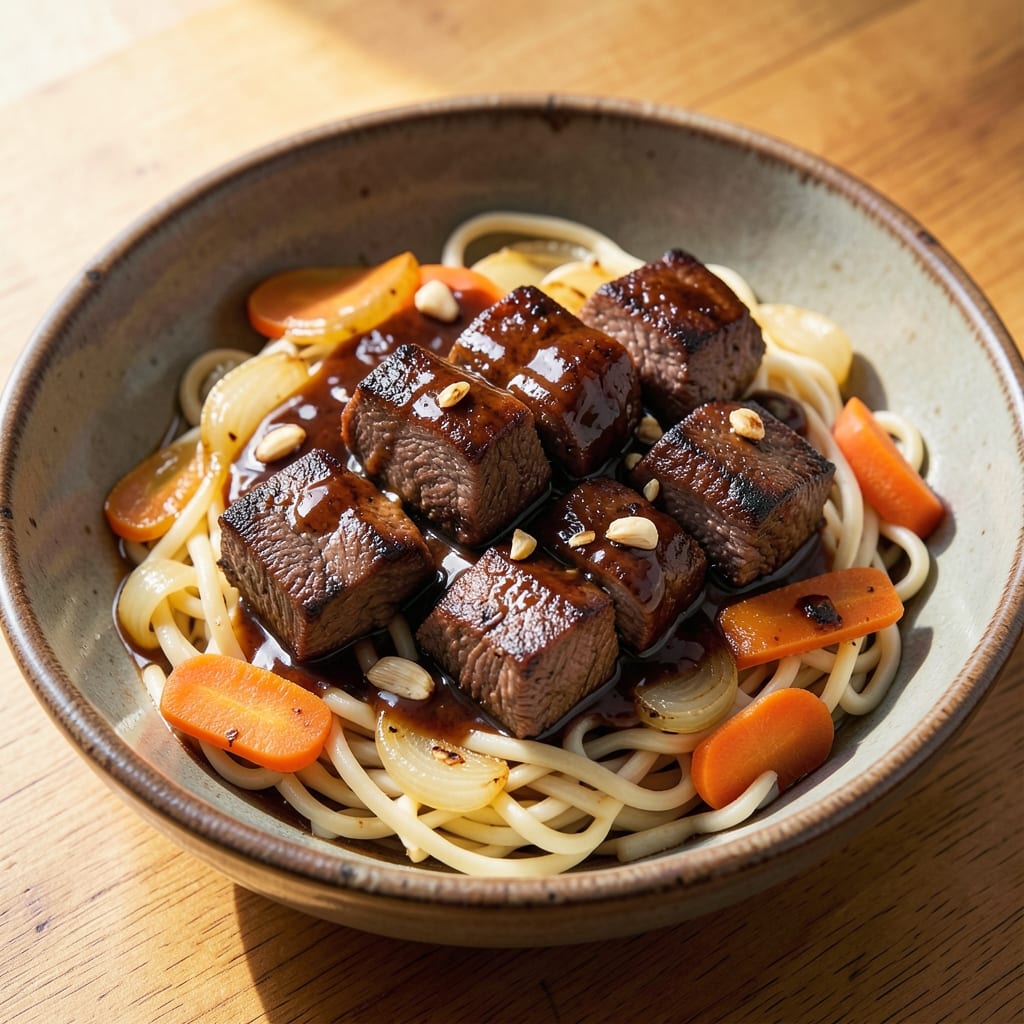
This beef and chuck roast noodles recipe transforms tough cuts into melt-in-your-mouth tenderness through slow braising—a technique that builds deep, savory flavors while keeping the noodles perfectly al dente. The key lies in a rich, umami-packed broth that infuses the beef over hours, creating a dish that’s both comforting and restaurant-worthy. Unlike quick stir-fries, this method develops layers of complexity that turn a simple meal into something extraordinary.
The process begins with searing the chuck roast to lock in juices, then slow-cooking it until fork-tender in a blend of aromatic vegetables, soy sauce, and spices. Meanwhile, the noodles cook just until they hold their bite, ensuring they don’t turn mushy when combined with the hearty broth. The result is a harmonious balance of textures—tender beef, chewy noodles, and a sauce thick enough to coat every strand.
What sets this recipe apart is its versatility. Serve it as a standalone bowl with a sprinkle of green onions and sesame seeds, or pair it with steamed bok choy and pickled vegetables for a complete meal. The slow-braised beef stays moist and flavorful, while the noodles absorb the rich sauce without losing their structure. This isn’t just a noodle dish—it’s a deeply satisfying, one-pot wonder that delivers on both comfort and depth.
Perfect for weeknight dinners or meal prep, this recipe scales easily for a crowd and tastes even better the next day. The technique is straightforward, but the payoff—juicy beef, perfectly cooked noodles, and a sauce that’s impossible to resist—makes it worth every minute of slow cooking. Let’s get started on creating a dish that feels like a hug in a bowl.
Ingredients for beef and noodles recipe with chuck roast
Transform tough chuck roast into melt-in-your-mouth beef with these 15 essential ingredients—each playing a key role in building rich, slow-braised flavor.
| Ingredient | Amount | Notes |
|---|---|---|
| Chuck Roast 🥩 | 2 lb | Cut into 1.5-inch cubes |
| Egg Noodles 🍜 | 12 oz | Fresh or dried, al dente preferred |
| Yellow Onion 🧅 | 1 whole | Chopped, medium dice |
| Carrots 🥕 | 3 whole | Peeled, sliced into rounds |
| Garlic Cloves 🧄 | 4 cloves | Minced, fresh preferred |
| Soy Sauce 🍶 | ½ cup | High-quality, low-sodium preferred |
| Dry Sherry 🍷 | ¼ cup | Or substitute with beef broth |
| Beef Broth 💧 | 2 cups | Homemade or high-quality store-bought |
| Tomato Paste 🍅 | 2 tbsp | Smooth, no sugar added |
| Olive Oil 🫒 | 2 tbsp | Extra-virgin for searing |
| Salt 🧂 | 1 ½ tsp | Kosher or sea salt |
| Ground Black Pepper 🌶️ | ½ tsp | Freshly ground preferred |
| Bay Leaves 🌿 | 2 whole | Fresh if available |
| Green Onions 🧅 | 2 whole | Sliced, for garnish |
| Sesame Seeds 🌰 | 1 tbsp | Toasted, for garnish |
The chuck roast is the heart of this dish—look for well-marbled cuts at your local butcher or Costco for the best texture. Cubing it evenly ensures consistent cooking, and searing first locks in those juices. For the noodles, fresh egg noodles hold their shape better than dried, but dried works fine if you cook them separately. The onions and carrots form the aromatic base—char them slightly during the searing step for deeper flavor. If you're short on time, frozen chopped onions work in a pinch, but fresh is always better. For the garlic, peel and mince it fresh—jarred garlic lacks the same punch.
No sherry? Dry white wine or extra beef broth works just as well—the alcohol will cook off, leaving behind rich flavor. The soy sauce should be low-sodium to avoid over-salting the dish, but if you're using high-sodium, reduce the added salt. Tomato paste adds depth, but if you're avoiding it, a splash of crushed tomatoes or Worcestershire sauce (check for vegetarian if needed) brings similar umami. For the broth, homemade is ideal, but store-bought like Kitchen Basics or Pacific Foods is a solid backup. The bay leaves? Fresh is best, but dried works at half the quantity. If you're garnishing, green onions add brightness, while toasted sesame seeds give a nutty crunch—skip either if you're keeping it simple.
This dish tastes even better the next day—plan ahead and make extra for leftovers. Store in an airtight container in the fridge for up to 4 days or freeze for 3 months. The beef stays tender, and the sauce thickens slightly, becoming even more flavorful. For meal prep, portion into containers with noodles on top so they don’t get soggy. Reheat gently on the stove with a splash of water or broth to restore moisture. If you're serving a crowd, double the recipe—the slow braising method scales perfectly, and the flavors only deepen with more time.
Why You'll Love This Recipe
- One-Pot Magic: I swear by this—just brown the chuck roast, toss in chopped onions, carrots, and garlic, then let it slow-simmer with the noodles. No extra pans, no fuss, and that rich beef broth clings to every strand like it’s been hugging them all day.
- Deep Umami Bomb: That chuck roast? It turns ridiculously tender, falling apart when you fork it, while the carrots caramelize into sweet little bursts. Add a splash of soy sauce or Worcestershire at the end, and suddenly you’ve got restaurant-level depth without trying.
- Lunchbox Hero: Here’s what sold me—this keeps perfectly for days. Pack it cold for work lunches (the noodles soften just enough to be satisfying) or reheat it with a quick stir-fry for a fast dinner. My kids actually ask for leftovers.
- Budget Powerhouse: A single chuck roast feeds six for under $20. Between us, that’s cheaper than takeout, way better than frozen meals, and still feels like a special meal. Plus, the onions and carrots stretch the flavor so you won’t miss expensive shortcuts.
Step-by-step instructions for beef and chuck roast noodles
Transform tough chuck roast into tender beef with rich, savory braising—paired with perfectly al dente noodles.
Sear the Chuck Roast for Deep Flavor
Heat the 2 tablespoons olive oil in a large Dutch oven over medium-high heat until shimmering. Working in batches if needed, add the 2 lb chuck roast cut into 1.5-inch cubes, arranging them in a single layer. Let each piece sear undisturbed for 2-3 minutes until deeply browned on all sides—this Maillard reaction builds the foundation for rich flavor.
As you sear, resist the urge to overcrowd the pan. If the oil smokes excessively, reduce heat slightly to maintain control. Once all beef is browned, transfer it to a plate and set aside. You'll notice the beef releases easily when properly seared—this indicates the crust has formed correctly.
Build the Aromatic Base
In the same Dutch oven, add the 1 whole yellow onion chopped into medium dice and 3 whole carrots sliced into rounds. Cook for 5 minutes until the onions soften and begin to caramelize. Add the 4 cloves garlic cloves minced and stir for 30 seconds until fragrant—this prevents burning while infusing the base with aromatic depth.
Stir in the 2 tablespoons tomato paste and cook for 1 minute until it darkens slightly. This step develops the sauce's umami foundation. Pour in the 0.5 cup soy sauce and 0.25 cup dry sherry, scraping up any browned bits from the bottom of the pan. These ingredients will form the complex flavor profile that defines the dish.
Braise the Beef Until Tender
Return the seared beef to the Dutch oven along with the 2 cups beef broth and 2 whole bay leaves. Bring to a gentle simmer over medium heat, then reduce to the lowest setting possible—just enough to maintain a barely perceptible bubble. Cover tightly with a lid and let it cook for 2-2.5 hours until the beef is fork-tender and easily shreds.
Here's the key: the beef should reach 200-205°F internally when tested with an instant-read thermometer. If the liquid reduces too quickly, add 2-3 tablespoons of water to maintain moisture. The longer you braise, the more tender and flavorful the beef becomes—this is where patience pays off.
Cook the Noodles Al Dente
While the beef braises, prepare the 12 oz egg noodles according to package instructions for al dente texture—this means cooking 1 minute less than recommended. Drain and set aside, reserving 1 cup of pasta water. The noodles should have a slight bite when bitten through, as they'll finish cooking in the beef sauce.
Add the cooked noodles directly to the Dutch oven with the beef and sauce. Toss gently to coat, adding 2-3 tablespoons of reserved pasta water if needed to loosen the sauce. The starch from the noodles helps create a silky, cohesive sauce. Season with the 1.5 teaspoons salt and 0.5 teaspoon ground black pepper, adjusting to taste.
Finish and Garnish Professionally
Remove the 2 whole bay leaves and divide the beef and noodles among serving bowls. Garnish each portion with 1 whole green onion sliced and 1 tablespoon sesame seeds lightly toasted in a dry skillet for 30 seconds until fragrant. The sesame seeds add a subtle nutty contrast to the rich beef flavors.
Serve immediately with extra soy sauce on the side if desired. The dish should have a balance of tender beef, al dente noodles, and a velvety sauce that coats every bite. The aroma alone will tell you it's ready—this is comfort food at its finest, where every element works together harmoniously.
Pro Tips For Making Beef And Noodles Recipe With Chuck Roast
- Sear the Chuck Hard: I learned this the hard way—skipping the sear means bland beef. Get that roast screaming hot in a dry pan with 2 tablespoons of oil, and let it develop a deep crust before adding anything. Yes, even if you're impatient like me.
- Cut Carrots in Chunks: Thin slices turn to mush; big chunks stay intact. Aim for 1-inch pieces—they’ll soften perfectly while keeping texture. And resist the urge to overcrowd the pot later, or they’ll steam instead of caramelize.
- Deglaze with Broth, Not Water: That browned beef fond is flavor gold. After searing, splash in 1 cup of beef broth (not water) to scrape up every bit. It’s the difference between "meh" and "wow" in the sauce.
- Al Dente Noodles First: Cook the egg noodles just shy of done—about 2 minutes less than package instructions. They’ll finish in the hot beef mixture, soaking up all that rich flavor without turning to mush. Trust me, your future self will thank you.
Essential equipment for great beef and noodles recipe with chuck roast
Dutch Oven Essentials
A 5-7 quart Dutch oven is your best friend for this recipe—it’s deep enough to accommodate the beef, vegetables, and broth while allowing room for the noodles to cook later. I recommend the Le Creuset Signature or Lodge Cast Iron models for their even heat distribution and durability. Cast iron retains heat exceptionally well, which is crucial for maintaining the low-and-slow braise temperature. If you don’t own one, a heavy-bottomed stainless steel pot (like All-Clad) works in a pinch, though it may require more attention to temperature control. 🔥
Instant-Read Thermometer
An instant-read thermometer is non-negotiable for checking the internal temperature of your beef—aim for 200-205°F to ensure perfect tenderness. I swear by the ThermoWorks ThermoPop for its speed and accuracy, but any reliable model like Meater or Taylor Precision Products will do. This tool prevents overcooking and guarantees juicy, fork-tender beef every time. Without it, you’re guessing, and that’s a risk with tough cuts like chuck roast.
Sharp Chef’s Knife
A sharp 8-inch chef’s knife is essential for efficiently prepping the chuck roast, onions, and carrots. I use a Wüsthof Classic for its balance and precision, but any high-quality knife like Shun or Mac Knife will work. A dull knife makes chopping difficult and can even be dangerous—take 5 minutes to hone your blade before starting. For the garlic, a microplane or garlic press speeds up the process without sacrificing flavor.
Tongs for Handling
Heavy-duty kitchen tongs (like OXO Good Grips) are perfect for searing the beef in batches without overcrowding the pan. Their long handles keep your fingers safe from the hot oil, and the grips ensure you won’t drop any precious beef cubes. Avoid metal tongs—they can scratch your Dutch oven’s seasoning over time. For stirring the sauce later, a wooden spoon works best to avoid scraping the bottom.
Measuring Tools
Precision matters when balancing flavors, so invest in a stainless steel measuring set (like OXO Good Grips) for accurate soy sauce, sherry, and broth measurements. A digital kitchen scale is also handy for weighing the chuck roast—2 lbs is ideal for 4 servings. For the noodles, a dry measuring cup ensures you’re using the correct 12 oz amount. Don’t skip these tools; even small mismeasurements can throw off the dish’s harmony. 💡
Optional Upgrades
For advanced cooks, a meat mallet helps tenderize the chuck roast further if you prefer extra-soft texture. A fine-mesh strainer comes in handy if you want to clarify the broth by straining out vegetables before adding noodles. If you love garnishes, a sesame seed toaster (like KitchenAid) ensures perfect toasted seeds every time. These aren’t essential, but they elevate the dish to restaurant-quality perfection.
Nutrition facts
Frequently asked questions
Can I substitute chuck roast with another cut of beef?
Yes, but choose wisely! For best results, use chuck eye roast or short ribs—both have similar marbling and tenderness. Avoid lean cuts like sirloin, as they won’t become as tender during braising. If substituting, increase braising time by 30-45 minutes to ensure full tenderness.
How do I prevent the noodles from turning mushy?
Cook the noodles 1 minute less than package instructions for al dente texture, then finish them in the beef sauce. The residual heat from the hot beef and sauce will cook them perfectly without oversoftening. Reserve 1 cup pasta water to loosen the sauce if needed—never add cold water.
What if I don’t have sherry? Can I use something else?
Replace sherry with dry white wine or extra beef broth—both work equally well. The alcohol will cook off, leaving behind rich flavor. Avoid sweet wines like Riesling, as they’ll alter the dish’s balance. If using broth, add 1 teaspoon soy sauce extra to compensate for lost depth.
Can I make this recipe in a slow cooker?
Yes, but with adjustments! Brown the beef first, then transfer everything (except noodles) to the slow cooker. Cook on low for 7-8 hours or high for 4-5 hours. Add noodles during the last 30 minutes to prevent overcooking. The sauce may be thinner—reduce it on the stovetop before serving.
Why does my beef turn out tough instead of tender?
Most likely, it wasn’t cooked long enough or the heat was too high. Chuck roast needs 200-205°F internal temp—use an instant-read thermometer! If your oven runs hot, reduce temperature to 275°F and add 30 minutes to braising time. Also, avoid peeking under the lid while cooking, as temperature fluctuations can toughen the meat.