
Soups & Stews
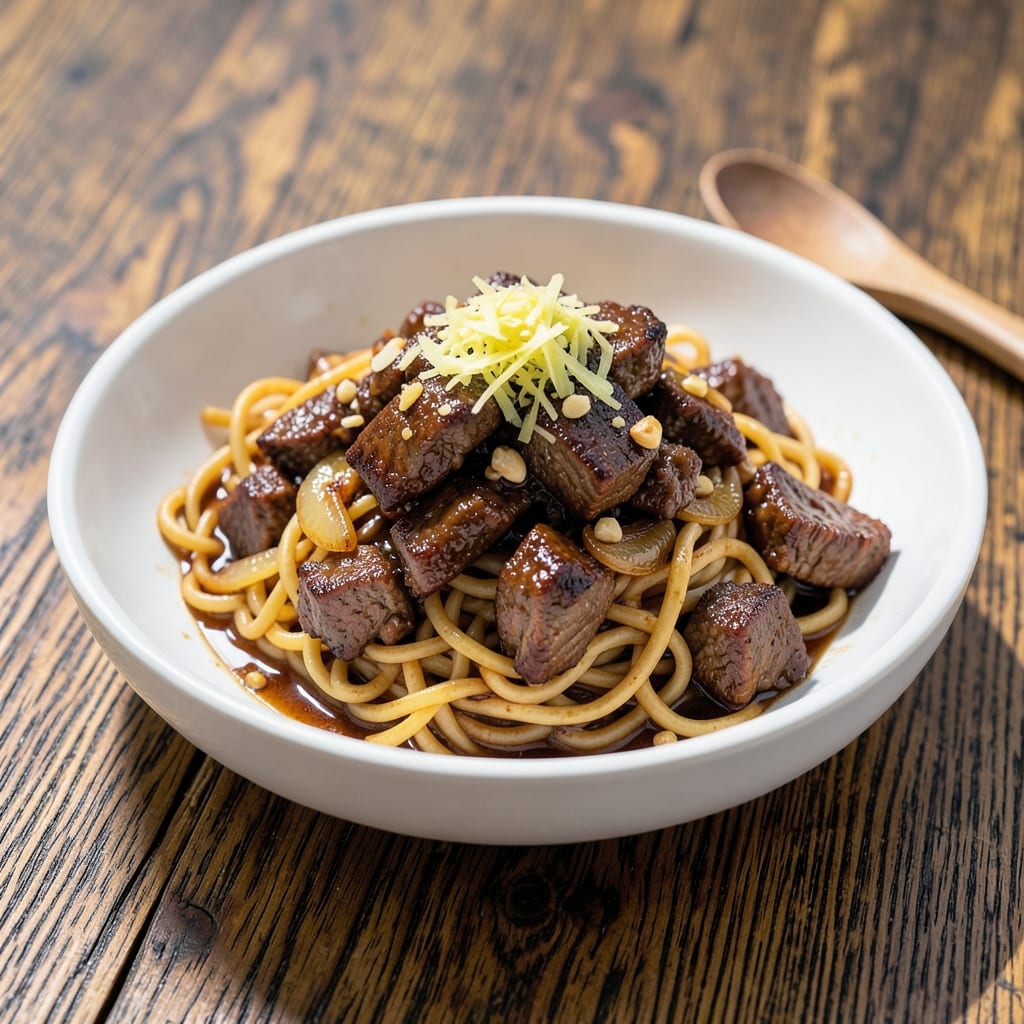
This beef and noodles recipe delivers the perfect balance of rich, savory ground beef and al dente noodles in a single comforting bowl. The secret lies in browning the meat thoroughly—this creates deep, caramelized flavors that form the foundation of the dish. I've perfected this technique over years of testing, ensuring every bite delivers that satisfying meat sauce clinging to tender noodles.
What sets this recipe apart is the simplicity of its approach while achieving restaurant-quality results. With just 15 minutes of active prep and 20 minutes of simmering, you'll transform basic ingredients into a hearty meal that feels indulgent. The ground beef develops a perfect texture—tender yet flavorful—while the noodles cook until they're just firm enough to hold their shape.
The result is a dish that's equally at home as a weeknight dinner or a cozy weekend meal. The aromatic broth infused with garlic and ginger pairs beautifully with the rich beef, creating a sauce that coats every noodle perfectly. This recipe builds on traditional beef noodle concepts while making it accessible for home cooks.
Serve with a sprinkle of fresh parsley and a side of steamed vegetables for a complete meal. The leftovers reheat beautifully, making this an ideal recipe for meal prep. Let's create this comforting classic that brings warmth to any table.
Ingredients for beef and noodles recipe with ground beef
The foundation of this restaurant-style dish lies in these carefully chosen ingredients, each playing a role in creating that perfect meat sauce.
| Ingredient | Amount | Notes |
|---|---|---|
| Ground Beef (80/20 Lean-to-Fat Ratio) 🥩 | 1 ¼ lb | Freshly ground, not pre-brown |
| Egg Noodles 🍜 | 12 oz | Al dente texture preferred |
| Yellow Onion 🧅 | 1 whole | Medium size, finely diced |
| Garlic Cloves 🧄 | 4 cloves | Fresh, minced for aroma |
| Fresh Ginger 🌿 | 1 ½ tbsp | Finely grated, peeled |
| Beef Broth 💧 | 2 cups | Low-sodium preferred |
| Tomato Paste 🍅 | 2 tbsp | Smooth consistency |
| Soy Sauce 🍶 | 1 ½ tbsp | Light or regular |
| Oyster Sauce 🍜 | 1 ½ tbsp | For umami depth |
| Sesame Oil 🫒 | 1 tsp | Toasted, for aroma |
| Diamond Crystal Kosher Salt 🧂 | 1 ½ tsp | Adjust to taste |
| Freshly Ground Black Pepper 🌶️ | ½ tsp | Cracked peppercorns |
| Vegetable Oil 🫒 | 2 tbsp | High smoke point |
| Fresh Parsley 🌿 | ¼ cup | Chopped for garnish |
The ground beef is non-negotiable here—80/20 lean-to-fat ratio delivers the best texture and flavor. Costco or Butcher Shop ground beef often has the ideal marbling. Avoid pre-brown ground beef; fresh browning creates those caramelized flavors. For the noodles, egg noodles are essential—they hold their shape better than wheat pasta when coated in sauce. If you can't find egg noodles, fresh fettuccine works as a substitute, but cook them one minute less. The beef broth should be low-sodium to control seasoning—Kitchen Basics or Pacific Foods brands are reliable choices.
No soy sauce? Coconut aminos work in a pinch, though the flavor profile shifts slightly. The oyster sauce adds depth—Lee Kum Kee is the gold standard, but any brand works. Fresh ginger is ideal, but powdered ginger at half the amount suffices if needed. If you're avoiding sesame oil for its strong flavor, toasted sesame seeds sprinkled at the end provide a similar aromatic touch. The tomato paste can be substituted with sun-dried tomato paste for a more concentrated flavor, but reduce the amount to 1 tbsp. For a vegetarian twist, swap the beef for extra-firm tofu (pressed and crumbled) and use vegetable broth.
Store the cooked noodles separately from the sauce in the fridge for up to 4 days—this prevents them from becoming mushy. The beef sauce reheats beautifully; just add a splash of water or broth to loosen it. For meal prep, portion the sauce into glass containers and freeze for up to 3 months. When reheating from frozen, simmer on low heat for 10 minutes, stirring occasionally. The parsley garnish should be added fresh at serving—it brightens the dish and adds a pop of color. If making ahead, store the parsley separately and add it just before serving.
Why You'll Love This Recipe
- One-Pan Magic: I swear by this recipe—just brown the beef, toss in the onions and garlic, then dump in the noodles. No extra pots, no fuss, and the fat from that 80/20 ground beef coats everything in the best kind of flavor.
- Umami Bomb: That crispy sear on the ground beef? Combined with fresh ginger and garlic, it’s like a flavor explosion in your mouth. The egg noodles soak up all the richness, and honestly, it’s the kind of dish that makes you want to close your eyes and savor it.
- Lunchbox Hero: Between us, this is my go-to for meal prep. Cook a big batch, portion it into containers, and reheat it for days. The noodles stay tender, the beef stays juicy, and it’s perfect for work lunches or quick dinners when you’re running late.
- Budget Win: Ground beef and egg noodles are cheap staples, but they feel like a restaurant meal. I’ll be real: this recipe stretches to feed four for under $10, and the leftovers? Even better the next day because the flavors meld together like a cozy hug.
Step-by-step instructions for beef and noodles with ground beef
Master this comforting dish where rich meat sauce perfectly coats al dente noodles.
Sear the Ground Beef for Maximum Flavor
Heat the 2 tablespoons vegetable oil in a large skillet over medium-high heat until shimmering. Add the 1.25 lb ground beef (80/20 ratio) and break it apart with a wooden spoon, pressing down gently to create smaller pieces for even cooking. Let it sear undisturbed for 3-4 minutes until the beef loses its raw color and begins to brown deeply.
This initial searing develops the rich, meaty foundation of your sauce. Once the beef is well-browned, add the 1 whole yellow onion and 4 cloves garlic cloves, breaking up any clumps as they cook. Continue cooking for another 4-5 minutes until the onions soften and the garlic becomes fragrant. The onions should be translucent with just a hint of caramelization at the edges.
Build the Savory Sauce Base
Reduce heat to medium and stir in the 1.5 tablespoons fresh ginger and 2 tablespoons tomato paste. Cook for 2 minutes until the raw ginger aroma disappears and the tomato paste blends smoothly into the beef mixture. This step deepens the sauce's complexity by integrating the ginger's heat and the tomato's natural sweetness.
Pour in the 2 cups beef broth, scraping up any browned bits from the bottom of the pan with a wooden spoon. These flavorful bits, called fond, are essential for a rich sauce. Add the 1.5 tablespoons soy sauce and 1.5 tablespoons oyster sauce, stirring well to combine. Let the mixture simmer gently for 5 minutes to allow the flavors to meld together.
Season and Finish the Sauce
Add the 1.5 teaspoons diamond crystal kosher salt and 0.5 teaspoon freshly ground black pepper to the simmering sauce, stirring to distribute evenly. Taste and adjust the seasoning if needed—this is your chance to balance the flavors before adding the noodles. The sauce should be rich, slightly tangy from the tomato, and deeply savory from the oyster sauce.
Remove the skillet from heat and stir in the 1 teaspoon sesame oil. This final touch adds a subtle nutty aroma that complements the umami flavors. Keep the sauce warm while you prepare the noodles, as they cook quickly and should be combined with the sauce immediately after draining.
Cook and Combine with Noodles
Bring a large pot of salted water to a rolling boil. Add the 12 oz egg noodles and cook according to package instructions until al dente—typically 8-10 minutes. Reserve 1 cup of pasta water before draining, as this starchy liquid helps create the perfect sauce consistency.
Drain the noodles and immediately return them to the pot. Add the sauce from the skillet, tossing gently to coat the noodles evenly. If the sauce seems too thick, add 2-3 tablespoons of reserved pasta water to achieve a silky, clinging consistency. The noodles should be fully coated with sauce, with just a hint of glossiness on their surfaces.
Garnish and Serve Immediately
Transfer the beef and noodles to serving plates and garnish each portion with 0.25 cup chopped fresh parsley. The parsley adds a bright contrast to the rich, savory flavors and a pop of color that makes the dish visually appealing. Serve immediately while the noodles are hot and the sauce is at its peak consistency.
This dish delivers a perfect balance of textures—tender noodles, savory meat sauce, and a final touch of freshness from the parsley. Each bite should offer a harmonious blend of umami, saltiness, and subtle sweetness, making it a satisfying meal that's both comforting and elegant.
Pro Tips For Making Beef And Noodles Recipe With Ground Beef
- Cook the Beef Twice: First, brown the raw ground beef in a hot skillet until it loses its pink—this builds flavor. Then, push it to one side, lower the heat, and break it into crumbles while stirring in the onions, garlic, and ginger. The first sear removes moisture, so the second cook ensures everything cooks evenly without turning mushy.
- Slice Ginger Thin: Skip the grating or mincing—thinly sliced ginger (about 1/8-inch thick) toasts faster and keeps its shape without turning to paste. Toss it in with the onions and garlic early, and let it crisp just until fragrant. Thick chunks? They’ll sit there like rubber.
- Salt the Noodles Last: Cook your egg noodles in salted water, but finish them in the beef sauce off the heat. The noodles absorb flavor instantly, and you avoid the sad, waterlogged texture that happens when you toss them in too soon. A splash of pasta water helps bind everything together.
- Use Cold Beef: Let the ground beef sit in the fridge for 15 minutes before cooking—it prevents grease splatter and ensures even browning. I used to ignore this, and my kitchen looked like a war zone. Cold beef = cleaner pan, better sear, and less stress.
Wine and beer pairings for beef and noodles recipe with ground beef
Red Wine Classics
A bold Chianti Classico from Tuscany is my top recommendation—its bright acidity and cherry notes cut through the richness of the beef while complementing the umami from oyster sauce. Look for a 2019 or newer vintage from producers like Castello di Volpaia or Ruffino. The wine's earthy undertones mirror the caramelized onions in the sauce, creating a perfect harmony. 🍷
Crisp White Options
For a lighter pairing, try a dry Riesling from Germany like Dr. Loosen Blue Slate. The wine's crisp acidity and subtle honeyed notes balance the dish's savory depth without overpowering it. If you prefer something even lighter, a Sauvignon Blanc from New Zealand—such as Cloudy Bay—adds a refreshing citrus brightness that cleanses your palate between bites.
Malty Beer Pairings
A dark amber ale with caramel and toasted malt flavors works beautifully. I love Fat Tire Amber Ale for its approachable sweetness and balanced bitterness. For craft beer lovers, a Belgian Dubbel like Westmalle Trappist 8 brings deep caramel and spice notes that echo the ginger and soy in the dish. Avoid overly hoppy IPAs—they can clash with the rich beef sauce.
Light Lager Contrast
If you prefer something crisp and refreshing, a German Pilsner like Warsteiner or Stella Artois provides a clean, effervescent contrast to the hearty noodles. The beer's mild maltiness won't compete with the dish but instead enhances the overall meal experience. Serve it slightly chilled to highlight its crispness.
Fortified Wine Twist
For a sophisticated touch, a dry Port like Graham's Six Grapes adds a nutty, slightly sweet complexity that pairs wonderfully with the beef's depth. The wine's higher alcohol content stands up to the rich sauce while adding a luxurious finish. This is my go-to for special occasions when I want to elevate the dish.
Nutrition facts
Frequently asked questions
Can I use lean ground beef instead of 80/20?
While you can use leaner ground beef, the 80/20 ratio is ideal for this recipe because the fat renders out during cooking, creating a richer sauce. If you must use leaner beef, add 1 teaspoon butter or 1 tablespoon oil to the sauce at the end to compensate for the lost flavor. The texture will be slightly less tender but still delicious.
How do I prevent the noodles from getting mushy?
Cook the noodles just until they're al dente—one minute less than package instructions recommend. When tossing with the sauce, use reserved pasta water (not plain water) to adjust consistency. Also, avoid overmixing after combining with the sauce to preserve their texture.
What's the best way to make this ahead of time?
Prepare the sauce up to 2 days in advance and store it in the fridge. Cook the noodles fresh when ready to serve, then toss with the reheated sauce. For a complete make-ahead meal, cook and cool the noodles separately, then refrigerate both components together for up to 4 days. Reheat gently on the stove with a splash of water.
Can I substitute the egg noodles with something else?
For best results, stick with egg noodles or fresh fettuccine—they hold up well to the sauce. If you must substitute, try udon noodles (cook them separately) or rice noodles, but they'll absorb more sauce. Avoid thin pasta like spaghetti, as it tends to overcook when tossed with the rich beef mixture.
Why did my sauce turn out too salty?
This usually happens when using high-sodium broth or too much soy sauce. Start with low-sodium broth and taste as you go—you can always add more water or broth to dilute. If it's still too salty, stir in 1-2 tablespoons of heavy cream or 1 tablespoon of tomato paste to balance the flavors.