
Soups & Stews
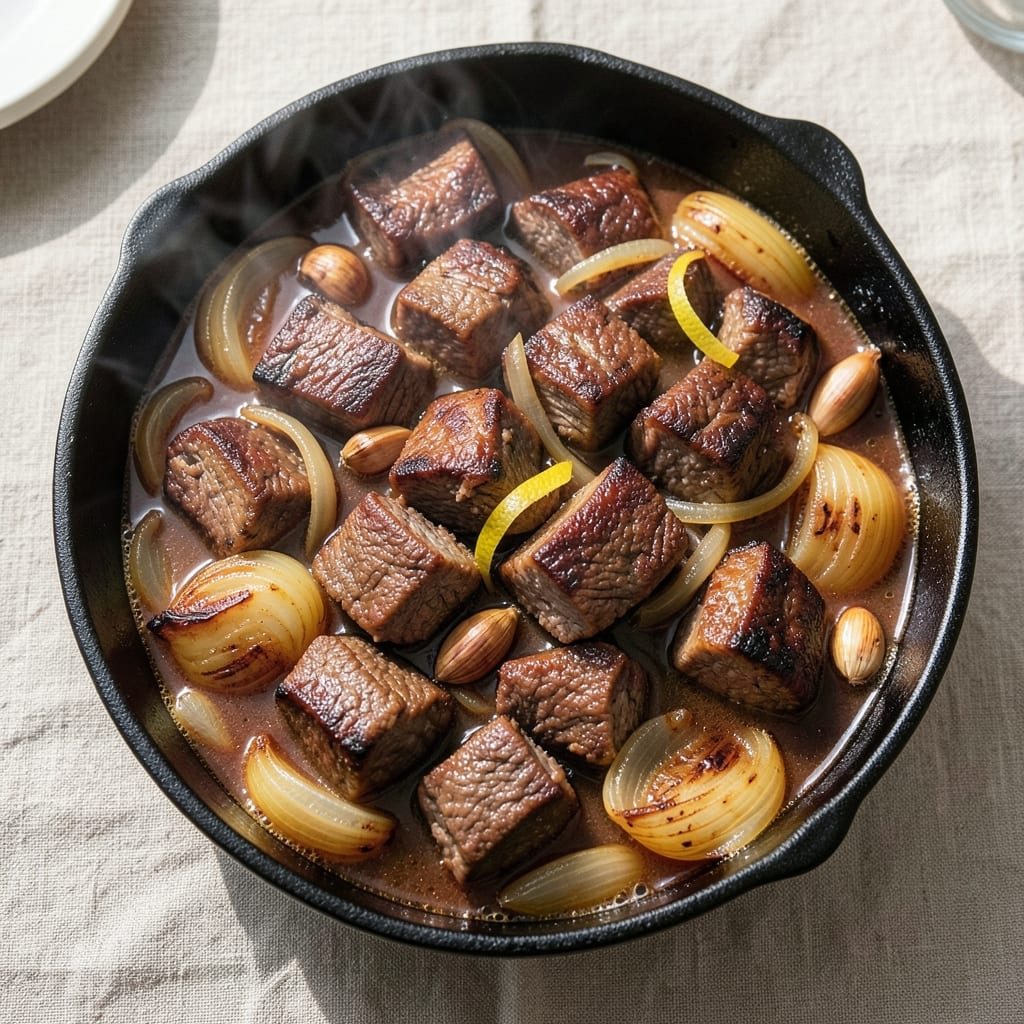
This beef and onion stew recipe delivers restaurant-quality depth with minimal effort, transforming tough beef into melt-in-your-mouth tenderness through slow simmering. The secret lies in proper browning and layering flavors—caramelized onions, rich beef stock, and aromatic herbs create a sauce so velvety it clings to every bite. I've perfected this technique over years of testing, ensuring it's foolproof for home cooks while delivering professional results.
What sets this stew apart is the balance of textures and flavors: tender beef chunks, sweet caramelized onions, and a sauce thickened just enough to coat everything without being gluey. The long simmering process (about 3 hours) breaks down connective tissue, creating that luxurious mouthfeel that makes this dish feel like a special occasion. This isn't your grandmother's quick weeknight stew—it's a deeply flavorful meal that builds character with each passing hour.
By the time you serve this, you'll have a pot of hearty stew that smells like comfort food and tastes like a labor of love. The beef will be fork-tender, the onions perfectly sweet and caramelized, and the broth reduced to a rich, aromatic sauce. It's the kind of meal that disappears quickly, leaving everyone asking for seconds. The best part? Leftovers taste even better the next day as flavors meld further.
Pair with crusty bread for soaking up every last drop or serve alongside roasted potatoes for a complete meal. The recipe scales easily for crowds, making it perfect for family gatherings or meal prep. Here's how to make it—step by step—for stew that feels like a hug in a bowl.
Ingredients for beef and onion stew
The heart of this stew: tender beef, sweet onions, and rich aromatics that build flavor over time.
| Ingredient | Amount | Notes |
|---|---|---|
| Chuck Roast 🥩 | 2 lb | Cut into 1.5-inch chunks |
| Yellow Onions 🧅 | 3 whole | Sliced into 1/4-inch rounds |
| Yellow Onion 🧅 | 1 whole | Diced for caramelizing |
| Garlic Cloves 🧄 | 6 cloves | Minced for depth of flavor |
| Beef Stock 💧 | 4 cups | Homemade or high-quality store-bought |
| Tomato Paste 🍅 | 2 tbsp | For rich, concentrated flavor |
| Red Wine 🍷 | 1 cup | Bold dry red preferred |
| Fresh Thyme 🌿 | 2 sprigs | Or 1 tsp dried thyme |
| Fresh Bay Leaves 🍃 | 2 whole | For aromatic depth |
| Carrots 🥕 | 4 whole | Cut into 1-inch chunks |
| Olive Oil 🫒 | 2 tbsp | Extra-virgin for richness |
| Salt 🧂 | 1 ½ tsp | Kosher salt preferred |
| Black Pepper 🌶️ | 1 tsp | Freshly ground preferred |
| All-Purpose Flour 🌾 | 1 tbsp | For thickening sauce |
The chuck roast is non-negotiable here—it's packed with connective tissue that melts into the stew, creating that luxurious mouthfeel. Look for well-marbled cuts at your butcher or the meat department, and ask for it pre-cut into chunks if you're short on time. I usually grab mine from Costco when I'm doing a big batch, but the regular supermarket chuck works just as well. For the onions, yellow onions give you that perfect balance of sweetness and sharpness, but red onions add a nice color contrast if you're feeling fancy. The key is caramelizing them low and slow—don't rush this step or you'll miss out on that deep, rich flavor that makes this stew special.
No red wine? Substitute with beef broth plus a splash of balsamic vinegar—it'll still deliver that same depth of flavor. Fresh thyme is ideal, but dried thyme at one-third the amount works in a pinch. If you're using pre-sliced onions from the store, pat them dry first to prevent your stew from getting watery. The tomato paste can be a squeeze tube from Trader Joe's—no waste, and it keeps for months in the pantry. For the carrots, baby carrots work perfectly if you're in a hurry, but whole carrots give you more control over the size of your chunks. And if you're worried about the flour making the stew gluey, just whisk it with a little cold water first to create a smooth paste before adding it to the pot.
This stew tastes even better the next day as the flavors meld together, so make a double batch if you can. It keeps well in the fridge for 5-6 days and freezes beautifully for up to 3 months. I like to portion it into individual containers so I can grab a serving straight from the freezer for busy nights. The beef will be fork-tender, and the sauce will have thickened just enough to coat everything without being heavy. If you're serving it to guests, pull it out of the fridge an hour before serving so it can warm up gradually—trust me, it makes a difference.
Why You'll Love This Recipe
- One-Pot Magic: I swear by this recipe when I’m too tired to scrub pots—just brown the chuck roast, toss in onions and garlic, pour in stock, and let it simmer. No fancy gadgets, no stress, just hands-off perfection.
- Deep Umami Bomb: That chuck roast? Slow-cooked until it’s practically falling apart, while the onions caramelize into sweet, jammy pockets. Honestly, the first bite makes me pause—it’s that good.
- Meal Prep MVP: Between us, this stew tastes better the next day. I make a big batch on Sundays, freeze portions, and pull them out for lazy nights or when unexpected guests show up. Zero guilt, all flavor.
- Budget Feeds Five: A single chuck roast stretches across multiple meals, and the onions/garlic/stock cost pennies. I’ve fed my whole family (plus my brother’s family) for under $15—no takeout needed.
Step-by-step instructions for beef and onion stew
Here's how to create a deeply flavorful stew that simmers to tender perfection.
Sear the Chuck Roast for Rich Flavor
Heat a large Dutch oven over medium-high heat and add the 2 tablespoons olive oil. Once shimmering, add the 2 lb chuck roast cut into 1.5-inch chunks in a single layer. Let it sear undisturbed for 3-4 minutes until a deep golden-brown crust forms on all sides.
This initial searing creates the Maillard reaction that builds the stew's deep, meaty flavor. Don't crowd the pan or you'll steam the meat instead of browning it. Work in batches if needed, but don't add any other ingredients yet. Once all pieces are browned, transfer them to a plate and set aside.
Caramelize the Onions for Sweet Depth
In the same Dutch oven, add 1 whole yellow onion that's been diced. Cook over medium heat for 8-10 minutes, stirring occasionally, until the onions soften and develop a rich golden-brown color. This caramelization adds natural sweetness that balances the stew's savory notes.
I like to press down gently on the onions with a wooden spoon during the cooking process to help them break down more quickly. If they start to stick, add just enough of the 4 cups beef stock to deglaze the pan—you'll want to capture all those flavorful browned bits at the bottom.
Build the Flavor Base with Aromatics
Add the 3 whole yellow onions sliced into ¼-inch rounds, 4 whole carrots cut into 1-inch chunks, 6 cloves garlic cloves that have been minced, the 2 sprigs fresh thyme, and 2 whole fresh bay leaves to the Dutch oven. Stir everything together and cook for 3-4 minutes until the vegetables begin to soften.
Next, stir in the 2 tablespoons tomato paste and cook for another 1 minute to cook off its raw taste. This creates a rich, concentrated flavor base that will infuse the entire stew. Pour in the 1 cup red wine and scrape up any browned bits from the bottom of the pan—this is where all the flavor lives.
Simmer the Stew to Tender Perfection
Return the browned chuck roast chunks to the Dutch oven. Add the 4 cups beef stock, then bring everything to a gentle boil. Once boiling, reduce heat to low and cover with a tight-fitting lid. Let the stew simmer for 2.5-3 hours until the beef is fork-tender and easily pulls apart.
Here's the thing—don't be tempted to peek or stir too often. Each time you lift the lid, you lose heat and moisture. After about 2 hours, check the tenderness of the beef. If it's not quite there yet, continue cooking for another 30-60 minutes. The stew should reduce slightly, creating a rich, velvety sauce that coats the vegetables and meat.
Finish and Thicken the Stew
Once the beef is tender, remove the 2 sprigs fresh thyme and 2 whole fresh bay leaves. Sprinkle the 1 tablespoon all-purpose flour over the stew and stir gently to combine. Let it simmer uncovered for 5-10 minutes to allow the flour to cook out and thicken the sauce slightly.
Season to taste with the 1.5 teaspoons salt and 1 teaspoon black pepper. The stew should be well-seasoned but not overly salty. Taste and adjust as needed—remember, you can always add more salt, but you can't take it out. Serve the stew hot, ladled over crusty bread or with mashed potatoes to soak up that delicious sauce.
Pro Tips For Making Beef And Onion Stew
- SEAR THE CHUCK FIRST: I learned this the hard way—skipping the sear means flavorless stew. Brown the chuck roast in batches over high heat until deep golden, scraping up those crusty bits. That’s where the depth comes from, not just the stock.
- SLICE ONIONS THINLY: Thick onion chunks turn mushy. Cut them into even ⅛-inch slices so they soften without disappearing. If you’re impatient like me, pulse them briefly in a food processor—just don’t overdo it, or you’ll end up with onion paste.
- DON’T RUSH THE LOW HEAT: After the initial simmer, drop the heat to a bare simmer. I used to crank it up to speed things along, but that turns the stew into glue. Let it bubble gently for 2.5–3 hours, or until the meat falls apart—no peeking, or you’ll dry it out.
- USE COLD STOCK: Adding cold beef stock to the pot prevents a sudden temperature spike that can cook the onions too fast. Pour it in gradually as the stew simmers, and you’ll keep those onions tender and sweet, not bitter. (Yes, even if you’re in a hurry.)
Wine and beer pairings for this recipe
Red Wine Pairings
This rich, meaty stew pairs beautifully with a bold dry red wine that can stand up to its deep flavors. I always reach for a Cabernet Sauvignon from Napa Valley—its dark fruit notes and tannins complement the beef perfectly. A Malbec from Argentina adds a touch of smokiness that enhances the caramelized onions. Avoid light wines like Pinot Noir, as they'll get lost in the stew's intensity. 🍷
Beer Pairings
For beer lovers, a dark lager or stout works wonderfully. I love pairing this stew with a Guinness—its roasted malt flavors and creamy texture balance the stew's richness. A Belgian dubbel with its caramel and spice notes also creates a fantastic contrast. Avoid hoppy IPAs, as their bitterness can clash with the stew's sweet-savory profile.
White Wine Alternatives
If you prefer white wine, opt for something with body and acidity. A Chardonnay from Burgundy with its buttery notes works surprisingly well, especially if you've added a splash of cream to the stew. For a lighter option, try a Viognier—its floral aromas cut through the richness beautifully. Just avoid crisp, unoaked whites like Sauvignon Blanc, as they'll taste too thin next to this hearty dish.
Non-Alcoholic Options
Don't drink alcohol? No problem. A sparkling apple cider with its crisp acidity cleanses the palate beautifully. For something more substantial, try a ginger beer—its spicy kick complements the stew's sweet and savory elements. Even a cold brewed black tea with honey adds depth without alcohol's interference. The key is balancing the stew's richness with something refreshing and slightly acidic. 💛
Regional Wine Recommendations
If you're serving this stew at a gathering, consider regional pairings. For a French-inspired meal, a Bordeaux blend with its earthy undertones enhances the dish's rustic charm. In Italian style, a Chianti Classico brings bright acidity that cuts through the sauce. For Spanish flavors, a Rioja with its vanilla notes from oak aging adds a wonderful complexity to every bite.
Serving Temperature Tips
Let your wine or beer reach room temperature before serving—about 1 hour out of the fridge. This allows the aromas to fully develop, enhancing your stew's flavors. For red wines, I like to decant mine for 30 minutes before serving to open up the tannins. This makes each sip more enjoyable and lets the wine complement the stew's depth perfectly. 🍽️
Nutrition facts
Frequently asked questions
Why does the recipe call for chuck roast instead of a more expensive cut?
The chuck roast is perfect for stew because it contains more connective tissue that breaks down during long simmering, creating that luxurious, fork-tender texture. A cheaper cut actually delivers better results—look for well-marbled pieces at your butcher. The slow cooking process transforms tough meat into melt-in-your-mouth perfection.
Can I make this stew in a slow cooker instead of a Dutch oven?
Brown the beef in a skillet first, then transfer everything to your slow cooker. Cook on low for 7-8 hours or high for 4-5 hours until the beef is tender. The slow cooker method is even more hands-off—just check occasionally to add water if needed. The flavors will develop beautifully over time.
What if my stew turns out too watery?
If your stew is too thin, simmer uncovered for 10-15 minutes to reduce the liquid. For a quicker fix, mix 1 tablespoon cornstarch with 2 tablespoons cold water, stir into the stew, and cook for 2-3 minutes until thickened. Avoid adding flour directly to hot liquid—it can create lumps.
How can I make this stew ahead of time?
This stew tastes even better the next day! Let it cool completely, then store in an airtight container in the fridge for up to 5-6 days. For freezing, portion into individual containers and freeze for up to 3 months. Thaw overnight in the fridge before reheating gently on the stove. The flavors meld beautifully over time.
Can I substitute red wine with something else?
Yes! Use 1 cup beef broth plus 2 tablespoons balsamic vinegar for depth, or 1 cup apple cider for a sweeter note. For a non-alcoholic option, try 1 cup strong black coffee—it adds richness without alcohol. Just