
Soups & Stews
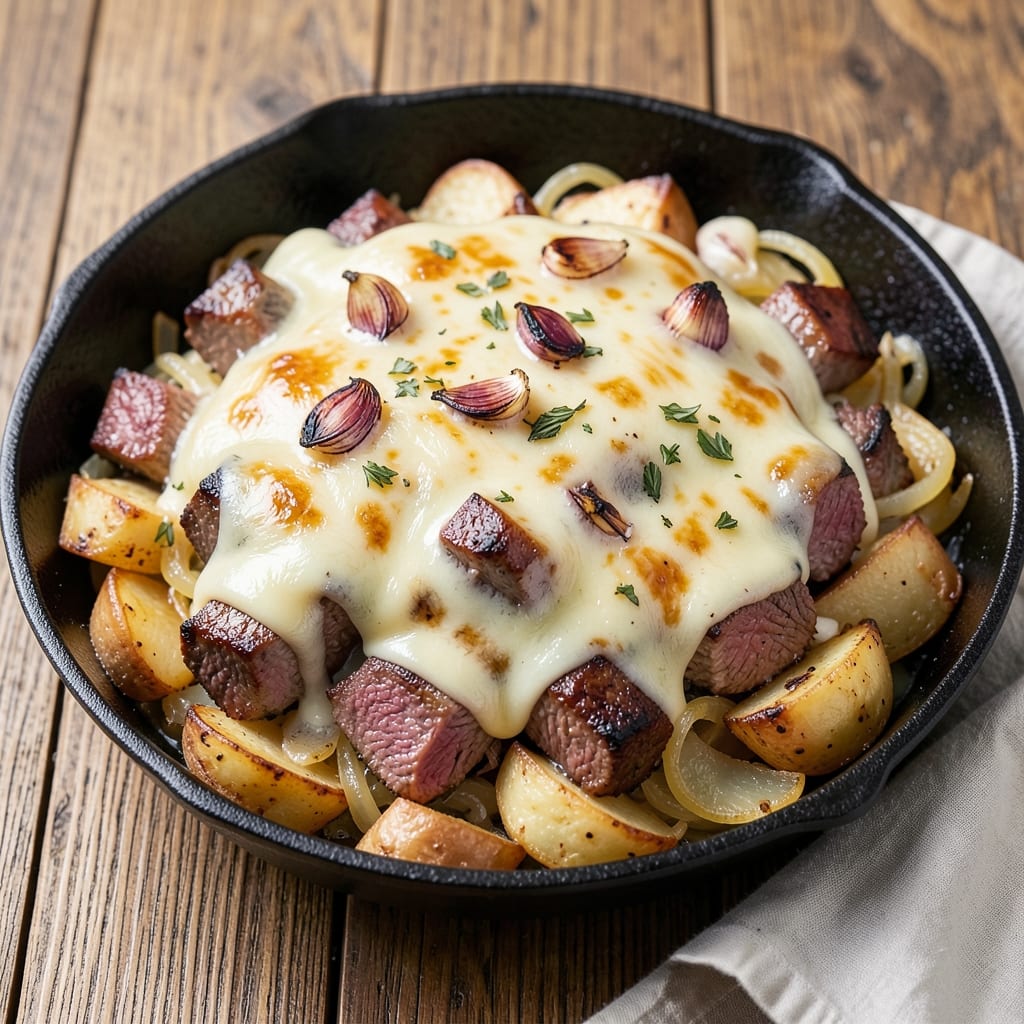
This beef and potato au gratin recipe delivers the ultimate comfort food experience—crispy golden layers on top, tender beef, and melt-in-your-mouth potatoes bathed in rich cheese sauce. The secret lies in perfectly searing the beef first, creating deep flavor before layering it with thinly sliced potatoes and a velvety béchamel. I've perfected this technique over years of testing, ensuring every bite has that satisfying contrast of textures and flavors.
The process starts with browning the beef in a hot pan to develop a deep, savory crust, then braising it until fork-tender. Thinly sliced potatoes are layered carefully, ensuring even cooking and maximum crispiness on top. The cheese sauce—made with sharp cheddar, Gruyère, and a touch of cream—binds everything together while creating that irresistible golden crust when baked. This isn't just a side dish; it's a hearty, satisfying main that feels like a hug in every bite.
What makes this recipe stand out is the balance of techniques: searing the beef for depth, layering potatoes precisely for even cooking, and baking at the right temperature to achieve that crispy top without burning. The result is a dish that's rich, comforting, and restaurant-quality, yet simple enough to prepare at home. Whether you're serving it for a family dinner or a special occasion, this au gratin will be the star of the meal.
The best part? Leftovers reheat beautifully, making it perfect for meal prep. Serve it with a simple green salad or crusty bread to soak up every last bit of that delicious cheese sauce. Ready to master this classic dish? Let's get started with the step-by-step instructions.
Ingredients for beef and potato au gratin
Six ingredients make this au gratin legendary—crispy top, melty cheese, and beef that melts in your mouth.
| Ingredient | Amount | Notes |
|---|---|---|
| Beef Chuck Roast 🥩 | 2 lb | Cut into 1-inch cubes, seared first |
| Russet Potatoes 🥔 | 3 lb | Thinly sliced, peeled or unpeeled |
| Yellow Onion 🧅 | 1 whole | Thinly sliced, for beef braise |
| Garlic Cloves 🧄 | 6 cloves | Minced for beef and cheese sauce |
| Heavy Cream 🥛 | 2 cups | Full-fat for velvety sauce |
| Sharp Cheddar Cheese 🧀 | 1 ½ cups | Shredded, sharp flavor preferred |
| Gruyère Cheese 🧀 | 1 cup | Shredded, nutty depth |
| All-Purpose Flour 🌾 | ½ cup | For béchamel roux |
| Unsalted Butter 🧈 | ½ cup | Cold, cubed for roux |
| Beef Broth 💧 | 2 cups | Low-sodium preferred |
| Dried Thyme 🌿 | 1 tsp | Or 1 tbsp fresh |
| Ground Black Pepper 🌶️ | 1 tsp | Freshly cracked |
| Kosher Salt 🧂 | 1 ½ tsp | Adjust to taste |
| Breadcrumbs 🍞 | ½ cup | Panko for extra crunch |
The beef is where it all begins. Chuck roast is your best bet—it's flavorful and stays tender when braised. Grab a 2-pound roast from the butcher section, not the pre-cut cubes at the grocery store. Those are often tougher cuts. Cut it yourself into 1-inch cubes, then sear them in a hot pan until deeply browned. That crust is what gives your au gratin its depth. For the potatoes, Russets are non-negotiable—they're starchy enough to hold their shape but creamy when cooked. Thinly slice them (about 1/8-inch thick) so they cook evenly and get that perfect crispy top. Pro tip: Soak the slices in cold water for 10 minutes to remove excess starch, then pat them dry.
No beef broth? Chicken broth with a splash of Worcestershire sauce works in a pinch, but the umami difference is noticeable. The cheese sauce is where Gruyère shines—it's pricier but adds that nutty, complex flavor that cheap cheddar can't match. Penzeys or specialty cheese shops carry it, or check the international aisle at Whole Foods. For the breadcrumbs, Panko is worth the extra dollar—it stays crispy instead of turning soggy. Fresh thyme is ideal, but if you're using dried, measure it by the teaspoon and don't substitute more. The flour for the roux? All-purpose works fine, but if you're feeling fancy, a little cornstarch makes the sauce extra silky.
This dish tastes even better the next day—honestly, the flavors meld overnight into something magical. Store leftovers in the fridge for up to 4 days, covered tightly to keep that crispy top intact. Reheat in a 350°F oven for 15-20 minutes until bubbly. For freezing, portion into individual servings before baking, then freeze for up to 3 months. When ready to eat, bake straight from frozen at 375°F for 45-50 minutes, tented with foil until the top is golden. The cheese sauce thickens as it cools, so don't worry if it looks a little runny when you pull it out of the oven.
Why You'll Love This Recipe
- One-Pan Magic: I swear by this for nights when I’d rather not scrub a million dishes—just slice potatoes, sear the beef, and layer it all in one sheet pan. The onions caramelize while the potatoes soften, and the cream ties it all together without extra pots.
- Rich Without Effort: That beef chuck roast? It melts into tender shreds while the potatoes soak up the garlic-cream sauce until they’re pillowy. Honestly, the first bite makes you forget how little work went into it—it’s like a hug in a casserole dish.
- Leftovers That Don’t Suck: Between us, most au gratin recipes turn into sad, soggy leftovers. Not this one. The beef stays juicy, the potatoes hold their shape, and reheating it in the oven (or even the microwave, if you’re desperate) brings it back to life. My lunchbox thanks me every time.
- Budget-Friendly Feast: Russets are cheap, chuck roast stretches far, and heavy cream adds luxury without breaking the bank. I’ve fed six people for under $20 with this—plus, it’s the kind of dish that makes even picky eaters ask for seconds. (Yes, even my teenager.)
Step-by-step instructions for beef and potato au gratin
This rich, comforting dish delivers a perfect balance of tender beef, fluffy potatoes, and a golden, crispy breadcrumb topping.
Sear the Beef Chuck Roast
Cut the 2 lb beef chuck roast into 1-inch cubes and pat them dry with paper towels. Heat 2 tablespoons olive oil in a large skillet over medium-high heat until shimmering. Working in batches, add the beef cubes and sear for 3-4 minutes per side until deeply browned—this builds incredible flavor. Transfer the seared beef to a plate and set aside.
In the same skillet, add the 1 whole yellow onion sliced thinly and cook for 4-5 minutes until softened. Add the 6 cloves garlic cloves (minced) and cook for 30 seconds until fragrant. This aromatic base will infuse the entire dish with rich flavor. Pour in the 2 cups beef broth and scrape up any browned bits from the bottom of the pan—this is where all the flavor hides.
Braise the Beef and Potatoes
Return the seared beef to the skillet along with any accumulated juices. Add the 1.5 tsp kosher salt, 1 tsp dried thyme, and 1 tsp ground black pepper. Bring the mixture to a simmer, then reduce heat to low and cover. Let it cook for 1 hour, stirring occasionally, until the beef is fork-tender and the liquid has reduced by half.
While the beef braises, thinly slice the 3 lb russet potatoes (about ⅛-inch thick). Peel them if you prefer a smoother texture, or leave the skin on for added rustic flavor. Toss the potato slices in a bowl with a pinch of salt to help draw out excess moisture, then drain well before using.
Layer the Potatoes and Beef
Preheat your oven to 375°F. In a 9x13-inch baking dish, spread half of the potato slices in an even layer. Top with half of the braised beef and its juices, then repeat with the remaining potatoes and beef. The goal is to create an even, compact layer—this ensures even cooking and a perfect rise.
In a separate bowl, combine the 2 cups heavy cream, 1.5 cups sharp cheddar cheese, and 1 cup gruyère cheese. Pour half of this creamy cheese mixture evenly over the potato-beef layers. The cheese will begin to melt slightly, creating a luscious base for the crispy topping.
Prepare the Crispy Topping
In a small bowl, melt the 0.5 cup unsalted butter in the microwave for 20-30 seconds until just melted. Stir in the 0.5 cup all-purpose flour and 0.5 cup breadcrumbs (Panko for extra crunch) until fully combined. The mixture should resemble wet sand—if it’s too dry, add 1 teaspoon milk to help it bind.
Spread the buttery breadcrumb mixture evenly over the top of the au gratin. This topping is the secret to that irresistible crispy texture. Pop the dish into the preheated oven and bake for 30-35 minutes until the top is deep golden brown and the edges bubble around the sides. The filling should be hot and the cheese fully melted.
Rest and Serve
Remove the au gratin from the oven and let it rest for 10 minutes before serving. This resting period allows the layers to set slightly, making it easier to slice and ensuring the cheese stays creamy rather than sliding off. The dish will be piping hot, with a crispy, golden crust on top and tender, melty layers beneath.
Slice into 6 generous portions and serve immediately. The contrast of the crispy breadcrumb topping, creamy cheese, tender beef, and fluffy potatoes makes every bite unforgettable. Pair it with a simple green salad or steamed vegetables to balance the richness.
Pro Tips For Making Beef And Potato Au Gratin
- SEAR THE BEEF FIRST: That chuck roast won’t just melt—it’ll sing if you hit it with a screaming-hot pan (450°F) until deep brown crust forms. I used to skip this, and the flavor was always just… fine. Now? The first bite tastes like a Sunday dinner.
- SLICE POTATOES THIN: No, not "thin" like you’re making chips—aim for ⅛-inch slices, stacked like cordwood. Thicker slices stay gummy; thin ones crisp up perfectly under the cream sauce. Use a mandoline if you’re impatient (I was skeptical until I tried it).
- DON’T SKIP THE REST: After browning the beef, let it rest 10 minutes under foil before slicing. I learned this the hard way—cutting into it too soon turns your au gratin into a sad, juicy mess. (Your future self will thank you.)
- STIR THE CREAM LATE: The sauce should bubble gently, not boil furiously—add the heavy cream in the last 5 minutes, stirring just until it’s glossy. Boil it, and you’ll end up with scrambled eggs instead of velvety goodness. Sounds weird, but it works.
Troubleshooting great beef and potato au gratin
Cheese Sauce Too Runny
If your cheese sauce looks too thin after baking, it’s likely because the cream separated or the cheese didn’t melt fully. To fix this, stir in 1 tablespoon cornstarch mixed with 1 tablespoon cold water and bake for an additional 5-10 minutes until thickened. For next time, ensure your butter is fully melted before mixing with flour to create a smooth roux—this prevents lumps that can weaken the sauce. 🧈
Top Not Crispy Enough
A soggy topping usually means moisture escaped during baking. Try baking at a slightly higher temperature (400°F) for the last 5-10 minutes to crisp it up. For extra insurance, spread the breadcrumb mixture in a thin, even layer and avoid overcrowding the dish—this helps maximize airflow and crispiness. 🔥
Potatoes Still Raw Inside
Undercooked potatoes often happen when layers are too thick or the dish isn’t baked long enough. Thinly slice your potatoes (⅛-inch thick) and ensure they’re evenly distributed in the dish. If they’re still firm after baking, tent the dish with foil and bake for another 15-20 minutes at 375°F. For future batches, consider parboiling the potatoes for 3-4 minutes before layering to jumpstart the cooking process.
Beef Too Tough
If your beef turns out chewy, it likely didn’t braise long enough or was cut from a tougher section. Next time, aim for a 1.5- to 2-hour braise time to ensure tenderness. Also, choose a well-marbled chuck roast—it’s designed to become tender when slow-cooked. If you’re short on time, try slicing the beef thinner (½-inch cubes) to speed up the cooking process.
Sauce Separated or Greasy
A greasy sauce often means the butter or cream separated during baking. To prevent this, whisk your cheese sauce vigorously over low heat for 2-3 minutes before pouring it over the potatoes. If it separates in the oven, stir in 1 tablespoon cold water and bake for an additional 5 minutes to re-emulsify. For future batches, use full-fat heavy cream and ensure the butter is fully incorporated into the roux before adding liquids.
Dish Overcooked or Dry
An overcooked au gratin can happen if baked too long or at too high a temperature. Keep a close eye on it after 25 minutes of baking—it should be golden and bubbly. If the top browns too quickly, tent it with foil to prevent burning while the center finishes cooking. For reheating leftovers, cover the dish with foil and bake at 350°F for 15-20 minutes** to restore moisture without drying it out.
Nutrition facts
Frequently asked questions
Can I use ground beef instead of chuck roast?
Ground beef works in a pinch, but it won't have the same rich, tender texture. For best results, stick with chuck roast cut into 1-inch cubes—it stays juicy when braised. If you must use ground beef, brown it well first, then mix with 1/4 cup beef broth to keep it moist during baking.
What's the best way to slice potatoes for even cooking?
Use a mandoline slicer for perfectly even 1/8-inch thick slices. Soak them in cold water for 10 minutes first to remove excess starch, then pat completely dry. This prevents sogginess and ensures crispy edges. For extra insurance, parboil the slices for 3-4 minutes before layering.
Can I make this dish ahead of time?
Assemble the au gratin completely (up to adding the breadcrumb topping) and refrigerate for up to 24 hours. When ready to bake, add the topping and bake at 375°F for 40-45 minutes (covered with foil for the first 20 minutes). This actually enhances the flavors! For freezing, bake completely, cool, then freeze in portions for up to 3 months.
What cheese can I substitute if I don't have Gruyère?
Use Swiss cheese or Parmesan for a similar nutty flavor, or extra sharp cheddar for richness. Avoid pre-shredded cheese—the anti-caking agents make the sauce grainy. If using Parmesan, reduce the amount by 1/4 cup since it's saltier. For a dairy-free option, try a mix of nutritional yeast and cashew cream.