
Soups & Stews
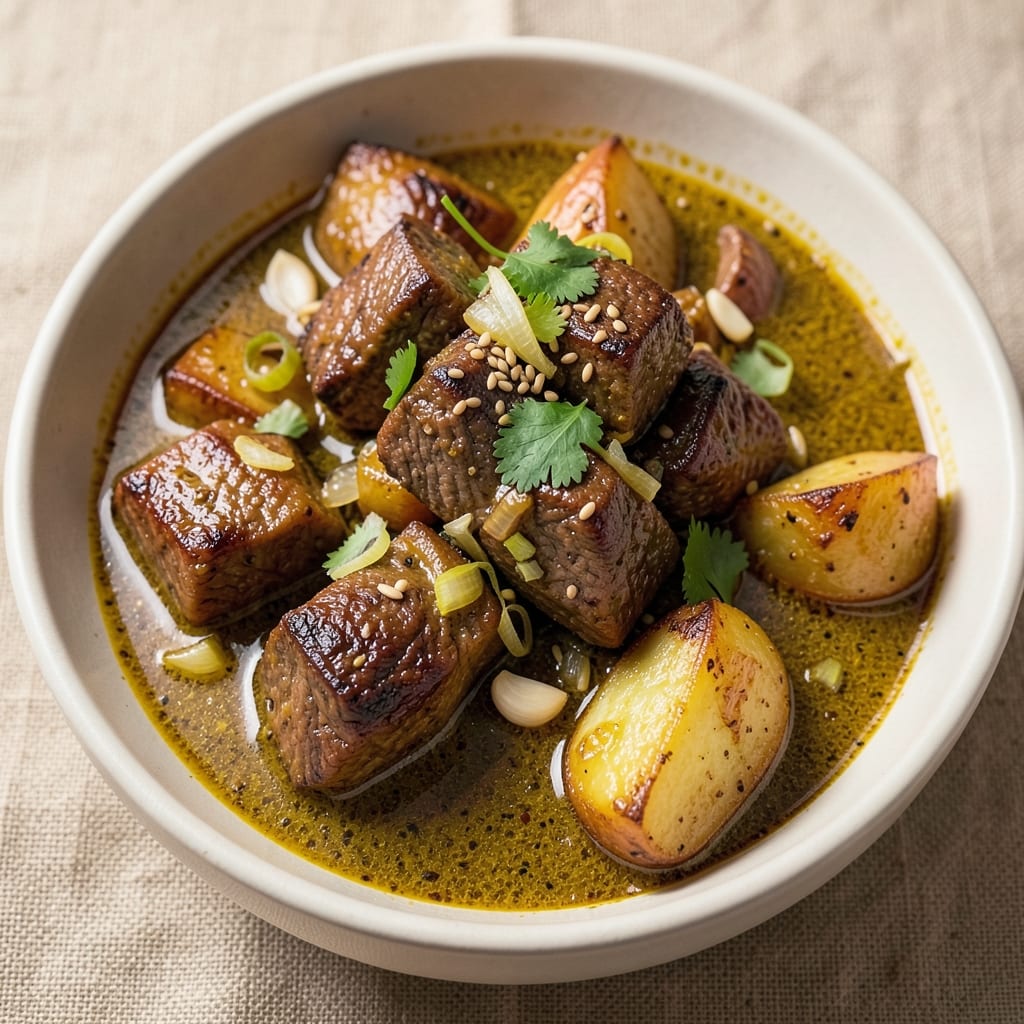
This beef and potato curry recipe delivers the kind of deep, comforting flavors that turn weeknight dinners into special occasions. The slow-simmered technique transforms tough beef into tender, spice-infused bites while potatoes soak up the aromatic sauce, creating a dish that's hearty enough for a family meal yet simple enough for a cozy night in. What makes this version stand out is the balance of traditional spices with modern twists—like a touch of coconut milk—that elevate the flavor without complicating the process.
The foundation of this curry lies in properly sautéing whole spices until fragrant, then building layers of warmth with onions, garlic, and ginger. The beef cooks low and slow, allowing it to absorb the rich, complex flavors of the sauce, while potatoes added later absorb just enough liquid to become tender without falling apart. This method ensures every bite is packed with both texture and depth, making it a recipe that feels indulgent yet approachable for home cooks.
By the time you serve this curry, you'll have a dish that's creamy, aromatic, and perfectly balanced—ideal for pairing with steamed basmati rice or warm naan. The optional garnish of fresh cilantro or a dollop of yogurt adds brightness and freshness, while the spices linger on the palate long after the last bite. It's the kind of meal that feels like a hug in a bowl, especially on chilly evenings when comfort is key.
Whether you're feeding a crowd or treating yourself to a satisfying solo dinner, this curry adapts effortlessly. The recipe scales well, and the flavors only deepen with time, making it perfect for leftovers. Ready to create a dish that's as nourishing as it is delicious? Let's get started.
Ingredients for beef and potato curry
These hearty ingredients create a deeply aromatic curry that simmers into tender perfection.
| Ingredient | Amount | Notes |
|---|---|---|
| Chuck Roast 🥩 | 1 ½ lb | Cut into 1.5-inch cubes |
| Yellow Onions 🧅 | 2 whole | Medium, thinly sliced |
| Garlic Cloves 🧄 | 6 cloves | Minced for depth |
| Fresh Ginger 🌿 | 2 tbsp | Grated, aromatic base |
| Yellow Curry Powder 🌶️ | 2 tbsp | High-quality brand preferred |
| Ground Cumin 🌿 | 1 tbsp | Toasted for warmth |
| Ground Coriander 🌶️ | 1 tbsp | Earthy flavor profile |
| Turmeric Powder 🧂 | 1 tsp | Bright color and health |
| Cinnamon Sticks 🌿 | 2 whole | For subtle sweetness |
| Russet Potatoes 🥔 | 2 lb | Peeled, cut into chunks |
| Coconut Milk 🥥 | 1 can | Full-fat, 13.5 oz |
| Tomato Paste 🍅 | 2 tbsp | Smooth, no sugar added |
| Beef Broth 💧 | 1 ½ cups | Low-sodium preferred |
| Olive Oil 🫒 | 3 tbsp | Extra-virgin for richness |
| Salt 🧂 | 1 ½ tsp | Kosher or sea salt |
The chuck roast is non-negotiable here—its marbling melts into rich, tender bites during the slow cook. Costco or butcher shops often carry it pre-cubed, saving you time, but if buying whole, ask for a well-marbled piece. For the spices, Penzeys or local Indian markets offer the freshest blends, but don't stress if your grocery store's curry powder is dated—just check the smell. Fresh ginger and garlic are worth the extra minute to peel and grate; frozen works in a pinch but lacks brightness. The potatoes should be firm and starchy—Russets or Yukon Golds hold up best to long cooking.
No yellow curry powder? Mix 1 tbsp each turmeric, cumin, and coriander for a close substitute. Running low on coconut milk? Greek yogurt thinned with water adds creaminess (though it won't be coconut-flavored). For the tomato paste, Rao's or Muir Glen are reliable, but any smooth paste works—just avoid the sugary varieties. The beef broth can be homemade or store-bought, but low-sodium is key to balance the spices. If you're short on time, swap the cinnamon sticks for 1/2 tsp ground cinnamon—it's less aromatic but still adds warmth.
This curry tastes even better the next day as flavors meld, so double the batch if you're feeding a crowd. Store leftovers in airtight containers for 4-5 days in the fridge or freeze for 3 months. To reheat, add a splash of water or broth and simmer until bubbly. For meal prep, portion into containers with rice—it reheats beautifully and keeps the flavors vibrant. The potatoes will soften further upon reheating, so adjust cooking time slightly if you're prepping ahead.
Why You'll Love This Recipe
- One-Pot Magic: I swear by this recipe when I’m too tired to dirty extra bowls—chuck roast and potatoes simmer together in the same pot, so cleanup is basically nonexistent. Honestly, the only tool you’ll need is a wooden spoon and a lid.
- Flavor Bomb: That yellow curry powder, fresh ginger, and garlic? They’re the holy trinity here. The chuck roast gets impossibly tender while the potatoes soak up all the aromatic, slightly spicy, and just-sweet-enough sauce—like a hug in a bowl.
- Budget-Friendly Powerhouse: Chuck roast is cheap, potatoes are cheap, and you’re not using exotic ingredients. Yet somehow, it feels like a restaurant-worthy meal. Here’s what sold me—the curry powder alone makes it feel special without breaking the bank.
Step-by-step instructions for beef and potato curry
This slow-simmered curry delivers deep, aromatic flavors and tender meat every time.
Sear the Chuck Roast for Rich Flavor
Heat a large Dutch oven over medium-high heat and add 2 tablespoons of the olive oil. Once shimmering, add the 1.5 lb chuck roast cut into 1.5-inch cubes, working in batches if needed. Sear for 3-4 minutes per side until deeply browned—this builds the foundation for your curry's depth.
Remove the beef and set aside. If the oil isn't browned, add another 1 tablespoon olive oil and repeat with the remaining beef. Don't rush this step; well-seared meat prevents dryness during the long simmer. I like to press down gently on the beef cubes during the first minute to ensure even contact with the pan.
Build the Spice Base with Onions and Aromatics
In the same Dutch oven, add the remaining 1 tablespoon olive oil and reduce heat to medium. Add the 2 whole yellow onions sliced into thin rounds and cook for 8-10 minutes until softened and golden brown. This caramelization unlocks the onions' natural sweetness.
Add the 6 minced garlic cloves, 2 tablespoons grated fresh ginger, and the 2 whole cinnamon sticks. Cook for 2 minutes until fragrant—you should smell the garlic's sharpness and ginger's warmth. Then stir in the 2 tablespoons yellow curry powder, 1 tablespoon ground cumin, 1 tablespoon ground coriander, and 1 teaspoon turmeric powder. Cook for another 1 minute to toast the spices and release their essential oils.
Develop the Sauce with Tomato Paste and Broth
Push the spice mixture to one side of the pot and add the 2 tablespoons tomato paste. Stir for 1 minute until it darkens slightly, then pour in the 1.5 cups beef broth. Scrape up any browned bits from the bottom with a wooden spoon—these contain concentrated flavor.
Return the seared beef to the pot, along with any accumulated juices. Add the 2 lb russet potatoes cut into chunks. Bring everything to a gentle simmer, then reduce heat to low. The mixture should bubble softly—this is where patience pays off. Cover and simmer for 1 hour, stirring occasionally, until the potatoes begin to soften.
Finish with Coconut Milk for Creamy Depth
After 1 hour, stir in the 1 can coconut milk and add the remaining 1.5 teaspoons salt. The curry should thicken slightly as it incorporates the coconut milk. Simmer uncovered for another 30-45 minutes until the beef is fork-tender and the potatoes are easily pierced with a knife.
Taste and adjust seasoning—you might need a pinch more salt or a splash of broth if the curry is too thick. The sauce should coat the back of a spoon but still be spoonable. If the potatoes aren't quite tender, cover and simmer for another 10-15 minutes. Real talk: your oven might run hot, so start checking at the 30-minute mark.
Rest and Serve for Maximum Comfort
Remove from heat and let the curry rest for 10 minutes before serving. This resting period allows the flavors to meld completely and the juices to redistribute throughout the dish. The potatoes should be tender enough to fall apart slightly, while the beef remains juicy and flavorful.
Serve the curry hot, garnished with fresh cilantro if you like, and pair it with basmati rice or warm naan. Each bite delivers the perfect balance of spice, creaminess, and hearty beef—exactly what makes this curry so comforting. Leftovers keep well in the refrigerator for up to 4 days and taste even better reheated the next day.
Pro Tips For Making Beef And Potato Curry
- Sear the Chuck Roast First: I learned this the hard way—skipping the sear means your curry will taste more like braised beef than rich, caramelized flavor. Pat the roast dry, then hit it with high heat in a heavy pot until deep brown on all sides. That crust locks in moisture and builds depth.
- Slice Ginger Like a Pro: Peeling and mincing ginger is tedious, but grating it fresh on the largest holes of a box grater saves time and keeps the texture smooth. No food processor? A microplane works too—just avoid the fibrous bits that turn your curry into a chewy mess.
- Don’t Overcrowd the Pot: I used to dump everything in at once, and the potatoes would steam instead of caramelize. Brown the onions and garlic first, then add the potatoes in a single layer. Let them crisp slightly before adding the curry powder—this makes a real difference in texture.
- Bloom the Curry Powder: Splurging on good yellow curry powder doesn’t matter if you don’t toast it first. Heat it in the pot with the onions for 30 seconds until fragrant—this wakes up the spices and cuts through the raw onion flavor. Skip this, and your curry will taste flat, even with expensive ingredients.
Pro cooking tips for beef and potato curry
Spice Toasting Secrets
Toast your spices for 30 seconds over medium heat until fragrant—this releases their essential oils and deepens flavor. I use a dry skillet for yellow curry powder, cumin, and coriander, stirring constantly to prevent burning. The moment they smell aromatic (not burnt), add them to the onions. This step transforms bland spices into flavor powerhouses. 🌶️
Potato Timing Trick
Add potatoes after the beef has simmered for 1 hour, not at the start. This ensures they absorb the rich, spiced beef juices without turning mushy. For extra tenderness, cut them into 1.5-inch chunks and parboil for 3 minutes before adding to the curry. This cuts down on total simmer time by 20-30 minutes.
Coconut Milk Magic
Always use full-fat coconut milk—the richness balances the spices beautifully. For a smoother texture, whisk it vigorously before opening the can to prevent separation. Add it 15 minutes before the end of cooking to let the curry thicken naturally. If your curry is too thin, simmer uncovered for 5 extra minutes to reduce.
Beef Tenderizer Hack
For ultra-tender beef, add 1 teaspoon apple cider vinegar with the broth. The acidity breaks down collagen faster, making the meat fall-apart tender in 1.5 hours instead of 2. Another trick? Use a meat mallet to pound the beef cubes to ¼-inch thickness before searing—this ensures even cooking.
Sauce Thickness Control
If your sauce is too thick, whisk in 2 tablespoons beef broth at a time until it reaches a spoonable consistency. For extra depth, stir in 1 teaspoon fish sauce (trust me, it adds umami without overpowering). Avoid adding water—it dilutes the flavor. Taste as you go, adjusting salt and spices gradually.
Equipment Upgrades
A heavy-bottomed Dutch oven (like Le Creuset) is non-negotiable—it distributes heat evenly and prevents scorching. For spice grinding, I use a spice grinder (like Magic Mill) for freshness, but a mortar and pestle works too. A wooden spoon helps scrape up flavorful browned bits from the pot without scratching.
Nutrition facts
Frequently asked questions
Can I use ground beef instead of chuck roast for this curry?
Ground beef works but won't give the same rich, tender texture. For a quick version, use 1 lb ground beef (80/20 fat ratio) and brown it thoroughly before adding spices. Cook for 20-25 minutes instead of simmering—it'll be more like a stew than a traditional curry. For best results, stick with chuck roast for that melt-in-your-mouth quality.
How do I adjust the spice level for kids or sensitive palates?
Reduce the curry powder to 1 tablespoon and skip the cinnamon sticks (use ½ tsp ground cinnamon instead). For extra mildness, add ½ cup plain yogurt at the end to cool the heat. Kids often love the creamy coconut milk—it balances any remaining spice. Always taste as you go!
What's the best way to reheat leftovers without drying out the curry?
Add 2-3 tablespoons beef broth or water per serving and simmer uncovered on low heat for 5-7 minutes. Never microwave—it turns the sauce rubbery. For extra richness, stir in 1 teaspoon coconut milk before reheating. The curry actually tastes better reheated!
Can I make this curry in a slow cooker or Instant Pot?
For a slow cooker, brown the beef first, then combine all ingredients (except coconut milk) and cook on low for 6-7 hours or high for 3-4 hours. Stir in coconut milk in the last 30 minutes. In an Instant Pot, sauté aromatics, add beef and spices, then pressure cook for 30 minutes (natural release). Both methods work beautifully!
Why did my potatoes turn mushy instead of tender?
Overcooking or adding potatoes too early are the usual culprits. Always add them after the beef has simmered for 1 hour, and cut them into 1.5-inch chunks. For extra insurance, parboil them for 3 minutes before adding. Mushy potatoes happen when they break down too much—keep an eye on them!