
Soups & Stews
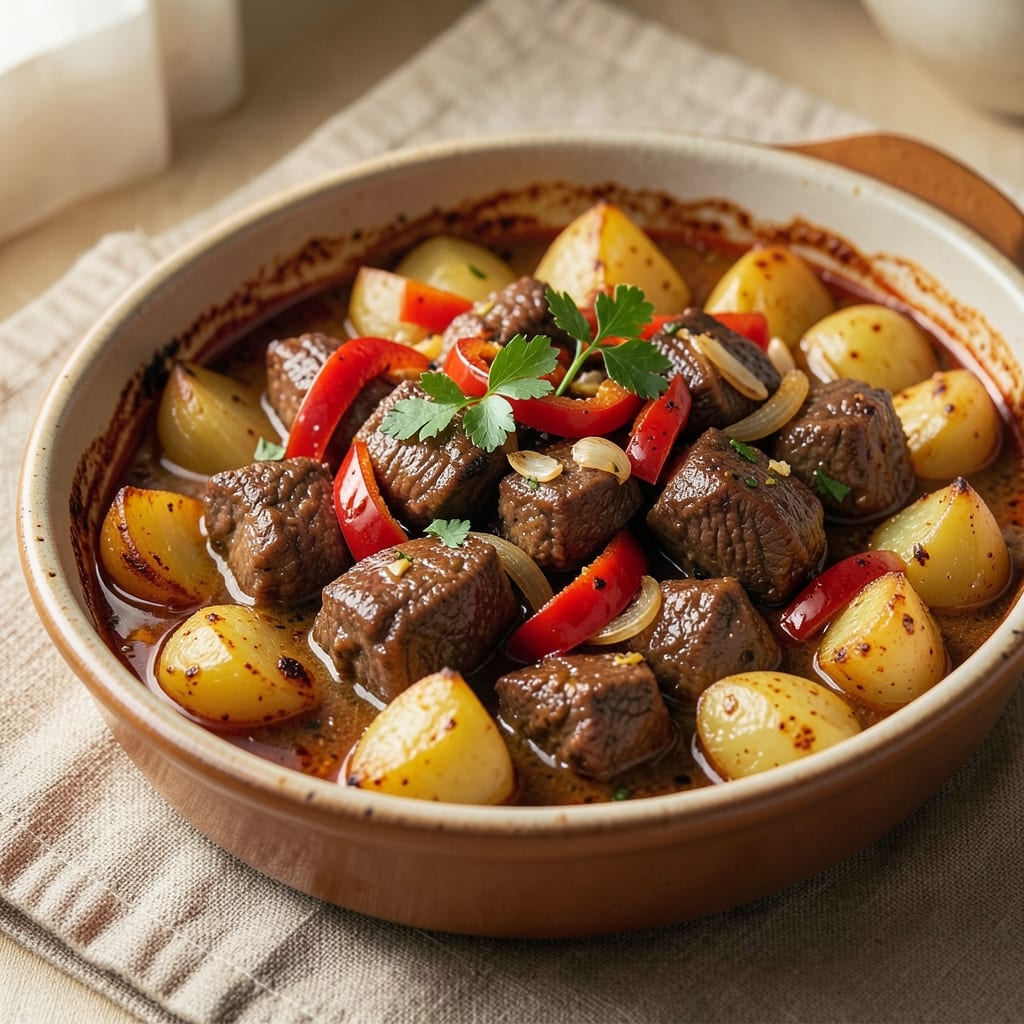
This beef and potato goulash recipe delivers the rich, paprika-kissed depth of a classic Hungarian stew in a single pot. 💛 The secret lies in slow-browning the beef and building layers of flavor with onions, peppers, and aromatic spices like garlic and bay leaf. What starts as a humble pot of ingredients transforms into a hearty, comforting meal that's perfect for chilly evenings.
What sets this goulash apart is the balance of tender beef, perfectly cooked potatoes, and a sauce that's both savory and slightly sweet from the tomatoes. The paprika adds that signature warmth, while the long simmer ensures every bite is packed with flavor. Unlike many recipes, this version doesn't require fancy techniques—just time and patience to create restaurant-quality results at home.
By the time it's done, you'll have a steaming pot of goulash with melt-in-your-mouth beef, tender potatoes, and a sauce that's rich enough to serve with crusty bread or sour cream. The aroma alone will have everyone gathering around the table, and the first bite will make it clear why this dish has been a comfort food staple for generations.
Serve it family-style with extra bread for soaking up the sauce, or pair it with a simple green salad for a complete meal. The beauty of this recipe is its versatility—it's hearty enough for a weeknight dinner but impressive enough for company. Let's get cooking!
Ingredients for beef and potato goulash
Sixteen ingredients create this paprika-rich goulash with melt-in-your-mouth beef and tender potatoes.
| Ingredient | Amount | Notes |
|---|---|---|
| Chuck Roast Beef 🥩 | 2 ½ lb | Cut into 1-inch cubes, boneless |
| Yellow Onions 🧅 | 2 whole | Medium-sized, sliced thin |
| Bell Peppers 🌶️ | 2 whole | Any color, sliced into strips |
| Garlic Cloves 🧄 | 6 cloves | Minced finely for depth |
| Sweet Paprika 🌶️ | 2 tbsp | Hungarian or smoked for warmth |
| Tomato Paste 🍅 | ½ cup | Smooth, not chunky |
| Beef Broth 💧 | 3 cups | Low-sodium preferred |
| Russet Potatoes 🥔 | 2 lb | Cut into 1-inch chunks |
| Bay Leaves 🌿 | 2 whole | Fresh if possible |
| Ground Black Pepper 🌶️ | 1 tsp | Freshly cracked |
| Salt 🧂 | 1 ½ tsp | Kosher or sea salt |
| Olive Oil 🫒 | 2 tbsp | Extra-virgin for richness |
| Red Wine 🍷 | 1 cup | Dry, like Cabernet |
| All-Purpose Flour 🌾 | 1 tbsp | For thickening sauce |
The beef is the foundation—chuck roast delivers that signature fall-apart texture. Look for well-marbled cuts at Costco or your local butcher; the extra fat renders down for flavor. If you can't find chuck, sirloin or round roast work, but trim excess fat first. Onions and bell peppers should be fresh—yellow or red bell peppers add natural sweetness, while onions build the base. For paprika, Hungarian or smoked varieties add depth, but regular sweet paprika works in a pinch. The tomato paste? Rao's or Muir Glen are reliable brands—avoid the chunky kind.
No red wine? Beef broth with a splash of balsamic vinegar mimics the acidity. Fresh bay leaves elevate the dish, but dried work at half the amount. The potatoes? Russets hold up best—don't peel them unless you prefer a smoother texture. For extra richness, stir in 1 tbsp butter at the end. The flour is optional but helps thicken the sauce if needed. If you're short on time, pre-cut frozen potatoes save chopping steps. And yes, the longer it simmers, the better it tastes—plan for at least 2 hours on low heat.
This goulash reheats beautifully—tastes even better the next day once flavors meld. Store in the fridge for up to 5 days or freeze for 3 months. For meal prep, portion into containers with a splash of broth to keep it moist. The sauce thickens as it cools, so add a little water or broth when reheating. Serve with crusty bread or sour cream on top for that classic touch. Leftovers make great lunches—just warm through and enjoy.
Why You'll Love This Recipe
- One-Pot Magic: I swear by this recipe when I’m too tired to scrub pots—just brown the beef, toss in diced potatoes and peppers, add a splash of broth, and let the paprika work its deep magic. The onions caramelize right in the pan while you stir, so no extra skillets needed.
- Paprika Powerhouse: That first spoonful of sweet paprika? It’s the secret weapon—earthy, slightly sweet, and it turns this into something heartier than basic beef stew. The chuck roast gets tender enough to melt, while the garlic cloves release their punch at the perfect moment. Honestly, I’ve made this with just salt and pepper before, but the paprika makes it ridiculously good.
- Leftovers That Beg: This dish actually improves the next day. The flavors meld into something richer, and the potatoes soak up all the juices—perfect for quick lunches or freezing. I’ll be real: I’ve reheated portions straight from the fridge, and no one ever guesses they’re not fresh off the stove.
- Budget-Friendly Feast: Chuck roast stretches across meals, and the veggies (onions, peppers, garlic) are cheap staples. A single roast feeds my family for days, and I’ve even doubled the batch for potlucks—no one leaves hungry, and my wallet stays happy. Plus, the sweet paprika adds color without costing a fortune.
Step-by-step instructions for beef and potato goulash
This one-pot masterpiece delivers rich, paprika-infused beef with tender potatoes in under an hour.
🍳 Step 1: Sear the Beef and Build the Flavor Base
Heat the 2 tablespoons olive oil in a large Dutch oven over medium-high heat until shimmering. Working in batches, add the 2.5 lb chuck roast beef cut into 1-inch cubes, searing until deeply browned on all sides—about 3-4 minutes per batch. This step creates the Maillard reaction that forms the goulash's deep, caramelized foundation.
Remove the beef and set aside. In the same pot, add the 2 whole yellow onions and 2 whole bell peppers sliced into strips. Cook for 5 minutes until softened and slightly charred. Stir in the 6 cloves minced garlic and cook for 30 seconds until fragrant. Here's the thing—don't rush this step. The onions should be golden and the peppers slightly blistered for maximum flavor.
👨🍳 Step 2: Develop the Paprika-Kissed Sauce
Reduce heat to medium and sprinkle in the 2 tablespoons sweet paprika, stirring constantly for 1 minute to toast the spices and release their aromatic oils. This is where the goulash gets its signature warmth. Add the 0.5 cup tomato paste and cook for 2 minutes, stirring frequently to prevent burning.
Pour in the 1 cup red wine and scrape up any browned bits from the bottom of the pot with a wooden spoon. Let it simmer for 3 minutes until reduced by half. This deglazing step captures all the beefy, paprika-rich flavors that will infuse the entire dish. The wine should smell rich and concentrated by now.
🥘 Step 3: Simmer the Beef and Potatoes Together
Return the beef to the pot along with the 3 cups beef broth, 2 whole bay leaves, 1.5 teaspoons salt, and 1 teaspoon ground black pepper. Bring to a gentle boil, then reduce heat to low and cover partially. Let it simmer for 30 minutes to tenderize the beef.
Add the 2 lb russet potatoes cut into 1-inch chunks and the 1 tablespoon all-purpose flour. Stir gently to distribute the flour evenly—this will help thicken the sauce later. The potatoes should be partially submerged, but don't worry if some float to the top. Cover and simmer for another 20-25 minutes until the beef is fork-tender and the potatoes are soft.
⏰ Step 4: Thicken and Finish to Perfection
Uncover the pot and increase heat to medium-high. Let the liquid reduce for 5-7 minutes until it reaches your desired consistency—it should coat the back of a spoon but still be spoonable. If it's too thin, mix 1 tablespoon cornstarch with 1 tablespoon cold water and stir it in, simmering for another 2 minutes until thickened.
Taste and adjust seasoning with additional salt or pepper if needed. The goulash should be rich, slightly tangy from the wine, and deeply flavorful from the paprika. Remove the bay leaves before serving. This dish tastes even better the next day as the flavors meld further, so consider making extra for leftovers.
Pro Tips For Making Beef And Potato Goulash
- SEAR THE BEEF FIRST: Chuck roast releases its juices when raw, so pat it very dry with paper towels before hitting the pan. A 5-minute sear at high heat—until deep brown crusts form—locks in flavor and prevents a bland stew. I used to skip this, and the goulash always tasted like it needed more salt afterward.
- CHOP ONIONS SMALL: Tiny dice (1/4-inch or smaller) for onions and bell peppers means even cooking and no tough bits. If you’re in a hurry, pulse them in a food processor—just don’t overdo it, or you’ll end up with mush. My grandmother’s trick: Freeze onions for 20 minutes first; they slice cleaner and faster.
- DON’T BOIL THE POTATOES: Add potatoes after the beef has browned and the onions have softened. If the liquid starts simmering too hard, turn the heat down to medium-low and let them cook gently—this keeps them tender without turning to glue. I learned this the hard way when my first batch ended up as a watery mash.
- USE A SPLASH OF VINEGAR: Stir in 1 tablespoon of apple cider vinegar with the paprika and spices. It brightens the flavors and cuts through the richness of the beef fat, making the whole dish taste fresher. Sounds weird, but it works—especially if your paprika tastes dull or your beef is on the tough side.
Health benefits of this beef and potato goulash
Protein Powerhouse
This goulash packs a high-protein punch with 2.5 lbs of chuck roast, delivering about 75 grams of protein per serving—perfect for muscle repair and satiety. The slow-cooked beef becomes incredibly tender while retaining its meaty texture, making it a satisfying choice for anyone looking to build or maintain muscle mass. 💪
Complex Carbs
The russet potatoes provide complex carbohydrates that fuel your body with sustained energy, thanks to their natural fiber and slow-digesting starches. A 2-lb serving of these potatoes offers about 120 grams of carbs, with 8 grams of fiber to keep you feeling full longer. The potatoes also contribute vitamin C and potassium, essential for immune function and electrolyte balance.
Heart-Healthy Fats
The olive oil and red wine used in this recipe add beneficial monounsaturated fats, which support heart health by reducing LDL cholesterol. The wine also contributes resveratrol, an antioxidant linked to improved cardiovascular function. Even the beef, when cooked properly, retains some of its natural fats that your body needs for hormone production and nutrient absorption.
Rich in Vitamins
This dish is a nutrient powerhouse when it comes to vitamins. The bell peppers provide vitamin C and vitamin A, while the onions contribute vitamin B6 and folate. The tomato paste adds lycopene, a powerful antioxidant that supports skin health. Together, these ingredients create a balanced meal that covers multiple nutritional bases.
Iron and Zinc Boost
The beef is an excellent source of iron and zinc, both critical for energy levels and immune function. A 6-ounce serving of beef provides about 30% of your daily iron needs, which helps prevent fatigue and supports oxygen transport in your blood. The paprika also adds a touch of vitamin E, another antioxidant that protects your cells from damage.
Low-Calorie Comfort
Despite its rich flavors, this goulash is surprisingly moderate in calories—about 450-500 calories per serving—making it a guilt-free comfort food option. The combination of lean protein, fiber-rich vegetables, and complex carbs keeps you satisfied without overloading your plate. Plus, the long simmering process allows flavors to develop fully, so you get that hearty, restaurant-quality taste without excessive calories. 🌟
Nutrition facts
Frequently asked questions
Can I substitute chuck roast with another cut of beef?
Yes, but choose a cut with similar fat content for tenderness. Sirloin or round roast work well if trimmed of excess fat, though they may be slightly less flavorful. For extra richness, try brisket—just increase simmering time to 3 hours for fall-apart texture. Avoid lean cuts like flank steak, as they dry out during long cooking.
How do I make this goulash spicier?
Boost the heat with 1-2 teaspoons cayenne pepper when adding the paprika, or stir in 1-2 chopped jalapeños with the onions. For smoky depth, swap 1 tbsp smoked paprika for half the sweet paprika. Remember: add spices gradually and taste as you go to avoid overpowering the dish.
Why is my goulash too watery?
This usually happens if you didn't reduce the sauce enough at the end. Simmer uncovered for 10-15 extra minutes on medium heat to thicken. For instant results, mix 1 tbsp cornstarch with 2 tbsp cold water, stir into the goulash, and cook for 2-3 minutes until thickened. Avoid adding flour directly to the pot—it can make the sauce cloudy.
Can I make this goulash in a slow cooker?
Brown the beef first in a skillet, then transfer everything to the slow cooker. Cook on low for 7-8 hours or high for 4-5 hours. The potatoes may absorb more liquid, so add ½ cup broth if needed. The slow cooker version tastes even better the next day as flavors meld.
What's the best way to reheat leftovers?
Gently reheat on the stovetop over low heat with a splash of broth or water to prevent drying. Microwave in 1-minute intervals, stirring between each, covered with a damp paper towel. For extra richness, stir in 1 tbsp butter or a dollop of sour cream while reheating. Never reheat straight from the fridge—bring to room temp first.