
Soups & Stews
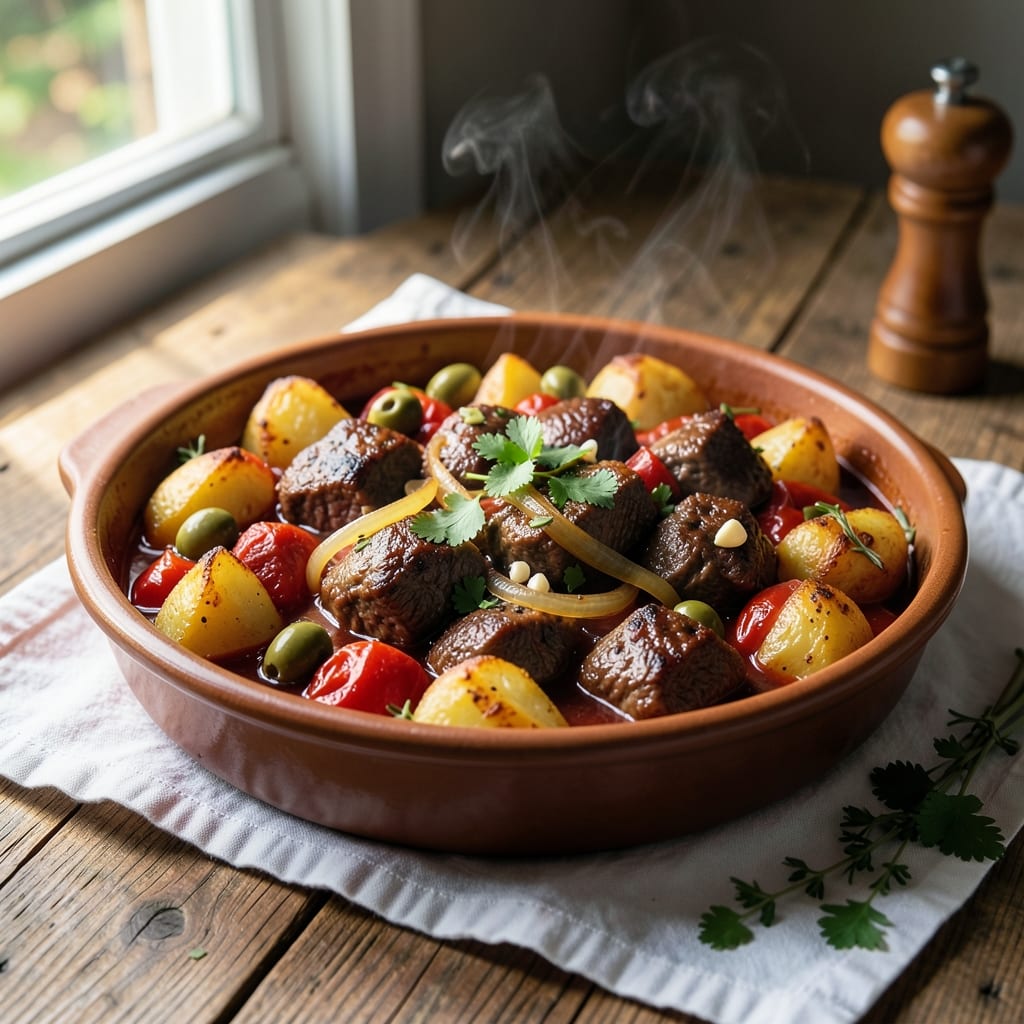
This beef and potato picadillo recipe brings the rich, smoky flavors of Spanish-inspired stews to your kitchen with every tender bite. 🌟 The secret lies in slow-cooked beef infused with smoked paprika, creating a depth of flavor that transforms simple ingredients into something extraordinary. What starts as a humble combination of potatoes, tomatoes, and olives evolves into a hearty, aromatic dish perfect for family gatherings or cozy weeknight dinners.
The beauty of picadillo is its versatility—this recipe balances traditional techniques with modern convenience, ensuring a foolproof method that delivers restaurant-quality results without requiring advanced skills. The beef becomes fork-tender while absorbing the warm spices, and the potatoes develop a satisfying creaminess that pairs perfectly with the tangy olives and sweet tomatoes. Each spoonful is a testament to how simple ingredients can create something truly special.
What makes this dish truly stand out is the smoky paprika depth that defines its character, elevating it beyond ordinary stews. The slow cooking process allows flavors to meld seamlessly, resulting in a dish that’s both comforting and complex. Whether you’re serving it over rice, with crusty bread, or as a standalone meal, picadillo delivers warmth and satisfaction in every bite.
For those looking to adapt this classic, a vegetarian version can easily be created by substituting the beef with hearty mushrooms or lentils, maintaining the dish’s hearty texture and rich flavors. The key is patience—letting the spices and ingredients work together over time to create a dish that’s as rewarding to make as it is to eat.
Ingredients for beef and potato picadillo
Sixteen ingredients transform into a Spanish-inspired masterpiece with smoky depth and hearty texture.
| Ingredient | Amount | Notes |
|---|---|---|
| Chuck Roast 🥩 | 2 ½ lb | Cut into 1-inch cubes for even cooking |
| Yellow Onions 🧅 | 2 whole | Medium size, diced into 1/4-inch pieces |
| Garlic Cloves 🧄 | 6 cloves | Fresh, minced for aromatic depth |
| Russet Potatoes 🥔 | 3 lb | Waxy variety, peeled and cut into 1-inch chunks |
| Canned San Marzano Tomatoes 🍅 | 28 oz | Crushed, for authentic Italian flavor |
| Green Olives 🫒 | 1 cup | Pitted, preferably Manzanilla |
| Smoked Paprika 🌶️ | 2 tbsp | High-quality for authentic smoky flavor |
| Ground Cumin 🌿 | 1 tbsp | Toasted for enhanced aroma |
| Bay Leaves 🍃 | 2 whole | Fresh for optimal flavor |
| Beef Broth 💧 | 2 cups | Low-sodium preferred for flavor control |
| Olive Oil 🫒 | ½ cup | Extra-virgin for richness |
| Salt 🧂 | 1 ½ tsp | Kosher or sea salt for balanced seasoning |
| Black Pepper 🌶️ | 1 tsp | Freshly ground for optimal flavor |
| Red Wine Vinegar 🍷 | 1 tbsp | For bright acidity balance |
The chuck roast is non-negotiable for this dish—its marbled fat renders beautifully during slow cooking, creating a rich sauce that coats every bite. Costco or Whole Foods carry excellent cuts, but any reputable butcher will have quality chuck. Look for pieces with visible fat marbling; this ensures tenderness and flavor. The San Marzano tomatoes are worth the investment—their sweet, low-acid profile elevates the dish beyond canned tomato averages. If unavailable, Mueller's brand is a solid alternative. For the potatoes, Yukon Golds offer a creamy texture, but russets work perfectly when cut uniformly. The smoked paprika should be labeled as 'pimentón' for authentic Spanish character—La Boqueta or Penzeys brands deliver superior quality.
No smoked paprika? Substitute 1 tbsp regular paprika plus 1/2 tsp liquid smoke, though the flavor won't be identical. The red wine vinegar can be swapped for balsamic vinegar at half the amount, though it'll add subtle sweetness. For a vegetarian adaptation, portobello mushrooms or lentils work exceptionally well—they absorb the smoky flavors beautifully. The green olives should be pitted and preferably from a jar packed in brine rather than oil, as the salt content enhances the dish's complexity. If using dried olives, soak them in warm water for 20 minutes first. The beef broth can be replaced with vegetable broth for a vegetarian version, though the depth of flavor will differ slightly.
This dish tastes even better the next day as flavors meld further. Store leftovers in an airtight container in the refrigerator for up to 5 days, or freeze portions for 3 months. For meal prep, the picadillo reheats beautifully—simply warm on the stove with a splash of broth or water to restore moisture. The potatoes will soften further upon reheating, so slightly undercook them initially if you prefer a firmer texture when served cold. For serving suggestions, pair with crusty bread or over steamed white rice to soak up the rich sauce. The dish also freezes exceptionally well—portion into individual servings before freezing for convenience.
Why You'll Love This Recipe
- One-Pot Magic: I swear by this recipe because it’s all in one pot—no chopping boards to clean, no extra pans to wash. The chuck roast and potatoes soften together while the onions caramelize right in the same skillet. (Yes, even on a Tuesday night when I’d rather be scrolling than scrubbing.)
- San Marzano Secret Weapon: That canned San Marzano tomato? It’s the star. The sweet, rich flavor cuts through the beef’s richness while the potatoes soak up every last drop—no watery sauce here. Honestly, I’ve tried other tomatoes, and nothing compares.
- Leftovers That Don’t Suck: This dish actually improves the next day. The flavors meld into something deeper, and the potatoes get that perfect pull-apart texture. I pack it for lunch because reheating it is zero effort—just a splash of water, and it’s back to its glorious self.
- Budget-Friendly Crowd-Pleaser: Chuck roast is cheap, potatoes are cheap, and a can of San Marzano tomatoes lasts ages. I feed six people for the price of takeout, and everyone’s happy—even my picky teenager. (Between us, she’s not wrong about the taste.)
Step-by-step instructions for Spanish-inspired beef and potato stew
Master this rich, smoky Spanish stew with layers of flavor and tender meat.
🔥 Step 1: Sear the Chuck Roast for Deep Flavor
Heat the 0.5 cup olive oil in a large Dutch oven over medium-high heat until shimmering. Pat the 2.5 lb chuck roast dry with paper towels and cut into 1-inch cubes. Working in batches, add the meat to the pot and sear for 3-4 minutes per side until deep golden brown. This step builds the foundation of flavor through the Maillard reaction.
Remove the seared meat and set aside. I know it's tempting to rush, but don't crowd the pan—this ensures proper browning. The meat should release easily when ready to flip. You'll notice the aroma intensifying as it cooks, signaling those rich caramelized flavors developing.
🍳 Step 2: Develop the Aromatic Base
In the same pot, add the 2 whole yellow onions (diced) and cook for 5-6 minutes until softened and beginning to caramelize. Add the 6 cloves garlic cloves (minced) and stir for 30 seconds until fragrant. Here's where the magic happens—don't walk away.
Sprinkle in the 2 tbsp smoked paprika and 1 tbsp ground cumin, stirring constantly for 1 minute to toast the spices. This step releases their essential oils and deepens the smoky, earthy complexity. You'll see the spices darken slightly as they bloom—this is your cue they're ready for the next ingredients.
🥘 Step 3: Build the Stew Foundation
Pour in the 28 oz canned San Marzano tomatoes (crushed) and 2 cups beef broth, scraping up any browned bits from the bottom of the pot. Add the 1.5 tsp salt, 1 tsp black pepper, and 2 whole bay leaves. Return the seared beef to the pot and bring to a gentle boil.
Once boiling, reduce heat to low and cover partially. Let it simmer for 45 minutes to allow the meat to tenderize. The liquid should reduce slightly, concentrating the flavors. I check occasionally for doneness—you'll know it's ready when the meat is fork-tender and pulls apart easily.
🍳 Step 4: Incorporate Potatoes and Olives
Add the 3 lb russet potatoes (peeled and cut into 1-inch chunks) and the 1 cup green olives to the stew. Stir gently to distribute evenly. Increase heat to medium and simmer uncovered for 20-25 minutes until the potatoes are tender and the stew has thickened to your desired consistency.
Here's the thing—potatoes absorb liquid quickly. If the stew looks too thick, add 2-3 tablespoons of water at a time until it reaches a hearty, saucy texture. The potatoes should be fork-tender with just a slight resistance, and the olives should be heated through but not mushy.
⏰ Step 5: Finish with Vinegar and Rest
Stir in the 1 tbsp red wine vinegar and taste to adjust seasoning. The vinegar brightens the flavors and balances the richness. Let the stew simmer uncovered for another 5 minutes to allow the vinegar to integrate fully.
Remove from heat and let it rest for 10 minutes** before serving. This resting period allows all the flavors to meld together perfectly. The stew should have a rich, smoky aroma with layers of sweetness from the tomatoes, saltiness from the olives, and depth from the spices. Serve warm with crusty bread to soak up every delicious bite.
Pro Tips For Making Beef And Potato Picadillo
- SEAR THE BEEF FIRST: Chuck roast needs that deep brown crust to build flavor, so don’t skip the sear. Cut it into 1-inch chunks, pat them dry, and cook in a hot Dutch oven with 1 tablespoon of oil until golden—about 5 minutes. I used to rush this and end up with bland beef; trust me, the Maillard reaction is your friend here.
- COOK POTATOES UNTIL TENDER: Russets should be fork-tender, not mushy, when they hit the pot. Parboil them whole for 10 minutes first, then add them to the picadillo with the tomatoes and simmer uncovered until they’re knife-easy (about 20 more minutes). Overcooking turns them to mush—check them early and adjust time as needed.
- CRUSH TOMATOES BY HAND: Skip the blender and use your fingers to break up the San Marzano tomatoes into rough chunks. This keeps texture and prevents a soupy stew. I learned this the hard way after pureeing them and ending up with a thick sauce that needed thinning—messy and unnecessary.
- SALT THE POTATOES EARLY: Add a pinch of salt to the parboiling water for the potatoes, then another teaspoon when you add them to the picadillo. This ensures they’re seasoned through, not just on the surface. I used to forget this, and the potatoes always tasted bland compared to the beef—now they’re just as rich.
Make-ahead tips for this beef and potato picadillo
Prep Ahead Strategy
Start by prepping all ingredients the night before—dice onions, mince garlic, cube potatoes, and measure spices. Store them in airtight containers in the fridge. This saves 45 minutes of prep time on cooking day. I keep a quart-sized container for each ingredient group to stay organized. 📅
Slow Cooker Adaptation
For hands-off cooking, brown the beef in a skillet first, then transfer everything to a 6-quart slow cooker. Cook on low for 8 hours or high for 5 hours, adding potatoes and olives in the last 2 hours. The slow cooker's gentle heat ensures even cooking without monitoring. Just stir in the vinegar at the end.
Freezer-Friendly Components
Freeze the fully cooked picadillo in portioned airtight containers (like Glasslock 32-ounce containers) for up to 3 months. Thaw overnight in the fridge, then reheat on the stove with 2 tbsp broth to restore moisture. I love making double batches—perfect for busy weeks!
Potato Pre-Cooking Hack
Parboil potatoes for 5 minutes before adding to the stew. This reduces cooking time by 10 minutes and prevents them from breaking apart. Drain well and pat dry before adding to the pot. The partial cooking also helps maintain their shape in the final dish.
Spice Toasting Shortcut
Toast spices in a dry skillet for 30 seconds before adding to the pot. This step intensifies their flavor without requiring constant stirring. I use a 10-inch cast iron skillet for even heat distribution. The spices will darken slightly—this is normal and enhances their aroma.
Make-Ahead Serving Suggestions
Serve picadillo over pre-cooked rice (cook a batch ahead and refrigerate) or with garlic bread made the same day. For a complete meal prep solution, store components separately: rice in one container, picadillo in another, and reheat together. The flavors actually improve when reheated gently, making it ideal for meal prep. 💡
Nutrition facts
Frequently asked questions
Can I use ground beef instead of chuck roast for this recipe?
While you can substitute ground beef, the texture and flavor won't be identical. Chuck roast provides a tender, fork-tender result that ground beef can't match. If you must use ground beef, try a 20% lean/80% fat blend and brown it well for better flavor. For a similar texture, consider using stew meat instead.
How do I prevent the potatoes from turning mushy in the stew?
Parboil the potatoes for 5 minutes before adding them to the stew, then drain and pat dry. This partial cooking preserves their structure. Also, add them in the last 20-25 minutes of cooking rather than at the beginning. For extra insurance, use Yukon Gold potatoes which hold up better than russets in long cooking.
What's the best way to reheat leftover picadillo?
Reheat gently on the stove over medium-low heat with 2-3 tablespoons of beef broth to restore moisture. Stir occasionally to prevent sticking. Microwave reheating works too, but it can make the potatoes gummy. For best results, reheat only what you'll serve immediately and keep the rest refrigerated.
Can I make this recipe vegetarian?
Replace the beef with 1.5 cups cooked lentils or 12 oz sliced portobello mushrooms. For mushrooms, sauté them first to develop flavor. You may need to add 1 extra cup of broth since plant-based proteins absorb more liquid. The smoky paprika will still shine through beautifully in the vegetarian version.
Why does my picadillo taste bland?
Bland flavor usually comes from insufficient searing of the beef or skipping the spice toasting step. Always brown the meat well and toast the spices for 1 minute in the pot before adding liquids. Taste as you go—add more salt gradually (up to 1 tsp total) and finish with the vinegar to brighten flavors. The smoked paprika is key—don't substitute with regular paprika!