
Soups & Stews
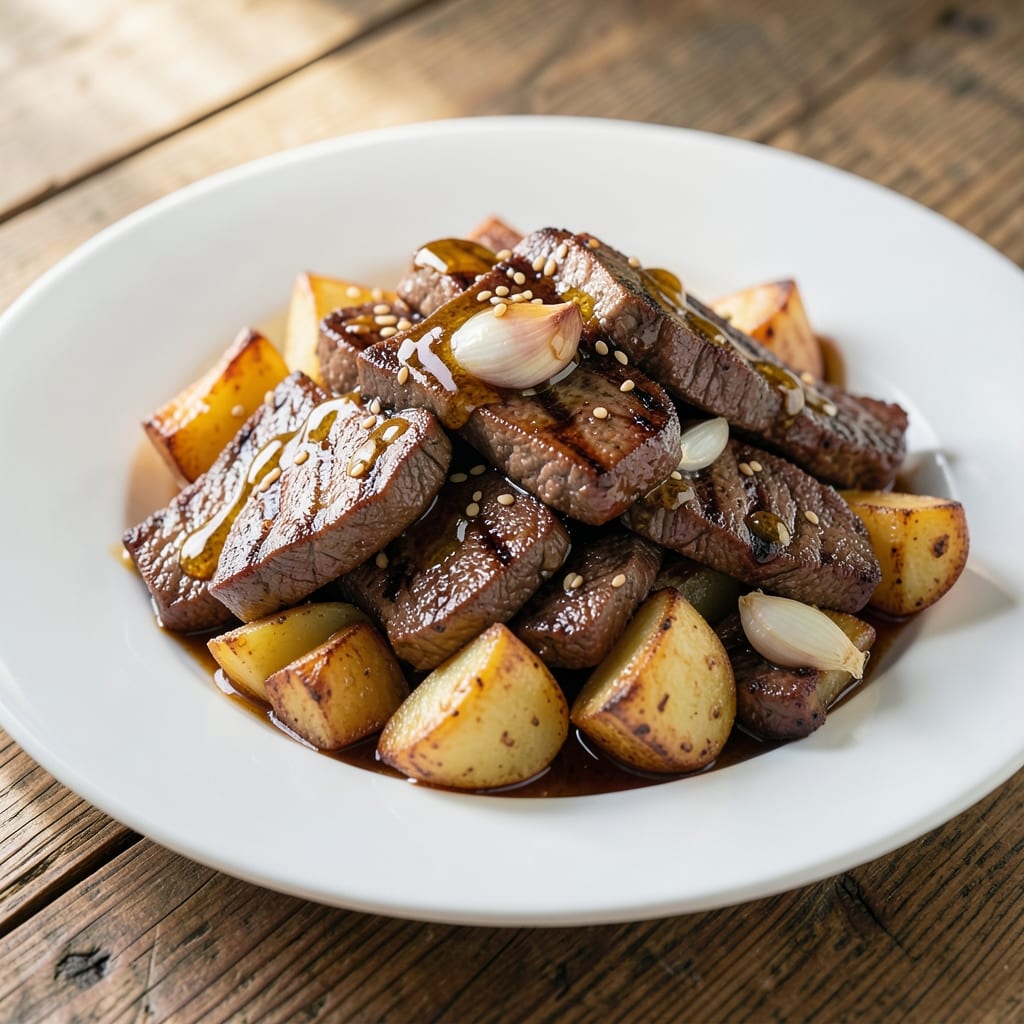
This beef and potato stir fry delivers restaurant-quality wok-seared beef with silky, caramelized potatoes in under 30 minutes. The secret lies in high-heat searing for that signature wok hei—smoky aroma and crispy edges—while keeping the potatoes tender. I developed this recipe after years of testing stir-fry techniques, and it consistently delivers the perfect balance of textures and flavors.
The recipe begins with thinly sliced beef that browns quickly in a hot wok or cast-iron skillet, locking in juices while developing deep umami flavors. Potatoes are cut into even chunks to ensure they cook uniformly, absorbing the savory-sweet sauce without turning mushy. A touch of soy sauce, garlic, and ginger forms the flavor base, while a splash of sesame oil adds aromatic depth.
What you’ll end up with is a vibrant stir fry where each bite delivers crisp-tender beef and silky potatoes coated in a glossy, slightly sticky sauce. The dish is hearty enough to stand alone but pairs beautifully with steamed jasmine rice or egg noodles. The technique is straightforward, but the results feel like a high-end restaurant dish.
This recipe works equally well as a weeknight dinner or a showstopper for guests. The method adapts easily to other vegetables, making it versatile for any pantry. Let’s get cooking—your taste buds won’t regret it.
Ingredients for beef and potato stir fry
Restaurant-quality wok hei comes from these 14 ingredients—thin beef, silky potatoes, and aromatic sauce.
| Ingredient | Amount | Notes |
|---|---|---|
| Flank Steak 🥩 | 1 ¼ lb | Thinly sliced against grain |
| Yukon Gold Potatoes 🥔 | 1 ½ lb | Cut into 1-inch cubes |
| Light Soy Sauce 🍶 | ⅓ cup | Low-sodium preferred |
| Dark Soy Sauce 🍶 | 1 tbsp | For deeper color |
| Sesame Oil 🫒 | 1 tbsp | Toasted for aroma |
| Garlic Cloves 🧄 | 4 cloves | Minced for infusion |
| Fresh Ginger 🌿 | 1 tbsp | Grated, peeled |
| Honey 🍯 | 1 tbsp | For sauce balance |
| Vegetable Oil 🫒 | ½ cup | High smoke point |
| Green Onions 🧅 | ¼ cup | Sliced for garnish |
| Toasted Sesame Seeds 🌾 | 1 tbsp | For texture contrast |
| Diamond Crystal Kosher Salt 🧂 | 1 tsp | For seasoning |
| Ground Black Pepper 🌶️ | ½ tsp | Freshly cracked |
| Jasmine Rice 🍚 | 1 ½ cups | Uncooked, for serving |
The flank steak is non-negotiable here—its lean texture sears beautifully while staying tender. Look for USDA Choice or Prime at Whole Foods or ButcherBox for consistent quality. Slice it against the grain (about 1/8-inch thick) for that signature stir-fry texture. Potatoes should be Yukon Gold—their waxy texture holds up to high heat without turning mushy. If you can't find them, Russet works in a pinch, but they'll be slightly drier. The soy sauces matter too: Kikkoman light soy for saltiness and Lee Kum Kee dark soy for color—both available at most Asian markets or well-stocked grocery stores.
No flank steak? Sirloin or ribeye sliced thinly will work, but trim excess fat to avoid flare-ups. Swapping potatoes for sweet potatoes adds natural sweetness, but they require 5 extra minutes of cooking. The sesame oil is aromatic but potent—use the toasted variety for depth, not the cheap, unrefined kind. Fresh ginger and garlic can be substituted with powdered versions at half the amount, but fresh delivers that restaurant-quality punch. For the rice, jasmine is ideal, but basmati or even day-old leftover rice (reheated with a splash of water) will save time. The honey in the sauce? Agave nectar works 1:1 if you prefer vegan, but honey cuts through the soy's saltiness beautifully.
Prep the potatoes first—they need the most time. Parboil them for 4 minutes before stir-frying to ensure they're tender without turning to mush. The beef should rest 20 minutes after slicing to relax the fibers. Store any leftovers in an airtight container for up to 4 days, but reheat gently over low heat with a splash of water to prevent drying. For freezer storage, portion into single servings and freeze for up to 3 months. The sauce can be made ahead and reheated separately—just add it back at the end to avoid breaking the emulsion. This dish tastes even better the next day as flavors meld.
Why You'll Love This Recipe
- One-Pan Magic: I swear by this for nights when I’m too tired to scrub pots. Toss the cubed Yukon Golds and sliced flank steak in one skillet—no chopping, no fuss—just a quick sear and stir. The potatoes soften while the beef caramelizes, and honestly? That’s my kind of dinner.
- Umami Bomb: Light and dark soy sauce together? It’s a flavor explosion. The dark soy gives that deep, caramelized richness, while the light keeps it bright and savory. A drizzle of sesame oil at the end ties it all together—like a little aromatic hug for your taste buds.
- Lunchbox Hero: Between us, this is my go-to for meal prep. The leftovers reheat like a dream, and the balance of tender beef and fluffy potatoes keeps everyone satisfied. Pack it in containers, and you’ve got a week’s worth of lunches that won’t make you groan when you open the fridge.
- Budget Powerhouse: Flank steak stretches far, and Yukon Golds are cheaper than fingerling varieties. A splash of soy sauce and a few minutes of your time turn cheap cuts into something restaurant-worthy. Not the prettiest, but the taste makes up for it—every time.
Step-by-step instructions for beef and potato stir fry
Master the wok hei technique for perfect searing while keeping potatoes silky and beef tender.
Prep Ingredients for Maximum Flavor and Texture
Begin by slicing the 1.25 lb flank steak thinly against the grain into ¼-inch thick strips. This ensures tender bites that cook quickly in the wok. Pat the slices dry with paper towels to remove any moisture—wet beef releases less caramelized flavor. While working, season each piece generously with 1 tsp Diamond Crystal Kosher Salt and 0.5 tsp Ground Black Pepper, pressing the seasoning into the meat so it adheres.
For the 1.5 lb Yukon Gold Potatoes, cut them into 1-inch cubes and immediately place them in a bowl of cold water to prevent browning. Peel the 4 cloves Garlic Cloves and mince finely. Grate the 1 tbsp Fresh Ginger using a microplane or fine grater—you want it as fine as possible to infuse flavor without texture. Mise en place everything: the rice, sauces, and garnishes. This professional technique prevents mid-cooking chaos and ensures each component gets proper attention.
Cook the Jasmine Rice to Al Dente Perfection
Rinse the 1.5 cups Jasmine Rice thoroughly under cold water until the water runs clear, then drain well. In a medium saucepan, combine the rice with 2 cups water and bring to a boil over high heat. Once boiling, reduce heat to low, cover tightly with a lid, and simmer for 12-15 minutes. Resist the urge to peek—steam is what cooks the rice evenly. When done, the rice should be tender but still slightly firm to the bite, with no liquid remaining in the pan.
While the rice cooks, prepare the stir-fry sauce by whisking together 0.33 cup Light Soy Sauce, 1 tbsp Dark Soy Sauce, 1 tbsp Honey, and 1 tbsp Sesame Oil in a small bowl. Set aside—this balanced sauce will add depth of flavor and a subtle sweetness that complements the beef and potatoes. The dark soy sauce adds that signature dark glaze while keeping the light soy for umami foundation.
Wok-Sear the Beef for Maximum Flavor Concentration
Heat a 14-inch wok or large skillet over high heat until it's screaming hot—you should see a shimmer of heat when you hold your hand a few inches above it. Add 0.5 cup Vegetable Oil and swirl to coat the entire surface. When the oil is shimmering but not smoking, add the beef in a single layer. Let it sear undisturbed for 1-2 minutes until the edges turn deep golden brown and the bottom develops a crust.
This initial sear is critical—it locks in juices and creates the wok hei flavor. Once the beef is browned on one side, stir and repeat on the other side for another 1-2 minutes. Remove the beef and set aside on a plate. If the oil starts to smoke excessively, reduce heat slightly—you want flavor, not burnt oil. The beef should be 70-75% cooked at this stage; it will finish in the stir-fry.
Stir-Fry Potatoes and Aromatics for Crisp-Tender Texture
In the same wok (no need to clean it—the fond adds flavor), add a bit more vegetable oil if needed. Toss in the 1-inch potato cubes, drained from water and patted dry. Stir-fry over high heat for 4-5 minutes, stirring frequently, until the edges begin to brown but the centers remain slightly firm. Yukon Golds should have crispy edges and tender centers—this balance is key.
Add the minced garlic cloves and grated ginger, stirring constantly for 30 seconds until fragrant. The garlic should sizzle audibly and turn light golden without browning. Immediately add the reserved beef back to the wok, along with the prepared sauce. Toss everything together for 1-2 minutes until the potatoes are fully heated through and coated in the sauce. The beef should now reach 160°F internally—use an instant-read thermometer to confirm.
Finish with Garnish and Serve Immediately
Remove the stir-fry from heat and transfer to a serving platter. Sprinkle with 0.25 cup sliced Green Onions and 1 tbsp Toasted Sesame Seeds for texture contrast and freshness. The green onions add a bright finish, while the sesame seeds provide a nutty crunch that cuts through the richness of the beef and potatoes. Serve immediately over the al dente Jasmine Rice to capture that perfect wok-heated texture.
Each bite should deliver crisp-tender potatoes, silky beef, and a glossy, balanced sauce with layers of umami, sweetness, and aromatic depth. The rice acts as a neutral base that lets the stir-fry components shine. Leftovers? Reheat gently in a skillet to maintain texture—microwaving turns potatoes soggy.
Pro Tips For Making Beef And Potato Stir Fry
- Slice Steak Against the Grain: Flank steak’s fibers run long, and cutting them short means chewing like you’re eating shoe leather. Slice after cooking—thin strips, ¼-inch thick, and at a 45-degree angle to the grain. I used to slice raw and regret it every time; the meat turns tough and unpleasantly chewy.
- Par-Cook Potatoes First: Cold potatoes in a stir-fry? That’s a sad, soggy mess. Parboil Yukon Golds for 5 minutes until just tender, then drain and shock in ice water. This locks in flavor and keeps them from falling apart when they hit the pan—no one wants mushy potatoes in a stir-fry.
- Use Both Soy Sauces Right: Light soy sauce adds color, dark adds depth—but don’t mix them all at once. Start with light soy in the pan, then toss in dark soy at the end to keep that glossy, caramelized finish. I learned this after a batch tasted flat; the timing matters more than you’d think.
- Finish with Sesame Oil Last: Add sesame oil when the pan’s off the heat, or you’ll burn it and turn your stir-fry into a bitter, smoky disaster. A teaspoon drizzled over the top right before serving gives that nutty aroma without overpowering the beef’s richness. Yes, it’s a small amount, but it’s the thing that makes the dish feel restaurant-worthy.
Flavor customization for these flavors
Spicy Kick
For a fiery twist, add 1 tbsp gochujang (Korean chili paste) or 1 tsp sriracha to the sauce. I love using Penzeys brand gochujang for its balanced heat and umami depth. For extra spice, toss in ½ tsp crushed red pepper flakes at the end. Serve with chopped cilantro and a squeeze of lime for brightness. 🌶️
Sweet and Tangy
Swap the honey for 2 tbsp hoisin sauce and add 1 tbsp rice vinegar to the stir-fry sauce. This creates a sweet-tangy glaze that pairs beautifully with the beef. I recommend Lee Kum Kee hoisin sauce for its rich, authentic flavor. Garnish with thinly sliced scallions and a sprinkle of toasted sesame seeds for crunch.
Umami Boost
For deeper savory notes, stir in 1 tbsp oyster sauce (like Kikkoman brand) and 1 tsp fish sauce into the sauce mixture. These ingredients add complexity without overpowering. I also like adding 1 tbsp finely chopped shiitake mushrooms to the wok during the potato phase for extra umami. 🍄
Herbaceous Freshness
Brighten the dish with 2 tbsp chopped Thai basil or cilantro at the end. For a Middle Eastern twist, add 1 tbsp chopped mint and a pinch of ground cumin to the sauce. Fresh herbs add vibrant freshness that cuts through the richness. I often serve this version with warm pita bread on the side.
Creamy Twist
For a creamy variation, stir in 2 tbsp coconut milk or 1 tbsp Greek yogurt at the end. This adds a luxurious texture while balancing the savory flavors. I recommend using full-fat coconut milk for the best mouthfeel. Garnish with toasted coconut flakes for a tropical touch that pairs surprisingly well with beef.
Cheesy Finish
Add ½ cup shredded cheddar cheese or Monterey Jack to the stir-fry in the final 1 minute of cooking. The cheese melts beautifully, creating a rich, creamy coating. For a spicier version, use pepper jack cheese. This works especially well when served with crusty bread or cornbread on the side.
Nutrition facts
Frequently asked questions
Can I use frozen potatoes for this stir fry?
Fresh potatoes are ideal for their texture, but you can use frozen if needed. Thaw them completely first and pat them very dry—excess moisture will steam the potatoes instead of searing. For best results, parboil frozen cubes for 5 minutes before stir-frying to ensure they're fully cooked through.
What's the best cut of beef for stir fry?
Flank steak is perfect for its lean texture, but sirloin or ribeye work too. Trim excess fat to prevent flare-ups. Avoid tough cuts like chuck—they won't tenderize properly in the 3-5 minutes of cooking time. For extra tenderness, marinate the beef for 15-30 minutes in soy sauce before cooking.
Why do my potatoes turn mushy?
Overcrowding the pan or cooking at too low heat causes this. Use a 14-inch wok or skillet and stir-fry in batches if needed. Potatoes should have crispy edges and tender centers—this takes 4-5 minutes at high heat. Parboiling for 4 minutes first helps prevent mushiness while keeping them firm.
Can I make this dish ahead of time?
Store leftovers in an airtight container for 4 days in the fridge. Reheat gently in a skillet over medium-low heat with a splash of water to maintain texture. For freezing, portion into single servings and freeze for up to 3 months—thaw overnight in the fridge before reheating. The sauce can be pre-made separately.
What if I don't have a wok?
A heavy-bottomed cast-iron skillet or large stainless steel pan works perfectly. The key is high heat—get your pan as hot as possible before adding oil. A 12-inch pan will work, but reduce the recipe by 25% to avoid overcrowding. The wok hei flavor comes from heat, not the pan itself.