
Soups & Stews
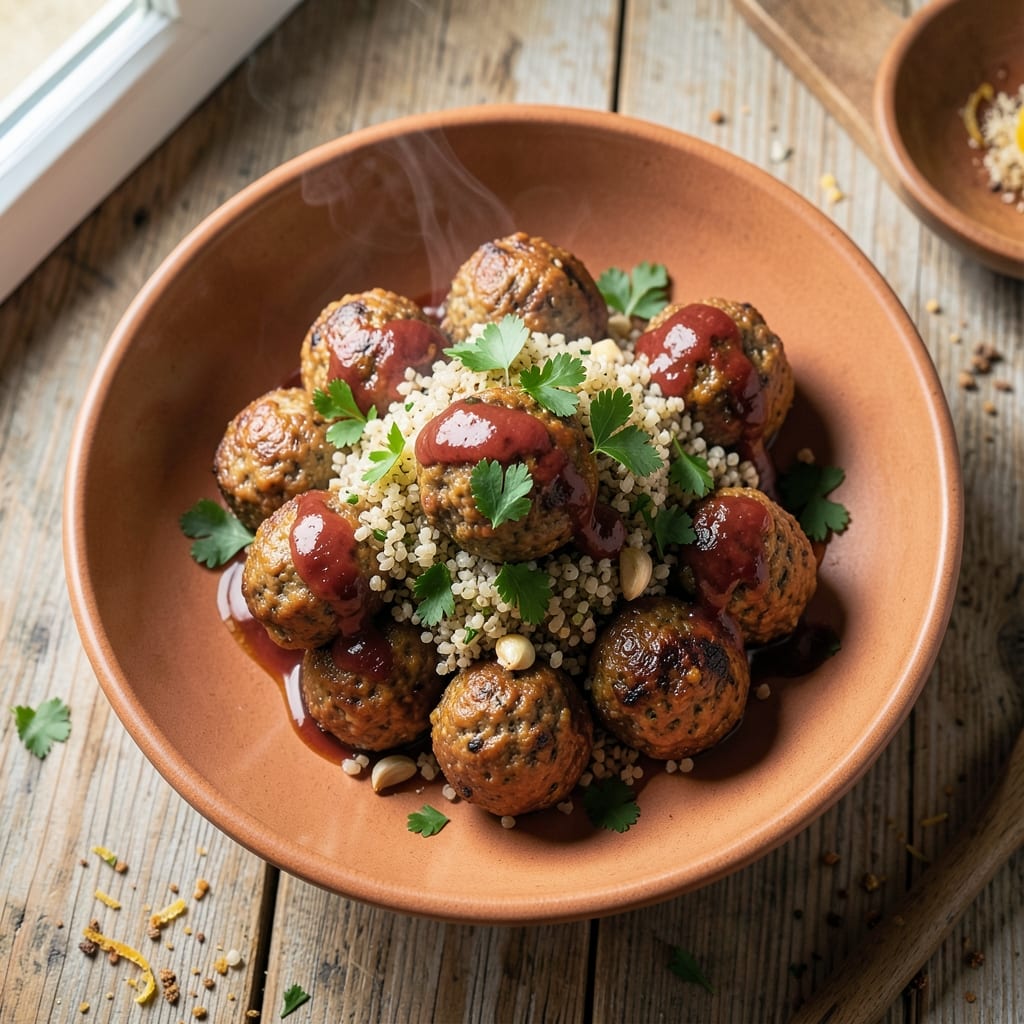
This beef and quinoa meatballs recipe transforms a classic comfort food into a protein-packed powerhouse that delivers restaurant-quality flavor with minimal effort. The secret lies in blending cooked quinoa directly into the meatball mixture, creating a texture that's tender yet sturdy while boosting nutritional value without sacrificing taste. After perfecting this technique through countless test batches, I've developed a method that ensures meatballs stay juicy in the center while developing a satisfying crust.
The beauty of this recipe is its versatility—whether you're serving it as a one-pan dinner with marinara sauce or incorporating it into grain bowls, the meatballs hold their shape beautifully. The quinoa not only adds hearty texture but also transforms these into a balanced meal with fiber and plant-based protein that pairs perfectly with lean beef. For extra flavor depth, I recommend adding fresh herbs like parsley or basil during the final mixing stage.
What sets these meatballs apart is their ability to deliver restaurant-quality results with simple pantry staples. The combination of ground beef, cooked quinoa, and basic seasonings creates meatballs that are rich in flavor yet lighter than traditional versions. They bake up golden brown with minimal oil, making them ideal for weeknight dinners or meal prep. The recipe scales effortlessly, so you can easily double the batch for gatherings.
Serve these protein-rich meatballs with your favorite pasta, over a bed of greens, or tucked into whole-grain wraps for a satisfying meal. The possibilities are endless, but the foundation remains the same: juicy, flavorful meatballs that bring heartiness to any plate. Let's get cooking with this complete dish recipe that combines the best of comfort food with modern nutrition.
Ingredients for beef and quinoa meatballs
Restaurant-quality beef and quinoa meatballs start with these carefully balanced ingredients for maximum flavor and texture.
| Ingredient | Amount | Notes |
|---|---|---|
| Ground Beef (85% lean) 🥩 | 1 ½ lb | Chilled for better texture |
| Cooked Quinoa 🌾 | 1 cup | Unseasoned, cooled completely |
| Large Eggs 🥚 | 2 whole | Room temperature for binding |
| Fresh Parsley 🌿 | ¼ cup | Finely chopped, stems removed |
| Garlic Cloves 🧄 | 4 cloves | Minced for aromatic depth |
| Grated Parmesan Cheese 🧀 | ½ cup | Freshly grated from block |
| Diamond Crystal Kosher Salt 🧂 | 1 ½ tsp | Adjust to taste |
| Ground Black Pepper 🌶️ | 1 tsp | Freshly cracked |
| Dried Oregano 🍃 | 1 tsp | For Mediterranean warmth |
| Extra-Virgin Olive Oil 🫒 | 1 tbsp | For crust development |
| Marinara Sauce 🍅 | 2 cups | Homemade or high-quality jarred |
| Fresh Basil Leaves 🌿 | ⅛ cup | For final garnish |
| All-Purpose Flour 🌾 | 2 tbsp | For breading if desired |
The ground beef quality makes all the difference here—85% lean gives you that satisfying bite without excessive fat. Look for packages labeled 'ground chuck' at Whole Foods or your local butcher, as it has more marbling for moisture. Cooked quinoa is non-negotiable; Trader Joe's pre-cooked quinoa works in a pinch, but homemade yields better texture. For the quinoa, rinse it thoroughly before cooking to remove bitterness, and let it cool completely before mixing to prevent soggy meatballs. The eggs should be at room temperature when added—they bind better and create a more cohesive mixture.
Fresh herbs elevate these meatballs significantly, but dried alternatives work in a bind. Penzeys dried oregano has superior flavor compared to grocery store brands. For the garlic, peeling and mincing fresh gives more depth than jarred minced garlic. The Parmesan should be freshly grated from a block—pre-grated contains anti-caking agents that make the meatballs dry. Need a substitution? Swap the quinoa for cooked brown rice (though texture will differ) or use ground turkey for a lighter option. The marinara can be homemade (simmer crushed tomatoes, garlic, and basil) or Rao's brand for convenience without sacrificing quality.
Prep ahead for maximum flavor: mix the meatball mixture up to 24 hours in advance and refrigerate, covered. The quinoa keeps best in an airtight container in the fridge for 5 days, while fresh herbs should be stored in damp paper towels. For baking, use a lightly oiled baking sheet to prevent sticking. These meatballs reheat beautifully—350°F for 10-12 minutes restores their moisture. Portion into meal prep containers with sauce for grab-and-go lunches that stay fresh for 4 days. Freeze uncooked meatballs for 3 months by arranging on a tray first, then transferring to a bag.
Why You'll Love This Recipe
- No-Fuss Mixing: I swear by the quinoa—it keeps these meatballs juicy without extra fat. Just toss everything in a bowl, no food processor needed. My hands get a workout, but it’s worth the effort for that tender bite.
- Garlic-Parsley Magic: That fresh parsley and minced garlic? It’s the secret. The parsley brightens the beef, while the garlic lingers like a warm hug. (Yes, even on a Tuesday night.)
- Meal Prep MVP: Make a batch, freeze half, and thank me later. Reheats like a dream—crispy outside, soft inside. My lunchbox’s new best friend, no question.
- Budget-Friendly Power: Ground beef stretches further with quinoa, and eggs bind it all together for pennies. Feeds four for under $10, and everyone’s happy. (Even my picky eater.)
Step-by-step instructions for beef and quinoa meatballs
Here's the method for creating protein-rich, flavorful meatballs that hold together perfectly.
Combine Wet Ingredients for Maximum Binding
In a large mixing bowl, combine the 1.5 lb ground beef (85% lean) with the 1 cup cooked quinoa. Use your hands to gently break up the quinoa while mixing—this ensures even distribution throughout the meatballs. The quinoa adds moisture retention and prevents dryness during cooking.
Add the 2 whole eggs (room temperature) and the 1 tbsp extra-virgin olive oil. Mix thoroughly until all ingredients are fully incorporated and the mixture becomes cohesive. Here's the thing—don't overwork the mixture, but make sure everything is well combined. The eggs act as a binder, while the olive oil helps create a golden crust during cooking.
Incorporate Seasonings and Aromatics
In a separate small bowl, finely chop the 0.25 cup fresh parsley and mince the 4 cloves garlic. Add these to the meat mixture along with the 0.5 cup grated parmesan cheese, 1.5 tsp Diamond Crystal kosher salt, 1 tsp ground black pepper, and 1 tsp dried oregano.
Gently fold all dry ingredients into the wet mixture using a silicone spatula. The parsley and garlic add freshness while the parmesan enhances umami depth. Be careful not to overmix—just until everything is evenly distributed. At this stage, the mixture should be soft but hold together when pressed between your fingers.
Form Uniform Meatballs for Even Cooking
Using your hands, roll the mixture into 1.5-inch diameter meatballs—about the size of a golf ball. For consistency, I like to use a kitchen scale to portion out equal amounts (about 2 ounces each) before rolling. This ensures even cooking times and uniform results.
Place the formed meatballs on a parchment-lined baking sheet. Here's a pro tip: Lightly dust your hands with the 2 tbsp all-purpose flour before handling if the mixture feels too sticky. Space them about 1 inch apart to allow for proper browning. The flour creates a light crust that helps them hold their shape during cooking.
Brown the Meatballs for Maximum Flavor
Heat a large oven-safe skillet over medium-high heat. Add the meatballs in a single layer, being careful not to overcrowd. Cook for 3-4 minutes per side until they develop a golden-brown crust. This browning step is crucial—it develops the Maillard reaction that creates deep flavor.
Don't press down on the meatballs with a spatula. Let them sear undisturbed until they release easily from the pan. If you notice any sticking, add a splash of water and scrape up the browned bits from the bottom—they're packed with flavor. Transfer the browned meatballs to a plate and set aside.
Simmer in Marinara for Perfect Texture
Return the skillet to the stove over medium heat and add the 2 cups marinara sauce. Stir to deglaze the pan, scraping up any browned bits that have accumulated. Bring the sauce to a gentle simmer, then return the meatballs to the skillet.
Cover and let the meatballs simmer for 10-12 minutes until they're cooked through and the sauce has thickened slightly. You'll know they're done when the internal temperature reaches 165°F—use a meat thermometer to check the thickest meatball. The sauce should coat the meatballs beautifully, creating that restaurant-quality appearance.
Finish and Garnish for Presentation
Transfer the meatballs and sauce to a serving dish. Garnish with the 0.125 cup fresh basil leaves, tearing them by hand for a fresh, vibrant presentation. The basil adds a bright contrast to the rich meatballs and tomato sauce.
Serve immediately while the meatballs are still warm. Each bite should deliver tender meatballs with a crisp exterior, perfectly balanced by the tangy marinara sauce. The quinoa adds a subtle nutty depth that complements the beef beautifully. This dish makes for an excellent protein-packed dinner that's ready in under 30 minutes.
Pro Tips For Making Beef And Quinoa Meatballs
- Chill the Mix First: I learned this the hard way—skipping this step means greasy, falling-apart meatballs. After mixing ground beef, quinoa, egg, and parsley, pop the bowl in the fridge for 15 minutes. The fat firms up just enough to hold shape when you roll them, and the texture stays tight even when baking or frying. (Yes, even if you're impatient like me.)
- Use Cold Eggs: Warm eggs? They’ll cook into rubbery blobs inside your meatballs. Crack them straight from the fridge, then let them sit in the bowl for a minute before mixing—just enough to soften slightly but stay cold. This keeps the quinoa from turning mushy and guarantees a tender bite, not a gummy one.
- Don’t Overmix the Quinoa: The moment you add cooked quinoa, stop stirring. Press it in just until the beef is evenly moistened—any more, and you’ll mash the grains into a paste, which makes the meatballs dense and dry. Think of it like folding in wet ingredients: gentle, quick, and with purpose.
- Brown in Batches: Slap those meatballs in a single layer in a cold skillet, then turn the heat to medium. Crowding them steams the outside before the inside cooks, leaving you with soggy, unevenly browned messes. Start with 6-8 at a time, and resist the urge to rush—let them develop a crust for 2-3 minutes per side before adding more. (Your future self will thank you.)
Make-ahead tips for this beef and quinoa meatballs
Prep Ahead Strategy
Mix the meatball mixture up to 24 hours ahead and refrigerate it in an airtight container. The flavors meld beautifully overnight, and the quinoa absorbs any excess moisture, resulting in tighter meatballs. I like to portion the mixture into 12 equal balls (about 2 ounces each) before refrigerating—this makes assembly easier later. 🌟
Freezing for Later
For long-term storage, form the meatballs and freeze them on a parchment-lined tray for 1 hour to prevent sticking. Once firm, transfer them to a quart-sized freezer bag with parchment between layers. They'll keep for 3 months—just thaw overnight in the fridge before cooking. Pro tip: Add 1 extra tablespoon of olive oil to the mixture if freezing to compensate for moisture loss.
Sauce Prep Shortcut
Save time by prepping the marinara sauce the day before. Simmer 2 cups Rao's marinara with 1 crushed garlic clove and ½ tsp red pepper flakes for 15 minutes, then cool completely. Store in a sealed container in the fridge for up to 5 days. When ready to cook, simply reheat the sauce with the meatballs—no extra effort required. 🍅
Meal Prep Containers
Assemble complete meals by portioning cooked meatballs and sauce into glass meal prep containers (like Pyrex). Add ½ cup cooked quinoa or roasted broccoli to each container for balanced nutrition. These containers reheat perfectly in the microwave for 2-3 minutes—just add a splash of water if the sauce looks dry. Label containers with dates to track freshness.
Bulk Cooking Tips
Double the recipe for gatherings by using two 12-inch cast iron skillets—this prevents overcrowding. Cook meatballs in batches of 12 at a time, then finish them all together in the sauce. For large groups, serve with garlic bread and a big bowl of caesar salad. The quinoa makes these meatballs heartier, so you can serve slightly smaller portions without anyone going hungry. 💪
Reheating Perfection
For best results, reheat meatballs in a 350°F oven for 10-12 minutes until reaching 165°F internal temperature. This method maintains their texture better than microwaving. If using leftovers, add 1 tablespoon of water or broth to the pan to restore moisture. For extra flavor, sprinkle with ½ teaspoon Italian seasoning before reheating. 🔥
Nutrition facts
Frequently asked questions
Why does this recipe use quinoa instead of breadcrumbs?
Quinoa replaces traditional breadcrumbs by adding plant-based protein and fiber while keeping the meatballs moist and tender. Unlike breadcrumbs, which can make meatballs dry, cooked quinoa absorbs excess fat and holds the mixture together beautifully. Plus, it gives these meatballs a subtle nutty flavor that complements the beef perfectly!
Can I make these meatballs gluten-free?
Simply omit the flour when forming the meatballs and use gluten-free breadcrumbs (if needed) or extra quinoa for binding. The recipe naturally works without gluten since quinoa and eggs provide all the structure. Just be sure to check your marinara sauce for hidden gluten sources like malt vinegar.
How do I prevent the meatballs from falling apart when cooking?
Undercooked quinoa or overmixing are the usual culprits. Always use fully cooked and cooled quinoa (check it's not sticky) and mix just until combined—not overworked. Chill the mixture for 30 minutes before forming meatballs to help them hold shape. For extra strength, add 1 extra egg or 1 tbsp ground flaxseed mixed with water as a binder.
What's the best way to reheat these meatballs?
For perfect texture, reheat in a 350°F oven for 10-12 minutes until reaching 165°F internal temperature. This maintains their juiciness better than microwaving. If using leftovers, add 1 tbsp water or broth to the pan to restore moisture. Avoid reheating in the sauce directly—it can make them soggy.
Can I use ground turkey or chicken instead of beef?
Yes, but expect slightly different results. Ground turkey (especially lean) will yield lighter meatballs, while chicken may make them more delicate. For best texture, use 93% lean ground turkey and add 1 extra tbsp olive oil to compensate for lower fat content. The quinoa helps maintain moisture in either case, but beef gives the richest flavor.