
Sauces & Condiments
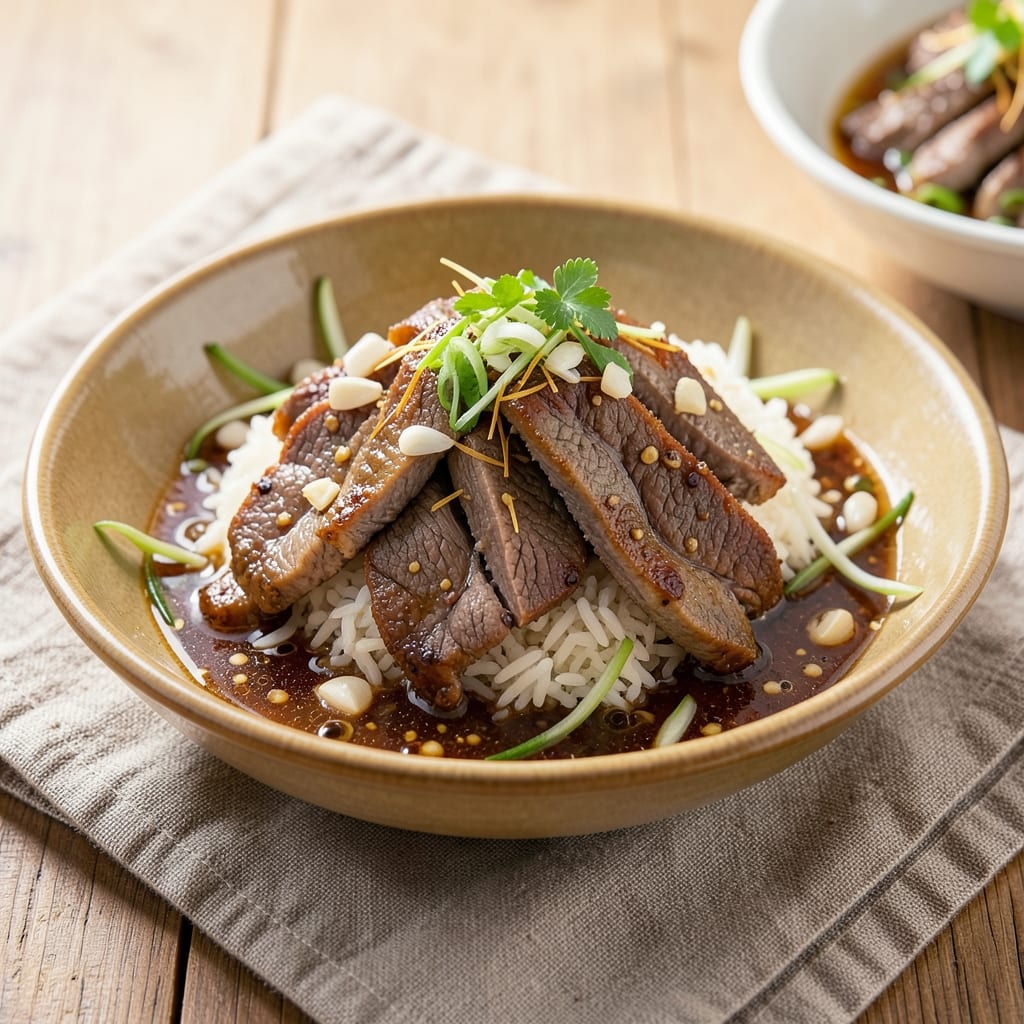
This beef and rice sauce recipe transforms simple ingredients into a rich, umami-packed condiment that elevates every grain dish. The secret lies in a slow simmer of beef broth, soy sauce, and aromatic vegetables until the flavors meld into a velvety, savory sauce with just the right texture to cling to rice. Perfect for stir-fries, rice bowls, or noodles, this sauce builds depth without overpowering the dish.
What makes this sauce special is its versatility and longevity—it keeps well in the fridge for up to a week or freezes for months, making it a pantry staple for quick meals. The balance of sweet, salty, and savory notes ensures it works equally well with steamed rice, fried rice, or even as a dipping sauce. Ready in just 30 minutes, it’s the kind of sauce that turns ordinary meals into restaurant-quality experiences.
Ingredients for beef and rice sauce
Nine simple ingredients crafting a velvety sauce with restaurant-quality depth and umami richness.
| Ingredient | Amount | Notes |
|---|---|---|
| Beef Broth 🥩 | 4 cups | High-quality, low-sodium preferred |
| Soy Sauce 🥄 | ½ cup | Light or dark, to taste |
| Brown Sugar 🍯 | ¼ cup | Packed, for caramelized depth |
| Rice Vinegar 🍶 | 2 tbsp | Seasoned preferred for balance |
| Garlic Cloves 🧄 | 6 cloves | Minced finely for aromatic punch |
| Fresh Ginger 🌿 | 2 tbsp | Grated, for zesty brightness |
| Sesame Oil 🫒 | 1 tbsp | Toasted, for nutty aroma |
| Green Onions 🧅 | ¼ cup | Sliced thin, for fresh crunch |
| Uncooked Jasmine Rice 🍚 | ½ cup | Rinsed, for subtle texture |
| Olive Oil 🫒 | 1 tbsp | Light, for gentle simmering |
The beef broth is the foundation—Swanson or Pacific Foods brands deliver the deepest flavor. Look for low-sodium versions to control saltiness, or reduce the soy sauce if you prefer less salt. Brown sugar adds caramelized sweetness; muscovado or turbinado varieties add molasses notes if you want complexity. Fresh ginger and garlic are non-negotiable for authentic depth—peel ginger before grating to avoid bitterness. Jasmine rice adds subtle texture and absorbs flavors beautifully; rinse it thoroughly to remove excess starch.
No soy sauce? Coconut aminos or tamari work in a pinch, though flavor will differ slightly. Substitute maple syrup for brown sugar (1:1 ratio) if you're avoiding refined sugar. Sesame oil can be swapped for toasted peanut oil, but the aroma won't be identical. For extra crunch, add toasted sesame seeds or chopped peanuts at the end. If you can't find jasmine rice, brown rice or basmati will work—just toast the grains first for nuttier flavor.
This sauce thickens as it cools, so stir in a splash of water if it becomes too viscous. Keeps 5-7 days refrigerated in an airtight container, or up to 3 months frozen. Portion into ice cube trays for easy single-use servings—perfect for quick meals. Reheat gently on low heat, stirring frequently to prevent scorching.
Why You'll Love This Recipe
- Pantry Magic: I swear by this recipe when I’ve got nothing but a few cans and spices. That rich beef broth base? It’s the secret—just simmer it down with soy sauce until it thickens, and suddenly you’ve got depth without the fuss.
- Umami Bomb: Honestly, the garlic and brown sugar combo is chef’s kiss. The vinegar cuts through the richness just enough to make every bite sing—sweet, salty, tangy, all at once. My husband licks the spoon. (Yes, really.)
- Leftover Hero: This sauce keeps like a dream—tastes even better the next day when the flavors meld. I double it on Sundays, freeze half, and have a ready-made flavor boost for stir-fries or rice bowls all week.
- Budget Win: Three ingredients cost me under $5 total. Beef broth is cheap, soy sauce lasts forever, and brown sugar? You already have it. It’s the kind of recipe that makes me feel like I’m feeding a crowd without breaking the bank.
Step-by-step instructions for beef and rice sauce
This umami-rich sauce builds layer by layer through precise timing and technique.
Bloom the Aromatics in Olive Oil
Heat the 1 tablespoon olive oil in a medium saucepan over medium-low heat. Add the 6 cloves minced garlic and 2 tablespoons grated fresh ginger, stirring constantly for 1-2 minutes until fragrant but not browned. This step develops the aromatic foundation—don't rush it or the garlic will burn before releasing its sweetness.
I like to press the ginger through a fine grater for even distribution, and I crush the garlic cloves with the flat side of my chef's knife first to release more flavor. Watch the pan closely—the moment you see the garlic turn golden, it's time to move to the next ingredient. The oil should shimmer but not smoke.
Add Rice and Caramelize the Sugar
Increase heat to medium, then add the 0.5 cup uncooked jasmine rice and stir for 1 minute to lightly toast the grains. This prevents them from becoming mushy later. Immediately add the 0.25 cup packed brown sugar and stir vigorously for 2-3 minutes until the sugar dissolves and the mixture turns a deep amber color.
Here's where it gets interesting—the sugar caramelizes quickly, creating that rich, molasses-like depth. If the mixture starts to stick, add 1 tablespoon beef broth to loosen it. You're aiming for a glossy, syrupy consistency that coats the back of a spoon. This caramelized layer will form the sauce's backbone.
Build the Umami Base
Pour in the 4 cups beef broth and 0.5 cup soy sauce, then bring to a gentle simmer. Add the 2 tablespoons rice vinegar and reduce heat to low. Let it simmer uncovered for 15 minutes, stirring occasionally. This slow reduction allows the flavors to meld while the rice absorbs just enough liquid to soften slightly but remain distinct.
Real talk: this is the moment that matters. The sauce should reduce by about one-third, thickening to a velvety consistency. If it reduces too quickly, add 1-2 tablespoons beef broth at a time to maintain balance. The aroma should be complex—deep, savory, with a hint of sweetness from the caramelized sugar.
Finish with Sesame Oil and Green Onions
Remove the pan from heat and stir in the 1 tablespoon toasted sesame oil. The oil will separate slightly but distribute its nutty aroma throughout. Add the 0.25 cup sliced green onions, reserving 1 tablespoon for garnish. Let the sauce sit off heat for 5 minutes to allow the flavors to fully integrate.
Taste and adjust seasoning—you might need a pinch more soy sauce for saltiness or a splash of rice vinegar for brightness. The sauce should coat the back of a spoon but remain pourable. Garnish with the reserved green onions just before serving to add fresh crunch and vibrant color.
Serve Immediately Over Rice or Noodles
This sauce is best served fresh when the rice is still tender and the aromatics are at their peak. Ladle the sauce over steamed jasmine rice, ramen, or even as a dipping sauce for dumplings. The texture should be glossy with visible rice grains suspended throughout, offering both creamy sauce and satisfying bite.
For maximum impact, serve with a side of quick-pickled vegetables to cut through the richness. The contrast of tangy, crisp vegetables against the deep umami sauce creates a perfect balance. Store any leftovers in an airtight container in the refrigerator for up to 3 days, but reheat gently on low heat to preserve the texture.
Pro Tips For Making Beef And Rice Sauce
- Crush Garlic Properly: I learned this the hard way—mincing garlic into rice sauce just makes it disappear. Instead, smash 3-4 cloves with the flat side of your knife first, then finely chop. The released oils blend smoother and add depth without turning your sauce into garlic confetti.
- Simmer Slow and Low: This isn’t the time to rush. Bring your broth to a gentle bubble, then reduce to a whisper—just enough to see tiny ripples. Skipping this step makes the sauce taste flat and one-dimensional. Trust me, 15 minutes at low heat is better than 5 minutes at high.
- Balance Sweet and Sour: Brown sugar and rice vinegar need to play nice. Start with 1 tablespoon of each, then taste. If it’s cloying, add a splash more vinegar. If it’s sour, stir in another pinch of sugar. The goal? A sauce that’s complex, not just sweet or tangy.
- Strain for Smoothness: After simmering, strain the sauce through a fine-mesh sieve into a clean bowl. Yes, it’s an extra step, but it removes any stray garlic bits or sediment that can make the texture gritty. Your future self will notice the difference when you drizzle it over rice.
Pro cooking tips for this recipe
Low-Temp Simmering
Keep your heat at a gentle simmer—not a rolling boil—throughout the 15-minute reduction to prevent the sauce from breaking or separating. I use a thermometer to monitor the temperature between 180-190°F for optimal flavor extraction without scorching. This slow cook method allows the rice to soften just enough while building deep umami layers. 🌡️
Rice Texture Secrets
The uncooked jasmine rice isn’t just a flavor carrier—it adds subtle chewiness that elevates the sauce. Toast it in the oil for 1 minute until lightly golden, then stir in the brown sugar immediately. This creates a caramelized crust around each grain that prevents mushiness. For extra texture, reserve 2 tbsp cooked rice at the end and stir it in during the final 5 minutes of simmering.
Balancing Sweet-Savory
Taste as you go! The brown sugar should caramelize into a deep amber color, but if it crystallizes, whisk in 1 tsp water to dissolve. For extra depth, add ½ tsp fish sauce (like Red Boat) for umami punch. If the sauce tastes too salty, dilute with 1 tbsp beef broth. The goal is a harmony of sweet, salty, and savory—like a perfect Asian fusion sauce. 💫
Sesame Oil Timing
Add the toasted sesame oil off the heat—this prevents it from burning and preserves its nutty aroma. Stir vigorously for 10 seconds to emulsify, then let it sit for 5 minutes before adjusting seasoning. If the oil separates, whisk in ½ tsp cornstarch mixed with 1 tsp water to bind it. Pro tip: Use lightly toasted sesame oil (not the dark, strong variety) for a cleaner flavor.
Thickness Control
This sauce thickens as it cools, so adjust consistency while warm. For a glossy, pourable finish, simmer until reduced by one-third. If too thick, whisk in 1 tbsp beef broth at a time. For a spreadable texture (like a dipping sauce), reduce by half and finish with 1 tsp honey. Always reheat gently—medium-low heat only—to avoid breaking the sauce. ✨
Storage Hacks
Store in an airtight glass jar (like Le Parfait) in the fridge for 5-7 days. For freezing, portion into ice cube trays—each cube equals 1 tbsp sauce, perfect for quick meals. Thaw overnight in the fridge, then reheat on low heat with 1 tbsp water to restore texture. Label with the date to track freshness—trust me, you’ll want to use it fast! ❄️
Nutrition facts
Frequently asked questions
Can I make this sauce without beef broth?
Yes! For a vegetarian version, substitute beef broth with 4 cups vegetable broth or mushroom broth for extra umami. Add 1 tbsp soy sauce or miso paste to compensate for the missing depth. The rice and caramelized sugar will still create a rich base, though the flavor profile will be slightly lighter.
How do I adjust the spice level for sensitive palates?
This recipe is naturally mild, but if you prefer even gentler flavors, reduce the garlic to 4 cloves and omit the ginger entirely. For a smoother texture, blend the finished sauce briefly (without the green onions) for a velvety consistency. The rice and sesame oil provide enough flavor without heat.
Will this sauce thicken too much when refrigerated?
Yes, it will naturally thicken as it cools—this is normal! Stir in 1-2 tbsp warm water when reheating to restore pourability. If you prefer a thinner consistency, reduce the simmer time by 3-5 minutes or add 1 extra cup of broth during cooking. The sauce should coat the back of a spoon but remain spreadable.
Can I use this sauce as a marinade?
Thin the sauce with equal parts beef broth (1:1 ratio) and use it to marinate proteins like chicken or tofu for 30-60 minutes before cooking. The sweet-savory balance makes it perfect for grilling or stir-frying. Just reserve some marinade for basting—don't use it directly on the grill to avoid flare-ups.
What's the best way to reheat leftover sauce?
Gently reheat on low heat in a saucepan with 1 tbsp water to prevent scorching. Stir constantly for 2-3 minutes until warmed through. Microwaving works in a pinch (30-second intervals), but the texture may separate slightly. For frozen portions, thaw overnight in the fridge before reheating for best results.