
Soups & Stews
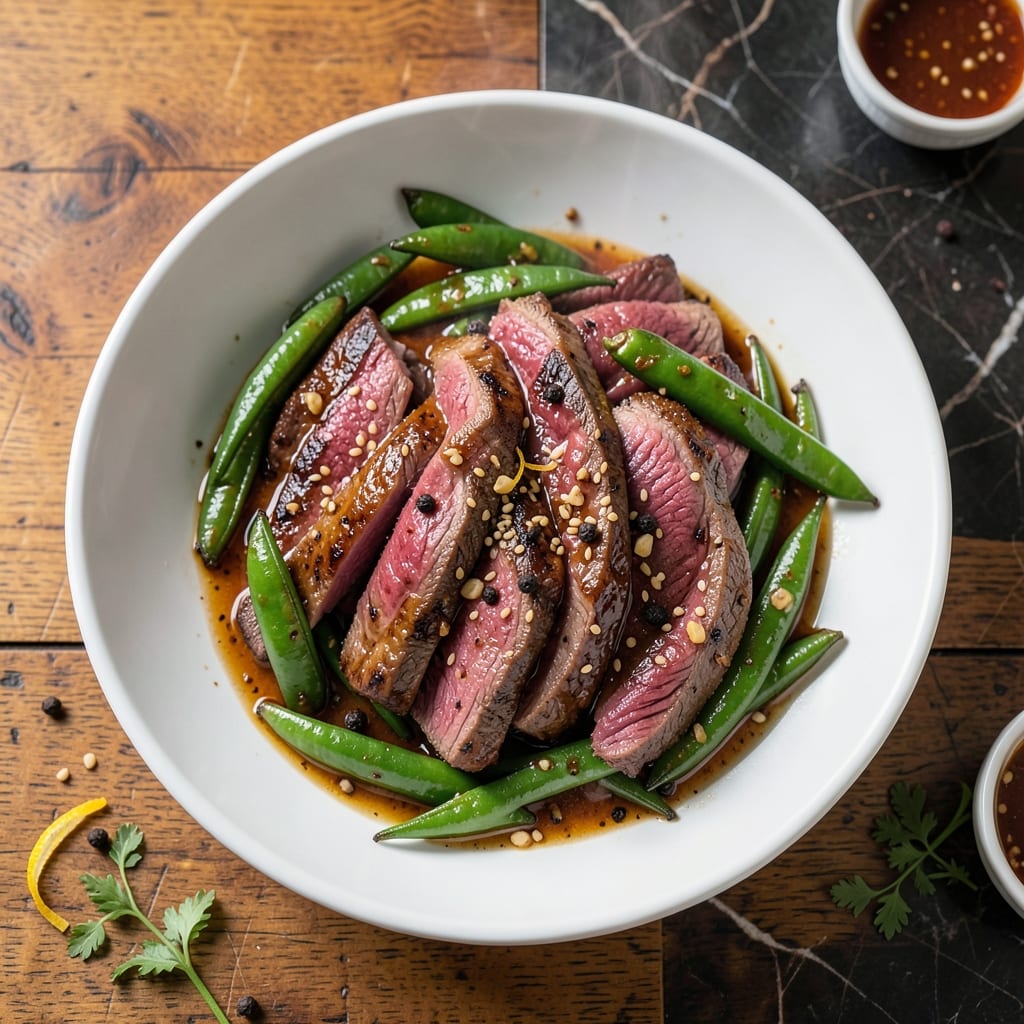
This beef and snap peas recipe delivers wok-hei charred beef with crisp-tender snap peas in just 20 minutes, transforming a simple stir-fry into a restaurant-worthy meal. The secret lies in high-heat searing for that signature smoky aroma while keeping the beef fork-tender and the snap peas vibrant. I developed this after years of perfecting stir-fry timing—no more dry beef or mushy greens here.
The dish balances rich beef flavors with bright snap peas and a savory sauce that clings perfectly to both. Start with thinly sliced beef marinated in soy sauce and garlic, then stir-fry until caramelized at the edges. The snap peas get a quick blanch to maintain their crisp texture while absorbing just enough sauce to enhance their natural sweetness. This method ensures every bite delivers that perfect contrast of textures and flavors.
What you'll end up with is a dish that's elegant enough for dinner guests but simple enough for weeknight dinners. The beef remains juicy and flavorful, the snap peas retain their vibrant green color and satisfying crunch, and the sauce ties everything together with a perfect balance of umami and brightness. Serve over steamed rice or noodles to soak up every last bit of that delicious sauce.
This recipe works equally well as a standalone dish or paired with other stir-fry favorites. The technique is foolproof, and the ingredients are easy to find, making it perfect for both beginners and experienced cooks looking to elevate their stir-fry game. Let's get started on creating this flavorful, texturally perfect meal.
Ingredients for beef and snap peas
These ingredients transform simple stir-fry into restaurant-quality wok-hei perfection in minutes.
| Ingredient | Amount | Notes |
|---|---|---|
| Flank Steak 🥩 | 1 lb | Thinly sliced against grain |
| Snap Peas 🥕 | 2 cups | Fresh or frozen, thawed |
| Low-Sodium Soy Sauce 🥫 | ⅓ cup | For marinade and sauce |
| Sesame Oil 🫒 | 1 tbsp | Toasted for aroma |
| Garlic Cloves 🧄 | 4 cloves | Minced for marinade |
| Ginger Root 🌿 | 1 tbsp | Freshly grated |
| Honey 🍯 | 1 tbsp | For sauce balance |
| Cornstarch 🌾 | 1 tbsp | For velveting beef |
| Neutral Oil 🫒 | 2 tbsp | Avocado or vegetable oil |
| Green Onions 🧅 | 3 whole | Sliced for garnish |
| Red Pepper Flakes 🌶️ | ½ tsp | Optional for heat |
| Steamed White Rice 🍚 | 2 cups | Cooked, for serving |
| Diamond Crystal Kosher Salt 🧂 | ½ tsp | For seasoning |
| Black Peppercorns 🌶️ | ¼ tsp | Freshly cracked |
The flank steak is non-negotiable here—it's lean but tender when sliced thinly against the grain. Ask your butcher to slice it if you're not comfortable doing it yourself, or freeze it for 20 minutes before slicing for easier control. I always grab mine from Whole Foods or the meat counter at Trader Joe's—look for cuts with good marbling. The snap peas should be vibrant green, not yellowing or limp. Fresh is ideal, but frozen works in a pinch—just thaw and drain them well. For the soy sauce, Kikkoman low-sodium is my go-to, but any good-quality low-sodium brand will do. The sesame oil? Toast it first—heat 1 tsp in a dry pan for 30 seconds until fragrant, then cool before using.
No sesame oil? Toasted peanut oil works surprisingly well—just add a pinch of ground peanuts at the end for authenticity. Running out of honey? Maple syrup or agave keeps the sauce balanced, though honey adds that perfect umami-sweet contrast. The cornstarch is crucial for velveting the beef—don't skip it. If you're feeling adventurous, swap the green onions for scallions or Thai basil for a different flavor profile. For the rice, jasmine or short-grain varieties absorb the sauce best. And if you're worried about the beef drying out, marinate it for at least 20 minutes—the longer it sits, the more tender it becomes.
Prep ahead like a pro: Marinate the beef and make the sauce the night before—it develops deeper flavors. Store everything in airtight containers in the fridge for up to 2 days. The snap peas? Keep them in a sealed bag with a paper towel to absorb moisture—they'll stay crisp for 3 days. For leftovers, reheat gently in a wok or skillet with a splash of water to revive that wok-hei aroma. This dish freezes beautifully too—portion into single servings before freezing for easy weeknight meals. Just add fresh green onions when reheating.
Why You'll Love This Recipe
- One-Pan Magic: The flank steak and snap peas sizzle together in the same pan—no chopping boards, no extra dishes. I swear by this when I’m too tired to do more than open a jar of sauce.
- Umami Bomb: That low-sodium soy sauce and sesame oil combo? It turns simple beef into something ridiculously good. The garlic cloves caramelize just enough to make every bite taste like a little flavor explosion.
- Lunchbox Hero: Between us, this is my go-to for meal prep. Slice the cooled beef thin, toss it with the snap peas, and pack it in containers—no reheating needed. My kids beg for it at school.
- Budget Win: Flank steak stretches farther than you’d think, and snap peas are one of those veggies that stay fresh forever. Honestly, I make this twice a month and still have leftovers for stir-fries or salads.
Step-by-step instructions for wok-hei charred beef with crisp-tender greens
Here's how to achieve that perfect wok-hei char while keeping the beef silky and the snap peas vibrant.
Marinate and Velvet the Beef
Slice the 1 lb flank steak thinly against the grain into ¼-inch thick strips. In a bowl, whisk together 0.33 cup low-sodium soy sauce, 1 tbsp honey, 1 tbsp cornstarch, 4 cloves minced garlic, 1 tbsp freshly grated ginger root, 0.5 tsp diamond crystal kosher salt, and 0.25 tsp freshly cracked black peppercorns. Add the beef strips and toss to coat completely. Let marinate for 20 minutes at room temperature.
This marinade serves double duty—it tenderizes the beef while the cornstarch creates a silky texture through a process called velveting. The acidity from the soy sauce and honey also helps break down muscle fibers, ensuring each bite is fork-tender. Don't skip the room temperature step; cold beef won't absorb the marinade evenly.
Prep the Snap Peas and Wok Setup
Thaw the 2 cups snap peas if using frozen, then drain and pat completely dry with paper towels. Trim the 3 whole green onions, reserving 1 tablespoon for garnish and slicing the rest. Heat a wok or large skillet over high heat until smoking hot. Add 2 tablespoons neutral oil and swirl to coat.
The high heat is crucial here—you want the wok to be screaming hot before adding any ingredients. This creates that signature wok-hei char we're after. The dry snap peas will crisp beautifully when cooked this way, rather than turning soggy. Keep the green onions separate until the very end so they stay bright and crisp.
Cook the Beef to Perfect Doneness
Remove the beef from the marinade (reserve the marinade) and add to the wok in a single layer. Cook undisturbed for 1-2 minutes until the bottoms develop a deep brown crust. Stir-fry for an additional 1-2 minutes until the beef is cooked through but still retains its pink center. Remove and set aside.
This is where the magic happens—those 30-60 seconds of undisturbed cooking create the wok-hei char. You'll see the edges curl slightly and develop a beautiful caramelized crust. If the beef releases easily from the wok, it's ready. Overcooking will make it tough, so watch closely. The reserved marinade will be your sauce base next.
Build the Sauce and Finish the Dish
Add the reserved marinade to the wok and bring to a simmer over medium-high heat. Stir in the 2 cups snap peas and cook for 2-3 minutes until they're bright green and slightly blistered. Drizzle in 1 tablespoon sesame oil and toss everything together. Return the beef to the wok and coat thoroughly.
The snap peas should maintain their vibrant color and crisp texture—this means they're done just right. The sesame oil adds that nutty aroma that ties everything together. If the sauce seems too thick, add 1-2 tablespoons hot water to loosen it. Taste and adjust seasoning with additional soy sauce or honey if needed.
Plate with Steamed Rice and Garnish
Serve the beef and snap peas immediately over the 2 cups steamed white rice. Garnish with the reserved sliced green onions and a sprinkle of 0.5 tsp red pepper flakes if using. Drizzle with any remaining sauce from the wok.
Each bite should deliver that perfect balance of tender beef, crisp snap peas, and aromatic sauce. The wok-hei char adds depth while the honey and soy sauce provide sweet-savory complexity. Serve with extra green onions on the side for those who prefer less heat. This dish is best enjoyed fresh while the snap peas are still crisp and the beef maintains its perfect texture.
Pro Tips For Making Beef And Snap Peas
- Slice Against the Grain: Flank steak’s tough fibers run parallel to the grain—cutting perpendicular to them shortens chewing time dramatically. Grab a sharp knife, angle the blade at 45 degrees, and slice thinly after cooking. (Yes, it’s fiddly, but your dinner guests will notice.)
- Blanch Snap Peas First: Toss snap peas in boiling water for 30 seconds, then ice bath—this stops them from turning mushy later. I learned this the hard way: raw peas in a hot pan just sit there, soaking up oil instead of caramelizing. Prepped peas? They’ll crisp up in minutes.
- Sear Steak in Batches: A crowded pan steams instead of sears, and you end up with sad, gray meat. Cook half the steak first, push it aside, then add the rest—this keeps the heat high where it belongs. (Pro move: Add a splash of dry sherry or vodka to deglaze after the first batch; it adds depth.)
- Use Garlic Oil, Not Raw: Minced garlic burns faster than you can blink, turning bitter and acrid. Instead, heat sesame oil with crushed garlic cloves (not minced) on low for 1-2 minutes until fragrant but not brown. Strain and use this infused oil—it’s the difference between "meh" and "wow." (Skip the straining? You’ll taste it, but your dish won’t be as smooth.)
Essential equipment for great beef and snap peas
Wok Essentials
A carbon steel wok is my top recommendation for authentic wok-hei flavor—its thin base heats up quickly and retains heat perfectly. I use a 14-inch wok from Mauviel, but budget-friendly options like Made In also work beautifully. For electric stovetops, a flat-bottomed wok or a stainless steel wok with a heat diffuser will work just as well. 🔥
If you don’t own a wok, a large, heavy-bottomed skillet (like All-Clad or Calphalon) will do in a pinch. The key is getting that high heat—your pan should be smoking hot before adding oil. Avoid nonstick pans for stir-frying; they can’t handle the high heat needed for wok-hei char.
Heat Source Matters
Gas stoves are ideal for stir-frying because they give you precise, high-heat control. If you’re using an electric stove, preheat your pan for 5-7 minutes before cooking to mimic gas heat. Induction cooktops? A cast iron wok or a heavy-bottomed pan works best—just make sure it’s compatible with your burner. Pro tip: Keep a small propane torch handy for finishing touches—it adds that extra char in seconds. ⚡
Prep Tools
A sharp chef’s knife is non-negotiable for slicing the beef against the grain—Wüsthof or Shun knives are my go-tos. For the snap peas, a mandoline speeds up prep if you’re using fresh peas, but a sharp knife works fine too. I also recommend a fine-mesh strainer for draining thawed snap peas and a small mixing bowl for marinating the beef. 🧑🍳
Sauce and Finishing Touches
Invest in a small saucepan for reducing the sauce if needed—it helps thicken it just enough for that perfect cling. A microplane is great for fresh ginger and garlic, but a grater works too. For sesame oil, a dropper bottle ensures you use just 1 tbsp without overdoing it. And don’t forget a tongs for tossing everything together—OXO Good Grips are my favorite for their secure hold. ✨
Optional Upgrades
For extra wok-hei flavor, a charcoal burner (like Char-Broil) lets you cook directly over flames, but it’s not essential. A digital thermometer (like ThermoWorks Smoke) helps monitor oil temps if you’re nervous about overheating. And if you love garnishes, a mortar and pestle lets you crush fresh chili peppers or toast sesame seeds for added texture. 💫
Nutrition facts
Frequently asked questions
Can I substitute flank steak with another cut of beef?
Yes, but choose cuts with similar tenderness. Sirloin or ribeye work well if sliced thinly against the grain. Avoid tougher cuts like chuck roast—they won't become tender enough in the 20-minute cooking time. For extra tenderness, marinate for 30 minutes instead of 20.
Why are my snap peas turning mushy?
Overcooking or not drying them properly causes mushiness. Pat snap peas very dry with paper towels before cooking, and stir-fry for only 2-3 minutes over high heat. If using frozen peas, thaw completely and drain well. Adding them to the wok too early (before the beef is charred) also steams them instead of crisping.
How do I make this dish spicier?
Add 1 tsp chili crisp or 1 tbsp sriracha to the sauce, or sprinkle 1 tsp red pepper flakes directly on the beef. For heat lovers, toss in 1 minced Thai chili with the garlic and ginger during marinating. Always taste as you go—adjust gradually to avoid overwhelming the dish.
Can I make this recipe ahead of time?
Yes, but with some adjustments. Marinate the beef and prep the sauce 1 day ahead and store in airtight containers. For the snap peas, blanch them for 1 minute, then shock in ice water to maintain crispness. Reheat everything together in the wok for 2-3 minutes—the snap peas may soften slightly but won't be mushy. Garnish fresh before serving.
What's the best way to reheat leftovers?
Use medium-low heat in a wok or skillet with 1 tbsp neutral oil and 1 tsp soy sauce. Add 1 tbsp water to prevent drying. Reheat for 3-4 minutes until everything is hot through. For crispier snap peas, add them last and cook for just 30 seconds. Never microwave—it makes the beef tough and the peas soggy.