
Soups & Stews
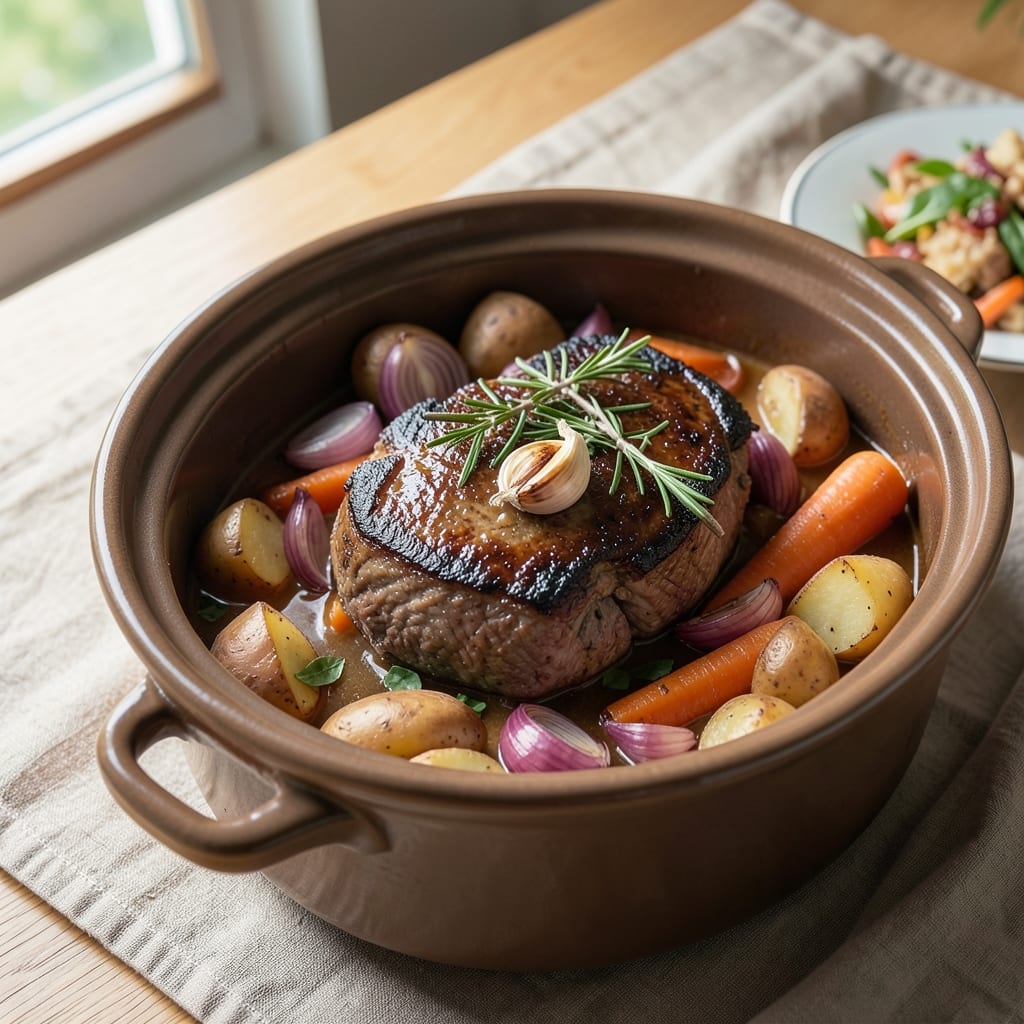
This beef and veggie slow cooker recipe transforms tough cuts into melt-in-your-mouth tenderness while vegetables soak up rich, savory flavors—no fuss, just deep satisfaction. The secret lies in slow cooking, where tough beef becomes fork-tender and vegetables develop a natural sweetness from the broth. You'll start with simple ingredients like chuck roast, potatoes, carrots, and onions, all combined with aromatic herbs and spices that infuse the meat and vegetables over hours of gentle cooking.
What makes this recipe truly foolproof is the minimal prep and hands-off approach. With just 15 minutes of preparation, you can set the slow cooker to low for 8 hours and let it work its magic. The beef will break apart easily, and the vegetables will be perfectly tender with a subtle caramelization that enhances their natural flavors. This method ensures every bite is packed with flavor, making it ideal for busy weeknights or meal prep.
The result is a hearty, comforting dish that pairs beautifully with crusty bread or buttery mashed potatoes. The slow cooking process creates a rich, flavorful broth that coats every ingredient, turning simple vegetables into a delicious side. Whether you're feeding a family or preparing for leftovers, this recipe delivers restaurant-quality results with minimal effort.
Perfect for those who want a satisfying meal without spending hours in the kitchen, this beef and veggie slow cooker recipe is designed to simplify dinner while maximizing flavor. The technique is straightforward, and the ingredients are easy to find, making it accessible for cooks of all levels. Let's get started on creating a meal that's as delicious as it is convenient.
Ingredients for beef and veggie slow cooker
Simple, hearty ingredients that transform into restaurant-quality slow-cooked beef and vegetables.
| Ingredient | Amount | Notes |
|---|---|---|
| Chuck Roast 🥩 | 3 lb | Well-marbled for tenderness |
| Yellow Onions 🧅 | 2 whole | Medium, peeled and quartered |
| Carrots 🥕 | 1 ½ lb | Medium, peeled and halved |
| Russet Potatoes 🥔 | 2 lb | Peeled and cut into chunks |
| Garlic Cloves 🧄 | 6 cloves | Minced for aromatic depth |
| Beef Broth 💧 | 2 cups | Low-sodium preferred |
| Tomato Paste 🍅 | ½ cup | For rich, concentrated flavor |
| Dried Thyme 🌿 | 1 tbsp | Or 1 tbsp fresh thyme leaves |
| Dried Rosemary 🌿 | 1 tsp | Crushed for enhanced aroma |
| Bay Leaves 🍃 | 2 whole | Remove before serving |
| Worcestershire Sauce 🍯 | 1 tbsp | For umami depth |
| Kosher Salt 🧂 | 1 ½ tsp | Adjust to taste |
| Ground Black Pepper 🌶️ | 1 tsp | Freshly cracked |
| Olive Oil 🫒 | 2 tbsp | For searing beef |
The chuck roast is the star here—its marbling ensures melt-in-your-mouth tenderness. Look for cuts with visible fat distribution at Costco or your local butcher shop, where they often offer competitive pricing per pound. If you're working with a whole roast, trim excess fat to reduce grease in the slow cooker, but leave enough to baste the meat. The onions, carrots, and potatoes should be uniform in size to ensure even cooking. Russet potatoes hold up best to slow cooking, but Yukon Golds add a creamier texture if you prefer. For the garlic, freshly minced releases more flavor than pre-minced, so take the extra 30 seconds to do it yourself if possible.
No beef broth? Low-sodium chicken broth works in a pinch, though the flavor won't be as rich. The tomato paste is non-negotiable for depth—avoid the watery squeeze tubes and opt for a high-quality canned paste like Muir Glen. For herbs, fresh thyme is ideal, but dried works at one-third the amount. If you're missing Worcestershire sauce, a dash of soy sauce plus a pinch of sugar mimics the umami and sweetness. The bay leaves add subtle earthiness, but don’t skip them—they’re the secret to that restaurant-quality broth. For extra richness, 1 tbsp of balsamic vinegar at the end of cooking adds a tangy brightness.
This dish reheats beautifully—3-4 minutes on high in the slow cooker or 2 minutes in the microwave with a splash of broth to keep it moist. Store leftovers in an airtight container for up to 4 days in the fridge or 3 months in the freezer. For meal prep, portion into individual containers so you can grab and reheat portions as needed. The flavors actually improve after the first day as everything melds together, making this the perfect make-ahead dish for busy weeks. If you're freezing, cool the mixture completely before transferring to avoid ice crystals.
Why You'll Love This Recipe
- Dump-and-Go Magic: I swear, the hardest part is slicing the onions—then it’s just set it and forget it. Chuck roast turns fork-tender while I’m doing laundry or scrolling through my phone. No stirring, no stress, just pure convenience.
- Carrot-Crispy Potato Payoff: Between us, the potatoes get just tender enough to cut with a fork, but those carrots? They stay perfectly crisp at the edges—like nature’s fries. It’s that perfect contrast that makes every bite satisfying.
- Leftover Lifesaver: Honestly, this recipe begs to be made in bulk. The beef shreds easily for tacos, the potatoes mash into creamy goodness, and the veggies? Perfect for stir-fries. I’ve fed a family of five for three days with one pot.
- Budget Beef Boost: A chuck roast is my wallet’s best friend—cheap, hearty, and packed with flavor. Pair it with onions and potatoes (both pantry staples), and suddenly you’ve got a meal that feeds four for under $15. That’s a win.
Step-by-step instructions for beef and veggie slow cooker recipe
Transform tough chuck roast into melt-in-your-mouth beef while vegetables soak up rich flavors effortlessly.
Sear the Chuck Roast for Deep Flavor
Heat a large skillet over medium-high heat and add the 2 tablespoons olive oil. Once shimmering, place the 3 lb chuck roast in the pan, fat-side down. Let it sear undisturbed for 5-7 minutes until a deep golden-brown crust forms. Flip and sear the other side for another 5-7 minutes. This step develops the Maillard reaction, creating complex flavors that'll infuse the entire dish.
While the roast sears, season it generously with 1.5 teaspoons kosher salt and 1 teaspoon ground black pepper on all sides. The crust should be dark and caramelized—this is your foundation for rich, beefy flavor. Transfer the seared roast to your slow cooker and set it aside.
Build the Aromatic Base Layer
In the same skillet (no need to clean it), add the 2 whole yellow onions and 1.5 lb carrots, cut into chunks. Sauté for 5 minutes until the onions soften and begin to caramelize. Add the 6 cloves minced garlic and cook for another 30 seconds until fragrant—this prevents the garlic from burning in the slow cooker.
Transfer the sautéed vegetables to the slow cooker, spreading them evenly around the roast. Add the 0.5 cup tomato paste, 1 tablespoon dried thyme, 1 teaspoon dried rosemary, 2 whole bay leaves, and 1 tablespoon Worcestershire sauce. Stir gently to combine. The tomato paste will thicken the cooking liquid, while the herbs and Worcestershire add depth of flavor that vegetables absorb beautifully.
Layer Potatoes and Add Broth
Peel and cut the 2 lb russet potatoes into 2-inch chunks and arrange them evenly around the roast and vegetables. Pour the 2 cups beef broth over everything, ensuring the roast and vegetables are mostly submerged. The liquid should come about halfway up the sides of the roast—this prevents drying while allowing the meat to cook slowly and tenderly.
Here's the thing—don't overfill the slow cooker. If the liquid level looks too low after adding broth, you can add a splash of water, but never exceed the halfway mark. The potatoes will release starch as they cook, which helps thicken the sauce naturally. Cover the slow cooker and cook on low for 8 hours or high for 5-6 hours until the beef is fork-tender.
Check for Doneness and Rest
After the cooking time, use two forks to shred the beef directly in the slow cooker. It should pull apart easily with minimal resistance—this indicates perfect tenderness. If it's still slightly firm, cook for another 30 minutes on high. The internal temperature should reach 203°F at its thickest part, where collagen breaks down completely.
Once tender, remove the 2 whole bay leaves and discard them. Let the entire dish rest for 15 minutes before serving. This resting period allows the juices to redistribute throughout the meat and vegetables, ensuring every bite is moist and flavorful. The potatoes should be fork-tender with a creamy texture, and the carrots should be soft enough to pierce easily with a fork.
Pro Tips For Making Beef And Veggie Slow Cooker
- SEAR THE ROAST FIRST: Chuck roast needs that crust to stay juicy. Pat it dry, hit it with oil, and sear in a hot skillet for 3-4 minutes per side until deeply browned—yes, even if you’re skipping the stovetop. The slow cooker will finish it tender, but that initial Maillard reaction makes all the difference when you pull it out.
- CUT POTATOES UNEVENLY: Russets break apart when cooked evenly, turning mushy. Instead, leave some chunks larger than others—aim for 1.5- to 2-inch pieces. The bigger ones stay intact, while the smaller ones soften faster, giving you texture variety without slop.
- DON’T OVERFILL THE POT: I learned this the hard way—packing the slow cooker too tight means steam instead of flavor. Fill it no more than halfway with veggies and broth. The beef and potatoes need room to breathe, or you’ll end up with watery, bland results.
- ADD GARLIC LATE: Fresh garlic cloves burn easily in long cooking. Tuck half the minced garlic into the meat during searing, but add the rest raw, unpeeled, right before serving. Slice the cloves open right on the plate—it’s lazy but looks impressive, and the flavor’s sharper.
Make-ahead tips for this beef and veggie slow cooker
Prep Ahead Strategy
Start by prepping all your ingredients the night before—this takes just 20 minutes and eliminates morning stress. Chop the onions, carrots, and potatoes into uniform pieces and store them in separate airtight containers in the fridge. Mince the garlic and measure out all spices, tomato paste, and broth. I even pre-measure the 2 tbsp olive oil and 1.5 tsp kosher salt in small jars so I can grab them quickly. This step ensures you're ready to sear and slow cook in the morning without rushing. 📅
Slow Cooker Timing
For maximum flavor development, start your slow cooker on low for 8 hours in the morning while you're at work or running errands. The long cook time allows the beef to break down completely and the vegetables to absorb all the rich flavors. If you're short on time, use the high setting for 5-6 hours, but be sure to check the beef's tenderness after 4 hours—it cooks faster on high. I always set a reminder on my phone so I
Freezer-Friendly Prep
This recipe freezes beautifully for up to 3 months, making it perfect for meal prep. After cooking and resting, let the dish cool completely, then transfer it to a freezer-safe container with a tight-sealing lid. Leave 1 inch of headspace to prevent ice crystals. When ready to eat, thaw overnight in the fridge and reheat on low for 2-3 hours or until heated through. The flavors actually improve after freezing, so it's a great way to stock your freezer for busy weeks. ❄️
Portion Control for Leftovers
Divide the cooked beef and vegetables into individual portions before storing leftovers. Use quart-sized glass containers for easy reheating and portion control. Each serving should include a mix of beef, potatoes, carrots, and some broth for moisture. Label containers with the date to track freshness. When reheating, add a splash of water or broth to prevent drying out—this keeps the texture perfect. 🍽️
Double the Batch
If you're feeding a crowd or planning for leftovers, double the recipe—it scales perfectly. Use a 6-quart slow cooker and adjust the cooking time to 9-10 hours on low or 6-7 hours on high. The extra volume ensures you'll have plenty for lunches or dinners throughout the week. I often make two batches on Sunday so I can freeze one and enjoy the other fresh. This approach saves time and ensures you always have a hearty meal ready. 💪
Garnish and Serve Later
Keep fresh garnishes like parsley or green onions separate until ready to serve. These add a pop of color and freshness without affecting the slow-cooked flavors. Store them in a small container of water in the fridge to keep them crisp. When serving, sprinkle them on top just before eating—this keeps the dish looking vibrant and adds a bright contrast to the rich beef and vegetables. The last-minute garnish makes the dish feel restaurant-quality. ✨
Nutrition facts
Frequently asked questions
Can I use ground beef instead of chuck roast?
While it's possible, chuck roast is ideal because its fat content and connective tissue create rich, tender results. Ground beef will cook faster and may turn out dry. If you must use it, reduce cooking time to 3-4 hours on high and add 1/2 cup beef broth to prevent drying. For best texture, choose 85% lean ground beef.
What vegetables can I swap for the carrots and potatoes?
This recipe works beautifully with almost any hearty vegetable! Try cauliflower florets (adds texture), green beans (cut into 2-inch pieces), or turnips (for earthy flavor). For potatoes, sweet potatoes add natural sweetness—just increase cook time by 30 minutes. Always cut vegetables to similar sizes for even cooking.
Why did my beef turn out tough instead of tender?
Tough beef usually means it didn't cook long enough or had too much liquid. First, ensure you're using low heat for 8 hours—high heat can overcook the outside before the center tenderizes. Second, check your liquid level: it should come halfway up the roast. If your slow cooker has a "keep warm" cycle, transfer the dish to a pot on the stove to finish cooking. Finally, chuck roast should reach 203°F internal temp.
Can I make this recipe in an Instant Pot?
Use the sauté function to sear the beef first, then add all ingredients and cook on high pressure for 60 minutes. Quick-release the pressure, then let it naturally release for 10 minutes. The Instant Pot version cooks faster but requires more attention. For best results, use the beef/stew setting if available, and check tenderness after 45 minutes.
How do I make this dish spicier?
Add heat by including 1/2 teaspoon cayenne pepper or 1 tablespoon hot sauce with the initial ingredients. For smoky depth, add 1 teaspoon smoked paprika when searing the beef. If you prefer chunky heat, stir in 1/2 cup diced jalapeños during the last 30 minutes of cooking. Always taste before serving—you can adjust spice levels to preference.