
Sauces & Condiments
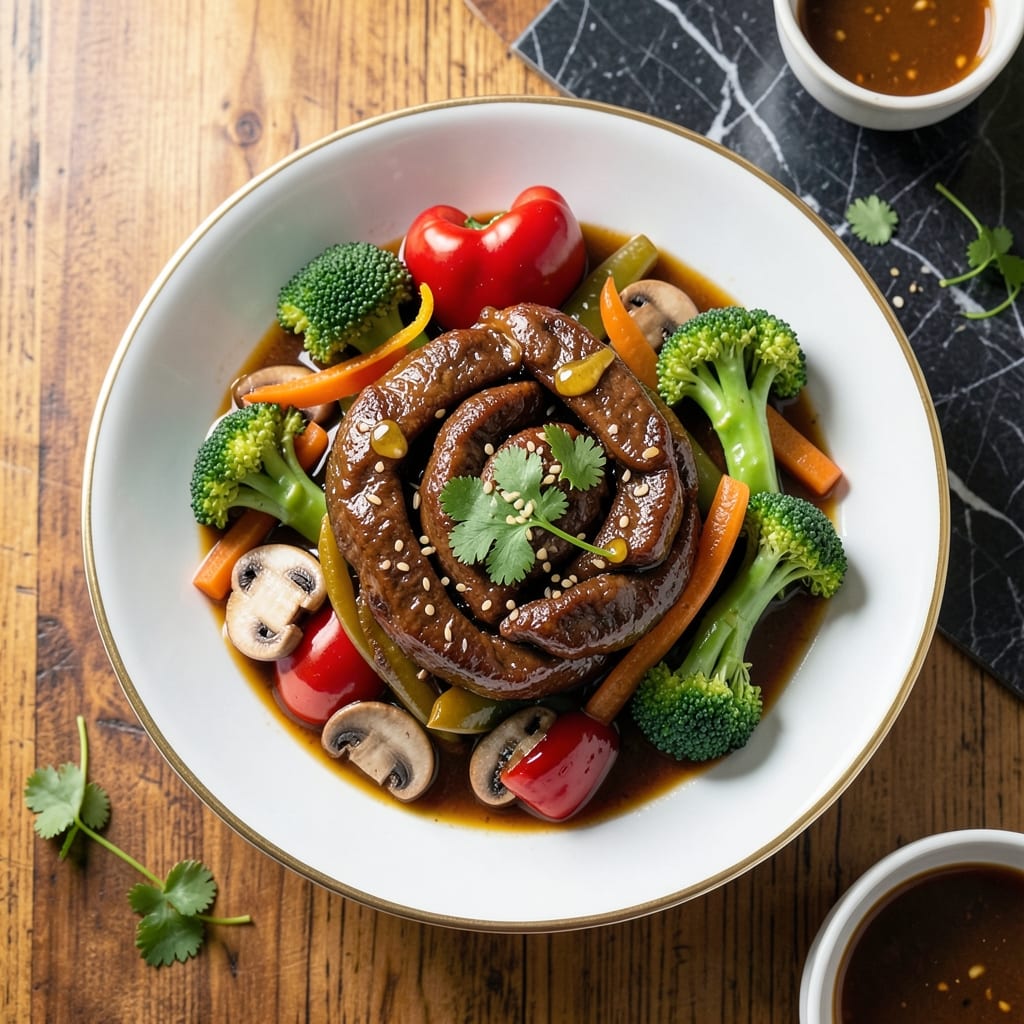
This beef and veggie stir-fry sauce recipe transforms ordinary stir-fry into a restaurant-quality meal with just 10 minutes of prep. The secret lies in balancing umami-rich soy sauce with sweet, tangy, and aromatic elements—garlic, ginger, and a touch of honey—that create a sauce so flavorful, it’ll make your taste buds sing. I developed this blend after years of testing, ensuring every spoonful delivers depth without overpowering the natural flavors of beef and vegetables.
The foundation of this sauce is a simple yet powerful combination: soy sauce for that signature umami kick, garlic and ginger for aromatic warmth, and a hint of sweetness from honey or brown sugar. What sets this apart is the optional addition of sesame oil and rice vinegar, which adds a nutty, bright finish that elevates the sauce from basic to extraordinary. The result? A glossy, cohesive sauce that clings perfectly to stir-fried beef and vegetables, infusing every bite with layers of flavor.
What makes this sauce truly special is its versatility—it works equally well with tender beef strips, crisp vegetables, or even tofu for a plant-based twist. The sauce keeps beautifully in the fridge for up to a week, so you can make a big batch and use it all week long. Whether you're cooking for a weeknight dinner or prepping for meal prep, this sauce is your secret weapon for adding restaurant-quality flavor to any stir-fry.
Ready to elevate your stir-fry game? This sauce is quick, easy, and packed with flavor—no fancy ingredients required. Let’s get started and turn your next stir-fry into a standout dish.
Ingredients for beef and veggie stir fry sauce
Nine simple ingredients create restaurant-quality stir-fry magic in minutes.
| Ingredient | Amount | Notes |
|---|---|---|
| Soy Sauce 🥢 | ½ cup | Use light or dark soy for balance |
| Honey 🍯 | ¼ cup | Or brown sugar for vegan option |
| Rice Vinegar 🍶 | ¼ cup | Seasoned works best for depth |
| Sesame Oil 🫒 | 1 tbsp | Toasted for nutty aroma |
| Garlic Cloves 🧄 | 6 cloves | Minced for aromatic punch |
| Fresh Ginger 🌿 | 2 tbsp | Grated, not powdered |
| Cornstarch 🌾 | 1 tbsp | For thickening consistency |
| Water 💧 | ¼ cup | Room temperature preferred |
| Red Pepper Flakes 🌶️ | ½ tsp | Adjust for heat preference |
| Salt 🧂 | ½ tsp | Kosher or sea salt |
The soy sauce is your umami anchor—Kikkoman or La Choy are my go-tos, but any quality brand works. Honey adds that perfect sweetness, but if you're vegan, brown sugar or maple syrup does the trick just as well. Fresh ginger and garlic are non-negotiable here; the powdered versions won't give you that bright, zesty punch. For the sesame oil, look for 100% pure, toasted sesame oil—the cheap stuff tastes like paint thinner. I always grab mine from Asian markets where they have it in small bottles for quick flavor tests.
No cornstarch? Arrowroot powder or tapioca starch works just as well in a pinch. Short on rice vinegar? Apple cider vinegar or white vinegar will work, but you'll need to add an extra teaspoon of sugar to balance the flavor. The red pepper flakes can be swapped for Sichuan peppercorns or cayenne if you're feeling adventurous. For extra depth, a splash of fish sauce or oyster sauce (if not avoiding seafood) adds another umami layer. And if you're making this for a crowd, double the batch—it keeps beautifully in the fridge for up to a week.
This sauce is all about balance, so taste as you go. Start with half the red pepper flakes, then adjust to your heat preference. The cornstarch slurry should be smooth—no lumps! If it thickens too much, just add a splash of water. Store it in an airtight container in the fridge, and it'll stay fresh for 7 days. Freezes beautifully too if you want to make a big batch for the week. Pro tip: Keep the sesame oil separate until you're ready to use it—it adds incredible aroma, but too much can overpower the other flavors.
Why You'll Love This Recipe
- Pantry Magic: Honestly, I keep this sauce on standby because it’s all pantry staples—no specialty trips. The honey and rice vinegar balance the soy’s saltiness so well, I’ve made it three nights in a row without repeating a meal.
- Garlic Bomb: Between us, the minced garlic cloves and sesame oil hit like a flavor grenade. That nutty, aromatic punch turns even the simplest stir-fry into something you’d order at a restaurant—no fancy techniques required.
- Leftover Hero: This sauce keeps for weeks in the fridge, and it’s the reason my beef and veggies taste fresh even after day three. Just reheat, toss, and boom—dinner’s saved. (Yes, even on a Tuesday night.)
- Budget Flex: I’ve used ground beef, flank steak, or even pre-cut veggies—it stretches my grocery bill without sacrificing taste. The sesame oil’s the only splurge, and a little goes a long way. Not the prettiest, but the taste makes up for it.
Step-by-step instructions for beef and veggie stir-fry sauce
This homemade stir-fry sauce delivers restaurant-quality depth in minutes—no shortcuts, just bold flavors.
Mince Garlic and Grate Ginger
Peel the 6 cloves garlic cloves and finely mince them using a sharp knife or food processor. You're aiming for a paste-like consistency—this ensures maximum flavor extraction. Set aside in a small bowl. Next, peel and grate the 2 tablespoons fresh ginger using a microplane or fine grater. The finer the texture, the better it will blend into the sauce without noticeable chunks.
I always taste the raw ginger and garlic at this stage—it's your baseline flavor profile before anything gets cooked. If it's too pungent, reduce slightly; if too mild, keep it all. Remember, this is the aromatic foundation of your sauce.
Combine Wet Ingredients
In a medium saucepan, whisk together the 0.5 cup soy sauce, 0.25 cup honey, 0.25 cup rice vinegar, and 1 tablespoon sesame oil. Heat over medium-low heat until the mixture reaches a gentle simmer—about 3-4 minutes. The honey will start to dissolve, and you'll notice a subtle aroma of toasted sesame from the oil.
This is where the sauce begins to marry its flavors. Watch carefully as it heats—if it starts to bubble vigorously, reduce the heat immediately. You want a controlled simmer, not a rapid boil that could cause separation later. Stir occasionally to prevent sticking.
Add Aromatics and Simmer
Add the minced garlic and grated ginger to the saucepan. Stir constantly for 2-3 minutes until the raw garlic smell disappears and you're left with a fragrant, aromatic base. The garlic should turn translucent, and the ginger will soften slightly. This step is crucial—undercooking leaves a harsh garlic taste, while overcooking burns the delicate flavors.
Next, stir in the 0.5 teaspoon red pepper flakes and 0.5 teaspoon salt. Let the mixture simmer for another 1-2 minutes to allow the spices to bloom. You'll notice the sauce darkening slightly and developing a rich, complex aroma. This is your signal that the flavors are melding beautifully.
Thicken the Sauce
In a small bowl, whisk together the 1 tablespoon cornstarch and 0.25 cup water until completely dissolved. This slurry is your thickening agent. Slowly pour it into the simmering sauce while stirring continuously with a wooden spoon. The sauce will begin to thicken almost immediately—keep stirring for 1-2 minutes until it reaches a glossy, coating consistency.
Here's the thing—if you add the slurry too quickly, you risk creating lumps. Pour it in a thin stream while stirring vigorously. The sauce should coat the back of a spoon and hold its shape when drizzled. If it's still too thin after 2 minutes, add another ½ teaspoon cornstarch mixed with 1 tablespoon water and repeat.
Finish and Test
Remove the sauce from heat and let it cool slightly—about 2 minutes. Taste and adjust the seasoning if needed. You might want to add a touch more soy sauce for saltiness, honey for sweetness, or rice vinegar for acidity. The sauce should balance all five flavors: sweet, salty, sour, umami, and a hint of heat.
For the best results, use the sauce immediately over your stir-fried beef and veggies. If storing, transfer to an airtight container and refrigerate for up to 5 days. When reheating, warm gently on the stove—never microwave directly, as it can make the sauce grainy. This homemade version beats store-bought every time—trust the process!
Pro Tips For Making Beef And Veggie Stir Fry Sauce
- Bloom the Garlic: Mince those cloves fine—think rice grains, not dice—and let them sit in the oil for 30 seconds before adding anything else. I used to rush this, and the garlic just burned into bitter oblivion. Give it time to soften and perfume the oil first.
- Balance the Honey: Start with half the honey called for, taste, then adjust. That sweetness needs to play nice with the tangy rice vinegar, not overpower it. I learned this the hard way after drowning a perfectly good stir-fry in cloying syrup.
- Warm the Sesame Oil: Heat the sesame oil low and slow—just until it shimmers, not smokes—before adding it to the sauce. Cold sesame oil tastes raw and harsh. A few seconds at the right temp makes all the difference in that nutty aroma.
- Salt the Soy Sauce: Skip the salted soy sauce unless you’re okay with a briny, one-note flavor. Use unsalted instead, and add a pinch of flaky sea salt after mixing everything else. Trust me, your stir-fry will thank you.
Dietary considerations for these flavors
Gluten-Free Swaps
Skip the soy sauce entirely and use tamari (gluten-free soy sauce) or a mix of coconut aminos and fish sauce for umami depth. I recommend San-J Tamari for its rich flavor. For sweetness, swap honey for maple syrup or agave nectar—both work beautifully and keep the sauce vegan-friendly. 🥄
Low-Sodium Options
Use low-sodium soy sauce (like Kikkoman Low Sodium) and reduce the salt to just ¼ teaspoon. Add extra rice vinegar for acidity to compensate for the reduced saltiness. For even more control, omit the salt entirely and rely on the natural flavors of garlic, ginger, and honey. Taste as you go—you might be surprised how balanced it can be! 🧂
Dairy-Free and Vegan
This sauce is already naturally dairy-free and vegan, but if you're avoiding honey, replace it with brown sugar or maple syrup. For extra richness, add 1 teaspoon of miso paste (white or red) to deepen the umami profile. I love Miso Master brand for its clean, fermented taste. Sesame oil remains a must—it adds that nutty aroma without any animal products. 🌱
Nut-Free Adaptations
Sesame oil is the only nut-related ingredient here, but you can easily replace it with avocado oil or neutral-tasting vegetable oil. While it won’t have the same toasty aroma, it keeps the sauce cohesive and safe for those with nut allergies. For extra depth, add a pinch of smoked paprika or garlic powder to mimic the nutty complexity. Always double-check labels if you're avoiding sesame too! 🌰
Keto-Friendly Tweaks
Skip the honey and replace it with monk fruit sweetener or erythritol to keep carbs low. Use coconut aminos instead of soy sauce for a lower-sodium, gluten-free option. The cornstarch can be swapped for xanthan gum (just ¼ teaspoon) for thickening without carbs. This version is still packed with flavor but fits perfectly into a low-carb lifestyle. 🥑
Allergen-Friendly Notes
For soy allergies, replace soy sauce with coconut aminos or a mix of fish sauce and rice vinegar. If sesame is an issue, use avocado oil as mentioned earlier. Always check labels on honey for trace allergens if needed. The good news? This sauce is naturally free from the top allergens—just adapt the ingredients as needed. Safety first, flavor second! 🛡️
Nutrition facts
Frequently asked questions
Can I make this sauce without cornstarch?
Yes! If you don't have cornstarch, use arrowroot powder or tapioca starch in the same amount. For a grain-free option, try 1 teaspoon xanthan gum mixed with 2 tablespoons water—it thickens beautifully without gluten. Just remember, these alternatives may require slightly longer simmering for proper thickening.
How do I prevent the sauce from getting too thick?
If your sauce thickens too much, simply stir in 1-2 tablespoons warm water while it cools. For future batches, reduce the cornstarch by ½ teaspoon or simmer for 30 seconds less after adding the slurry. The key is patience—let it thicken gradually over 1-2 minutes of gentle stirring.
What's the best way to store leftover sauce?
Transfer to an airtight container and refrigerate for up to 5 days. For longer storage, freeze in ice cube trays—thaw overnight in the fridge before using. When reheating, warm gently on the stove over low heat while stirring constantly. Never microwave directly, as it can make the sauce grainy.
Can I use this sauce for other proteins besides beef?
This sauce works perfectly with chicken, shrimp, tofu, or pork. For seafood, reduce the red pepper flakes to ¼ teaspoon to avoid overpowering delicate flavors. With tofu, add 1 teaspoon miso paste for extra umami depth. The balance of sweet, salty, and tangy flavors makes it incredibly versatile.
Why does my sauce taste too salty?
Most likely, your soy sauce was high in sodium. Next time, use low-sodium soy sauce and reduce the salt to ¼ teaspoon. For immediate fixes, stir in 1-2 teaspoons honey or rice vinegar to balance the saltiness. Taste as you go—this sauce is all about finding that perfect harmony of flavors!