
Soups & Stews
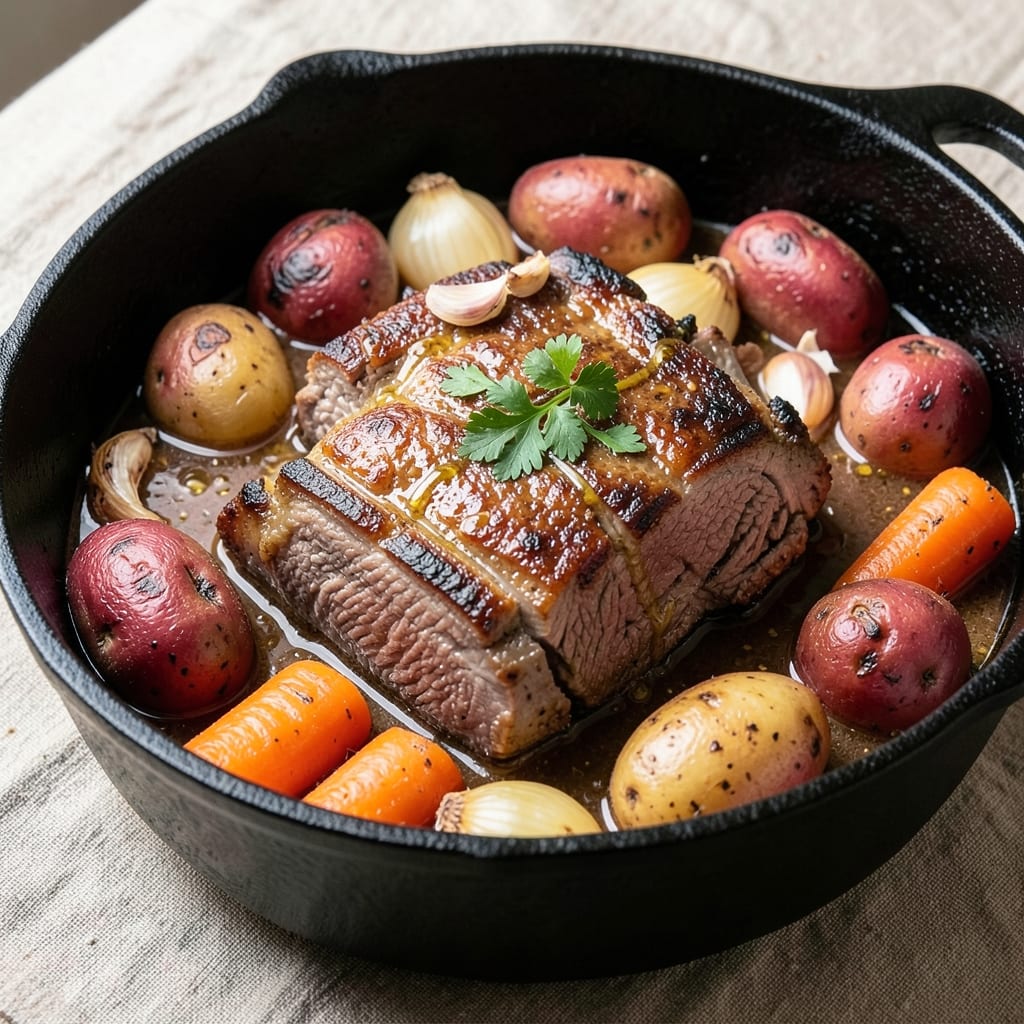
This beef anyhow recipe brings Southern comfort to your slow cooker with tender beef, hearty root vegetables, and a rich, savory broth that tastes like home. Born from resourceful cooking traditions, this one-pot stew transforms tough cuts into melt-in-your-mouth perfection through slow, even cooking. The beauty lies in its simplicity—just a few ingredients simmered together until flavors meld into something deeply satisfying.
The magic happens when tough beef shoulder breaks down into fork-tender chunks alongside potatoes, carrots, and onions, all bathed in a deeply flavorful broth. This traditional Southern dish was designed to stretch ingredients without sacrificing taste, making it a staple for family dinners and potlucks alike. The slow-cooking process ensures every bite is infused with rich, caramelized flavors that develop over hours, not minutes.
What you'll end up with is a hearty, rustic stew that's perfect for cold evenings or gatherings—warm, comforting, and packed with texture. The potatoes become creamy, the beef falls apart easily, and the vegetables retain just enough bite to balance the dish. It's the kind of meal that disappears quickly, leaving everyone asking for seconds.
Optional additions like tomatoes or beans can customize the stew to your family's preferences, but the classic version delivers all the warmth and satisfaction of a true Southern classic. Ready in just a few hours with minimal effort, this recipe proves that some of the best meals require patience and love—not complicated techniques.
Ingredients for beef anyhow
Six hearty ingredients that transform tough beef into melt-in-your-mouth comfort.
| Ingredient | Amount | Notes |
|---|---|---|
| Beef Chuck Roast 🥩 | 3 lb | Bone-in for best flavor |
| Yellow Onions 🧅 | 2 whole | Cut into large chunks |
| Carrots 🥕 | 4 whole | Medium size, peeled |
| Russet Potatoes 🥔 | 3 lb | Cut into 2-inch chunks |
| Garlic Cloves 🧄 | 6 cloves | Crushed or smashed |
| Beef Broth 💧 | 4 cups | Low-sodium preferred |
| Tomato Paste 🍅 | ½ cup | Or 1 tbsp ketchup |
| Apple Cider Vinegar 🍎 | 2 tbsp | For tangy depth |
| Kosher Salt 🧂 | 1 ½ tsp | Adjust to taste |
| Ground Black Pepper 🌶️ | 1 tsp | Freshly cracked |
| Dried Thyme 🍃 | 1 tsp | Or 1 tbsp fresh |
| Bay Leaves 🌿 | 2 whole | Remove before serving |
| Olive Oil 🫒 | 2 tbsp | For searing beef |
The beef is everything here—chuck roast with bone-in gives the best flavor. Grab the pre-cut chuck roast from the butcher section if you're short on time, but if you're feeling ambitious, a whole roast lets you trim the fat yourself. Costco or local butchers usually have the best prices for larger cuts. Potatoes should be firm and unbruised—Russets or Yukon Golds work perfectly. Carrots can be any color, but orange ones are the most common. The key is to use fresh, starchy potatoes that'll break down beautifully during cooking.
No beef broth? Water plus a bouillon cube works in a pinch, but it won't taste the same. Fresh thyme is ideal, but dried works at one-third the amount. If tomato paste feels like overkill, a handful of crushed tomatoes or even a splash of ketchup will add that tangy depth. The vinegar is non-negotiable—it cuts through the richness and adds that classic Southern tang. Apple cider vinegar has the best flavor, but white vinegar works too. For extra richness, add a splash of heavy cream at the end if you're serving it with bread.
This stew tastes even better the next day, so make a double batch if you can. Store leftovers in the fridge for 4-5 days or freeze for 3 months—it reheats beautifully. I always portion mine into containers for easy lunches. The flavors develop more overnight, so if you can wait, do it. For serving, a sprinkle of fresh parsley brightens it up, and crusty bread soaks up every last bit of that rich broth.
Why You'll Love This Recipe
- One-Pot Magic: I swear by this recipe because it’s literally dump-and-go. Chuck roast, potatoes, onions, carrots—just toss them in a pot with garlic and broth, then let it simmer. No fancy techniques, no last-minute chopping frenzy. My lazy Sundays thank me.
- Caramelized Crunch: Between us, the onions and carrots get deeply browned at the bottom—like a sweet, smoky hug for every bite. That crispy edge with the creamy potatoes? It’s the kind of flavor that makes you slow down mid-bite.
- Leftovers for Days: This recipe begs to be made in bulk. The beef gets more tender with each reheat, and the potatoes soak up all the juices. I’ve fed a houseful of teenagers with it—no complaints, just empty plates.
- Budget Hero: A chuck roast stretches farther than you’d think, and potatoes/onions/carrots are the kind of veggies that won’t break the bank. Honestly, it’s my go-to when I need a hearty meal without the grocery shock. Plus, it tastes fancy enough to impress.
Step-by-step instructions for beef anyhow recipe
Here's how to make this hearty stew that turns tough beef into tender perfection.
Sear the Beef Chuck Roast
Heat a large Dutch oven over medium-high heat and add the 2 tablespoons olive oil. Once the oil shimmers, place the 3 lb beef chuck roast in the pot, fat-side down. Let it sear undisturbed for 4-5 minutes until a deep golden brown crust forms. This step creates incredible flavor through the Maillard reaction.
Flip the beef and sear the other side for another 3-4 minutes until browned. Remove the beef from the pot and set it aside on a plate. You'll notice the meat releases easily when it's properly seared—this means it's ready for the long cook ahead. Don't worry if it looks undercooked; the slow cooking will finish it perfectly.
Sauté the Vegetables
In the same Dutch oven, add the 2 whole yellow onions cut into large chunks and the 4 whole carrots cut into 2-inch pieces. Cook them for 5-6 minutes until they begin to soften and turn golden in spots. You want them to caramelize slightly for maximum flavor.
Add the 6 cloves garlic cloves that have been crushed or smashed, and cook for another 30 seconds until fragrant. Be careful not to burn the garlic—it should smell amazing but not bitter. Stir everything together and let it cook for 1 minute to combine all the flavors in the pot.
Build the Flavor Base
Pour in the 4 cups beef broth and scrape up any browned bits from the bottom of the pot with a wooden spoon. These bits are packed with flavor and will enrich your stew. Add the 0.5 cup tomato paste, 2 tablespoons apple cider vinegar, 1.5 teaspoons kosher salt, 1 teaspoon ground black pepper, and 1 teaspoon dried thyme. Stir everything together well.
Return the seared beef to the pot along with the 3 lb russet potatoes cut into 2-inch chunks. Add the 2 whole bay leaves and bring the mixture to a gentle boil. Once boiling, reduce the heat to low and cover the pot with a tight-fitting lid. This is where the magic happens—your stew will slowly cook and develop deep, rich flavors.
Slow Cook Until Tender
Let the stew simmer gently for 2.5 to 3 hours on the stovetop, or until the beef is fork-tender and easily pulls apart. The potatoes should be soft enough to pierce with a fork, and the carrots should be tender. You'll know it's ready when the beef releases from the bone with minimal effort.
I like to check the stew after 2 hours to make sure it's not drying out. If it looks too thick, add a little more beef broth or water to keep it moist. The stew should have a rich, savory aroma that fills your kitchen—this is your cue that it's coming along perfectly. Don't lift the lid during cooking to avoid losing heat and steam.
Finish and Serve
Once the beef is tender, remove the bay leaves and discard them. Taste the stew and adjust the seasoning if needed—you might want to add a little more salt or pepper to suit your preference. The stew should be rich, savory, and perfectly balanced with the tangy notes from the apple cider vinegar.
Serve the beef anyhow hot, straight from the pot, with crusty bread or over buttered noodles. Each bite should be packed with tender beef, flavorful vegetables, and a rich, hearty sauce. This dish tastes even better the next day as the flavors continue to meld together, so make extra if you can!
Pro Tips For Making Beef Anyhow
- SEAR THE CHUCK FIRST: Walk away and let that beef chuck roast brown for a full 10 minutes on each side—no peeking—until it’s deep, dark, and crusty. I learned this the hard way: rushing it just gives you gray meat instead of flavor bombs that’ll melt into the potatoes later.
- CUT POTATOES UNIFORM: Use a mandoline if you’re impatient, but if you’re chopping by hand, aim for 1-inch chunks cut into consistent shapes. Uneven pieces mean some potatoes turn to mush while others stay rock-hard—no one wants that texture fight at the table.
- ADD GARLIC LATE: Toss the whole garlic cloves in with the onions and carrots early, but if you’re using minced garlic, wait until the last 15 minutes of cooking. Burnt garlic is a crime, and you don’t want that bitter punch ruining the dish.
- STIR THE POTATOES: After the first hour of simmering, give those russets a good stir to break up any clumps and let them soak up the beefy juices. I skip this sometimes, and the potatoes end up sitting in a pool of their own starch—no thanks.
Make-ahead tips for this dish
Prep Ahead for Perfection
I always prep the beef and vegetables the night before—this stew tastes even better with overnight flavor development. Sear the beef chuck roast and store it in the fridge in a sealed container. Chop the onions, carrots, and potatoes, then store them in separate airtight containers. This saves you 20-30 minutes of prep time on cooking day. 💡
Slow Cooker Adaptation
For hands-off cooking, transfer the seared beef and sautéed vegetables to a 6-quart slow cooker. Add all remaining ingredients and cook on LOW for 8 hours or HIGH for 5-6 hours. The slow cooker maintains consistent temperature, ensuring tender beef without monitoring. Just press START in the morning and come home to a ready meal. 🌡️
Freezer-Friendly Components
Freeze the fully assembled stew (before cooking) in a quart-sized freezer bag for up to 3 months. Thaw overnight in the fridge, then transfer to a pot and simmer for 1.5-2 hours on the stovetop. The texture holds up beautifully—just add a splash of broth if it seems dry after thawing. Perfect for busy weeks! ❄️
Vegetable Swaps
Pre-chop extra vegetables and store them in the fridge for future meals. Swap carrots for turnips or parsnips, or add celery and bell peppers for extra crunch. I keep a stash of prepped veggies in my freezer—just toss them in raw when ready to cook. This keeps your pantry organized and meals flexible. 🥕
Broth Boost
Make a big batch of beef broth from your seared beef bones and store it in 2-cup portions in the freezer. Use it later for this recipe or other stews. The broth gains deeper flavor over time—simmer the bones with aromatics for 4-6 hours before straining. Label containers with dates to track freshness. 💧
Portion Control
Divide the cooked stew into 1-cup portions before freezing for easy reheating. Store in glass containers with tight lids to prevent freezer burn. When ready to eat, thaw overnight in the fridge and reheat on the stovetop with ½ cup water to restore moisture. This makes weekday lunches a breeze! 📅
Nutrition facts
Frequently asked questions
What makes this beef stew different from other Southern beef recipes?
This stew stands out because it's designed to use any available ingredients—hence the name "beef anyhow." Unlike traditional beef stews with precise ingredient lists, it's built around tough beef cuts that become tender through slow cooking. The apple cider vinegar and tomato paste create that signature tangy depth, while the potatoes and carrots add hearty texture. It's essentially a resourceful, one-pot meal that stretches ingredients without sacrificing flavor.
Can I use a different cut of beef instead of chuck roast?
While chuck roast is ideal for its fat content and flavor, you can substitute with brisket, short ribs, or even stew meat. The key is choosing a cut with good marbling—fat keeps the meat moist during slow cooking. If using leaner cuts, add an extra 1 tablespoon olive oil when searing to compensate. Bone-in cuts work best for maximum flavor.
How do I know when the beef is fully tender?
The beef is ready when it easily separates with a fork and pulls apart into shreddable chunks. For a quick test, pierce the largest piece with a fork—if it slides in effortlessly, it's done. The potatoes should be fork-tender too, though slightly firm. If you're unsure, let it cook 15-30 minutes longer—the stew will only get better as flavors meld.
What's the best way to reheat leftovers?
Reheat leftovers in a pot over medium-low heat with ½ cup beef broth or water to restore moisture. Stir occasionally and simmer for 10-15 minutes until heated through. For microwave reheating, cover with a damp paper towel and heat in 1-minute intervals, stirring between each. The stew tastes even better reheated—flavors deepen overnight!
Can I make this in an Instant Pot?
Yes! Sear the beef and sauté vegetables as directed, then transfer everything to your Instant Pot. Add all remaining ingredients and cook on HIGH pressure for 60 minutes, followed by a 10-minute natural release. The Instant Pot's pressure cooking creates tender beef in about half the time. Just check for doneness after the release—you may need to shred the beef further if it's still slightly firm.