Sauces & Condiments
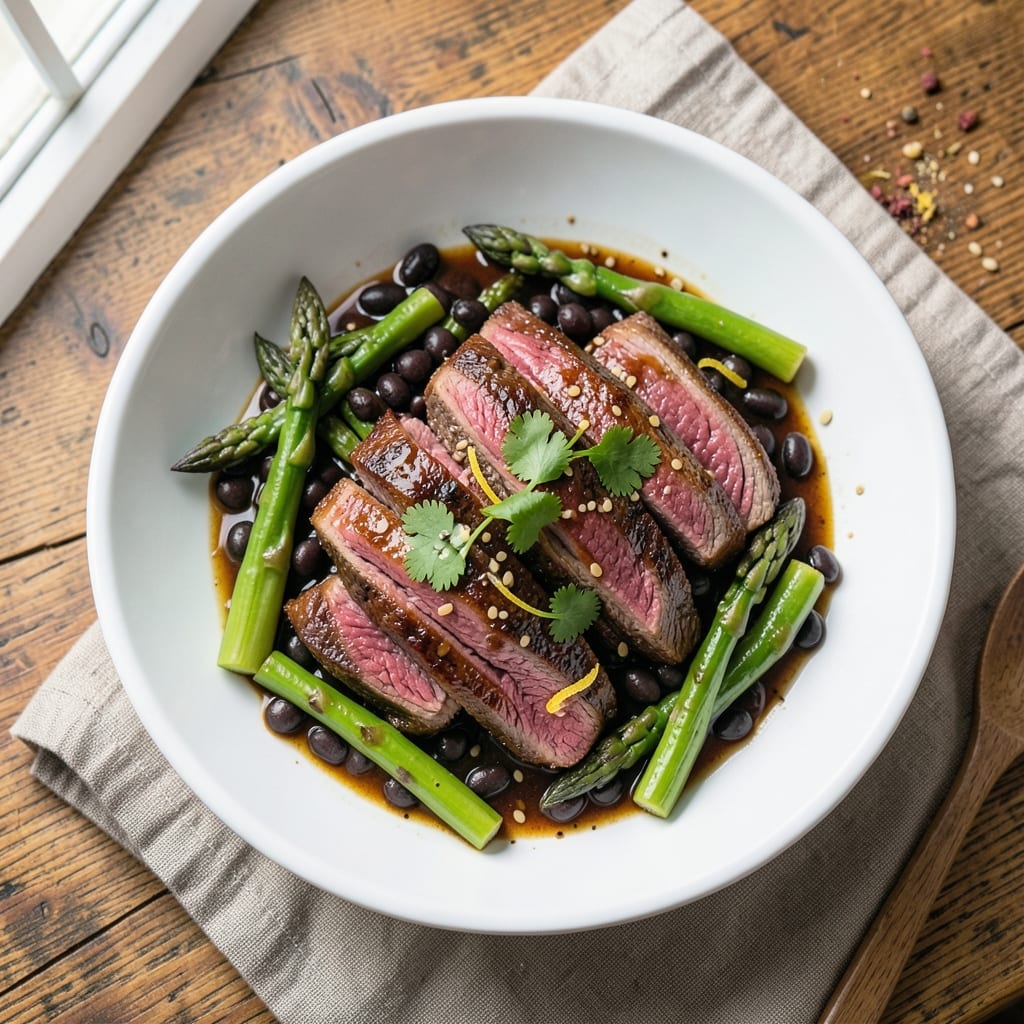
This beef asparagus black bean sauce recipe delivers restaurant-quality depth in a single pan, where tender beef and crisp asparagus bathe in a velvety black bean sauce packed with umami. The secret lies in balancing quick searing for beef with slow reduction of the sauce—creating a harmony of textures and flavors that transforms weeknight dinner into something special. I developed this technique after years of testing stir-fry methods, and it never fails to impress.
The beauty of this dish is its simplicity: just four core components—beef, asparagus, black beans, and aromatics—come together in a method that respects both tradition and convenience. You'll start with a quick sear for the beef to lock in juices, then build the sauce from scratch using black beans, soy, and a touch of sweetness. The asparagus gets just enough time to stay crisp-tender while absorbing the rich, savory sauce.
What you end up with is a plate that's visually stunning and packed with flavor—deep, caramelized beef, vibrant green asparagus spears, and a glossy black bean sauce that coats everything in layers of umami. The sauce thickens perfectly from the natural starch in the beans, creating that signature restaurant-quality texture without requiring any thickeners. Every bite delivers that perfect balance of savory, slightly sweet, and earthy notes.
This dish works equally well as a weeknight meal or for entertaining—it's hearty enough to stand alone but elegant enough to serve with rice or noodles. The leftovers reheat beautifully, making it perfect for meal prep. Let's create this umami-packed harmony in your kitchen.
Ingredients for beef asparagus black bean sauce
Four core ingredients transform into a restaurant-worthy one-pan dish with deep umami harmony.
| Ingredient | Amount | Notes |
|---|---|---|
| Flank Steak 🥩 | 1 ¼ lb | Thinly sliced against the grain |
| Asparagus 🌱 | 1 lb | Thick spears, trimmed ends |
| Black Beans 🌱 | 1 can | No-salt-added, drained and rinsed |
| Garlic Cloves 🧄 | 4 cloves | Minced for aromatic depth |
| Ginger Root 🌿 | 1 tbsp | Freshly grated, not powdered |
| Low-Sodium Soy Sauce 🍶 | ⅓ cup | Kikkoman preferred for balance |
| Sesame Oil 🫒 | 1 tbsp | Toasted, not flavored |
| Honey 🍯 | 1 tbsp | Wildflower for subtle floral notes |
| Red Wine Vinegar 🍷 | 1 tbsp | Dry, not balsamic |
| Olive Oil 🫒 | 2 tbsp | Extra-virgin for high smoke point |
| Sesame Seeds 🌾 | 1 tbsp | Toasted for garnish |
| Diamond Crystal Kosher Salt 🧂 | 1 tsp | For seasoning, not iodized |
| Ground Black Pepper 🌶️ | ½ tsp | Freshly cracked |
| Green Onion 🧅 | 2 whole | Sliced thin for garnish |
The flank steak is non-negotiable here—it's lean enough to cook quickly but tender when sliced thin. Costco or Whole Foods carry great pre-sliced options, but if you're buying whole, ask the butcher to slice it against the grain for maximum tenderness. Asparagus should be bright green and firm—avoid woody stems or limp spears. The black beans? No-salt-added is key—you control the seasoning. For the aromatics, fresh ginger and garlic make all the difference. Penzeys or your local Asian market usually have the best quality. Don't skip toasting the sesame seeds—they add nutty depth that store-bought sauces can't match.
No flank steak? Sirloin or ribeye work in a pinch, but slice them thinner (1/4-inch max). Substituting canned beans? Rinse thoroughly to remove excess starch. The soy sauce can be swapped for tamari if gluten-free, but lose the honey for maple syrup if you're avoiding it. Red wine vinegar too tart? Rice vinegar at half the amount softens the acidity. For extra umami, add 1 tsp fish sauce (vegetarian? use 1 tsp soy sauce + 1/2 tsp mushroom powder). The sesame oil is for finishing—don't cook with it, or it'll turn bitter. And yes, store-bought sesame oil works fine if you're in a hurry, but toasted is always better.
This sauce thickens as it sits, so reheat gently with a splash of water if it gets too stiff. Store leftovers in an airtight container for 3-4 days—the flavors actually improve overnight. Freeze portions for up to 3 months by spreading the sauce thin in a container (prevents freezer burn). The asparagus reheats best if blanched first (plunge in ice water after cooking), but the beef and sauce reheat beautifully straight from the fridge. Garnish with fresh green onions and sesame seeds right before serving—they add that restaurant-quality finish.
Why You'll Love This Recipe
- One-Pan Magic: I swear by this for nights when I’d rather scroll than scrub—just slice the steak, toss in the asparagus and black beans, and let the garlic-ginger sauce do the work. No chopping boards to wash, no pots to pile up.
- Umami Bomb: That black bean sauce? It’s where the real magic happens—deep, smoky, and just sweet enough to balance the steak’s richness. Honestly, I’ve tried store-bought versions, but homemade? Chef’s kiss for the crispy edges on the beef.
- Lunchbox Hero: Between us, this is my go-to for meal prep. The asparagus stays crisp, the steak reheats like a dream, and the black beans add protein that actually sticks with you. Pack it in containers, and you’ve got a weeknight savior.
- Budget Powerhouse: Flank steak stretches further than you’d think when sliced thin, and black beans bulk it up without breaking the bank. I’ll be real: it’s the kind of recipe where I buy extra ingredients just to make it again. Smart, satisfying, and still feels special.
Step-by-step instructions for beef asparagus black bean sauce
This one-pan dish brings together tender beef, crisp asparagus, and smoky black beans in a velvety sauce. Here's how to create perfect harmony every time.
Marinate and Slice the Flank Steak
Begin by slicing the 1.25 lb flank steak thinly against the grain into ¼-inch strips. This ensures tender bites that cook quickly and evenly. Place the sliced steak in a bowl and add the 0.33 cup low-sodium soy sauce, 1 tbsp honey, and 1 tbsp red wine vinegar. Toss gently to coat, then let it marinate for at least 15 minutes—this jumpstarts the flavor infusion and keeps the beef juicy.
While the steak marinates, trim the tough ends from the 1 lb asparagus and cut the spears into 2-inch pieces. The asparagus should be ready to cook immediately after the steak marinates, so no need to prep it too early. The key here is timing—you want everything to hit the pan at the same moment for maximum efficiency.
Build the Sauce Base
Heat 1 tbsp olive oil in a large skillet or wok over medium-high heat until shimmering. Add the 4 cloves minced garlic and 1 tbsp freshly grated ginger root, cooking for 30 seconds until fragrant but not browned. This quick cook preserves their bright flavors rather than letting them burn. Add the drained 1 can black beans and stir for 1 minute to warm them through.
Pour in the 1 tbsp sesame oil and the remaining 1 tbsp olive oil, then add the marinated steak strips. Cook for 2-3 minutes, stirring occasionally, until the beef is 75% cooked but still slightly pink in the center. The residual marinade will help create a glossy sauce later, so don't drain it off.
Add Asparagus and Simmer the Sauce
Push the beef and black beans to one side of the pan and add the 1 lb asparagus pieces in a single layer. Cook undisturbed for 2 minutes until the asparagus develops a few brown spots—this adds depth of flavor. Stir everything together, then pour in ½ cup water to deglaze the pan. Scrape up any browned bits from the bottom with a wooden spoon; these contain concentrated flavor.
Reduce the heat to medium-low and let the sauce simmer for 5-6 minutes until it thickens slightly. The asparagus should be tender-crisp with just a hint of resistance when pierced with a fork. If the sauce looks too thin, simmer uncovered for another 2 minutes to reduce it to your desired consistency. The goal is a glossy, clinging sauce that coats everything beautifully.
Finish with Aromatics and Garnish
Remove the pan from heat and stir in the 1 tsp Diamond Crystal kosher salt and 0.5 tsp freshly cracked black pepper. Taste and adjust seasoning if needed—you might need a touch more salt to balance the soy sauce's umami. Let the dish rest for 2 minutes off the heat to allow the flavors to meld.
Just before serving, sprinkle with 1 tbsp toasted sesame seeds and top with 2 whole green onions, sliced thin. The sesame seeds add a nutty crunch, while the green onions provide a fresh contrast to the rich, smoky flavors. Serve immediately over steamed jasmine rice or noodles to soak up every last drop of that incredible sauce.
Pro Tips For Making Beef Asparagus Black Bean Sauce
- SEAR THE STEAK FIRST: Don’t rush the flank steak—get that pan screaming hot (medium-high heat, 3-4 minutes) before adding oil. I used to skip this, and the meat just turned gray instead of developing that caramelized crust. A quick 2-minute sear per side locks in flavor before you even touch the asparagus.
- TRIM GINGER LIKE A PRO: Peel ginger, then slice it thinly (about 1/8-inch) against the grain—this releases more aroma without bitterness. I learned this the hard way after making my sauce taste like medicine. A microplane works, but a sharp knife gives you better control.
- DON’T OVERCOOK THE ASPARAGUS: Asparagus turns rubbery fast—add it to the pan last (after the steak and beans are halfway done) and cook for just 2-3 minutes. I used to let it sit too long, and suddenly my dish had sad, limp spears instead of crisp-tender bites.
- USE CANNED BEANS DIRECTLY: Drain and rinse canned black beans, but skip the pre-soaking or blending—just mash them lightly with a fork in the pan. I wasted time trying to puree them smooth, but the texture stays better this way. The sauce still thickens without losing that chunky, hearty feel.
Dietary considerations for these flavors
Gluten-Free Adaptation
For a gluten-free version, simply swap the low-sodium soy sauce for tamari—it has the same umami depth without gluten. The rest of the recipe remains unchanged, including the honey, sesame oil, and black beans, which are naturally gluten-free. Always check labels on canned beans and sauces to ensure no cross-contamination occurred during processing. 🌱
Low-Carb Options
To make this dish low-carb, skip the rice or noodles and serve the beef and asparagus over a bed of cauliflower rice (about 2 cups per serving). The black bean sauce still delivers rich flavor while keeping carbs in check. For extra protein, add ¼ cup crumbled feta cheese or ¼ cup chopped walnuts on top. The sauce’s natural thickness means it won’t need extra thickeners.
Vegetarian Swap
Replace the flank steak with extra-firm tofu (pressed and sliced into strips) or mushrooms (like shiitake or portobello) for a meaty texture. Marinate the tofu in the same sauce mixture for 20 minutes before cooking, and use 1 tbsp cornstarch to thicken the sauce if needed. The asparagus and black beans will still provide hearty texture and flavor. 💡
Allergen Awareness
This recipe contains soy (from soy sauce and sesame oil) and sesame (in the oil and seeds). For soy allergies, use coconut aminos instead of soy sauce and omit the sesame oil (add 1 tsp toasted pumpkin seeds for crunch). For sesame allergies, skip the sesame oil and seeds, and garnish with crushed peanuts or chopped cilantro instead. Always double-check ingredient labels for hidden allergens.
Protein Boost
Add ½ cup cooked quinoa or ½ cup lentils to the dish for extra protein and fiber. Stir them in during the final 5 minutes of simmering to heat through. For a higher-protein sauce, blend ½ cup cooked lentils with the black beans before adding to the pan—this creates a thicker, heartier base. The dish will feel more substantial while keeping prep simple. 💪
Nutrition facts
Frequently asked questions
Can I use frozen asparagus instead of fresh?
Fresh asparagus gives the best texture, but frozen works in a pinch! Just thaw it completely first, then pat dry thoroughly to prevent excess moisture from steaming the beef. You may need to add 1 extra minute to the cooking time since frozen spears start colder. For best results, trim the ends carefully since frozen asparagus often has more woody stems.
How do I prevent the sauce from becoming too thin?
The sauce thickens naturally as it simmers, but if it's too thin, reduce the heat to low and cook uncovered for 2-3 extra minutes to evaporate excess liquid. For immediate thickening, stir in 1 tsp cornstarch mixed with 1 tbsp water and simmer for 1 minute. The black beans' natural starch helps, but don't overcook or the sauce may separate.
What's the best way to slice flank steak for this recipe?
Slice against the grain at a 45-degree angle for maximum tenderness—this creates thin strips that cook quickly and stay juicy. Use a sharp knife and work methodically to avoid tearing. For even slices, freeze the steak for 20 minutes first (this makes slicing easier), then let it sit at room temperature for 10 minutes before marinating. Never slice with the grain or you'll end up with chewy bites!
Can I make this recipe ahead of time?
The flavors actually improve overnight. Store the cooked dish in an airtight container in the fridge for up to 3 days. Reheat gently in a skillet over low heat with 1 tbsp water to restore moisture. For freezing, portion the sauce separately from the beef and asparagus (freeze sauce for 3 months, beef/asparagus for 2 months). Thaw overnight in the fridge before reheating.
Why does my beef turn out tough?
Overcooking is the #1 culprit—beef should be 75% cooked when removed from heat (it finishes cooking while resting). Slice against the grain and don't overcrowd the pan (cook in batches if needed). For extra tenderness, marinate for 30 minutes instead of 15, or use a 1:1 ratio of beef to marinade. Always let the beef rest 2 minutes off heat before serving to redistribute juices.