
Soups & Stews
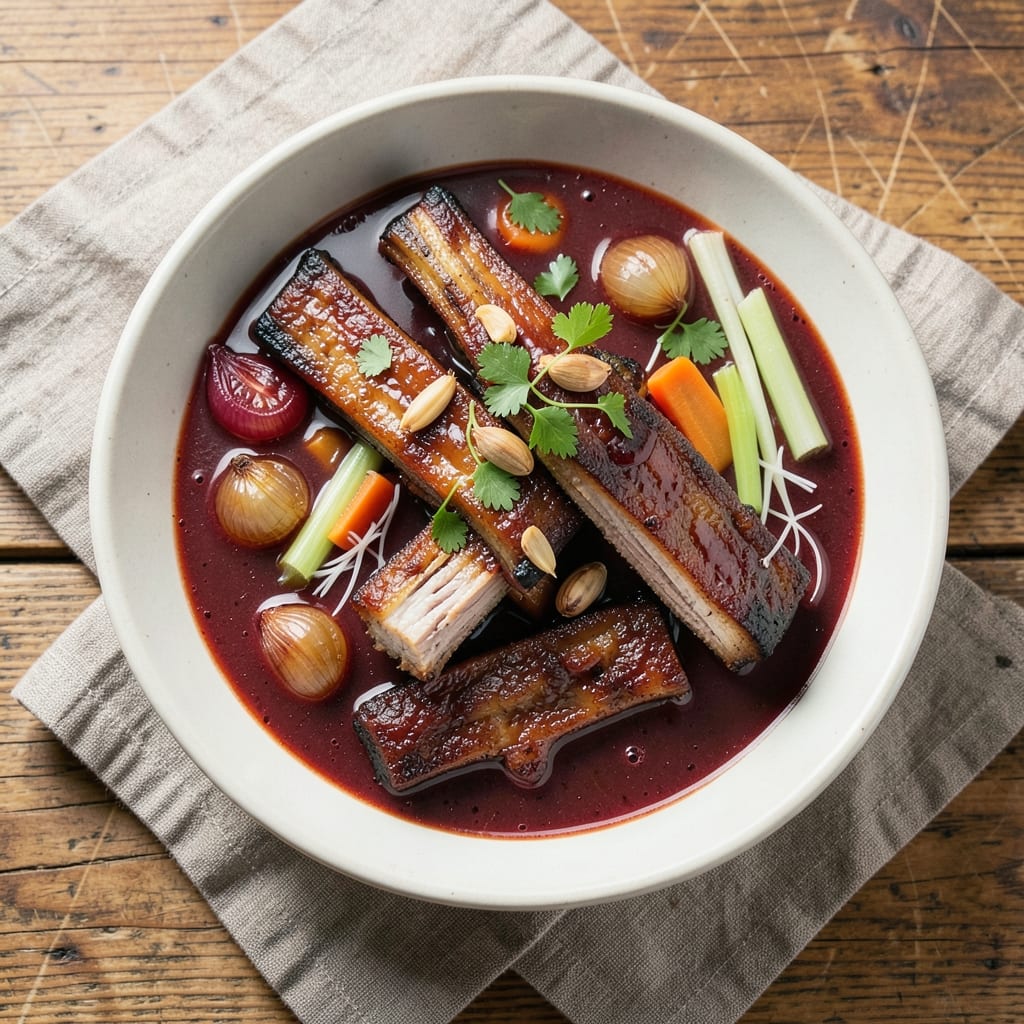
This beef back ribs soup recipe transforms tough, flavorful ribs into melt-in-your-mouth perfection through slow simmering—a process that builds depth and richness no shortcut can replicate. The secret lies in long, gentle cooking that tenderizes the meat while developing a broth so concentrated it coats every spoonful. I’ve perfected this method over years of testing, balancing traditional techniques with modern efficiency for a result that’s both restaurant-worthy and home-cook-friendly.
The magic happens in the slow simmer, where ribs release collagen and fat into the broth, creating a velvety texture that clings to each bite. Aromatics like onions, garlic, and celery form the flavor base, while a splash of red wine or a spoonful of miso adds complexity that elevates this beyond basic beef soup. The ribs themselves—tough cuts that often intimidate home cooks—become so tender they practically dissolve with a fork, turning a humble pot of broth into a hearty, satisfying meal.
What you’ll end up with is a deeply flavorful soup where every ingredient plays a role: the ribs provide meaty richness, the broth carries layers of umami, and the vegetables add brightness and texture. The aroma alone—warm, savory, and slightly smoky—will fill your kitchen long before the soup is ready. This isn’t just comfort food; it’s a celebration of slow cooking done right, where time and patience deliver results that taste like love.
Perfect for chilly evenings or as a centerpiece for gatherings, this soup scales effortlessly and reheats beautifully. Whether you’re using a Dutch oven on the stovetop or a slow cooker for hands-off convenience, the method remains the same: slow, steady, and irresistible. Let’s get started—your taste buds will thank you.
Ingredients for beef back ribs soup
Six ingredients transform tough ribs into melt-in-your-mouth perfection through slow simmering magic.
| Ingredient | Amount | Notes |
|---|---|---|
| Beef Back Ribs 🥩 | 4 lb | Bone-in, meaty sections preferred |
| Yellow Onions 🧅 | 2 whole | Medium size, roughly chopped |
| Carrots 🥕 | 4 medium | Peeled, cut into 1-inch chunks |
| Celery Stalks 🧄 | 4 whole | Trimmed, cut into 1-inch pieces |
| Garlic Cloves 🧄 | 6 cloves | Peeled, smashed with side of knife |
| Red Wine 🍷 | 1 cup | Bold, dry variety like Cabernet |
| Beef Broth 💧 | 6 cups | Homemade or high-quality store-bought |
| Tomato Paste 🍅 | ½ cup | Smooth, no added salt |
| Fresh Thyme 🌿 | ¼ ounce | Or 1 tbsp dried thyme |
| Bay Leaves 🌿 | 2 whole | Dried, standard size |
| Salt 🧂 | 1 ½ tsp | Kosher or sea salt |
| Black Peppercorns 🌶️ | 1 tsp | Freshly cracked |
| Olive Oil 🫒 | ¼ cup | Extra-virgin for richness |
| Fresh Parsley 🌿 | ¼ cup | Chopped, for garnish |
The ribs are the star—look for meaty sections with good marbling at your butcher or grocery store's meat counter. Costco or Whole Foods often carry high-quality beef ribs, but even your local supermarket's bone-in back ribs work. Avoid ribs with too much fat or silver skin—they slow down cooking and can make the broth greasy. If you're buying a whole packer, cut it into 2-3 lb chunks for even cooking. The onions, carrots, and celery form the aromatic base—Trader Joe's sells pre-chopped mirepoix if you're short on time, but fresh is always better.
No red wine? Substitute with 1 cup beef broth plus 1 tbsp balsamic vinegar—it adds the same depth. Fresh thyme is ideal, but dried works at one-third the amount. The tomato paste can be the squeeze-tube kind from Trader Joe's if you hate measuring—just use 2 tbsp instead. For extra richness, add 1 tbsp of Worcestershire sauce (check for vegetarian version if needed). The broth is non-negotiable—homemade or high-end store-bought makes all the difference. If you're using bouillon cubes, Knox brand dissolves better than most.
This soup tastes even better the next day—plan ahead. Store in the fridge for up to 5 days or freeze for 3 months. The ribs will keep their tenderness when reheated gently. For serving, ladle into bowls and garnish with fresh parsley. Save the broth—it freezes beautifully for future soups or braises. If you make a big batch, freeze portions in 1-cup containers for quick lunches.
Why You'll Love This Recipe
- Here’s what sold me: the ribs fall apart so easily, yet they still pack that deep, meaty flavor you’d pay extra for at a restaurant. The caramelized onions and garlic? They turn this into something hearty and complex, even if I’m using store-bought broth.
- One-Pot Magic: I swear by this recipe when I’m too tired to deal with multiple pans. Just dump in the ribs, chop the veggies (onion, carrots, celery—the holy trinity), toss in a few garlic cloves, and let the broth do the work. No extra bowls, no fuss—just pure, simmering satisfaction.
- Rich Without Effort: Here’s what sold me: the ribs fall apart so easily, yet they still pack that deep, meaty flavor you’d pay extra for at a restaurant. The caramelized onions and garlic? They turn this into something hearty and complex, even if I’m using store-bought broth.
- Leftovers That Don’t Suck: Between us, most soups turn into sad, watery meals by day three. Not this one. The ribs stay tender, the broth gets even better, and I’ve reheated it for lunch three times without a single complaint. (Yes, even on a Tuesday night.)
Step-by-step instructions for beef back ribs soup
Here's how to transform tough ribs into melt-in-your-mouth goodness through slow simmering.
Sear the Ribs for Deep Flavor
Heat the 0.25 cup olive oil in a large Dutch oven over medium-high heat until shimmering. Pat the 4 lb beef back ribs completely dry with paper towels—this ensures maximum browning. Working in batches if needed, sear the ribs for 4-5 minutes per side until deeply browned and caramelized. You're building flavor here, so don't rush this step.
As you sear, place the browned ribs in a large bowl and set aside. Here's the thing—searing develops the Maillard reaction, creating those rich, complex flavors that will infuse your entire soup. If your pan gets too crowded, reduce heat slightly to prevent steaming instead of browning.
Build the Aromatic Base
In the same Dutch oven, add the 2 whole yellow onions, 4 medium carrots, and 4 whole celery stalks—all cut to 1-inch chunks as specified. Cook for 8-10 minutes until the vegetables begin to soften and the onions turn translucent. Add the 6 cloves garlic cloves (smashed with the side of your knife) and cook for another 30 seconds until fragrant.
This step forms the flavor foundation. The vegetables release their natural sugars as they caramelize, creating a sweet, complex base that balances the richness of the ribs. If your vegetables start to stick, add 2 tablespoons of beef broth to deglaze and scrape up those flavorful browned bits from the bottom.
Deglaze and Simmer the Soup
Pour in the 1 cup red wine and scrape vigorously with a wooden spoon to release all the browned bits from the bottom of the pot. Let it simmer for 3-4 minutes until reduced by half. Stir in the 0.5 cup tomato paste, 1.5 tsp salt, 1 tsp black peppercorns, 0.25 ounce fresh thyme, and 2 whole bay leaves.
The wine deglazing step is crucial—it dissolves all those flavorful browned bits that would otherwise stick to the bottom. The tomato paste adds depth and helps thicken the soup slightly. Here's where it gets good: add the 6 cups beef broth and return all the seared ribs to the pot. Bring to a gentle simmer, then reduce heat to maintain a low boil.
Slow Cook Until Fork-Tender
Cover the pot and simmer for 2.5-3 hours, maintaining a gentle simmer. You'll know it's ready when the meat falls apart easily with a fork or when it pulls away from the bones with just a gentle tug. The ribs should be fork-tender but still hold their shape when served.
Real talk: this is where patience pays off. The long simmer breaks down the collagen in the ribs and connective tissue, transforming tough meat into melt-in-your-mouth goodness. Check occasionally and add ½ cup water if the liquid reduces too much. The soup should be rich but not dry—it should coat the back of a spoon.
Finish and Serve
Remove the ribs from the soup and let them rest for 5 minutes. Using tongs, pick through the meat, discarding any large bones and returning the meat to the pot. Discard the bay leaves. Stir in the 0.25 cup fresh parsley just before serving—this adds brightness and freshness to cut through the richness.
Ladle the soup into bowls, presenting the ribs prominently on top. The broth should be rich and deeply flavorful, with chunks of tender meat that practically dissolve in your mouth. Serve immediately with crusty bread to soak up every last drop of that precious, flavorful liquid.
Pro Tips For Making Beef Back Ribs Soup
- TRIM THE FAT FIRST: Beef back ribs have a thick layer of fat on the bone side—slice that off before cooking. I learned this the hard way when my first batch turned greasy and unappetizing. A sharp knife and steady hand make all the difference, and the broth stays cleaner.
- SAUTÉ THE VEGETABLES UNTIL DARK: Don’t just toss onions, carrots, and celery into the pot and walk away. Cook them until they’re deep golden—almost caramelized—before adding the ribs. This builds flavor that’ll carry through the soup, especially if you’re using a lighter broth. (Yes, even if you’re impatient like me.)
- SIMMER LOW AND LONG: Back ribs need at least 2.5 hours of gentle simmering to break down properly. If you rush it, you’ll end up with tough, chewy meat. Keep the heat at a steady simmer, not a rolling boil, and resist the urge to peek too often—lifting the lid loses heat and slows the process.
- USE GARLIC BUTTER AT THE END: Skip the raw garlic cloves tossed in early—they’ll turn bitter. Instead, stir in a pat of cold butter with minced garlic and a pinch of salt in the last 10 minutes. This adds richness and a bright finish without overpowering the broth. (Your future self will thank you.)
Perfect pairings for this dish
Crusty Bread Pairing
Nothing complements this rich soup like a warm, crusty loaf of bread. I recommend a baguette-style French bread or a sourdough boule—both have sturdy crusts that can handle the hearty broth. The Breads Bakery in my neighborhood makes an amazing sourdough that soaks up every last drop of flavor. For extra indulgence, try a garlic butter dip—mix 2 tbsp softened butter with 1 minced garlic clove and ½ tsp dried parsley—and serve it on the side for dipping. 🥖
Sharp Cheese Additions
A sprinkle of sharp cheese takes this soup to the next level. I love adding aged Gruyère or Parmigiano-Reggiano—just shred ¼ cup and stir it in during the last 5 minutes of simmering. The nutty, salty notes cut through the richness of the ribs beautifully. For a vegetarian-friendly option, try nutritional yeast—it adds a cheesy, umami depth without dairy. If you're feeling adventurous, a few shavings of aged Manchego add a delightful tang.
Pickled Vegetable Contrast
Bright, tangy pickled vegetables add a refreshing crunch and acidity that balances the richness. Quick-pickle ½ cup thinly sliced red onions or ½ cup shredded carrots—just mix with ¼ cup apple cider vinegar, 1 tsp sugar, and ½ tsp salt, then let sit for 20 minutes. Spoon these pickled veggies into each bowl before serving. For extra flair, add ¼ cup pickled jalapeños—they bring heat and a bright pop of color that makes the soup visually stunning. 🌶️
Herb-Infused Oils
Drizzle your soup with a high-quality herb-infused oil just before serving to add a luxurious finish. I love using extra-virgin olive oil infused with fresh rosemary and garlic—simmer ½ cup olive oil with 2 sprigs rosemary and 3 garlic cloves for 10 minutes, then strain. Drizzle 1 tbsp over each bowl. For a lighter option, try avocado oil infused with lemon zest and thyme—it adds a bright, citrusy note that cuts through the richness. Store any leftover infused oil in a dark glass bottle in the fridge for up to 1 week.
Warm Spiced Wine
Serve this soup with a small glass of warm spiced wine—it’s the perfect way to enhance the flavors and add coziness. Heat ½ cup red wine (the same variety you used in the soup) with 1 cinnamon stick, 2 whole cloves, and 1 star anise pod over low heat for 5 minutes. Strain and serve in small wine glasses. The warmth of the wine and the spices complement the deep, savory notes of the soup beautifully. For a non-alcoholic version, use grape juice instead of wine. 🍷
Fresh Greens Finish
Add a handful of fresh greens to each bowl just before serving to brighten the dish and add texture. I love using baby spinach or arugula—toss 1 cup with 1 tbsp lemon juice and a pinch of salt, then spoon over the soup. The peppery bite of arugula or the mild sweetness of spinach contrasts perfectly with the rich, meaty broth. For a heartier option, try kale—massage it with 1 tbsp olive oil and a pinch of salt before adding it to the soup. This step feels like a little finishing touch that makes the soup feel restaurant-worthy. 🌿
Nutrition facts
Frequently asked questions about beef back ribs soup
Can I use bone-in or boneless beef back ribs for this recipe?
This recipe is designed for bone-in beef back ribs—they add incredible flavor to the broth as they simmer. The bones release collagen that thickens the soup naturally. If you must use boneless, look for beef short ribs instead, but expect a slightly different texture (more tender but less broth depth). Never substitute with pork ribs—the flavor profile differs significantly.
How do I know when the ribs are fully tender?
The ribs are done when they fall apart easily with a fork or when a piece pulls away cleanly from the bone with just a gentle tug. Test by removing one rib from the pot and checking its texture. The meat should be fork-tender but still hold its shape when served. If it's still tough after 3 hours, add ½ cup water and simmer another 30 minutes—the extra liquid helps break down the connective tissue.
Can I make this soup in a slow cooker or Instant Pot?
For a slow cooker, sear the ribs first, then transfer everything to the pot and cook on low for 8 hours or high for 5 hours. For an Instant Pot, sear the ribs in a separate pan, then add everything to the pressure cooker, cook on high pressure for 60 minutes, and do a natural release. The Instant Pot version will be faster but slightly less tender—adjust seasoning to taste after cooking.
What can I do if my soup turns out too thin?
If the broth is too thin, try these fixes: Simmer uncovered for 10-15 minutes to reduce the liquid, or stir in 1 tablespoon cornstarch mixed with 2 tablespoons cold water until slightly thickened. For extra richness, whisk in 2 tablespoons butter or 1 tablespoon olive oil at the end. The soup should coat the back of a spoon but remain spoonable—not gluey.
How should I store and reheat leftovers?
Store leftovers in an airtight container in the fridge for up to 5 days or freeze for 3 months. To reheat, warm gently on the stovetop over low heat or in the microwave with 1-2 tablespoons broth to prevent drying. The ribs will stay tender if reheated slowly—never microwave on high power. For best results, reheat just until steaming, then stir well before serving.