
Soups & Stews
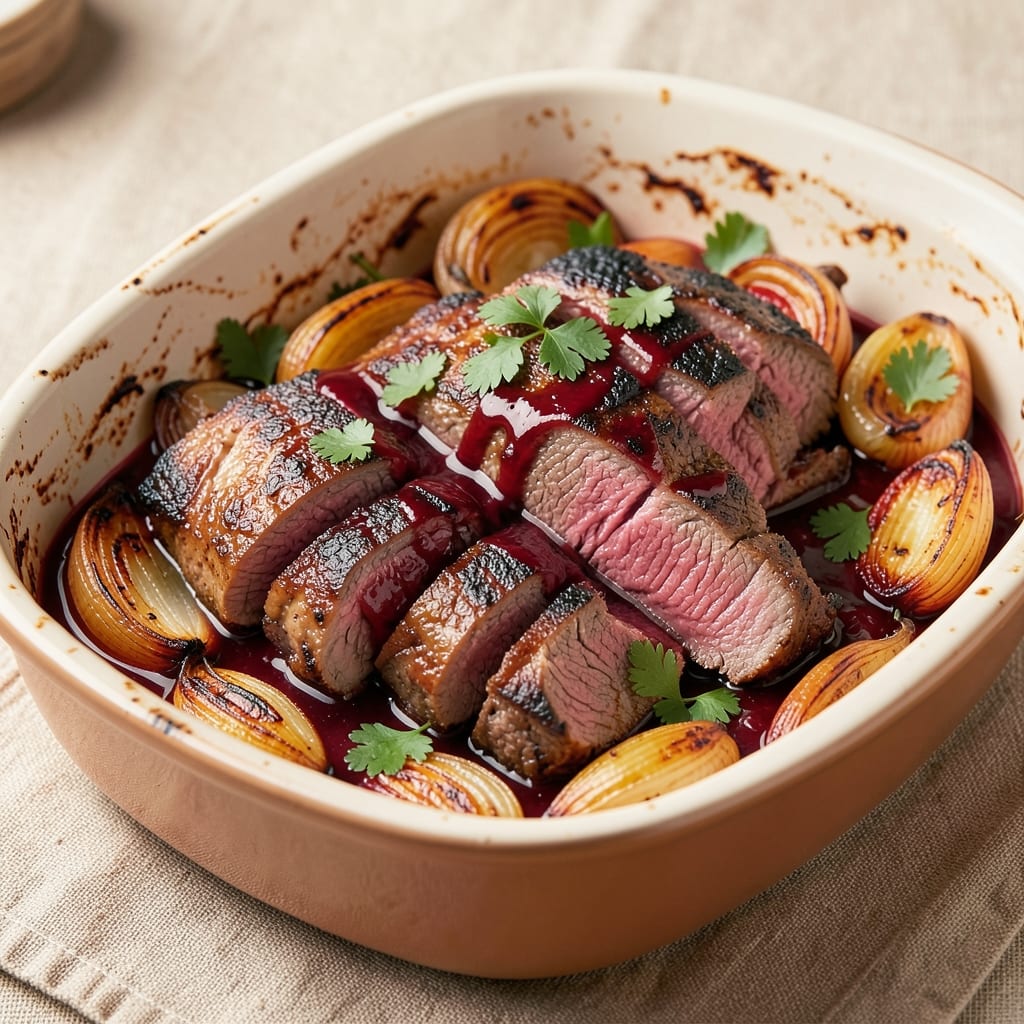
This beef bake recipe transforms tough cuts into melt-in-your-mouth tenderness with caramelized onions that add sweet depth. The slow braising process creates a rich, flavorful sauce that clings to every bite, making it a perfect centerpiece for family dinners. What sets this apart is the balance of textures—tender beef, crisp caramelized onions, and a velvety sauce that comes together with minimal effort.
The beauty of this recipe lies in its simplicity: just a handful of ingredients work together to create a restaurant-quality dish. You'll start with chuck roast, which becomes fork-tender after hours of gentle cooking, while onions caramelize beautifully in the oven. The result is a hearty, comforting meal that feels indulgent without requiring complicated techniques.
By the time it emerges from the oven, you'll have perfectly braised beef with deep, savory flavors and caramelized onions that add both sweetness and texture. The sauce thickens naturally as it simmers, creating a perfect balance of richness and tenderness. This is the kind of dish that tastes even better the next day, making it ideal for meal prep.
Pair it with crusty bread to soak up every bit of that delicious sauce or serve with roasted potatoes for a complete meal. The versatility of this recipe means it works equally well as a weeknight dinner or a special occasion centerpiece. Let's get started!
Ingredients for beef bake
Just 14 ingredients transform chuck roast into melt-in-your-mouth perfection with caramelized onions.
| Ingredient | Amount | Notes |
|---|---|---|
| Chuck Roast 🥩 | 2 ½ lb | With fat cap for flavor |
| Yellow Onions 🧅 | 3 whole | Sliced into even rounds |
| Garlic Cloves 🧄 | 6 cloves | Smashed for intense flavor |
| Beef Broth 💧 | 2 cups | Low-sodium preferred |
| Red Wine 🍷 | 1 cup | Bold dry variety |
| Tomato Paste 🍅 | 2 tbsp | Smooth, not chunky |
| Olive Oil 🫒 | 2 tbsp | Extra-virgin for richness |
| Thyme 🌿 | 1 tbsp | Fresh or dried |
| Bay Leaves 🍃 | 2 whole | Removed before serving |
| Salt 🧂 | 1 ½ tsp | Kosher or sea salt |
| Black Pepper 🌶️ | 1 tsp | Freshly cracked |
| All-Purpose Flour 🌾 | 1 tbsp | For thickening sauce |
| Fresh Rosemary 🌿 | 1 tbsp | Chopped, optional garnish |
| Balsamic Vinegar 🍶 | 1 tbsp | For finishing touch |
The chuck roast is the star here—look for well-marbled cuts at your local butcher or grocery store's meat department. Costco or Whole Foods often carry premium cuts with good fat distribution, which keeps the beef juicy during braising. Yellow onions are non-negotiable for caramelization—avoid red or white varieties, which tend to burn. For the wine, any bold dry red like Cabernet Sauvignon or Merlot works perfectly. If you prefer not to use alcohol, beef broth with an extra splash of balsamic vinegar delivers similar depth. Fresh thyme and rosemary should have vibrant green needles—no brown or wilted stems. The tomato paste? Grab a small San Marzano can if you want the best flavor, but any quality brand will do.
No red wine? Beef broth with 1 tbsp balsamic vinegar mimics the acidity perfectly. Fresh herbs wilt fast, so dried thyme at one-third the amount works in a pinch. The flour is purely for thickening—if you're gluten-free, swap for cornstarch. For extra richness, add 1 tbsp heavy cream at the end. The onions can be pre-sliced (just avoid the pre-caramelized kind—they're often watery). If you're short on time, use frozen onions—they thaw quickly and work just as well. The beef broth should be low-sodium to control seasoning, but you can always adjust salt at the end. For a deeper flavor, toast the tomato paste in olive oil for 2 minutes before adding other liquids.
This dish tastes even better the next day—3-4 days in the fridge, covered tightly. For longer storage, freeze portions for up to 3 months. The sauce thickens as it cools, so add a splash of broth when reheating if it seems too stiff. I always make extra because it reheats beautifully for lunches. If you're serving a crowd, double the recipe—just use a larger Dutch oven. The caramelized onions can be made ahead and stored separately for up to 5 days in the fridge. For presentation, garnish with fresh rosemary and a drizzle of balsamic reduction just before serving.
Why You'll Love This Recipe
- One-Pot Magic: I swear by this—just dump everything in a Dutch oven, let it simmer, and walk away. No chopping boards, no extra pans, and honestly? That rich red wine and beef broth smell like dinner ready before you even sit down.
- Deep, Rich Flavor: The chuck roast gets so tender it practically falls apart, while the onions caramelize into something sweet and sticky. Between us, that splash of red wine cuts through the richness like a secret weapon—every bite tastes like a fancy dinner, not a weeknight hack.
- Leftovers That Shine: This dish only gets better the next day. I make a double batch on Sundays, and by Wednesday, my family’s begging for seconds. Reheat it, slice it thin, and suddenly you’ve got a sandwich filling or a hearty salad topper that costs next to nothing.
- Budget Meal, Big Payoff: Chuck roast is cheap, but it feels luxurious. A single cut feeds five for under $15, and the wine and broth stretch the flavor without breaking the bank. I’ll be real: this is how I feed my college student and my picky teenager without crying over grocery receipts.
Step-by-step instructions for slow-braised chuck roast
Transform tough chuck roast into melt-in-your-mouth perfection with this slow-braising technique.
Sear the Chuck Roast for Deep Flavor
Heat 1 tablespoon olive oil in a heavy Dutch oven over medium-high heat until shimmering. Pat the 2.5 lb chuck roast dry with paper towels and season generously with 1.5 teaspoons salt and 1 teaspoon black pepper, pressing the spices into the meat. Sear the roast on all sides until deeply browned, about 4-5 minutes per side. This step develops the rich, caramelized crust that forms the foundation of your dish.
Remove the seared roast and set it aside. Reduce the heat to medium and add the remaining 1 tablespoon olive oil to the pot. Add the 3 whole yellow onions, sliced into even rounds, and cook for 8-10 minutes until they begin to soften and turn golden. This caramelization will infuse the braising liquid with sweet, complex flavors that elevate the entire dish.
Build the Aromatic Base
Push the onions to one side of the pot and add the 6 smashed garlic cloves to the empty space. Cook for 30 seconds until fragrant—don't let them burn, as bitter garlic will overpower the dish. Add the 2 tablespoons tomato paste and stir to combine with the onions and garlic, cooking for 1 minute to deepen their flavors.
Pour in the 1 cup red wine and scrape up any browned bits from the bottom of the pot with a wooden spoon. This deglazing step captures all the concentrated flavors you've built so far. Let the wine simmer for 3-4 minutes until reduced by half, allowing the alcohol to cook off and intensify the sauce's richness.
Braise Until Fork-Tender
Return the seared chuck roast to the pot and add the 2 cups beef broth, 1 tablespoon thyme, and 2 whole bay leaves. Bring the liquid to a simmer, then reduce heat to low and cover the pot. This is where patience pays off—braise the roast for 3 hours until it's fork-tender and easily pulls apart.
Check the liquid level occasionally and add ½ cup water if it reduces too much during cooking. The roast should be submerged in liquid, which helps tenderize the meat through moist heat. You'll know it's ready when a fork slides in with minimal resistance and the meat shreds easily against the grain.
Thicken and Finish the Sauce
Remove the chuck roast from the pot and set it aside. Strain the braising liquid through a fine-mesh sieve into a clean saucepan to remove any impurities. Return the liquid to medium heat and sprinkle in the 1 tablespoon all-purpose flour, whisking constantly for 1-2 minutes until the sauce thickens slightly and coats the back of a spoon.
Return the roast to the pot and stir in the 1 tablespoon balsamic vinegar and 1 tablespoon fresh rosemary. Simmer for an additional 5 minutes to allow the flavors to meld together. Taste and adjust seasoning with additional salt or pepper if needed. The sauce should be rich, slightly tangy, and perfectly balanced.
Rest and Serve
Transfer the chuck roast to a serving platter and tent loosely with foil. Let it rest for 10-15 minutes before serving. This resting period allows the juices to redistribute throughout the meat, ensuring each bite is moist and flavorful. The onions can be served alongside or spooned over the top of the roast for an extra layer of caramelized sweetness.
Slice the roast against the grain into ¼-inch thick slices or shred it with two forks for serving. The result should be tender, deeply flavorful beef with a rich, velvety sauce that clings perfectly to each bite. Serve immediately with crusty bread or roasted vegetables to soak up every last drop of that delicious braising liquid.
Pro Tips For Making Beef Bake
- SEAR THE ROAST FIRST: Chuck roast is forgiving, but a quick 3-minute sear in a screaming-hot pan before baking builds flavor—don’t skip it. I used to bake it straight from the fridge, and the result was bland. Now I pat it dry, hit it with oil, and let it brown hard before adding liquid.
- SWEAT ONIONS LOW AND SLOW: Yellow onions for this bake need 10 minutes of gentle cooking until they’re soft and translucent, not crispy. After burning three batches where I rushed them, I learned to keep the heat under 300°F (150°C) and stir often—this prevents bitterness and ensures they melt into the sauce later.
- DEGLAZE WITH WINE AND BROTH: After searing the roast, don’t just dump in the wine—let it simmer for 2 minutes to cook off the alcohol. Then add the beef broth and scrape up every browned bit from the pan. That crust holds more flavor than you’d think, and skipping it means losing depth in the sauce.
- REST THE MEAT UNDER FOIL: Pull the roast when it’s 5°F (3°C) below your target temp—it’ll rise as it rests. Tent it loosely with foil for 15 minutes before slicing; this keeps it juicy. I was skeptical until I tried it—now I never cut into it straight from the oven, even if I’m starving.
Best sauces and condiments for this beef bake
Classic Red Wine Sauce
The braising liquid from your beef bake is already packed with flavor, but reducing it with a splash of red wine and a pinch of tomato paste transforms it into a luxurious sauce. After removing the roast, simmer the liquid with 1 cup dry red wine (like Cabernet Sauvignon) until reduced by half—this intensifies the wine's depth. For extra richness, whisk in 1 tablespoon cornstarch mixed with 2 tablespoons cold water to thicken it to a velvety consistency. 🍷
Creamy Mustard Glaze
For a tangy twist, blend ½ cup Greek yogurt with 1 tablespoon Dijon mustard, 1 teaspoon balsamic vinegar, and a pinch of salt. Drizzle this over the sliced beef bake just before serving—it adds a bright, creamy contrast to the deep, caramelized flavors. If you prefer a smoother texture, substitute yogurt with heavy cream and simmer briefly to warm through.
Honey-Balsamic Reduction
Create a glossy finish by combining 2 tablespoons balsamic vinegar, 1 tablespoon honey, and 1 teaspoon olive oil in a small saucepan. Simmer over medium heat for 3-4 minutes until syrupy, then brush it over the roast or spoon it generously over the top. This sweet-tangy glaze cuts through the richness and adds a restaurant-worthy shine. 🍯
Garlic-Herb Butter
Melt 2 tablespoons butter with 2 minced garlic cloves and 1 teaspoon chopped fresh rosemary in a small skillet. Pour this fragrant butter over the sliced beef bake right before serving—it adds a luxurious, herby richness that melts into every bite. For extra flair, sprinkle with crushed black pepper and a pinch of smoked paprika before serving.
Spicy Tomato Jam
Simmer ½ cup crushed tomatoes, 1 tablespoon tomato paste, 1 teaspoon brown sugar, and ½ teaspoon red pepper flakes in a saucepan for 10 minutes until thickened. Spoon this jam over the beef bake for a sweet-spicy kick that pairs perfectly with the caramelized onions. It’s especially delicious when served with crusty bread to soak up the extra sauce. 🌶️
Cheesy Polenta Topping
For a heartier presentation, top the beef bake with a layer of creamy polenta mixed with ½ cup shredded Gruyère cheese and 1 tablespoon butter. Bake at 375°F for 10 minutes until bubbly and golden. The cheesy polenta adds a comforting, creamy element that balances the rich beef flavors beautifully.
Nutrition facts
Frequently asked questions
Can I use a different cut of beef instead of chuck roast?
For similar tenderness, try brisket, short ribs, or chuck shoulder. Avoid lean cuts like sirloin or flank steak—they won't become tender with this method. If using short ribs, reduce braising time to 2-2.5 hours since they cook faster.
How do I prevent the onions from burning during caramelization?
Cook them on medium heat (not high) and stir occasionally to distribute heat evenly. If they start browning too quickly, reduce heat to low-medium. For extra insurance, add 1-2 tablespoons beef broth to the pan to create steam. The goal is 8-10 minutes of gentle cooking, not quick searing.
What if I don't have red wine?
No problem! Replace it with 1 cup beef broth + 1 tablespoon balsamic vinegar for similar depth. For extra richness, add ½ cup chicken broth instead. The key is maintaining the acidity—lemon juice or apple cider vinegar work in a pinch (use 1 tablespoon).
Can I make this recipe in a slow cooker instead?
Yes! Brown the meat and onions in a skillet first, then transfer everything to the slow cooker. Use low heat for 6-7 hours or high heat for 4-5 hours. The slow cooker's gentle heat works perfectly for tenderizing the beef. Just skip the sauce thickening step—it'll naturally reduce during cooking.
How do I know when the beef is fully tender?
The meat should easily pull apart with two forks or slide off the bone if using short ribs. For chuck roast, insert a fork—if it goes in with minimal resistance and the meat shreds against the grain, it's done. The internal temperature should reach 200-205°F (well-done). Never rely on time alone—always check doneness!