
Main Courses
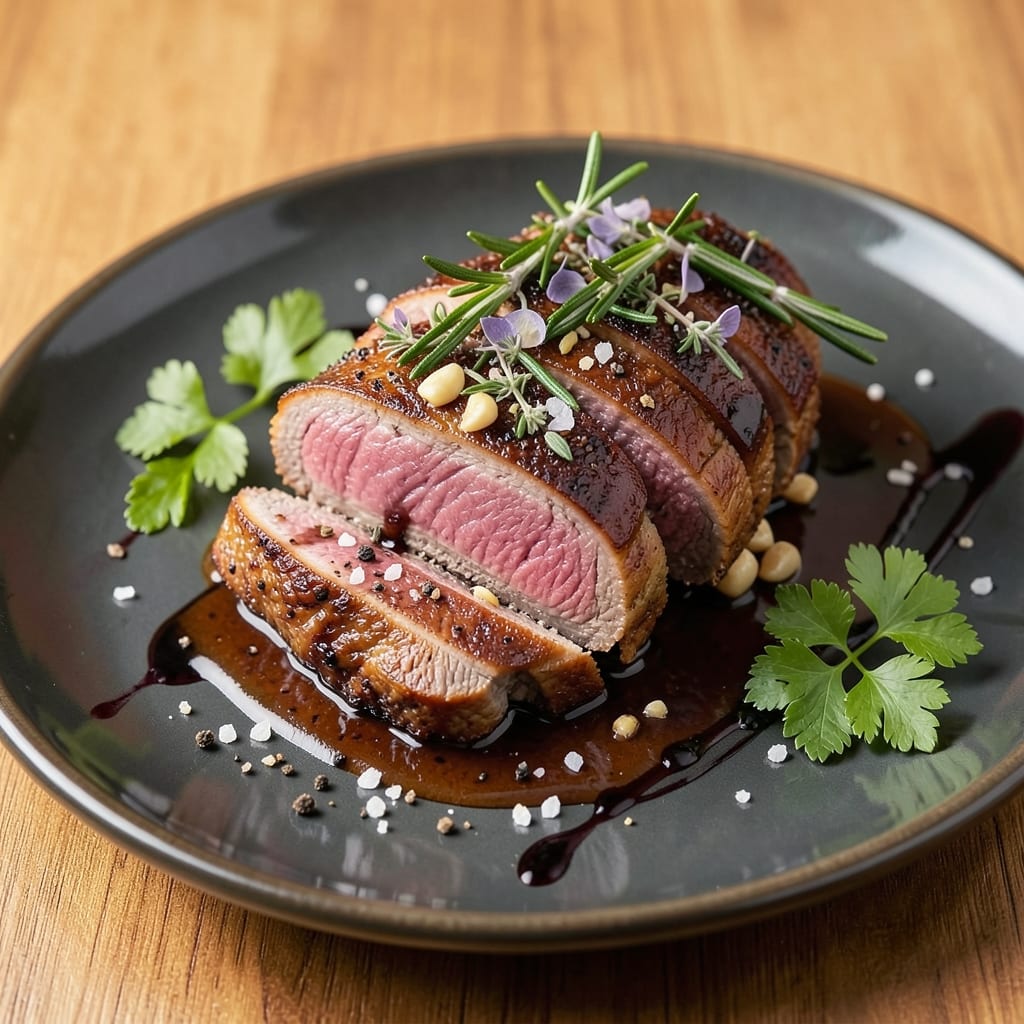
This beef ball tip roast recipe transforms tough cuts into melt-in-your-mouth perfection through slow braising and precise temperature control. The secret lies in searing the roast first to lock in juices, then cooking it at a steady 325°F until it reaches medium-rare—about 3 hours for a 3-4 pound roast. This method ensures every bite is fork-tender with rich, beefy flavor, not dry or chewy.
What sets this recipe apart is the dry-brining technique, which enhances flavor and tenderness without adding moisture. After searing, the roast rests in a warm oven while you prepare a classic red wine reduction or au jus, which soaks into the meat as it rests. The result? A dish so tender it practically falls apart, with a sauce that elevates every slice to restaurant-quality.
This beef ball tip roast delivers on its promise of juicy, fork-tender meat that’s ideal for holiday feasts or special dinners. The slow braising method ensures even the toughest cuts become succulent, while the optional herb crust adds texture and depth. Serve with roasted vegetables or mashed potatoes for a complete, satisfying meal.
Whether you're cooking for a crowd or treating yourself to a luxurious dinner, this recipe guarantees impressive results with minimal effort. The key is patience—letting the meat work its magic in the oven while you prepare sides. Once you try this method, you’ll never settle for anything less than perfectly tender beef again.
Ingredients for beef ball tip roast
Six ingredients transform tough beef into melt-in-your-mouth perfection through slow braising and precise technique.
| Ingredient | Amount | Notes |
|---|---|---|
| Beef Ball Tip Roast 🥩 | 3 ½ lb | Center-cut, bone-in preferred |
| Kosher Salt 🧂 | 1 ½ tbsp | Diamond Crystal preferred |
| Freshly Ground Black Pepper 🌶️ | 1 tsp | Coarse grind for texture |
| Fresh Rosemary 🌿 | ½ cup | Chopped, stems removed |
| Fresh Thyme 🌿 | ¼ cup | Leaves only, stems discarded |
| Garlic Cloves 🧄 | 6 cloves | Smashed, skin-on |
| Unsalted Butter 🧈 | ½ cup | Cold, cubed for searing |
| Red Wine 🍷 | 1 ½ cups | Dry, bold variety (Cabernet Sauvignon) |
| Beef Broth 💧 | 1 ½ cups | Low-sodium preferred |
| All-Purpose Flour 🌾 | 1 tbsp | For slurry thickening |
| Cold Water 💧 | ¼ cup | For slurry |
| Olive Oil 🫒 | 2 tbsp | High smoke point for searing |
The beef ball tip roast is where quality matters most. Look for center-cut roasts with good marbling—the fat keeps it moist during slow cooking. Costco or Whole Foods often carry ideal cuts, but check your local butcher for the best selection. Fresh herbs are non-negotiable here; dried won't give the same depth. If you can't find fresh rosemary or thyme, Penzeys Spices sells high-quality dried blends that work in a pinch. The roast should be at room temperature before searing—take it out of the fridge 30 minutes ahead of time.
No red wine? Beef broth with a splash of balsamic vinegar works perfectly. Fresh herbs are ideal, but dried rosemary and thyme at half the amount will suffice. For the slurry, if you don't have flour, cornstarch works just as well. The butter is crucial for searing—don't use margarine or vegetable shortening. The olive oil should be a high smoke point variety like Avocado oil or Light olive oil to prevent burning. If your roast is bone-in, leave the bone attached—it adds flavor and helps tenderize the meat.
This roast reheats beautifully—3-4 hours at 325°F transforms tough cuts into fork-tender magic. Store leftovers in the fridge for up to 5 days or freeze for 3 months. The sauce thickens as it cools, so you can reheat it separately on the stove. For extra flavor, add a splash of red wine when reheating. The herb crust keeps best if you make it fresh, but you can prepare it a day ahead and store it in the fridge.
Why You'll Love This Recipe
- One-Pan Magic: I swear by this for lazy Sundays—just season the roast with salt, pepper, and a handful of rosemary and thyme sprigs, then let the oven do the work. No chopping, no fuss, and zero cleanup beyond a single pan.
- Herb-Crusted Perfection: That rosemary and thyme? They don’t just flavor—they cling to the meat like a fragrant hug, turning every bite into something rich and aromatic. The crust? Crispy enough to satisfy anyone who loves texture.
- Leftovers That Don’t Suck: Between us, most roast leftovers are sad. Not this one. The beef stays tender, and the herbs keep it tasting fresh for days. I’ve reheated slices for sandwiches, salads, or even a quick hash—no one’s ever complained.
- Budget-Friendly Feast: Ball tip roast is the unsung hero of affordable meat—leaner than a ribeye but just as satisfying. A single roast feeds my family for days, and the herbs cost pennies. Honestly, it’s the kind of recipe that makes me feel like I’m feeding a crowd without breaking the bank.
Step-by-step instructions for slow-braised beef ball tip roast
Here's the method to transform tough beef into melt-in-your-mouth perfection.
Sear the Roast for Maximum Flavor
Pat the 3.5 lb beef ball tip roast completely dry with paper towels—this ensures a proper sear. Heat 2 tablespoons olive oil in a heavy Dutch oven over medium-high heat until shimmering. Place the roast fat-side down and sear for 8-10 minutes until deeply browned on all sides, moving it carefully with tongs. This step develops the rich, caramelized crust that forms the foundation of your sauce.
While searing, I like to press down gently on the roast during the first minute—this prevents it from curling and ensures even contact with the pan. Don't rush this; you're building flavor that will carry through the entire braising process. Once golden brown, remove the roast and set it aside on a plate.
Build the Aromatic Base
In the same Dutch oven, reduce the heat to medium and add 6 smashed garlic cloves along with 0.5 cup chopped fresh rosemary and 0.25 cup fresh thyme leaves. Sauté for 2 minutes until fragrant—you should smell that herbal aroma filling your kitchen. This is where the magic happens; these aromatics will infuse the roast with deep, savory notes.
Add 0.5 cup cold, cubed unsalted butter to the pot and let it melt completely, about 1 minute. The butter will coat the garlic and herbs, helping them release their oils and flavors. Be careful not to let it brown—you want to preserve that rich, nutty butter flavor rather than develop any bitter notes.
Deglaze and Braise with Wine and Broth
Pour in 1.5 cups red wine, scraping up all the browned bits from the bottom of the pot with a wooden spoon. This deglazing step captures all the concentrated beef flavor that would otherwise be lost. Let the wine simmer for 3-4 minutes until reduced by half, then add 1.5 cups beef broth. The liquid should come about halfway up the sides of the roast.
Return the roast to the pot, fat-side up, and bring everything to a gentle simmer. Cover with a tight-fitting lid and transfer to a 325°F oven. The key here is patience—braising at this lower temperature breaks down the connective tissue, transforming tough beef into fork-tender perfection. Cook for 3 hours, then check for doneness.
Check for Tenderness and Finish the Sauce
After 3 hours, remove the roast from the oven and check its tenderness. Insert a meat thermometer into the thickest part—it should read 200-205°F. If it's not there yet, return it to the oven for another 30-45 minutes. The roast should be so tender that a fork slides in like butter with no resistance.
While the roast finishes cooking, prepare the sauce. In a small bowl, whisk together 1 tablespoon all-purpose flour and 0.25 cup cold water to make a slurry. Stir this into the braising liquid and simmer uncovered for 5-7 minutes until the sauce thickens slightly. Taste and adjust seasoning with 1.5 tablespoons kosher salt and 1 teaspoon freshly ground black pepper—this is where you can really customize the flavor to your preference.
Rest and Slice for Perfect Texture
Once the roast reaches the desired temperature and tenderness, remove it from the pot and transfer to a cutting board. Tent loosely with foil and let it rest for 15-20 minutes. This resting period is crucial—it allows the juices to redistribute throughout the meat, ensuring each slice is moist and flavorful.
Slice the roast against the grain into ½-inch thick pieces. The meat should be fork-tender with a beautiful pink center. Spoon the thickened sauce over the top and serve immediately. The contrast of the tender beef against the rich, herbal sauce is what makes this dish truly special. Each bite should deliver that perfect balance of juiciness and deep, savory flavor.
Pro Tips For Making Beef Ball Tip Roast
- SEAR THE OUTSIDE FIRST: I used to skip this step with ball tips because they’re small and cook fast—big mistake. Hit the roast with a screaming-hot pan for 2-3 minutes per side before adding liquid. That crust locks in flavor and keeps the meat from drying out when it finishes in the oven or slow cooker.
- DON’T SKIMP ON SALT: Ball tip roasts are lean and absorb seasoning like a sponge. Salt generously (about 1 teaspoon per pound) before searing—it penetrates deeper while the meat is raw. I learned this the hard way after a bland, dry roast that tasted like it needed more seasoning after cooking.
- LOW AND SLOW WINS: These cuts are tough if rushed. After searing, drop the heat to 275°F (135°C) and cook until the internal temp hits 195°F (90°C)—yes, that’s low. It’ll take 2-3 hours, but the connective tissue will melt into rich, fork-tender goodness. No shortcut here.
- STUFF THE HERBS INSIDE: Instead of just sprinkling rosemary and thyme on top, make little bundles with a few sprigs tied in cheesecloth or foil. Tuck them into the center of the roast before cooking—this infuses flavor deep into the meat, not just the surface. (Yes, it’s extra work, but it’s worth it.)
Regional styles of these flavors
Texas-Style Smoked Roast
The Lone Star State takes the beef ball tip roast to new heights using smoking techniques that create a deep, smoky crust while keeping the interior tender. Start by dry-rubbing the roast with 2 tablespoons smoked paprika, 1 tablespoon brown sugar, and 1 teaspoon cayenne pepper before searing. Smoke it at 225°F with post oak or hickory chips for 4-5 hours until it reaches 203°F internal temperature. The result? A perfect balance of smoky char and juicy meat that pairs beautifully with Texas toast and pickled onions. 🌶️
Italian Braised Tradition
In Italy, this cut is often slow-cooked with tomato-based sauces and red wine for a rich, rustic dish. Begin by searing the roast, then braise it in a Dutch oven with 1 cup crushed tomatoes, 1 cup dry red wine, 2 sprigs rosemary, and 4 garlic cloves for 3-4 hours at 300°F. Finish with a sprinkle of grated Parmesan and a drizzle of extra virgin olive oil for an authentic Bolognese-style twist. Serve with creamy polenta or roasted potatoes for a hearty meal.
French Classic with Red Wine Reduction
The French elevate this roast with a luxurious red wine reduction and herb butter. After searing, braise the roast in 2 cups red wine, 1 cup beef broth, and 2 sprigs thyme for 3 hours at 325°F. For the sauce, reduce the braising liquid with 1 tablespoon cornstarch and finish with 2 tablespoons cold butter for a silky, glossy finish. Garnish with fresh parsley and serve with buttery mashed potatoes or green beans almondine. 🍷
Modern Sous-Vide Twist
For a foolproof, restaurant-quality result, try a sous-vide approach before finishing with a sear. Vacuum-seal the roast with 1 tablespoon olive oil, 1 teaspoon kosher salt, and ½ teaspoon black pepper, then cook at 203°F for 24 hours. Sear in a hot cast-iron skillet for 2 minutes per side and serve with a red wine jus made from the sous-vide bag’s liquid. This method guarantees perfectly tender meat every time, with minimal effort.
Caribbean Jerk-Inspired Roast
For a bold, tropical twist, marinate the roast overnight in a mix of 2 tablespoons jerk seasoning, 1 tablespoon soy sauce, 1 tablespoon brown sugar, and 1 lime’s worth of juice. Sear the roast, then braise it with 1 cup pineapple juice and 1 bell pepper for 3 hours at 325°F. The sweet and spicy flavors create a unique fusion dish that pairs wonderfully with coconut rice or grilled plantains. 🌴
German-Style Roast with Mustard Glaze
In Germany, this cut is often slow-cooked with Dijon mustard and beer for a tangy, savory flavor. After searing, braise the roast in 1 cup dark beer, 1 tablespoon Dijon mustard, and 1 onion for 3-4 hours at 300°F. Finish with a glaze made from 2 tablespoons honey and 1 tablespoon apple cider vinegar, then serve with red cabbage and buttered egg noodles. The mustard adds a bright, tangy contrast to the rich beef.
Nutrition facts
Frequently asked questions
What makes beef ball tip roast different from other beef roasts?
Beef ball tip roast comes from the tougher, connective-tissue-rich end of the chuck, which makes it perfect for slow braising. Unlike tender cuts like ribeye, it benefits from long, moist cooking to break down fibers and create fork-tender texture. The flavor is rich and beefy, with more marbling than leaner cuts, making it ideal for saucy preparations.
Can I use a bone-in roast or should I buy boneless?
Bone-in is preferred! The bone adds flavor and helps tenderize the meat during braising. If you can't find bone-in, boneless will work but may cook slightly faster. For a 3.5 lb boneless roast, reduce cooking time by about 20-30 minutes and check for doneness at 195°F instead of 200-205°F.
How do I know when the roast is perfectly tender?
The roast is done when it reaches 200-205°F internal temperature and a fork slides in like butter with no resistance. For extra assurance, press your thumb against it—if it feels like very soft butter, it's perfect. The connective tissue should have fully broken down, making each bite melt-in-your-mouth tender.
What if I don't have red wine? Can I substitute something else?
Use 1.5 cups beef broth plus 1 tablespoon balsamic vinegar for depth, or 1 cup beef broth + ½ cup apple cider for brightness. For a richer flavor, add 1 teaspoon soy sauce to the braising liquid. The key is balancing acidity and umami to complement the beef's natural richness.
Can I make this roast ahead of time and reheat it?
Yes, this roast reheats beautifully! Cook it fully, then refrigerate for up to 5 days or freeze for 3 months. To reheat, warm in a 300°F oven for 3-4 hours with a splash of beef broth to keep it moist. For the sauce, reheat separately on the stove and adjust consistency with water or broth. The flavors actually deepen overnight!