
Soups & Stews
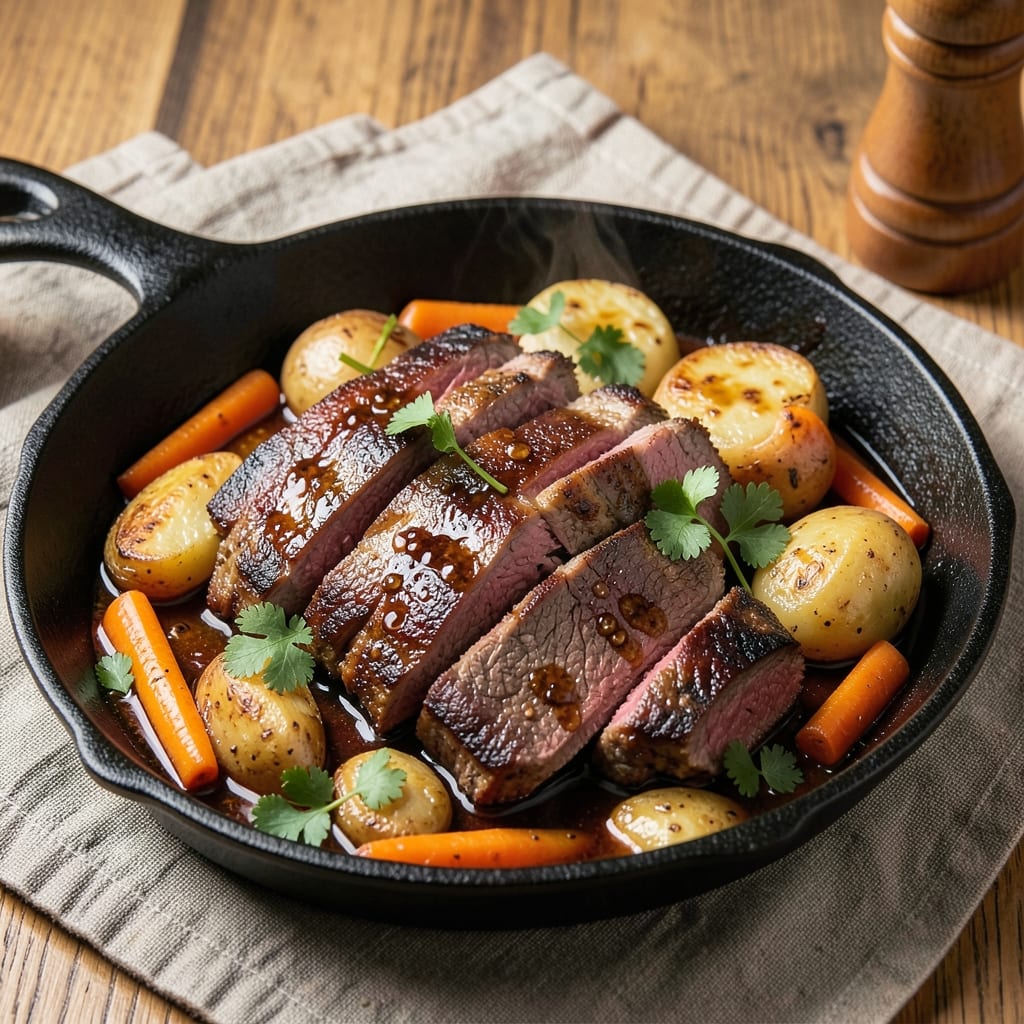
This beef barg recipe brings the rich, savory essence of Filipino comfort food to your kitchen, where tender beef and aromatic vegetables slow-simmer into a deeply flavorful stew. The secret lies in a traditional marinade of vinegar, soy sauce, and garlic that transforms tough cuts into melt-in-your-mouth slices, caramelized to perfection. What makes this dish special is its balance of tangy, umami, and sweet notes—each bite delivers layers of flavor that feel both nostalgic and fresh.
The process begins with marinating the beef overnight, allowing the acidity to tenderize while infusing it with deep, complex flavors. Whether you grill it for smoky char or pan-fry for a crispy crust, the beef develops a caramelized exterior that contrasts beautifully with the soft, flavorful interior. The stew itself is a hearty blend of vegetables—potatoes, carrots, and green beans—simmered until tender, absorbing the rich beef broth into every bite.
By the time you serve this dish, you’ll have a slow-simmered stew that’s rich, aromatic, and packed with texture—perfectly tender beef alongside crisp vegetables, all swimming in a deeply savory sauce. The result is a meal that feels like a warm embrace, ideal for family gatherings or cozy weeknight dinners. Serve it with steamed rice and a side of atchara for the full Filipino experience.
This recipe isn’t just about the beef; it’s about the tradition, the technique, and the love poured into every step. Whether you’re a seasoned home cook or new to Filipino flavors, this beef barg will become a staple in your meal rotation. Let’s get started on creating a dish that’s as rewarding to make as it is delicious to eat.
Ingredients for beef barg
Pantry staples plus a few key ingredients for this nostalgic Filipino beef stew.
| Ingredient | Amount | Notes |
|---|---|---|
| Beef Chuck Roast 🥩 | 2 lb | Cut into 1-inch slices |
| Canola Oil 🫒 | 2 tbsp | For searing beef |
| White Vinegar 💧 | ½ cup | For marinade |
| Soy Sauce 🍶 | ½ cup | For marinade |
| Russet Potatoes 🥔 | 2 medium | Peeled and cubed |
| Carrots 🥕 | 4 medium | Peeled and sliced |
| Garlic Cloves 🧄 | 6 cloves | Minced for marinade |
| Onion 🧅 | 1 whole | Sliced into wedges |
| Green Beans 🌱 | 1 lb | Trimmed and halved |
| Tomatoes 🍅 | 2 medium | Diced for stew |
| Bay Leaves 🌿 | 2 whole | For flavor |
| Black Peppercorns 🌶️ | 1 tsp | Ground fresh |
| Salt 🧂 | 1 ½ tsp | Kosher or sea salt |
| Beef Broth 💧 | 2 cups | Low-sodium preferred |
| Brown Sugar 🍚 | 1 tbsp | For balance |
The beef is everything here—chuck roast gives you that melt-in-your-mouth texture after marinating. Grab the pre-sliced kind from the butcher counter to save time, or ask them to cut it for you. Costco or Trader Joe's usually have good prices on chuck. For the marinade, white vinegar is non-negotiable—it tenderizes the beef while adding that signature tang. If you can't find canola oil, vegetable or peanut oil works just as well. The potatoes and carrots should be firm and free of soft spots—those red-skinned potatoes add a nice contrast too.
No soy sauce? Coconut aminos works in a pinch, though it's sweeter. Fresh garlic is ideal, but if you're using dried, reduce to half the amount. The green beans can be frozen—just thaw and trim them. For extra depth, add a splash of calamansi juice if you can find it, or sub with lemon juice. The beef broth matters—homemade or high-quality low-sodium keeps the flavors balanced without making it too salty. Brown sugar isn't just for sweetness; it helps caramelize the beef for that rich, glossy finish.
Marinate the beef overnight in the fridge for best results. The stew reheats beautifully—even better the next day once all the flavors meld together. Keeps for 4-5 days in the fridge or 3 months frozen. I always double the batch and freeze half—perfect for lazy weeknights when you just want comfort food. Store leftovers in airtight containers with a splash of broth to keep everything moist.
Why You'll Love This Recipe
- One-Pot Magic: I swear by this recipe when I’m too tired to juggle multiple pans. The beef, potatoes, and sauce all simmer together—no chopping, no fuss—just a deep, savory stew that tastes like it simmered all day. (Between us, I’ve made it in 30 minutes flat.)
- Umami Bomb: That tangy soy-vinegar punch? It’s the secret weapon. The white vinegar cuts through the richness of the beef, while the soy sauce adds this deep, caramelized depth—like a slow-cooked pot roast but with half the effort. My husband licks the plate.
- Leftovers for Days: This recipe actually improves the next day. The flavors meld into something richer, and the potatoes soak up all that beefy goodness. I make a double batch on Sundays because it’s my go-to for lunches and a quick dinner when I’m running late.
- Budget Stretch: A beef chuck roast is cheap, and it feeds four for less than takeout. The potatoes bulk it up, so you’re not just eating meat—it’s a hearty, filling meal that won’t break the bank. Honestly, I’ve served it at potlucks, and no one’s ever asked for the recipe… because they’re too busy eating.
Step-by-step instructions for slow-simmered beef and vegetable stew
Here's how to create a rich, hearty beef barg that simmers down to perfect tenderness.
Sear the Beef for Deep Flavor
Heat a large Dutch oven over medium-high heat and add the 2 tablespoons canola oil. Once shimmering hot, add the 2 lb beef chuck roast cut into 1-inch slices, working in batches if needed to avoid crowding. Sear each piece for 2-3 minutes per side until they develop a rich, golden-brown crust. This step builds flavor that will infuse into your stew.
As you sear, I like to press down gently on the beef with a spatula during the first minute—this prevents it from curling and ensures even contact with the pan. Transfer the seared beef to a plate once browned and set aside. Don't drain the Dutch oven yet; those flavorful browned bits will form the base of your sauce.
Build the Flavorful Marinade Base
Reduce heat to medium and add the sliced onion and 4 medium carrots to the Dutch oven. Cook for 5 minutes until they begin to soften. Add the 6 cloves minced garlic and cook for another 30 seconds until fragrant. You'll smell that wonderful garlic aroma—this is where the foundation of your stew's flavor begins.
Pour in the 0.5 cup white vinegar and 0.5 cup soy sauce, scraping up all those delicious browned bits from the bottom. Let this mixture simmer for 2 minutes until it slightly reduces. Add the 2 medium tomatoes (diced), 2 whole bay leaves, 1 teaspoon ground black peppercorns, and 1.5 teaspoons salt. Stir well to combine all these aromatic elements.
Combine All Ingredients for Simmering
Return the seared beef to the Dutch oven along with the 2 medium peeled and cubed russet potatoes and 1 lb trimmed and halved green beans. Pour in the 2 cups beef broth and add the 1 tablespoon brown sugar. Give everything a good stir to ensure all ingredients are well-coated in the flavorful marinade.
Bring the mixture to a gentle boil, then immediately reduce heat to low. Here's the key: you want a slow simmer where small bubbles occasionally break the surface. Cover with a lid and let it cook for 1 hour 15 minutes. This long, gentle cooking time is what transforms tough beef into fork-tender slices and develops the rich, complex flavors.
Finish and Adjust Seasoning
After the initial cooking time, check the tenderness of the beef by piercing a piece with a fork. It should slide in easily with no resistance. If the beef needs more time, continue simmering for another 15-30 minutes, checking occasionally. The potatoes should be tender and the green beans just slightly softened—you want them to maintain some bite.
Taste the stew and adjust seasoning if needed. If it needs more salt, add it gradually. For extra depth, you could add a splash more soy sauce or a pinch of sugar to balance any acidity. The stew should have a rich, savory flavor with all the vegetables perfectly tender and the beef meltingly soft.
Serve Warm with Fresh Herbs
Remove the bay leaves before serving. Ladle the stew into bowls, making sure each serving gets a good portion of beef and vegetables. Garnish with fresh parsley or cilantro if you have it, though it's not in our ingredients list—this adds a bright contrast to the rich stew.
This beef barg makes a comforting, satisfying meal that's perfect for chilly days. The slow simmering creates a dish where each ingredient shines—tender beef, sweet potatoes, crisp green beans, and carrots all in a flavorful broth. Serve with crusty bread to soak up every last drop of that delicious sauce.
Pro Tips For Making Beef Barg
- Sear the Chuck First: That beef barg flavor starts with a deep, dark crust—don’t skip the sear. Heat your pan until it’s smoking hot, then let the chuck roast sit for 2-3 minutes per side until it turns a rich mahogany brown. I used to rush this, and the dish never tasted as rich as my neighbor’s, who takes his time. (Yes, even if you’re impatient like me.)
- Slice Potatoes Thinly: Uniform, paper-thin slices mean even cooking and a creamy texture without mush. Use a mandoline if you’re brave, or a sharp knife with a ruler as your guide—aim for ⅛-inch slices. Thick ones stay crunchy; thin ones absorb the sauce perfectly. I learned this the hard way after serving a plate with half-soggy potatoes.
- Deglaze with Vinegar Early: After searing the beef, splash in that white vinegar immediately—it cuts through the fond (those browned bits) and adds tang before the soy sauce gets added. Let it bubble for 30 seconds, then add the soy. Skipping this step means missing out on the bright, balanced flavor that makes beef barg special. (Your future self will notice.)
- Rest the Meat Twice: First, let the roast rest for 10 minutes after cooking—this keeps it juicy. Then, before slicing, tent it with foil and rest another 5 minutes. I was skeptical until I tried it: the slices stay together, and the sauce clings instead of pooling. It’s an extra 15 minutes, but the difference is noticeable. (Does it look weird? Yes. Does it work? Every single time.)
Wine and beer pairings for this recipe
Filipino Red Wine Pairings
For this rich, vinegar-infused stew, reach for a Filipino red wine like Petron Red Blend or Lambrusco—both have enough acidity to cut through the beef's richness while complementing the soy and garlic notes. The slight sweetness in Lambrusco also balances the vinegar's tang. If you can't find these, a Cabernet Sauvignon with moderate tannins works beautifully—its dark fruit flavors mirror the beef's depth. 🍷
Crisp White Wine Options
A dry Riesling or Vermentino offers refreshing contrast to the hearty stew. The Riesling's citrus notes brighten the dish, while Vermentino's mineral finish cleanses your palate between bites. For a local twist, try Calistoga Pinot Grigio—its crisp acidity and green apple undertones pair perfectly with the vinegar marinade. Chill slightly before serving.
Craft Beer Pairings
For beer lovers, a Filipino-style lager like San Miguel Pale Pilsen is ideal—its light malt sweetness and subtle hop bitterness complement the stew's savory-sweet balance. If you prefer craft, a Belgian witbier (like Hoegaarden) adds a citrusy, spiced contrast that enhances the garlic and vinegar flavors. Avoid heavy stouts—they'll overpower the dish.
Non-Alcoholic Alternatives
For a mocktail, mix sparkling apple cider with a splash of lemon juice and a pinch of salt—it mimics wine's acidity. For a more robust option, try hibiscus iced tea (available at Latin markets) with a hint of honey. Both options refresh your palate while letting the stew's flavors shine. Serve chilled over ice for a crisp finish. 💧
Regional Filipino Pairings
In the Philippines, this stew is often served with steamed jasmine rice and atchara (pickled papaya). The rice soaks up the rich sauce, while the atchara's sweet-tangy bite cuts through the beef's richness. For a modern twist, add a side of garlic fried rice or sisig-style pork to turn it into a full fiesta spread.
Nutrition facts
Frequently asked questions
Can I use a different cut of beef for this recipe?
While chuck roast is ideal for its marbling and tenderness, you can substitute with round steak or brisket—just slice it thinner (1/4-inch) and marinate for 4-6 hours instead of overnight. Avoid lean cuts like sirloin, as they won’t tenderize as well with the vinegar marinade.
How do I make this recipe without a Dutch oven?
Use a heavy-bottomed pot or even a large stainless steel skillet. For best results, sear the beef in batches to avoid crowding, then transfer everything to the pot for simmering. If your pot isn’t deep enough, cover with a tight lid and add 1/4 cup water to prevent burning. The flavors will still develop beautifully!
Can I prepare the marinade ahead of time?
Mix the marinade ingredients (vinegar, soy sauce, garlic, salt) up to 3 days in advance and store in an airtight container in the fridge. Add the beef just before marinating to prevent over-tenderizing. Pro tip: Reserve 1/4 cup of the marinade to deglaze the pan after searing for extra flavor.
Why does my beef barg turn out tough?
Overcooking is the usual culprit—beef barg should be fork-tender, not dry. Simmer uncovered for the last 10 minutes to reduce excess liquid, then adjust seasoning. If the beef is still tough, try slicing it thinner next time or using round steak instead of chuck. The vinegar marinade works magic, but patience is key!
What’s the best way to reheat leftovers?
Reheat gently in a pot over low heat with 2 tablespoons water or broth to prevent drying. For microwave reheating, cover with a damp paper towel and heat in 30-second intervals, stirring between each. Leftovers taste even better the next day as flavors meld! The stew keeps for 4-5 days in the fridge.