
Sauces & Condiments
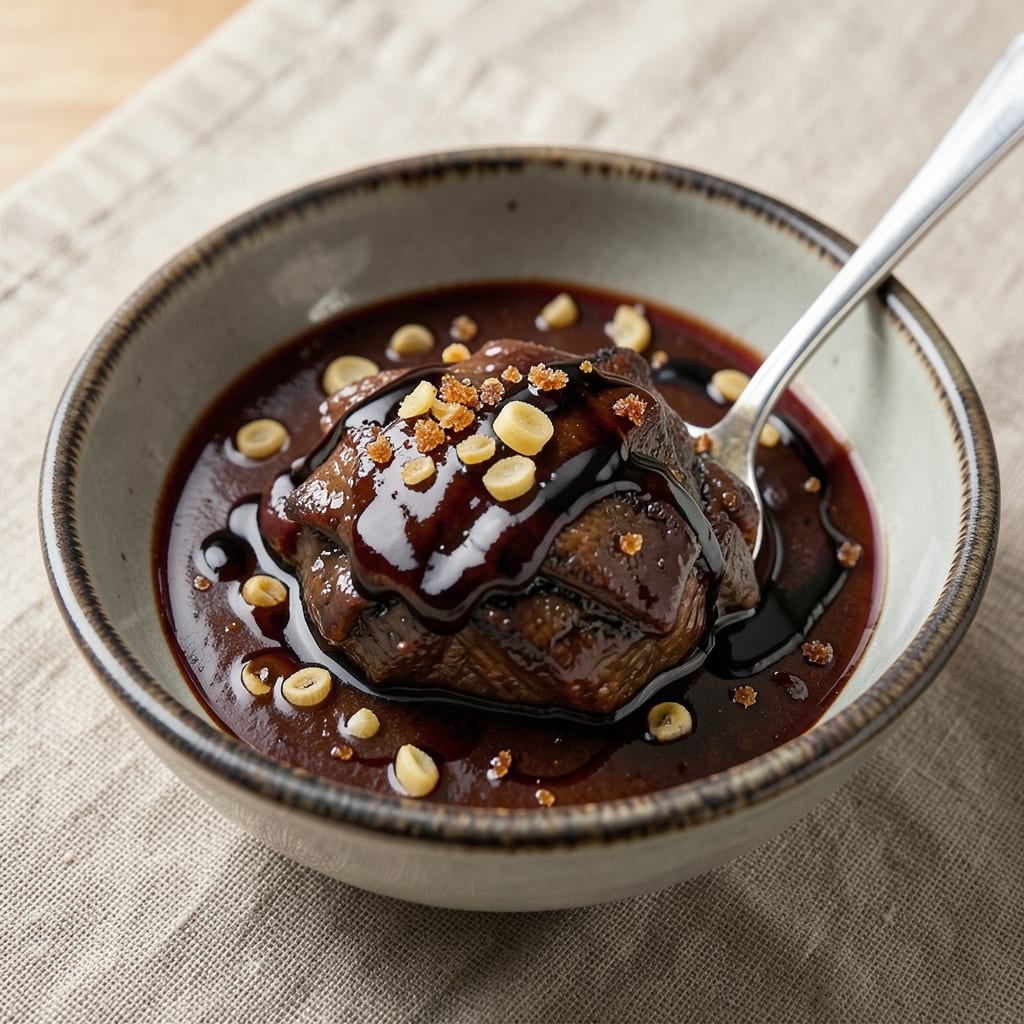
A perfect beef basting sauce transforms ordinary grilled meat into showstopping centerpieces with its deep caramelized glaze and rich umami depth. This recipe delivers a balanced blend of sweetness, acidity, and savory notes that penetrate every sear, creating that restaurant-quality finish you crave. The key lies in proper reduction and layering flavors—no shortcuts here, just precision that pays off in every basting brush.
What sets this sauce apart is its versatility during cooking: use it to deglaze the grill pan for maximum flavor extraction, then brush generously over steaks, chops, or roasts in the final minutes. The sauce's natural stickiness clings beautifully to meat while developing a glossy, crackling crust that's impossible to resist. For best results, build it gradually—start with a simple base, then enhance with aromatic elements that elevate ordinary proteins to extraordinary.
The finished product delivers a perfect balance: caramelized edges with a velvety texture that coats every bite, carrying with it layers of garlic, shallots, and a touch of Worcestershire for depth. This isn't just a finishing sauce—it's the secret weapon that turns good grilling into unforgettable experiences. Whether you're searing ribeyes or roasting a whole leg of lamb, this glaze will become your new go-to.
Pro tip: For extra richness, reduce the sauce until it coats the back of a spoon, then finish with a splash of red wine or beef stock. The result? A sauce so concentrated it transforms even simple cuts into melt-in-your-mouth masterpieces. Let's get basting—your grill is about to become the star of the show.
Ingredients for beef basting sauce
Ten ingredients transform grilled beef into restaurant-worthy masterpieces with every basting brush.
| Ingredient | Amount | Notes |
|---|---|---|
| Beef Stock 🥩 | 1 cup | High-quality, homemade preferred |
| Red Wine 🍷 | ½ cup | Bold dry Cabernet Sauvignon |
| Balsamic Vinegar 🍶 | 2 tbsp | Aged 10+ years for depth |
| Dark Brown Sugar 🍬 | ⅓ cup | For caramelization |
| Worcestershire Sauce 🧂 | 1 tbsp | Anchovy-free version preferred |
| Shallots 🧅 | ¼ cup | Finely minced, 2-3 cloves |
| Garlic Cloves 🧄 | 4 cloves | Peeled and smashed |
| Fresh Thyme Leaves 🌿 | ¼ cup | Or 1 tsp dried thyme |
| Black Peppercorns 🌶️ | ½ tsp | Freshly cracked |
| Olive Oil 🫒 | 2 tbsp | Extra-virgin for richness |
The beef stock is non-negotiable—homemade yields the deepest umami, but high-quality store-bought like Kitchen Basics works in a pinch. For the red wine, Cabernet Sauvignon delivers that bold, dry backbone you crave (none of that sweet stuff). The balsamic vinegar? 10-year aged from Balzan or Bartolo Mascarello adds complexity, but Trader Joe's has a solid affordable option. Dark brown sugar isn't just for sweetness—it caramelizes beautifully during reduction, creating that glossy crust. Pro tip: Toast your spices—crack peppercorns in a dry pan for 30 seconds before adding to release their oils.
No red wine? Substitute with extra beef stock plus 1 tbsp soy sauce for umami punch. Shallots too expensive? Double the onion powder, but fresh is worth the splurge. Worcestershire sauce giving you pause? Fish sauce at half the amount works if you're avoiding anchovies. The olive oil matters—use something fruity and peppery like California Olive Ranch or Colavita. For extra depth, add a 1 tsp of beef marrow if you're feeling fancy. And if your thyme looks wilted, dried at one-third the amount still delivers flavor—just no fresh aroma.
This sauce peaks when reduced to a syrupy consistency—coats the back of a spoon but still flows freely. Store in a clean glass jar in the fridge for up to 2 weeks, or freeze in ice cube trays for 3 months. The longer it sits, the more complex the flavors become. For grilling day, shake vigorously before using—it separates. And trust me, double the batch. You'll want it for everything from roasted potatoes to basting chicken wings.
Why You'll Love This Recipe
- Pantry Magic: I swear by this sauce because it uses stuff I always have—no extra shopping trips. That rich beef stock, a splash of red wine, and a drizzle of balsamic? It’s like a flavor party in a jar, and the brown sugar adds just enough sweetness to balance the tang.
- Deep Umami Bomb: The Worcestershire and red wine combo gives this sauce a complexity that’s hard to beat. It’s not just sweet or savory—it’s that perfect both moment that makes me reach for seconds. (Yes, even on a Tuesday night.)
- Leftovers That Shine: This sauce actually improves after sitting overnight. I make a big batch on Sundays, then use it all week—drizzled on grilled steaks, tossed with roasted veggies, or even stirred into rice. No waste, all flavor.
- Weeknight Hero: Five ingredients, 15 minutes, zero fuss. Simmer it while you prep the rest of dinner, and by the time your steak hits the pan, the sauce is ready to baste. Honestly, it’s the kind of recipe that makes me feel like a chef without the stress.
Step-by-step instructions for rich beef basting sauce
This sauce transforms ordinary grilled beef into a showstopping centerpiece with its deep caramelized glaze.
Sauté Aromatics Until Deeply Fragrant
Heat the 2 tablespoons olive oil in a heavy-bottomed saucepan over medium heat. Add the 0.25 cup finely minced shallots and cook for 3-4 minutes until completely softened and just beginning to golden. This is where the magic starts—don't rush this step or you'll miss the sweet, mellow flavor development.
Add the 4 smashed garlic cloves and 0.25 cup fresh thyme leaves (or 1 teaspoon dried thyme), stirring constantly for 1 minute until the garlic releases its pungent aroma and the thyme infuses the oil. You should smell an intense, earthy perfume—this is your signal that the aromatics are properly developed. If you notice any browning, immediately reduce the heat to medium-low to prevent burning.
Build the Sauce Base with Wine and Stock
Pour in the 0.5 cup bold red wine and scrape up any browned bits from the bottom of the pan with a wooden spoon. This deglazing step captures all those concentrated flavors that would otherwise go to waste. Let the wine simmer for 3-4 minutes until reduced by about half, with its alcohol burned off and only rich, fruity notes remaining.
Add the 1 cup beef stock and bring to a gentle simmer. Here's where the sauce starts to come together—you'll see it begin to thicken slightly as the stock absorbs the aromatic flavors. Keep the heat at medium-low to prevent rapid evaporation, and let it simmer uncovered for 5 minutes to allow the liquid to concentrate and the flavors to meld.
Add Sweetness and Acid for Balance
Stir in the 0.33 cup dark brown sugar and 2 tablespoons aged balsamic vinegar, then add the 1 tablespoon Worcestershire sauce. The sugar will begin to caramelize almost immediately, deepening the sauce's color and adding a complex sweetness that contrasts beautifully with the acidity of the balsamic. You'll notice the sauce thicken noticeably as the sugar dissolves and starts to break down.
Bring the mixture to a gentle boil, then reduce heat to low and let it simmer for 10-12 minutes, stirring occasionally. This slow reduction is crucial—it allows the sugar to caramelize fully while the wine and vinegar integrate their acidity. The sauce should reduce to a syrupy consistency, coating the back of a spoon. If it thickens too much before reaching this stage, add 1-2 tablespoons water to maintain proper consistency.
Finish with Pepper and Strain for Silky Texture
Remove the sauce from heat and stir in the 0.5 teaspoon freshly cracked black peppercorns. Let them steep for 2-3 minutes to infuse their piquant flavor throughout the sauce. Then, strain the mixture through a fine-mesh sieve into a clean saucepan to remove any thyme stems or garlic pieces, leaving behind a silky, smooth texture.
Return the strained sauce to low heat and let it simmer gently for another 5 minutes to ensure all the flavors are fully integrated. The final sauce should be glossy with a deep amber color, thick enough to coat the back of a spoon but still pourable. Taste and adjust seasoning—you might need a pinch more salt or a splash of balsamic vinegar to achieve perfect balance. This sauce is now ready to elevate any grilled beef to restaurant-quality perfection.
Pro Tips For Making Beef Basting Sauce
- Simmer Slow and Steady: Start with a gentle simmer—not a rolling boil—after adding the red wine and balsamic vinegar. I learned this the hard way: aggressive heat turns the wine into vinegar faster than you’d like, and you lose that bright, fruity depth. Keep it at a whisper of bubbles, and let the flavors meld properly.
- Deglaze First, Then Sweeten: Scrape up every last bit of browned bits from the pan before adding the beef stock and wine. Those bits are flavor gold—skip it, and your sauce will taste flat. Then, stir in the dark brown sugar after the liquid has reduced by half, not at the start. This prevents clumping and ensures the sugar caramelizes into the sauce rather than sitting as gritty crystals.
- Skip the Cheap Worcestershire: Not all Worcestershire sauces are created equal. The cheap stuff tastes like vinegar and spices with no depth. If you’re using a budget brand, add a splash of soy sauce instead—it’ll give that umami kick without overpowering. (I know, I know, but trust the process.)
- Balance the Acid Early: Taste the sauce before it’s fully reduced, and adjust the balsamic-to-wine ratio if needed. Too much balsamic? The sauce will taste sharp and one-dimensional. Too little? It’ll lack that tangy richness. Aim for a 1:3 ratio of balsamic to wine, then tweak to taste—your future self will thank you.
Storing and reheating your leftovers
Refrigerator Storage
Store your beef basting sauce in a clean glass jar with an airtight lid, allowing it to cool completely before sealing. The sauce keeps beautifully in the fridge for up to 2 weeks, with flavors actually deepening over time. I always shake it vigorously before using—it separates slightly when stored, but a quick mix restores its silky texture. For best results, keep it in the back of the fridge where it stays coolest. 🥫
Freezer Preservation
For longer storage, portion the sauce into ice cube trays and freeze. Once solid, transfer the cubes to a freezer-safe bag for up to 3 months. This method works perfectly for grilling days when you want to keep the sauce concentrated and ready to use. When reheating, thaw in the fridge overnight and warm gently on the stovetop—never microwave, as it can break the sauce's delicate balance. 🧊
Reheating for Grilling
To revive the sauce after refrigeration, warm it in a small saucepan over low heat until just simmering. Add 1-2 tablespoons of water if it thickens too much during reheating. I like to finish with a splash of red wine or beef stock to restore its glossy sheen. For grilling, brush the sauce on during the last 5-7 minutes of cooking to prevent burning. 🔥
Reviving Thickened Sauce
If your sauce thickens beyond the ideal consistency, thin it with 1 teaspoon of warm water or stock at a time while stirring constantly. Avoid adding too much liquid at once—this sauce should be syrupy but pourable. For extra richness, a small pat of beef butter stirred in while warm creates a luxurious finish. I've even used a splash of balsamic glaze to restore balance when needed. ✨
Grill-Side Prep
Keep a small jar of the sauce in your grill tool caddy for easy access. I like to preheat the sauce in a mini saucepan on the grill's side burner for 2-3 minutes before basting—it warms through perfectly and is ready to use. For extra drama, let it reduce slightly on the grill's hot surface for 30 seconds before brushing on meat. This creates a beautiful caramelized crust. 🍳
Sauce Beyond Beef
Don't limit this sauce to beef—it's fantastic for pork chops, lamb chops, or even roasted vegetables. I've used it to glaze grilled chicken thighs with amazing results. For vegetables, reduce the sauce slightly more for a thicker consistency that clings beautifully. Store any leftovers in the fridge for up to 5 days when used on other proteins. 🌱
Nutrition facts
Frequently asked questions
Can I make this beef basting sauce without wine?
Replace the 0.5 cup red wine with 0.5 cup beef stock plus 1 tbsp soy sauce for umami depth. The soy sauce mimics wine's savory complexity while keeping the sauce rich and flavorful. For extra acidity, add 1 extra tbsp balsamic vinegar to balance the sweetness.
How do I prevent the sauce from burning when basting?
Only apply the sauce during the last 5-7 minutes of cooking when meat is nearly done. Use a pastry brush to distribute it evenly, avoiding direct flame. If grilling, keep the sauce in a heatproof container on the grill's side burner and warm it for 2-3 minutes before brushing.
What's the best way to thicken this sauce if it's too thin?
Simmer the sauce uncovered over medium heat for 5-7 minutes, stirring occasionally. For extra thickness, mix 1 tsp cornstarch with 1 tbsp cold water, stir into the sauce, and cook for 1-2 minutes until it reaches your desired consistency. Avoid over-thickening—it should remain glossy and pourable.
Can I use this sauce for slow-cooked beef instead of grilling?
Yes! For slow-cooked beef like pot roast or brisket, reduce the sauce to a thicker consistency (almost jam-like) and add it during the last 30 minutes of cooking. The long cook time allows flavors to meld beautifully. For extra richness, stir in 1 tbsp beef butter at the end for a glossy finish.
Why did my sauce turn cloudy after refrigeration?
This happens when fats separate during cooling. Simply shake or whisk vigorously before using—it should return to its silky texture. For prevention, let the sauce cool completely before refrigerating and store it in a clean glass jar (not plastic). If it still looks off, strain it through a fine-mesh sieve to remove any impurities.