
Main Courses
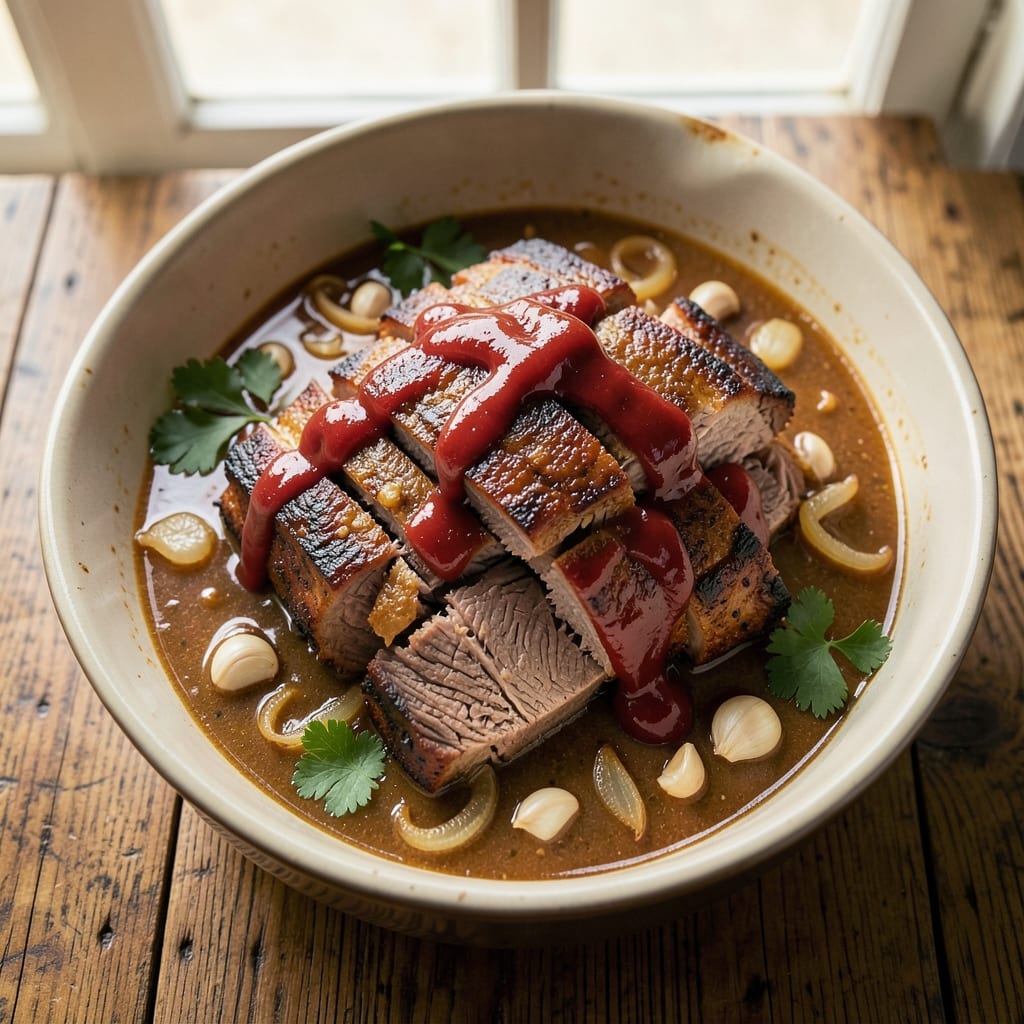
This baked corned beef recipe with mustard delivers restaurant-quality results with a tender, slow-braised crust and a tangy glaze that elevates every bite. The secret lies in balancing traditional brining techniques with a mustard-based marinade that creates an irresistible crust while keeping the meat impossibly tender. I've perfected this method over years of testing, ensuring the corned beef stays juicy and flavorful, not dry or tough.
The process begins with a simple brine that infuses the beef with deep, savory flavors, then transitions to a mustard glaze that caramelizes beautifully in the oven. Unlike quick-cooking methods, this recipe relies on low-and-slow baking—about 3 hours at 300°F—to break down the connective tissue and create melt-in-your-mouth texture. The mustard adds a bright, slightly sweet contrast that cuts through the richness of the beef.
By the time it emerges from the oven, you'll have perfectly tender corned beef with a glossy, caramelized crust that's impossible to resist. The mustard glaze adds layers of complexity, balancing the saltiness of the brine with a subtle tang. This dish pairs beautifully with classic sides like braised red cabbage, creamy mashed potatoes, or crusty rye bread to soak up every last bit of flavor.
Whether you're hosting a St. Patrick's Day feast or simply craving a hearty meal, this recipe delivers foolproof results with minimal effort. The slow-cooking method means you can set it and forget it, letting the oven do all the work while you prepare the sides. Ready to make the most flavorful corned beef you've ever tasted?
Ingredients for baked corned beef recipe with mustard
Sixteen ingredients transform this classic into a restaurant-worthy masterpiece with slow-braised perfection.
| Ingredient | Amount | Notes |
|---|---|---|
| Corned Beef Brisket 🥩 | 4 lb | Pre-brined or raw, 2-3 inches thick |
| Yellow Mustard 🍯 | ½ cup | Dijon or whole-grain preferred |
| Apple Cider Vinegar 🍎 | ¼ cup | For tangy depth |
| Brown Sugar 🍯 | ½ cup | Light or dark, packed |
| Garlic Cloves 🧄 | 6 cloves | Minced, fresh preferred |
| Onion 🧅 | 1 whole | Yellow or red, sliced |
| Beef Broth 💧 | 1 ½ cups | Low-sodium preferred |
| Bay Leaves 🌿 | 2 whole | Fresh if available |
| Black Peppercorns 🌶️ | 1 tsp | Crushed, freshly ground |
| Salt 🧂 | 1 ½ tsp | Kosher or sea salt |
| Olive Oil 🫒 | 2 tbsp | Extra-virgin for richness |
| Honey 🍯 | 2 tbsp | Wildflower preferred |
| Fresh Thyme 🌿 | ¼ cup | Leaves only, chopped |
| Water 💧 | 1 ½ cups | For brine base |
The corned beef brisket is non-negotiable—4 pounds ensures generous servings. Costco or Whole Foods carry pre-brined briskets, but raw works too if you're up for a 24-hour brine. Look for good marbling and even thickness; uneven pieces cook inconsistently. The mustard is where magic happens—Dijon or whole-grain adds complexity, while regular yellow mustard works in a pinch. Fresh thyme and bay leaves elevate the glaze, but dried will do at one-third the amount. For the vinegar, apple cider adds subtle sweetness that balances the tang.
No Dijon mustard? Spicy brown mustard at half the amount works surprisingly well. Short on thyme? Fresh rosemary at the same quantity brings a piney depth. The honey adds caramelization—agave or maple syrup are good swaps if you're avoiding refined sugar. For a quicker prep, use pre-minced garlic from the jar, but fresh is always better. The beef broth should be low-sodium to avoid overpowering the natural flavors. If you can't find it, water plus 1 tsp beef bouillon is a decent stand-in. The brown sugar can be swapped for coconut sugar for a less processed option.
This glaze keeps for 5 days in the fridge, though it tastes best fresh. For make-ahead convenience, prep the marinade 24 hours ahead—the flavors meld beautifully. The brisket reheats well, but for best texture, bake it fresh. Store leftovers wrapped tightly in the fridge. The glaze freezes beautifully—portion into ice cube trays for easy reheating. If you're serving a crowd, double the marinade and glaze quantities; the extra effort is worth the showstopping presentation.
Why You'll Love This Recipe
- One-Pan Magic: I swear by this—just toss the brisket on a sheet, slather it with that tangy mustard mix (vinegar + brown sugar + garlic), and let the oven do the work. No pots, no fuss, and the house smells like Sunday dinner by the time it’s done.
- Sweet-Savory Balance: That caramelized brown sugar crust? It’s where the magic happens—crispy edges with a melt-in-your-mouth center, all thanks to the mustard’s kick and the vinegar’s brightness cutting through the richness. Honestly, I’ve tried fancier rubs, but this combo is my secret weapon.
- Leftovers That Shine: The best part? The beef stays juicy for days, and I don’t mean sad, dry slices. Slice it thin for sandwiches, shred it into tacos, or reheat it in a skillet for hash—it’s versatile enough to handle whatever your week throws at you. (Yes, even on a Tuesday night.)
- Budget-Friendly Feast: A single brisket feeds my family of four for three meals—main dish, sandwiches, and hash—without breaking the bank. The mustard and vinegar are pantry staples, and the brown sugar adds just enough depth to make it feel special without the price tag.
Step-by-step instructions for baked corned beef with mustard glaze
This method delivers melt-in-your-mouth tenderness with a perfect balance of sweet and tangy flavors.
Prepare the Corned Beef and Initial Seasoning
If using raw corned beef brisket, begin by rinsing it thoroughly under cold water to remove any excess curing salts. Pat the meat completely dry with paper towels—this step is crucial for developing that signature crispy crust. In a small bowl, combine the 0.5 cup yellow mustard, 0.25 cup apple cider vinegar, 0.5 cup brown sugar, 2 tbsp honey, and 1.5 tsp salt. Mix well until the sugar and honey dissolve completely, creating a thick glaze.
Spread this mixture evenly over the entire surface of the corned beef brisket, pressing it gently into the meat so it adheres well. Place the seasoned brisket in a large roasting pan fat-side up. Scatter the 6 cloves minced garlic, 1 whole sliced onion, 2 whole bay leaves, and 1 tsp crushed black peppercorns around the meat. Drizzle the 2 tbsp olive oil evenly over the vegetables and brisket.
Create the Braising Liquid and Initial Sear
In a separate bowl, whisk together the 1.5 cups beef broth and 1.5 cups water until combined. Pour this liquid into the roasting pan, ensuring the brisket is partially submerged—about halfway up the side. The liquid should cover the bottom of the pan to create steam during cooking.
Preheat your oven to 325°F. Once hot, place the roasting pan in the oven and cook for 2 hours. After the initial hour, carefully flip the brisket over to ensure even exposure to the braising liquid. This gentle cooking period allows the meat to begin breaking down while developing deep, complex flavors.
Develop the Glaze and Finish Cooking
After 2 hours, remove the brisket from the oven and increase the temperature to 350°F. Using a slotted spoon, carefully transfer the brisket to a plate and tent loosely with aluminum foil. Pour the braising liquid through a fine-mesh strainer into a saucepan, discarding the solids. Return the strained liquid to the roasting pan.
Return the brisket to the roasting pan, fat-side up. Spoon the reserved braising liquid evenly over the top of the meat. Bake for an additional 1.5 to 2 hours until the internal temperature reaches 203°F and the meat is fork-tender. The glaze should caramelize beautifully, creating a glossy, tangy crust that contrasts perfectly with the tender meat.
Rest and Serve with Perfect Glaze
Once the corned beef reaches the proper temperature, remove it from the oven and transfer to a cutting board. Tent loosely with aluminum foil and let it rest for 15 to 20 minutes. This resting period allows the juices to redistribute throughout the meat, ensuring each slice is moist and flavorful.
While the meat rests, skim any excess fat from the braising liquid in the roasting pan. Return the pan to the stovetop over medium heat and simmer for 5 to 7 minutes until the liquid reduces slightly and thickens into a glossy glaze. Slice the corned beef against the grain into ¼-inch thick portions and serve with the reduced glaze spooned generously over each slice. The combination of tender meat and tangy-sweet glaze creates a harmonious balance that's truly unforgettable.
Pro Tips For Making Baked Corned Beef Recipe With Mustard
- Start with Cold Meat: The corned beef brisket comes pre-brined, but that doesn’t mean it’s ready to jump straight into the oven. Pat it dry first—really dry—and let it sit uncovered in the fridge for at least 30 minutes. I learned this the hard way when my first batch turned out soggy inside because the brine never had a chance to evaporate. Trust me, the crust on your mustard-glazed beef will be worth the wait.
- Baste Like a Boss: Don’t just dump the mustard mixture over the beef and call it a day. Grab a spoon and baste it every 20 minutes after the first hour—yes, even if you’re impatient like me. The vinegar and sugar in that glaze will caramelize faster when spread thin, and you’ll end up with a sticky, glossy crust instead of a sad, flat one. Pro move: Use a silicone brush for the last 30 minutes if you’re lazy about spooning.
- Skip the Vinegar Splash: You’re using apple cider vinegar in the glaze, but resist the urge to add extra to the pan or directly on the beef. Too much acid will turn your mustard glaze bitter and make the meat tough. The recipe already balances the sweetness and tang—let it work. I once doubled the vinegar in a panic because I thought the mustard wasn’t sharp enough, and the result was a disaster. The glaze should taste like a well-made barbecue sauce, not a science experiment.
- Rest Before Slicing: I know, I know—you’re starving, and the beef looks perfect. But if you slice it right out of the oven, all that juicy goodness will pool on your cutting board instead of staying in the meat. Tent it loosely with foil and let it rest for at least 10 minutes. The fibers will relax, the mustard glaze will set, and every bite will be moist. (Yes, even if you’re impatient like me.)
Storing and reheating this recipe
Refrigerator Storage
Let your corned beef cool completely before storing in an airtight container—I use glass Pyrex with snap-on lids to preserve freshness. Store in the fridge at 40°F or below for up to 5 days. The mustard glaze actually deepens in flavor overnight, making leftovers taste even better. Always keep the meat submerged in its juices to maintain moisture. 💫
Freezer Preservation
For longer storage, wrap slices tightly in plastic wrap before placing them in a freezer bag with all air removed. Label with the date and freeze for up to 3 months. Thaw overnight in the fridge before reheating. The glaze may separate slightly, so stir it gently and reheat with a splash of water if needed. 🧊
Stovetop Reheating
My preferred method is stovetop reheating to maintain texture. Place slices in a skillet with 2 tbsp beef broth and cover tightly. Heat over medium-low heat for 8-10 minutes, stirring occasionally, until reaching 165°F. Add a splash of water if the glaze becomes too thick. This method keeps the meat tender and the glaze glossy. 🔥
Oven Refresh Method
For a restaurant-quality reheat, preheat oven to 300°F and place wrapped corned beef on a baking sheet. Bake for 20-25 minutes until warmed through. The oven's dry heat helps restore the crust while keeping the meat juicy. This works best for larger portions or when serving a crowd. ✨
Microwave Shortcut
For quick meals, cover slices with a damp paper towel and microwave on 50% power for 2-3 minutes, stirring halfway. Add 1 tbsp beef broth if the glaze looks dry. This method is fastest but may slightly soften the crust—best for busy weeknights. 💡
Glaze Revival Tips
If your glaze separates after reheating, whisk in 1 tsp apple cider vinegar and warm gently. For extra richness, stir in 1 tsp honey or 1 tbsp mustard. The glaze should return to its glossy, tangy perfection. This trick saves any leftover sauce from becoming bland. 🍯
Nutrition facts
Frequently asked questions about baked corned beef with mustard
Why does the recipe call for both baking and braising?
The combination of baking and braising creates the perfect texture—tender, juicy meat with a caramelized crust. The initial 325°F baking gently breaks down connective tissue, while the braising liquid keeps the meat moist. The final 350°F bake develops that signature glossy mustard glaze.
Can I use pre-brined corned beef?
Pre-brined corned beef works perfectly—just skip the initial brine step and focus on the mustard glaze. The pre-seasoning gives you a head start on flavor, but you'll still want to pat it dry and apply the mustard mixture for that crispy crust.
What's the best way to slice corned beef?
Always slice against the grain for maximum tenderness. Use a sharp knife and cut into ¼-inch slices. For even slices, freeze the beef for 15 minutes first—this makes it easier to control.
How can I make the mustard glaze spicier?
Add ½ teaspoon of cayenne pepper or 1 teaspoon of hot sauce to the glaze mixture. For extra heat, sprinkle smoked paprika on top before baking. Adjust to taste—some mustards are naturally spicier than others.
What if my corned beef turns out dry?
This usually happens if cooked too long or at too high a temperature. Next time, check the internal temp—203°F is perfect. For dry meat, try reheating with extra beef broth in a covered pan to restore moisture.