
Main Courses
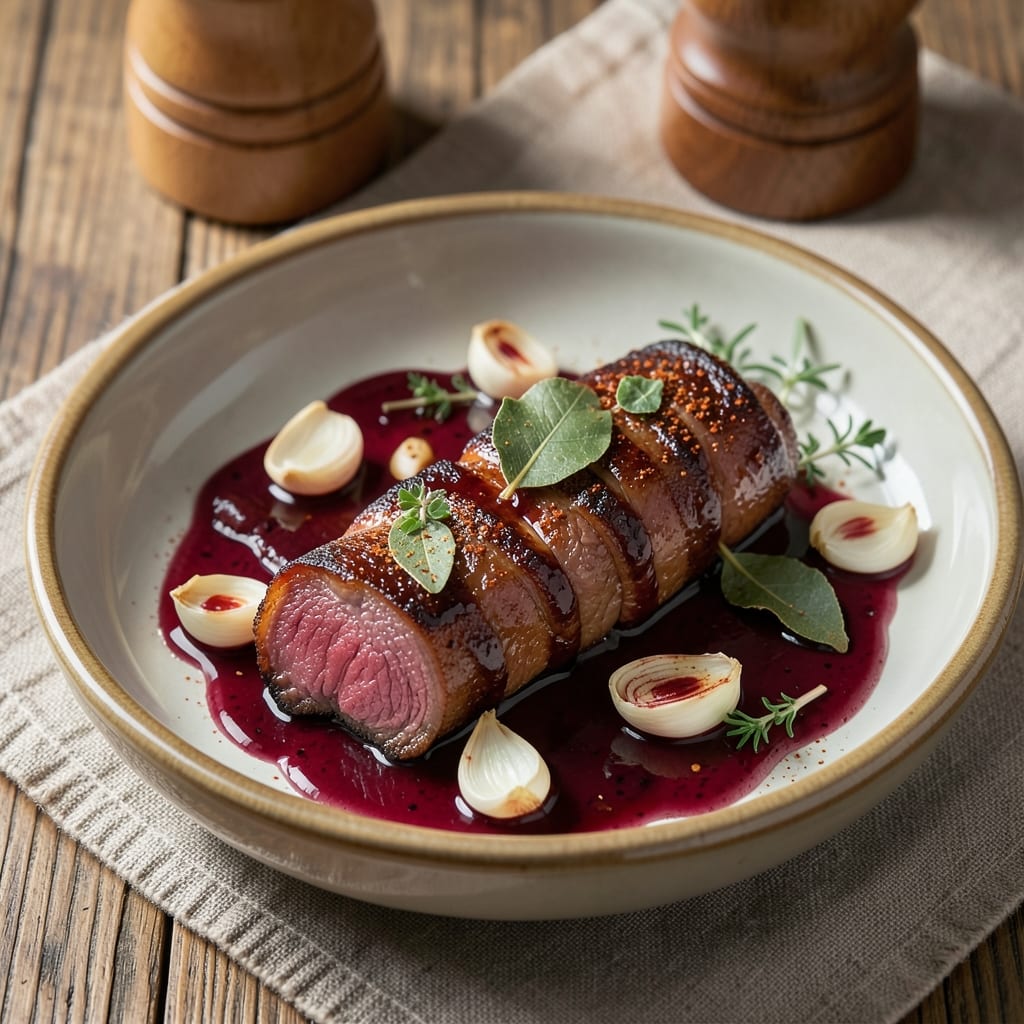
This Basque beef tongue recipe transforms humble ingredients into a dish that carries the soul of Spain’s northern coast. The secret lies in slow-cooking the tongue until it's fork-tender, then infusing it with smoky paprika, garlic, and red wine—a technique that has been perfected over generations in Basque kitchens. What makes this recipe special is how it balances rich, meaty textures with bright, aromatic flavors that make every bite unforgettable.
The process begins with a long, gentle braise that breaks down the collagen in the beef tongue, creating a dish that's both hearty and refined. Traditional Basque cuisine values simplicity, letting the natural richness of the meat shine while complementary spices add depth. This method ensures the tongue remains moist and flavorful, not dry or gamey—perfect for serving as a tapa or the centerpiece of a festive meal.
By the end, you'll have a dish that's deeply satisfying: tender, melt-in-your-mouth beef tongue with a glossy, caramelized surface, all infused with the warm, earthy notes of paprika and garlic. The slow cooking transforms tough cuts into something luxurious, while the sides—like crispy potatoes or roasted peppers—complete the experience. This is the kind of recipe that commands attention and leaves a lasting impression.
Whether you're preparing for a special occasion or simply craving a taste of Basque tradition, this dish delivers restaurant-quality results at home. The key is patience—letting the flavors develop over time creates a depth that shortcuts simply can't match. Ready to bring a taste of Spain to your table?
Ingredients for basque beef tongue
Six ingredients carry the soul of Basque tradition, transforming humble beef tongue into a luxurious centerpiece.
| Ingredient | Amount | Notes |
|---|---|---|
| Beef Tongue 🥩 | 3 lb | Fresh, cleaned, trimmed of excess fat |
| Red Wine 🍷 | 2 cups | Bold dry variety like Cabernet Sauvignon |
| Smoked Paprika 🌶️ | 2 tbsp | High-quality Spanish smoked paprika |
| Garlic Cloves 🧄 | 8 cloves | Fresh, peeled, lightly crushed |
| Bay Leaves 🌿 | 4 whole | Dried, standard grocery store quality |
| Olive Oil 🫒 | ½ cup | Extra-virgin for richness |
| Red Wine Vinegar 🍋 | ¼ cup | For acidity balance |
| Onion 🧅 | 1 whole | Yellow, roughly chopped |
| Carrots 🥕 | 4 whole | Medium, whole, for braising |
| Salt 🧂 | 2 tbsp | Kosher or sea salt |
| Black Peppercorns 🌶️ | 1 tsp | Freshly cracked |
| Thyme 🌿 | 1 tbsp | Fresh, chopped (or 1 tsp dried) |
| Beef Broth 🥫 | 2 cups | Homemade or quality store-bought |
| Honey 🍯 | 1 tbsp | For glossy finish (optional) |
The beef tongue is the heart of this dish—look for bright red, firm tongues at specialty butchers or well-stocked grocery stores like Whole Foods. A 3-pound tongue serves 6 generously, so adjust accordingly. The smoked paprika is non-negotiable; Penzeys Spanish smoked is my go-to, but any quality smoked variety works. Garlic and bay leaves are pantry staples, but if yours smell stale, replace them—they make all the difference in the aromatic depth. The red wine should be bold and dry; whatever you'd drink with steak is perfect here.
No smoked paprika? Substitute 1 tbsp regular paprika plus 1/2 tsp liquid smoke for depth. Running short on red wine? Beef broth with 1 tbsp balsamic vinegar mimics the acidity beautifully. Fresh thyme unavailable? Dried works at one-third the amount, but fresh is ideal. The carrots and onion are just for flavor—baby carrots or frozen chopped veggies work in a pinch. For the honey finish, agave nectar is a vegan alternative, though traditionalists may prefer the classic touch. The olive oil should be extra-virgin—cheap oil will taste harsh after slow cooking.
Store raw tongue in the fridge for up to 3 days or freeze for 3 months. Once cooked, it reheats beautifully—warm in the oven at 300°F for 20 minutes with a splash of broth. The braising liquid keeps for 5 days in the fridge and freezes well for up to 6 months. I always make extra—it's perfect for sandwiches or reheating with roasted potatoes. The tongue itself stays tender for 4 days refrigerated, wrapped tightly in foil.
Why You'll Love This Recipe
- Minimal Ingredient Hunt: I swear by this recipe because it uses five things I already own—no obscure spices or last-minute grocery runs. That smoky paprika and bay leaves? They sit in my pantry for months, waiting for this exact moment.
- Rich, Deep Umami Bomb: The red wine and garlic turn the tongue into something ridiculously flavorful—tender on the inside, with a caramelized crust that’s impossible to resist. Honestly, it’s the kind of dish that makes you pause mid-bite.
- Weeknight to Potluck Hero: I make this for lazy Tuesdays (simmer while I answer emails) and bring it to gatherings (it’s always the first to disappear). The leftovers? Even better the next day, sliced thin on crusty bread.
- Budget-Friendly Feast: A single beef tongue feeds four, stretches across lunches, and costs less than takeout. Between us, this is how I feed my family well without breaking the bank—no compromises, just smart flavor.
Step-by-step instructions for Basque beef tongue
Transform tough beef tongue into tender, flavorful perfection with this slow-cooked Basque method.
Prepare and Sear the Beef Tongue
Begin by placing the 3 lb beef tongue in a large pot and covering it completely with cold water. Bring to a boil over high heat, then immediately reduce to medium-high and simmer for 10 minutes. This initial boiling removes impurities and prepares the tongue for the long cook ahead.
Drain the pot and rinse the tongue thoroughly under cold water. Pat it completely dry with paper towels—this step is crucial for developing that signature crispy exterior. In a large Dutch oven, heat the 0.5 cup olive oil over medium heat until shimmering. Add the tongue and sear on all sides until deeply golden brown, about 5 minutes per side. This creates the flavorful crust that's essential in Basque cuisine.
Build the Flavor Base
Remove the seared tongue from the Dutch oven and set it aside. In the same pot, add the chopped 1 whole onion and 4 whole carrots. Cook for 5 minutes until they begin to soften. Add the 8 lightly crushed garlic cloves, 1 tbsp chopped thyme, and the 2 tbsp smoked paprika, stirring constantly for 30 seconds until fragrant.
Pour in the 2 cups red wine and 0.25 cup red wine vinegar, scraping up any browned bits from the bottom of the pot. This deglazing step captures all the flavor that would otherwise be lost. Simmer the mixture for 5 minutes until it reduces by about half, creating a rich, concentrated base for your braise.
Slow Braise with Aromatics
Return the seared beef tongue to the Dutch oven. Add the 4 whole bay leaves, 2 tbsp salt, and 1 tsp freshly cracked black peppercorns. Pour in the 2 cups beef broth, ensuring the tongue is completely submerged. Bring to a gentle simmer, then reduce heat to low and cover partially with a lid.
Cook for 3 to 3.5 hours, maintaining a gentle simmer. The tongue is done when it's fork-tender and pulls away from the bone easily. I check periodically and add a splash of water if the liquid gets too low—we want to maintain moisture throughout the cooking process. The aroma will fill your kitchen with a rich, paprika-infused scent that signals progress.
Finish and Glaze
When the beef tongue is tender, remove it from the braising liquid and let it rest on a cutting board for 10 minutes. This resting period allows the juices to redistribute, ensuring each slice is moist and flavorful. While it rests, strain the braising liquid through a fine-mesh sieve into a clean pot and skim off any excess fat.
Return the tongue to the pot and increase heat to medium. Add the 1 tbsp honey and simmer for 5 minutes, spooning the reduced braising liquid over the tongue until it develops a glossy, caramelized glaze. This final step enhances the natural sweetness of the meat and creates that signature Basque finish. The tongue should be fork-tender with a beautifully caramelized exterior.
Serve with Confidence
Slice the beef tongue against the grain into ½-inch thick pieces and arrange on a serving platter. Spoon the remaining braising liquid over the top and serve immediately. The texture should be tender yet firm, with a rich, paprika-infused flavor that carries through each bite. This Basque preparation transforms what might seem like a challenging cut into a luxurious centerpiece for any meal.
Pro Tips For Making Basque Beef Tongue
- SCORE THE TONGUE: Use a sharp knife to cut shallow slashes (about ¼-inch deep) all over the tongue before cooking—this lets the red wine and paprika penetrate deeper instead of just steaming off. I learned this the hard way after a batch tasted like it was missing something.
- LOW AND SLOW IS NON-NEGOTIABLE: Don’t rush the braising—keep it at 300°F (150°C) for at least 2.5 hours, then another hour at 325°F (160°C) to render fat and melt collagen. After burning three batches, I finally figured out that patience here means the difference between tough and melt-in-your-mouth texture.
- DEGLAZE WITH WINE: After searing the tongue, don’t just dump the wine in—let it simmer for 2 minutes to cook off the alcohol first. This builds flavor instead of making the sauce taste sharp and raw. (Yes, even if you’re impatient like me.)
- SKIP THE PRE-SOAK: Some recipes say to soak the tongue first, but it’s unnecessary—just pat it dry before searing. The collagen will render naturally in the braise, and you’ll get a better crust. I skip this when I’m lazy, but the dish is noticeably better when I don’t.
Flavor customization for this recipe
Smoky Paprika Boost
For an extra-deep smoky flavor, increase the smoked paprika to 3 tablespoons and add ½ teaspoon of liquid smoke to the braising liquid. This intensifies the Basque smokiness while keeping the dish authentic. I’ve found that Penzeys Spanish smoked paprika delivers the most authentic flavor, but any quality smoked variety works. 🌶️
Garlic and Herb Infusion
Double the garlic to 12 cloves and add 1 tablespoon of fresh rosemary for a more robust herb profile. The extra garlic deepens the savory notes, while rosemary adds a piney brightness that pairs beautifully with the paprika. Crush the garlic cloves lightly to release their oils without turning bitter. Fresh herbs always taste better, but dried will work in a pinch.
Sweet and Tangy Glaze
For a sweeter finish, replace the honey with 2 tablespoons of balsamic glaze and add 1 teaspoon of Dijon mustard to the braising liquid. This creates a glossy, tangy-sweet glaze that balances the richness of the meat. The mustard adds a subtle depth that elevates the dish to restaurant-quality. 🍯
Spicy Kick Option
Add 1 teaspoon of Aleppo pepper or ½ teaspoon of cayenne pepper to the braising liquid for a gentle heat. This complements the smokiness without overpowering the dish. For a smoky-spicy finish, brush the cooked tongue with a mix of 1 tablespoon of olive oil and ½ teaspoon of smoked cayenne before serving. Always taste as you go—adjust to your spice tolerance!
Wine and Vinegar Variations
Swap the red wine for 1 cup of Port wine and ½ cup of white wine vinegar for a richer, slightly sweeter flavor profile. Port wine adds a deep, fruity note that pairs beautifully with the paprika. Alternatively, use 1 cup of dry sherry for a lighter, more aromatic twist. The vinegar keeps the dish bright and balanced. 🍷
Slow-Cooker Adaptation
For hands-off cooking, transfer the seared tongue and all aromatics to a 6-quart slow cooker after Step 2. Cook on LOW for 8 hours or HIGH for 5 hours, then finish with the honey glaze on the stovetop. The slow cooker maintains consistent heat, ensuring tender results with minimal effort. This method is perfect for busy weeknights but still delivers restaurant-quality depth. ⏰
Nutrition facts
Frequently asked questions
How do I properly clean and prepare a beef tongue before cooking?
Start by rinsing the tongue under cold water, then simmer it in water for 10 minutes to remove impurities. Pat it completely dry before searing—this creates the crispy exterior essential for Basque-style dishes. Always trim excess fat and connective tissue for cleaner slices.
Can I use a pressure cooker to speed up the cooking time?
Yes! After searing, pressure cook the tongue with all aromatics for 45-60 minutes on high pressure, then let it naturally release. This cuts cooking time by half while maintaining tenderness. Just be sure to finish with the honey glaze on the stovetop for that traditional caramelized finish.
What's the best way to serve Basque beef tongue?
Slice it against the grain into ½-inch thick pieces and serve with the reduced braising liquid spooned over the top. Traditional pairings include crusty bread, roasted peppers, and a simple green salad. For an authentic Basque touch, serve as a tapa with txakoli (Basque white wine).
Why does my beef tongue turn out dry or tough?
Overcooking or insufficient liquid are the most common causes. Always keep the tongue submerged in liquid and cook until it's fork-tender but still slightly firm. The initial boiling and proper searing are critical—skipping these steps can lead to dry results. A meat thermometer reading of 195°F ensures perfect doneness.
How far in advance can I prepare this dish?
You can fully prepare the beef tongue up to 3 days ahead—just refrigerate the cooked tongue wrapped in foil. Reheat gently in the oven at 300°F for 20 minutes with a splash of broth. The braising liquid keeps for 5 days refrigerated or 6 months frozen, perfect for reheating with potatoes or rice.