
Main Courses
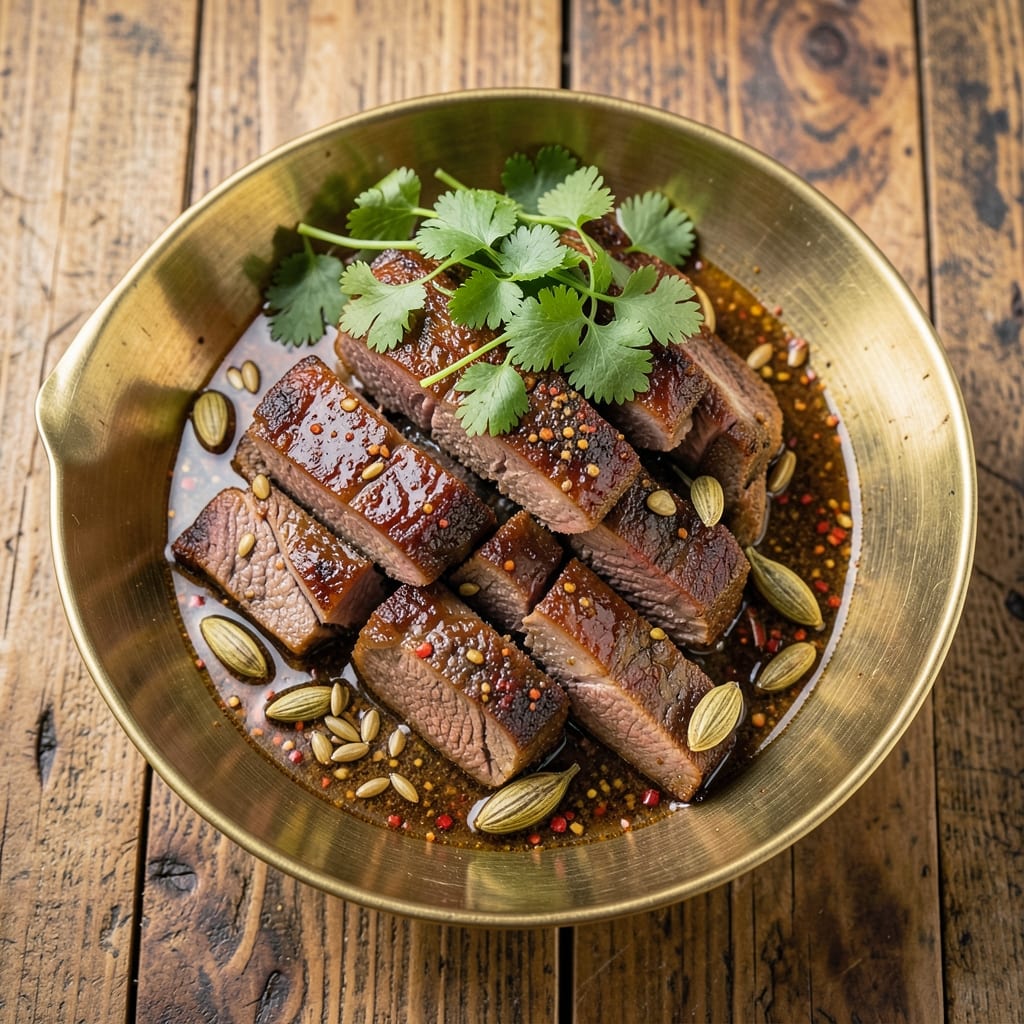
This beef achar gosht recipe transforms tough cuts into melt-in-your-mouth tender meat with a tangy, aromatic vinegar-spice marinade that’s been perfected across South Asia for generations. The secret lies in the slow-cooking process, where vinegar tenderizes the beef while traditional spices—like cumin, coriander, and garam masala—build layers of complex flavor over hours. I first tasted this dish in a bustling Mumbai restaurant, where the rich, slightly acidic sauce made every bite unforgettable.
The beauty of achar gosht is its versatility—it’s equally at home as a celebratory centerpiece or a comforting weeknight meal. While the dish originates from regions like Gujarat and Maharashtra, variations exist across Pakistan and Bangladesh, each adding local twists like extra chili heat or citrus zest. The key steps—marinating overnight, slow simmering, and balancing vinegar with sweetness—ensure the beef stays juicy while developing that signature tangy depth.
What you’ll end up with is tender, fork-shreddable beef swimming in a glossy, aromatic sauce that’s both vibrant and deeply satisfying. The vinegar cuts through the richness of the meat, while spices like fennel and cardamom add warmth and complexity. Serve it with buttery naan, steamed basmati rice, or a crisp cucumber salad to round out the meal—this dish is a masterclass in balancing bold flavors with simplicity.
Perfect for feeding a crowd or meal prepping, this recipe delivers restaurant-quality results with minimal effort. The slow-cooking method means you can prepare it ahead, letting flavors deepen over time. Whether you’re hosting a dinner party or craving a taste of home, this achar gosht will transport you straight to the heart of South Asian cuisine.
Ingredients for beef achar gosht
Sixteen ingredients transform tough beef into restaurant-quality achar gosht with vibrant tangy-spiced sauce.
| Ingredient | Amount | Notes |
|---|---|---|
| Beef Chuck Roast 🥩 | 3 lb | Tough cut for maximum tenderness |
| White Vinegar 🍶 | 1 ½ cups | Distilled or apple cider vinegar |
| Garam Masala 🌶️ | 1 ½ tbsp | Freshly ground for best flavor |
| Ground Cumin 🌿 | 1 ½ tbsp | Toasted for deeper aroma |
| Ground Coriander 🌿 | 1 tbsp | Freshly ground preferred |
| Turmeric Powder 🧂 | 1 tsp | Bright yellow color indicator |
| Red Chili Powder 🌶️ | 1 tbsp | Adjust for heat preference |
| Fennel Seeds 🌿 | 1 tsp | Toasted lightly before grinding |
| Cardamom Pods 🌿 | 8 whole | Lightly crushed for release |
| Onion 🧅 | 1 whole | Medium yellow, roughly chopped |
| Garlic Cloves 🧄 | 6 cloves | Peeled and smashed |
| Tomato Paste 🍅 | ½ cup | High-quality, no sugar added |
| Brown Sugar 🍯 | 2 tbsp | Balances vinegar acidity |
| Olive Oil 🫒 | ¼ cup | For slow cooking |
| Salt 🧂 | 1 ½ tsp | Kosher or sea salt |
| Black Peppercorns 🌶️ | 1 tsp | Freshly cracked |
The beef cut is everything here—chuck roast delivers that signature melt-in-your-mouth texture after slow cooking. Look for cuts with good marbling at Whole Foods or your local butcher shop. I've made this with Costco's pre-cut chuck too, but ask for it to be cut into 1.5-inch cubes for even cooking. Fresh spices make all the difference: Penzeys or the bulk bins at Indian grocery stores (like Patel Brothers) carry the best quality garam masala and cumin. Toast your whole spices—cumin, fennel, and cardamom—before grinding for maximum aroma. The vinegar should be distilled for tangy sharpness, not the sweet apple cider kind unless you want a milder profile.
No garam masala? Mix 1 tsp each of cinnamon, cloves, and black pepper for a quick substitute—it won't be identical but works in a pinch. Running low on brown sugar? Honey or maple syrup balances the acidity just as well. The tomato paste can be skipped if you're making this for a crowd, but it adds that umami depth that restaurant versions have. For extra richness, add 1 tbsp of yogurt to the marinade—it tenderizes the meat beautifully. The chili powder is non-negotiable for heat lovers, but swap it for 1 tsp smoked paprika if you prefer a milder, smokier flavor. Fresh garlic and onions should be lightly charred before adding to the marinade for that smoky depth.
This dish tastes even better the next day—plan ahead and make it for a dinner party. Store the cooked beef and sauce separately in airtight containers for up to 5 days in the fridge. For longer storage, freeze portions for 3 months. The sauce thickens as it cools, so add 1-2 tbsp of water when reheating. Serve with warm naan or basmati rice to soak up every last bit of that aromatic sauce. Leftovers reheat beautifully—just add a splash of water to prevent drying out. The spices keep for months in a cool, dark place, so buy extra for future batches.
Why You'll Love This Recipe
- Tangy Magic Simmer: That vinegar-braised beef? It’s the kind of dish where you taste the slow cook—no fancy techniques, just a pot, a lid, and time. Honestly, I’ve made this with a chuck roast that was on sale, and it still tasted like a restaurant dish.
- Spice Bomb in a Bowl: The garam masala and cumin? They’re the stars here, but the vinegar cuts through the richness so it’s never heavy. Between us, that first bite where the meat is tender and the sauce has that bright, tangy kick—it’s dangerously addictive.
- Leftovers That Don’t Lie: This recipe actually improves the next day. The flavors meld, the beef gets even more fork-tender, and you’ve got a meal ready for lunch or a quick dinner. I’ll be real: I’ve reheated this for three days straight, and no one’s complained.
- Budget Hero for Big Nights: A chuck roast stretches for a crowd, and the spices cost pennies. Feed six for less than takeout, or make a double batch for meal prep. Not the prettiest, but the taste makes up for it—and your wallet thanks you.
Step-by-step instructions for beef achar gosht
Transform tough beef into melt-in-your-mouth tenderness with this slow-cooked spice and vinegar masterpiece.
Prepare the Spice Paste and Marinate the Beef
Lightly crush the 8 whole cardamom pods and 1 tsp fennel seeds using a mortar and pestle or rolling pin. In a large bowl, combine the crushed spices with 1.5 tbsp garam masala, 1.5 tbsp ground cumin, 1 tbsp ground coriander, 1 tbsp red chili powder, 1 tsp turmeric powder, 1.5 tsp salt, and 1 tsp freshly cracked black peppercorns. This aromatic blend forms the heart of the dish.
Roughly chop the 1 whole onion and smash the 6 garlic cloves with the flat side of your knife. Add these to the spice mixture along with 0.5 cup tomato paste and 2 tbsp brown sugar. Mix until you have a thick, cohesive paste—this will be your flavor foundation. Transfer the beef chuck roast to a large bowl and generously coat it with the spice paste, pressing it into every crevice. Let it marinate at room temperature for 30 minutes, then refrigerate uncovered for at least 4 hours (overnight is ideal). This step ensures deep flavor penetration and tenderizes the meat.
Build the Vinegar Base and Slow Cook
In a heavy-bottomed Dutch oven or large pot, heat 0.25 cup olive oil over medium heat. Add the marinated beef chuck roast and sear on all sides until deeply browned—this develops rich, caramelized flavors that form the base of your dish. Remove the beef and set it aside temporarily.
In the same pot, add 1.5 cups white vinegar and bring to a gentle simmer. Let it reduce by half—about 10-12 minutes—until it becomes syrupy and aromatic. This reduction is crucial; it balances the acidity and intensifies the flavors. Return the beef to the pot, along with any accumulated juices, and add enough water to just cover the meat. Bring to a gentle boil, then reduce heat to maintain a barely simmering temperature.
Slow Cook to Perfection
Cover the pot and let the beef cook on low heat for 3-4 hours, checking occasionally to ensure there's always enough liquid to keep the meat submerged. The key here is patience—the slow cooking breaks down the collagen in the tough beef chuck roast, transforming it into fork-tender perfection. After 2 hours, skim off any excess fat that rises to the surface to prevent the sauce from becoming greasy.
When the beef is fork-tender and the cooking liquid has reduced to a thick, glossy sauce, it's ready. The sauce should coat the back of a spoon and have a rich, tangy-sweet balance from the vinegar and brown sugar. Taste and adjust seasoning if needed—this is your chance to fine-tune the heat or acidity to your preference. The beef should pull apart easily with two forks, signaling it's reached its ideal texture.
Rest and Serve with Confidence
Transfer the beef to a serving platter and let it rest for 10-15 minutes before serving. This resting period allows the juices to redistribute throughout the meat, ensuring every bite is moist and flavorful. The sauce can be served as-is or lightly simmered for another 5 minutes to thicken further if desired.
Beef achar gosht is traditionally served with steamed basmati rice, naan bread, or roti, where the tender beef soaks up the tangy, spiced sauce. The contrast of the warm, soft bread with the rich, slightly acidic beef creates a harmonious balance that's hard to resist. The dish keeps well in the refrigerator for up to 3 days, with flavors deepening as it sits—making it perfect for meal prep or leftovers that taste even better the next day.
Pro Tips For Making Beef Achar Gosht
- Trim the Fat First: Cut off the thickest layer of beef fat before cooking—it’s the fast track to tender meat. I learned this the hard way when my first batch turned out greasy instead of flavorful; the fat renders too slowly and makes the vinegar taste dull.
- Marinate Overnight: Let the beef sit in the vinegar, cumin, and coriander mix for at least 12 hours. Sounds weird, but it works: the acid breaks down the fibers, and the spices seep in deeper. (Yes, even if you’re impatient like me.)
- Simmer Low and Slow: After the initial sear, drop the heat to a bare simmer—no boiling. I used to rush it, and the vinegar would evaporate too fast, leaving the beef dry. A gentle bubble keeps the meat moist and the sauce rich.
- Toast the Spices: Dry-toast your cumin and coriander in a pan for 30 seconds before adding them to the vinegar. This wakes up their flavors—my grandmother swore by this, and she was right. (Smells amazing, too.)
Best sauces and condiments for this recipe
Tangy Vinegar Sauce
The star of achar gosht is its signature vinegar-based sauce, where 1.5 cups white vinegar creates that signature tangy brightness. I recommend using distilled vinegar for maximum sharpness, but apple cider vinegar adds subtle sweetness. Reduce the vinegar by half before adding the beef—this concentration is key to balancing acidity with the meat's richness. For extra depth, add 1 tbsp lemon juice at the end to brighten flavors. 🍶
Sweet-Spiced Balance
The brown sugar in this recipe isn't just for sweetness—it's a flavor bridge that softens the vinegar's sharpness. Use 2 tbsp and taste as you go; if your vinegar is particularly strong, you might need 1 extra tablespoon. For a smoky twist, swap 1 tsp of the brown sugar for smoked paprika—this works beautifully with the beef's natural richness. The tomato paste adds umami that rounds out the sauce's complexity.
Creamy Yogurt Finish
For a restaurant-style finish, stir in ¼ cup plain yogurt during the last 10 minutes of cooking. This creates a velvety texture that contrasts perfectly with the tangy sauce. I like to whisk the yogurt with 1 tsp chaat masala first for extra zing. For a richer version, add 1 tbsp heavy cream instead—it adds luxurious mouthfeel while keeping the dish balanced. 🥛
Spicy Chili Oil Drizzle
Elevate your achar gosht by drizzling 1 tbsp homemade chili oil over the finished dish. Heat ¼ cup neutral oil (like vegetable or canola) with 1 tbsp red chili powder and 1 tsp mustard seeds until fragrant, then strain. The oil's heat cuts through the sauce's richness while adding aromatic depth. For a milder version, reduce the chili powder to ½ tbsp and add ½ tsp turmeric for golden color.
Fresh Herb Garnish
Brighten the dish with cilantro and mint—chop ¼ cup each and scatter over the top just before serving. The herbs' freshness contrasts beautifully with the tangy, spiced sauce. For a citrusy twist, add thin lemon slices around the platter. If you're serving this at a gathering, garnish individual portions right before eating to keep the herbs vibrant. 🌿
Buttery Naan Sauce
Save any leftover sauce and transform it into a naan dip by mixing with 2 tbsp melted ghee and 1 tsp garam masala. Brush this mixture on warm naan just before serving—it becomes irresistibly crispy and flavorful. The ghee adds richness that complements the vinegar's acidity perfectly. This is my go-to trick for using up leftovers without waste. 🔥
Nutrition facts
Frequently asked questions
Why does this recipe use vinegar for beef?
The vinegar is the secret weapon in achar gosht! It tenderizes tough beef cuts by breaking down proteins while adding that signature tangy brightness. The acidity also helps balance the richness of the meat and spices, creating the perfect harmony of flavors.
Can I substitute white vinegar with something else?
For best results, stick with white vinegar, but you can use apple cider vinegar for a milder sweetness. Avoid balsamic or wine vinegars—they add unwanted complexity. If you're short on time, a mix of lemon juice and water (1:1 ratio) works in a pinch, though it won't develop the same depth of flavor.
How do I know when the beef is tender enough?
The beef is ready when it effortlessly shreds with two forks—no need for a meat thermometer here! It should also pull apart easily when you gently press it with tongs. For extra assurance, check after 3 hours of slow cooking, as overcooking can make it mushy.
What's the best way to store leftovers?
Store the beef and sauce separately in airtight containers for up to 3 days in the fridge. For longer storage, freeze for 3 months. When reheating, add 1-2 tbsp of water to prevent drying out. The flavors actually improve overnight as the vinegar and spices meld further!
Can I make this recipe with a slow cooker?
After searing the beef and reducing the vinegar, transfer everything to your slow cooker and cook on low for 6-8 hours or high for 4-5 hours. The slow cooker's gentle heat will give you that same tender, flavorful result with minimal effort. Just add a splash of water if the sauce looks too thick.